
 Worksheets
5.3 Bohr Models & Lewis Dot Structures Work
Total questions: 48
Worksheet time: 41mins

Elemental Symbol
In the middle
Atomic Number
Top corner
Mass number
Bottom of tile
Under Symbol
Name of element
What is a Bohr Model?
A model of an atom that uses only valence electrons an atom contains
A model of an atom that uses all electrons an element contains
A model of an atom that uses some of the electrons an element contains
Only shows the element symbol and it's outer most electron shell
The first energy level of a Bohr model can hold a max of (a) e- . The second and third levels can both only hold a max of (b) e- . The fourth level can hold (c) e- and the fifth level can only hold (d) electrons
What is a Lewis Dot Structure?
A model of an atom that shows Only the element symbol and some of the electrons
A model of an atom that shows Only the element symbol and all of the electrons an atom contains
A model of an atom that shows Only the element symbol and it's outer most electrons
A model of an atom that shows protons, neutrons and it's outer most electrons
Valence electrons are in the (a) shell of a model or atom.
The group number is equal to the number of (a) and the period # is equal to the number of (b) .
Match the following
Group Number
Number of Valence electrons
Period Number
Number of energy levels
Atomic Number
Number of electrons
P++ n0
Atomic Mass
m - P+
Number of n0

The elements F, Cl, and I are all in the same group/column on the periodic table. Which is the best explanation for this arrangement?
They have the same number of energy levels
They are the same type of element
Have the Same number of protons
they have the same number of valence electrons
Both calcium and potassium have the same number of energy levels. How else could this be stated?
Both elements are in the same group in the periodic table
Both elements are in the same period on the periodic table
Both elements have the same atomic number
Both elements have the same atomic mass
Put the steps to drawing a lewis dot structure in order
1
Write elements symbol
2
draw a box around the symbol
3
Put the first electron at the top of the box
4
Add electrons moving clockwise around the the box
5
Only double up electrons once each side of the box is full,

This is a correct dot diagram for nitrogen (N)
Yes, they should be positioned with one at the top and one to the right, but it does have the incorrect number of electron dots
No, they should be positioned with two at the top and one on all other sides, but it does have the correct number of electron dots

Which element would be in group 2?
Type the letter
(a)

How many valence electrons?
(a)
How many dots would a Lewis Dot structure of Helium have?
(a)

Which element would be in group 16?
Type the letter
(a)

This could be the dot diagram of
Mg
Cl
C
O

Which element is this?
Calcium
Chlorine
Silicon
Potassium

What period is this atom in?
(a)

What element is this?
You can type the name or the symbol
(a)
Which Bohr model represents Be?


Which atoms would be in the same period?


Is this a correct dot diagram for magnesium (Mg)
No , they should be positioned with one at the top and one to the right, but it does have the correct number of electron dots
No, because it has the wrong number of electrons, but they are in the correct position.
Yes because it has the correct number of electron dots and they are in the correct position.
Yes, because it has the incorrect number of electron dots and they are in the wrong position.

What is the name of this element?
(a)

How many valence electrons?
(a)

What is this element? Use a periodic table!
Beryllium
Boron
Carbon
Nitrogen
Which element would be in group 16?
V
W
X
Y
Z
Which element would be in group 2?
V
W
X
Y
Z
This could be the dot diagram of
Mg
Cl
C
O
How many electrons should Lithium have around its Lewis dot model?
(a)
How many electrons should Chlorine have around its Lewis dot model?
(a)
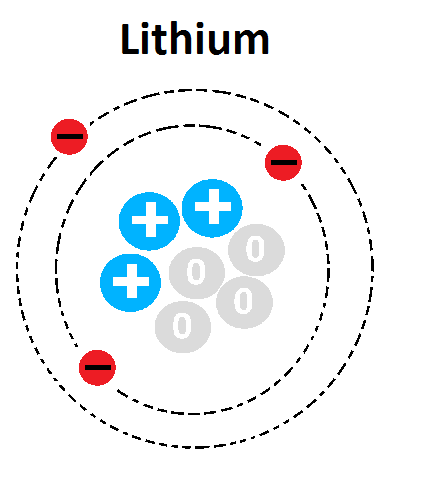
What is the mass number of this atom?
(a)

What is the atomic number of this atom?
(a)
The number of protons an element has is its?
Atomic mass
Atomic number
a.m.u
Group

How many valence (outer) electrons does an Oxygen atom have?
2
6
8
16

What is the atomic number of this element?
17
18
35
35.453

What is the mass number of this atom of Chlorine?
17
18
35
35.453
Which element is this?
Calcium
Chlorine
Silicon
Potassium
What element is this?
Na
P
N
S

What element is this?
Nitrogen
Chlorine
Argon
Phosphorous
Which Bohr model represents Be?
Which Bohr model represents Neon?


___________ simplify the __________ by showing only the outer valence electrons used for bonding.
Lewis Dot Diagrams, Bohr Models
Bohr Models, Electron Dot Diagram
Electron Dot Diagram, Bohr Models

Is this a correct dot diagram for fluorine (F)
Yes
No
What is the average atomic mass of Magnesium?
(a)

If an atom of Phosphorus has 16 neutrons, what is it's mass number?
(a)

If an atom of Fluorine has 10 neutrons, which of the following is FALSE?
The mass number is 19.
There are 10 total electrons.
There are 7 valence electrons.
There are 9 protons.
If an atom of Sodium has a mass number of 23, it will have...
23 protons
11 neutrons
12 protons
12 neutrons
Protons + Neutrons = (a) of an atom

