
 Worksheets
Practice test evolution by natural selection
Total questions: 17
Worksheet time: 13mins
A trait or change in lifestyle that helps a plant or animal survive in its environment
adaptation
evolution
homologous
vestigial


Images of the embryo and adult stages of three different organisms are shown.
Which of the following is the best conclusion that can be drawn from this evidence?
Having similar embryos indicates that these organisms eat the same types of food.
Having similar embryos indicates that these organisms share a recent common ancestor.
Having similar embryos indicates that these organisms live in a similar environment.
Having similar embryos indicates that a certain protein controls how many legs the adult organisms will have.

Which statement is supported by this cladogram?
Hippopotamuses are more closely related to cows than to javelinas
Toothed whales are more closely related to mouse deer than to hippopotamuses
Javelinas and pigs are more closely related than baleen whales and toothed whales
Cows and mouse deer are more closely related than javelinas and pigs
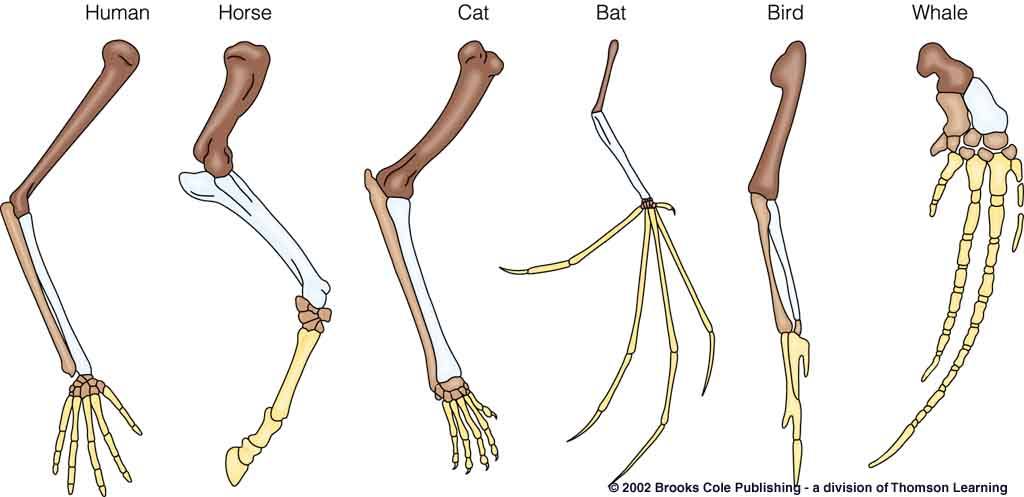
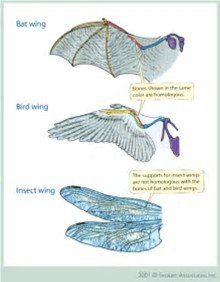

different structure, have a similar function.
Homologous structures
Analogous structures
Vestigial structures
All of the above

Penguin flipper and fish fin
Homologous
Vestigial
Analogous
None of the above
Most recent ancestral species from which two different species evolved
common ancestor
relative dating
fossil record
analogous structures
Which 'famous' islands did Charles Darwin travel to?
Hawaiian Islands
Barbados
Galapagos
Trinidad
What scientist explains that the geological occurrences that happened in the past and ARE STILL HAPPENING today?
James Hutton
Charles Darwin
Alfred Wallace
Charles Lyell
Charles Darwin’s observation that finches of different species on the Galápagos Islands have many similar physical characteristics supports the hypothesis that these finches
have the ability to interbreed.
acquired traits through use and disuse.
all eat the same type of food.
descended from a common ancestor.

