
 Worksheets
US History Review - Chapters 11-13
Total questions: 85
Worksheet time: 47mins


What effect did the use of barbed wire to fence off land on the open range have on cattle ranching?
It harmed cattle, reducing the number that made it to market.
It blocked cattle trails, making it difficult to get cattle to market.
It prevented cattle from finding food, reducing the number of cattle that survived each year.
It required too much effort to maintain, so ranchers abandoned their ranches.
In the 1890s, some farmers tried to survive by mortgaging their land because
a glut of wheat on the world market caused prices to drop.
a series of floods destroyed several years of crops.
prices for wheat dropped when demand for corn grew.
they needed money to grow cotton instead of wheat.
Which of the following was a hardship faced by settlers on the Great Plains?
flooding
plague
too many trees
prairie fires
People using the phrase “Pikes Peak or Bust!” were
cattle ranchers.
dry farmers.
gold miners.
mountain climbers.
The confrontation at Wounded Knee occurred because the chief’s followers
continued hunting buffalo.
left their reservation.
performed a ritual.
raided nearby farms.
Before the Sand Creek Massacre, the Cheyenne had come to Fort Lyon to
attack.
defend their land.
negotiate.
surrender.


The steam ship
The railroad
The automobile
Airplanes


Which of the following most allowed manufacturers to build their factories away from rivers?
railroads
steel beams
the telephone
electricity
What did industrial consolidation and trusts reduce during the late 1800s?
monopolies
competition
interstate commerce
corruption

_______ perfected the incandescent light bulb, created an electrical power system, and organized power plants.
Andrew Carnegie
John D. Rockefeller
Thomas Alva Edison
Alexander Graham Bell

______ developed a cheap and effective manufacturing process for making steel.
Henry Bessemer
Thomas Alva Edison
John D. Rockefeller
Alexander Graham Bell

_________ created trusts and was criticized as a robber baron while serving as head of the Standard Oil Company.
Andrew Carnegie
John D. Rockefeller
Henry Bessemer
Thomas Alva Edison

_________ was a Scottish immigrant who made a fortune in steel and donated most of his profits.
Andrew Carnegie
John D. Rockefeller
Alexander Graham Bell
George M. Pullman

Vertical integration, a business strategy used by steel mogul Andrew Carnegie, involves
merging with companies producing similar products.
buying out raw material producers and distributors.
using new methods to increase production.
forming trusts.
The use of standardized time and time zones was introduced in order to benefit
factory owners whose workers had set schedules.
railroad companies and train travelers.
manufacturers who dealt in interstate trade.
telephone and telegraph operators.
The Sherman Antitrust Act
encouraged the establishment of large-scale businesses.
was used by labor unions to fight for workers’ rights.
outlawed the formation of trusts that interfered with free trade.
was supported by millionaire industrialists.
In the late 1800s, collective bargaining was a technique used to
restrict labor unions
organize labor unions.
win workers’ rights.
expand industry.
Andrew Carnegie gained control of a large percentage of the steel industry by doing all of the following except
cutting the quality of his products.
underselling his competitors.
buying out his competitors.
buying out his suppliers.
The process which converts raw iron into steel-
Bessemer process
Molting
combustion formation
steel reversal
What economic system gives private ownership the power to produce and invest as they see fit.
democracy
Capitalism
socialism
totaltarianism
When one gives of their riches to help their community-
tithe
free trade
generous
Philanthropy
Andrew Carnegie was considered a "titan" or "giant" of the ___________ industry.
oil
steel
railroads
Rockefeller's Standard Oil used what to combine his company with his competitors?
corporate scheme
bargaining strategies
trust
Horizontal Integration
Vertical Integration
Big Business Model
Maximum Profit Idea
Horizontal Integration
Vertical Integration
Bug Business Model
Maximum Profit Idea
Where did most immigrants during the late 19th and early 20th century (Gilded Age) come from?
East Asia
Southern and Central Europe
Mexico
Middle East
Most immigrants were skilled and well educated workers.
TRUE
FALSE
Many immigrants flocked to the nation's cities because of:
Shopping
Entertainment
Education
Employment
Henry Ford revolutionized the factory system with the invention of the
assembly line
production line
speedy system
firing workers that did nothing
Andrew Carnegie was considered a "titan" or "giant" of the ___________ industry.
oil
steel
railroads
The illegal use of political influence for personal gain, a form of bribery, is called:
Nativism
Civil Service
Graft
Gentlemen's agreement
The main goal of the Americanization movement was to:
limit the number of immigrants entering the country
assimilate people of various cultures into the dominant culture
improve living conditions of the poor
encourage people to move from rural areas to urban ones
True or False:
Low levels of corruption in both the garment industry and city government generally ensured that no useful precautions were taken to prevent fires.
True
False
Identify “push” factors that brought people from around the world to the US
Free Education, jobs and rights
Famine, discrimination, no jobs , couldn't own land
No diversity, bad leaders and bad schools
What was the name of the island where most immigrants coming from Europe had to go through a medical inspection before they were let into the U.S.?
Ellis Island
Liberty Island
New York Island
What are Nativists?
People from another country
People who hate immigrants and want their country's culture to stay the same
Native Americans
What group of people were the first to be restricted from immigration into the US?
Irish
Chinese
Germans
Italians
Why did most Chinese come to America?
To work for less money and take jobs from Americans
To search for gold and build railroads
To protest against the unions
Identify “pull” factors that brought immigrant groups to the U.S.
Famine, lack of freedom and persecution.
Children could work, the diversity of food they could buy, ghettos
More Freedom, jobs, could own land, free education
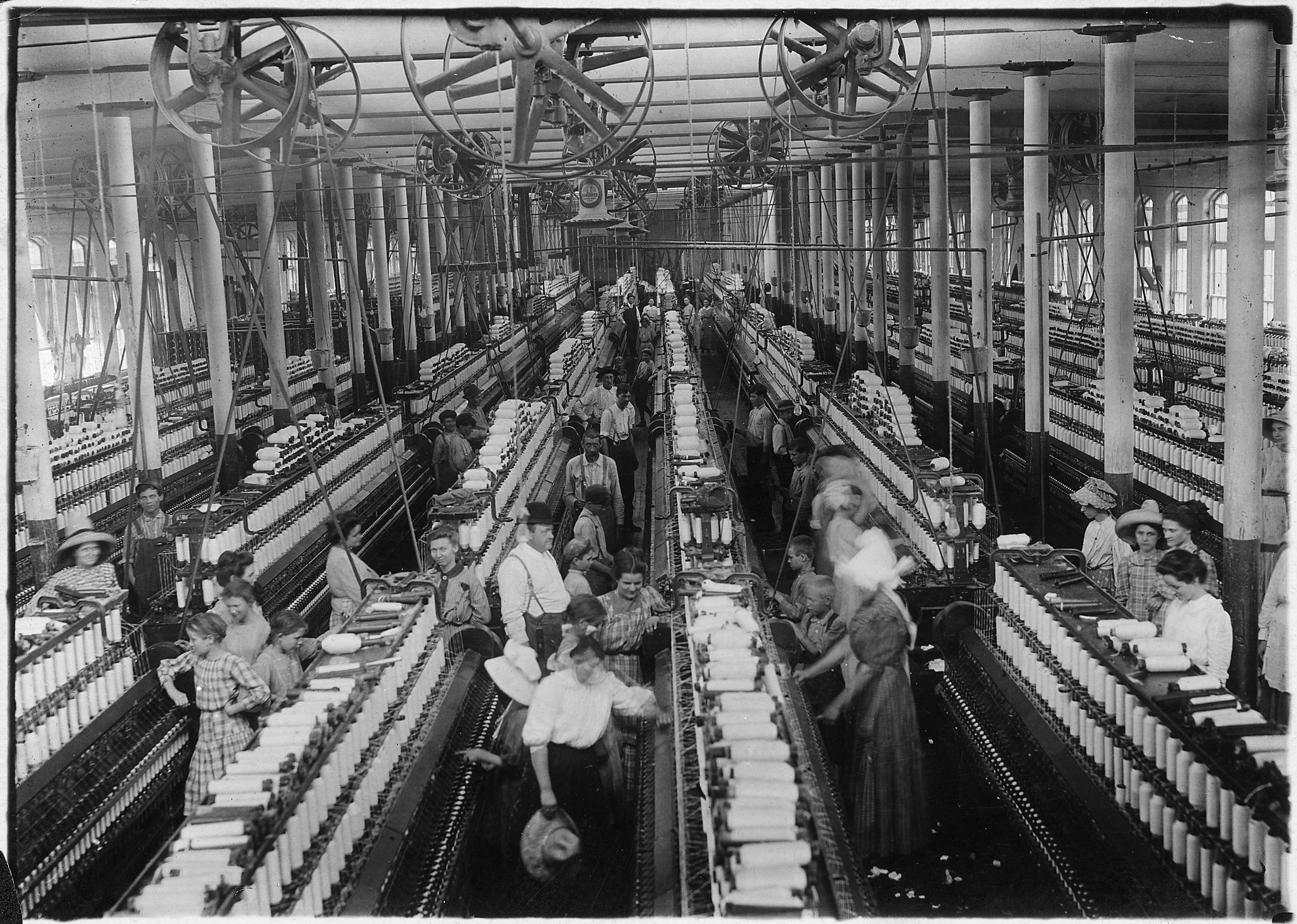


What was a common characteristic of the Pullman Strike, Haymarket Affair, and Homestead Strike?
They were defeats for owners
They were victories for unions
They became violent
They were victories for workers
What are companies who dominate a specific industry (steel, oil, etc.) called?
Monopolies
Local Business
Corporations
Competitors

