
 Worksheets
Minerals and Rocks Test Review
Total questions: 53
Worksheet time: 34mins

A mineral can be scratched by gypsum and quartz.
What is the hardness range?
1-2
2-7
2-10
7-10
A mineral could NOT be scratched by both calcite (3) and apatite (5).
What is the hardness range?
1-3
3-5
3-10
5-10
All minerals are __________?
Organic
Man-made
Naturally occurring
Solid, liquid or gas
All minerals are __________?
invisible
inorganic
imbeciles
illuminating
Cooling of magma
Evaporation of a solution
Cooling of lava
Depositing of sand and soil particles
A mineral which contains a useful substance is called a/an
gem
quarry
ore
alloy

The trace elements found in a mineral determine its...
Hardness
Streak
Color
Luster

Identify this mineral. Metallic silvery gray cubes, the Missouri State Mineral
gypsum
copper
galena
hornblende

reddish-brown mineral, streak is black, metallic luster not visible because of rusting
halite
hematite
kyanite
pyrite

Yellow, nonmetallic, brittle, hardness of 2-3, has an odor, forms near volcanoes
sulfur
kaolinite
kyanite
talc

Thin translucent to transparent sheets; colorless or pale color; hardness of 2
talc
biotite mica
muscovite mica
gypsum


A soft, white, earthy, clay mineral.


Clear with cleavage, looks fibrous, Hardness of 2, plastic feel
calcite
halite
quartz
gypsum

calcite
halite
gypsum
quartz


Yellow metallic, hardness 6-7, cubic crystals, conchoidal fracture, greenish-black streak
pyrite
gold
sulfur
kaolinite

Yellow Brownish mineral, can be rough and holey or smooth, looks rusty
pyrite
chalcopyrite
sulfur
limonite

brownish green mineral with a metallic luster, can have an iridescent sheen and gold flecks, fracture
pyrite
chalcopyrite
sulfur
limonite
A mineral that is prized for its rarity and beauty.
gem
quarry
ore
alloy
A rock deep within the Earth experiences extreme temperature and pressure. After a long period of time it becomes which rock?
Magma
Igneous
Metamorphic
Sedimentary
According to the rock cycle, Which type of rock is able to turn into a metamorphic rock?
Only sedimentary
Only igneous
Both igneous and sedimentary
Neither igneous or sedimentary
Rocks and sediment change as they move through the rock cycle. Which change involves turning into melting?
Lava to rock
magma to lava
rock to magma
rock to sediment
What must happen to a metamorphic rock before it becomes a sedimentary rock rock?
It must be broken down into sediment
It must be melted into magma
Its minerals must dissolve in water
It must be exposed to high temperature and pressure


Fossils are often found in this rock.
Sedimentary
Igneous
Metamorphic

What kind of rock is "Granite"?
Sedimentary
Igneous
Metamorphic

What kind of rock is "Marble"?
Sedimentary
Igneous
Metamorphic

What kind of rock is "Limestone"?
Sedimentary
Igneous
Metamorphic
This rock is usually made up of pieces of rock called sediments that have been pressed and cemented together.
Sedimentary
Igneous
Metamorphic

What kind of rock is "Basalt"?
Sedimentary
Igneous
Metamorphic

What kind of rock is "Sandstone"?
Sedimentary
Igneous
Metamorphic


Is this rock mafic or felsic?
Mafic
Felsic

Describe the mineral composition of the following igneous rock.
felsic
mafic
Felsic rocks are...
light
dark
Mafic rocks are...
light
dark
Vesicular means...
Full of air bubbles
Fine Grained
Coarse Grained

Describe the texture of the following igneous rock.
Aphanitic
Phaneritic
Vesicular
Glassy

Describe the texture of the following igneous rock.
Glassy
Porphyritic
Vesicular
Pegmatitic

Describe the texture of the following igneous rock (grain size 1-10 mm).
Vesicular
Aphanitic
Phaneritic
Glassy
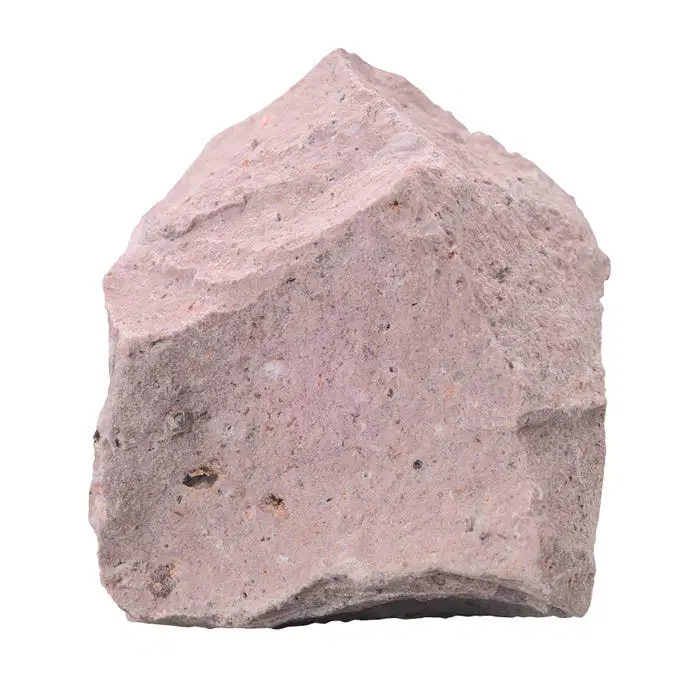
Describe the texture of the following igneous rock (grain size < 1mm).
Porphyritic
Aphanitic
Phaneritic
Pegmatitic

