wayground logo

Free Printable Worksheets

Font size

S
M
L
XL
Worksheets

ICD and OCD Quiz

Total questions: 33

Worksheet time: 11mins

Name
Class
Date
1.
OCD is the same as ICD
a)
True
b)
False
2.
The recurrent inability to resist urges to steal 
a)

Kleptomanya

b)

Kreptomania

c)

Kleptomania

d)

Keptomania

3.
 When individuals repeatedly fail to resist impulses to deliberately start fires
a)

Piromania

b)

Pyromania

c)

Keptomania

d)

Kleptomania

4.

Pathological gambling is an impulse control

a)

True

b)

False

5.
Who is the author of 6 components of addiction?
a)

Mike Sanderson

b)

Mark Gatsby

c)

Mark Genius

d)

Mark Griffiths

6.

Tolerance is a component of addictive behaviour- I Tolerate it - so I need to take more to get the came High as before. MORE MORE MORE!

a)

True

b)

False

7.
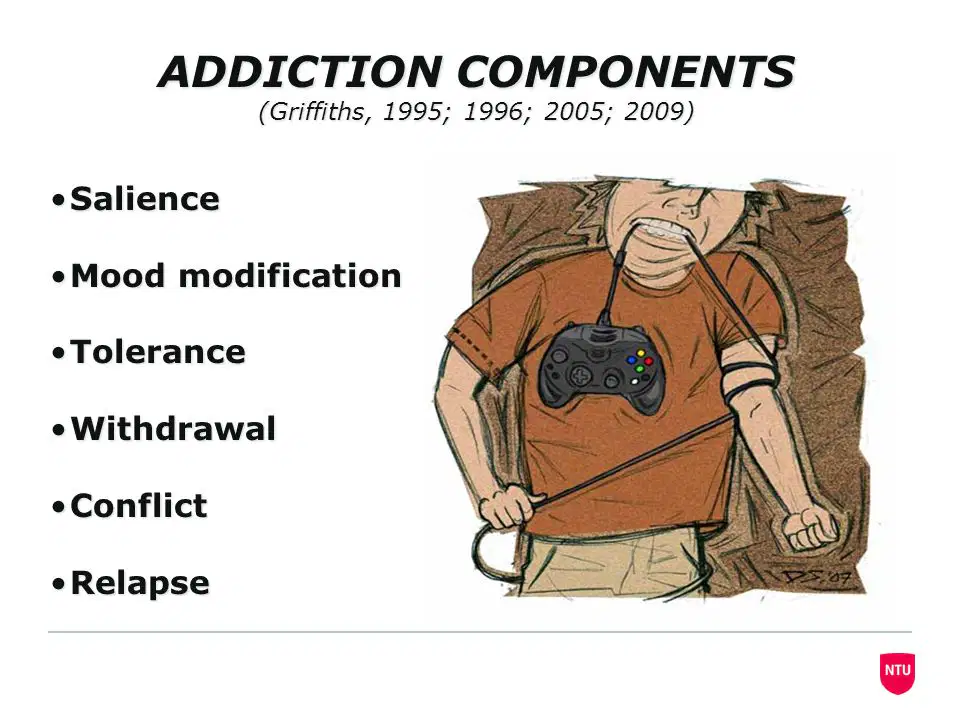
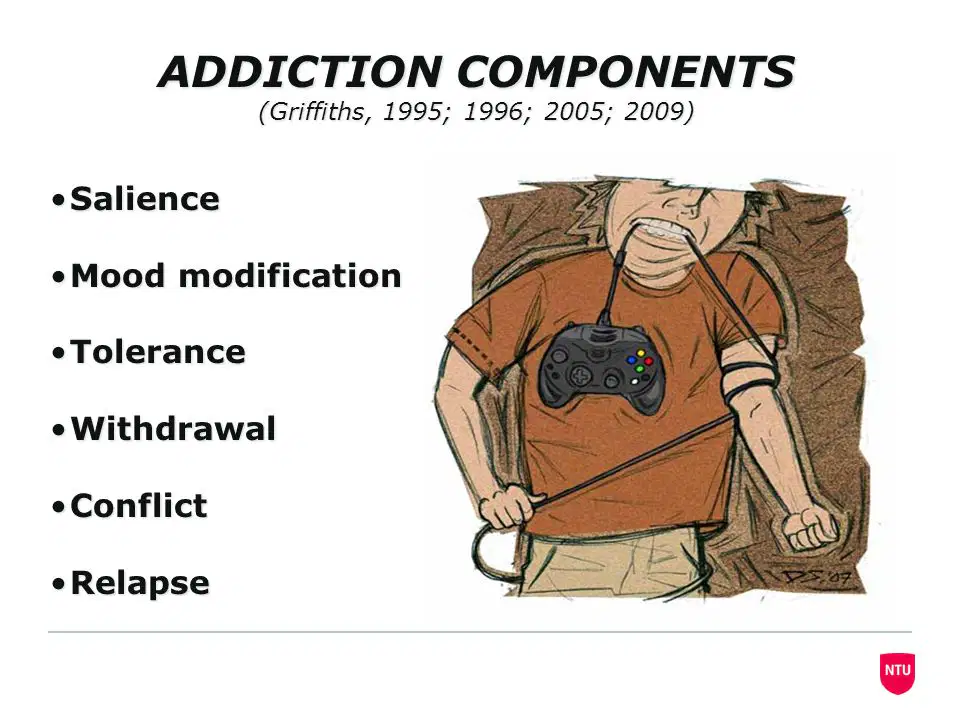
Six components of addiciton (Griffiths) are:
a)

Salience, Mood Modification, Tolerance,Withdrawal symptoms, Conflict,Relaps

b)

Salience, Happiness, Tolerance,Withdrawal symptoms, Conflict,Relaps

c)

Salience, Mood Modification, Tolerance,Weird symptoms, Conflict,Relaps

d)

Salience, Mood Modification, Tolerance,Withdrawal symptoms, Contact,Relaps

8.
One of the measures used to assess Kleptomania is:
a)

Kleptomania symptom catch scale

b)

Kleptomania Symptom Assessment Scale

c)

Kleptomania Scale

d)

Kleptomania Assessment Test

9.
Biochemical explanation of ICDs involve:
a)
Serotonin
b)
GABA
c)
Dopamine
d)
Epinephrin
10.
Behavioural explanation of ICDs is based on classical conditioning
a)

True

b)

False

11.
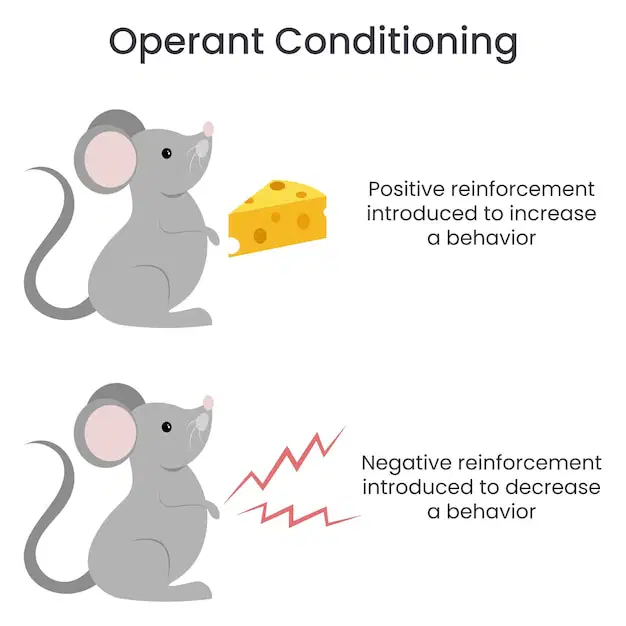
Positive reinforcement
a)

Something pleasant is added as a consequence for the behaviour

b)

Something unpleasant is added as a consequence for the behaviour

c)

Something pleasant is taken away as a consequence for the behaviour

d)

Something unpleasant is taken away as a consequence for the behaviour

12.
Feeling-state theory has been postulated by:
a)

Mark Griffiths

b)

Robert Myles

c)

Glover

d)

Robert Miller

13.
One of the cognitive-behavioural treatments for ICDs
a)

Covert manipulation

b)

Covert simulation

c)

Covert sensitisation

d)

Covert recreation

14.
Imaginal desensitisation involves progressive muscle relaxation
a)
True
b)
False
15.
EMDR stands for:
a)

Eye movement desensitisation and perception

b)

Eye movement desensitisation and reprocessing

c)

Eye movement deterioration and reprocessing

d)

Eye movement disorganisation and reprocessing

16.
ICDP is useful as a gambling disorder management
a)
True
b)
False
17.
Double-blind means that only participants don't know in which condition they are
a)
True
b)
False
18.

an Opiate antagonist:_____ and Can help with____ Addiction

a)

Nalkefene

b)

Nalmemene

c)

Blocks Opiate receptors

d)

Gambling

19.

Opiate antagonist that blocks opiates

a)

naltrexone

b)

morphine

c)

cocaine

d)

ecstasy

20.
OCD and related disorders are characterized by...
a)
daydreaming
b)
obsessive thinking Compulsive Behaviour
c)
violence
d)
Delusions
21.
which is the biological explanation of OCD?
a)

Compulsive Behaviours are reinforced through Opperant conditioning

b)

symptoms are a result of an internal conflict between the genes and the ego

c)

OCD is caused by a person’s genes+ Basil ganglia

d)

symptoms are a result of an internal conflict between the id and the ego

22.
A measure of OCD is the Maudsley Obsessive-Compulsive Inventory and the Psychological Screening Inventory.
a)
True
b)
False
23.
What was the aim of the study by Lovell et al. (2006)?
a)

to compare the effectiveness of CBT for OCD - to Drug Treatments for OCD

b)

to compare the effectiveness of cognitive behavioral therapy for anxiety

c)

to compare the effectiveness of genes for OCD

d)

To compare the Effectivness of CBT admistered by phone Vs. CBT in person

24.
Which Neurotransmiter Seems to be Positivly correlated with OCD? More of this "Love Chemical" Predicts OCD Symtoms
a)
Norepinefrin
b)
Seritonin
c)
Dopeamine
d)
Oxytocin
25.
An Explination for OCD is Extra "excitatory" Connections +less "Inhibitory" Connections to this brain Structure_____
a)
Amygdla
b)
Basil Ganglia
c)
Cerrabellum
d)
Brocca's area
26.
The Previous Question on basil ganglia was a ________ for OCD
a)
Bio-genetic Explination
b)
Bio-Neurological Explination
c)
Bio-Chemical treatment
d)
Bio- Neurological Treatment
27.
What was the criteria for the abnormality for Charles?Rappaport 1989
a)
Charles was obsessed with the thought that he was going to get hurt.
b)
Charles was obsessed with thoughts that his hands were sticky.
c)
Charles was obsessed with thinking he was going to hurt others.
d)
Charles was obsessed with the thought that others were sticky.
28.
What was the conclusion of the study? Rappaport 1989
a)
the drugs were effective
b)
it relieved his symptoms long-term
c)
DRUGS ???!!!!
d)
relieved his symptoms, but he relapsed
29.
How many items does the Maudsley Obsessive-Compulsive Inventory have?
a)
25 items
b)
20 items
c)
35 items
d)
30 items (True False)
30.
The Maudsley Obsessive-Compulsive Inventory...
a)
is designed as a quick assessment tool
b)
is designed as a formal diagnostic tool
c)
is not used by clinicians and researchers
d)
does not include true or false questions
31.
The Yale-Brown Obsessive Compulsive Scale...
a)
is designed to measure the individual's feelings with true or false
b)
measures the nature and severity of symptoms. They Scale 1-10
c)
is a formal diagnostic tool
d)
It is also Used for Job interviews
32.
behavioral explanation states that compulsions can be explained through operant conditioning. WashHand=Reward reinforcer
a)
True
b)
False
33.
What was the sample case study in Lehmkuhl et al (2008) ?
a)
200 participants
b)
a case study 1 Autistic Kid, "Jason" Given ERP
c)
2 participants
d)
450 participants