wayground logo

Free Printable Worksheets

NEW

Font size

S
M
L
XL
Worksheets

Thermochemistry Review

Total questions: 40

Worksheet time: 10hrs 0mins

Name
Class
Date
1.
The specific heat of aluminum is 0.21 J/g°C.  How much heat(Q) is released when a 10 g piece of aluminum foil is taken out of the oven and cools from 100° to 50°?
a)
  • - 105 J

b)
  • - 10.5 J

c)
  • - 1.05 J

d)
  • - 0.105 J

2.
20 g of water. specific heat of water is 4.18 J/g°C.  temperature changes from 25° C to 20° Chow much heat energy (q) moves from the water to the surroundings?
a)
400 J
b)
210 J
c)
80 J
d)
4.18 J
3.
What does temperature measure?
a)
Heat
b)
ºC
c)
Kinetic Energy
d)
Thermal Energy
4.
In an endothermic reaction the system is releasing energy.
a)
True
b)
False
5.
For an endothermic reaction, the heat is on the ____ side.
a)
reactant
b)
product
c)
either side
6.
For an exothermic reaction, the heat is on the ____ side
a)
reactant
b)
product
c)
either side
7.
What type of reaction is shown in the picture?
a)
endothermic
b)
exothermic
8.
In an exothermic process, the surroundings are are gaining energy.
a)
True
b)
False
9.
If two objects have different temperatures, heat will flow from the warmer object to the cooler one UNTIL ____________
a)
one reaches a temperature of zero
b)
they both have an equal temperature
c)
one runs out of energy
10.

What type of reaction is this?

a)

Endothermic

b)

Exothermic

c)

Allergic

11.

___________________ is the capacity to do work or supply heat.

a)

energy

b)

heat changes

c)

specific heat

d)

thermochemistry

12.

What device is used to measure the amount of heat involved in a chemical reaction or physical process?

a)

barometer

b)

calorimeter

c)

thermometer

13.

What is the SI unit of heat and energy?

a)

calorie

b)

celsius

c)

joule

14.

The law of conservation of energy states that

a)

in any chemical or physical change, energy cannot be created or destroyed, only changed in form.

b)

heat changes occur during chemical and physical changes.

c)

energy is the capacity to do work or to supply heat

d)

there are two types of energy, kinetic and potential

15.

What type of heat transfer is this an example of:


The ocean circulates around the earth as cool water sinks and pushes less dense, warmer water out of the way.

a)

Conduction

b)

Convection

c)

Radiation

16.

What type of heat transfer is this an example of:


The sun's energy reaches Earth from millions of miles away.

a)

Conduction

b)

Convection

c)

Radiation

17.

What type of heat transfer is this an example of:


Your computer leaves the desk feeling very hot after you've been using it for a while

a)

Conduction

b)

Convection

c)

Radiation

18.

 The following picture is demonstrating 

which form of energy?

a)

chemical

b)

thermal

c)

sound

d)

electrical

19.

Form of Energy:  a runner running

a)

nuclear energy

b)

chemical energy

c)

mechanical energy

d)

electrical energy

20.

Form of Energy:  cymbals crashing

a)

nuclear energy

b)

chemical energy

c)

sound energy

d)

electrical energy

21.

Form of Energy:  heat lamp warming a lizard

a)

thermal energy

b)

chemical energy

c)

sound energy

d)

electrical energy

22.

Form of Energy:  lightning

a)

thermal energy

b)

chemical energy

c)

sound energy

d)

electrical energy

23.

Form of Energy:  uranium atom’s nucleus

a)

nuclear energy

b)

chemical energy

c)

sound energy

d)

electrical energy

24.

Batteries are which type of energy?

a)

Mechanical

b)

Nuclear

c)

Chemical

d)

Sound

25.

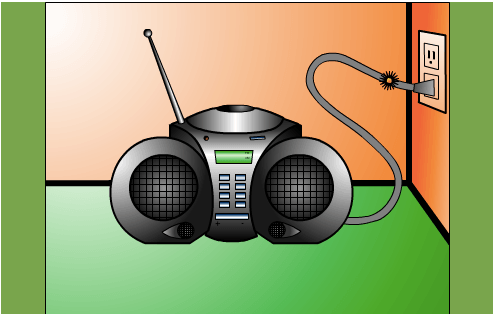
What is the energy conversion when you plug in a stereo and listen to music?

a)

electrical to mechanical

b)

chemical to nuclear

c)

electrical to sound

d)

potential to sound

26.

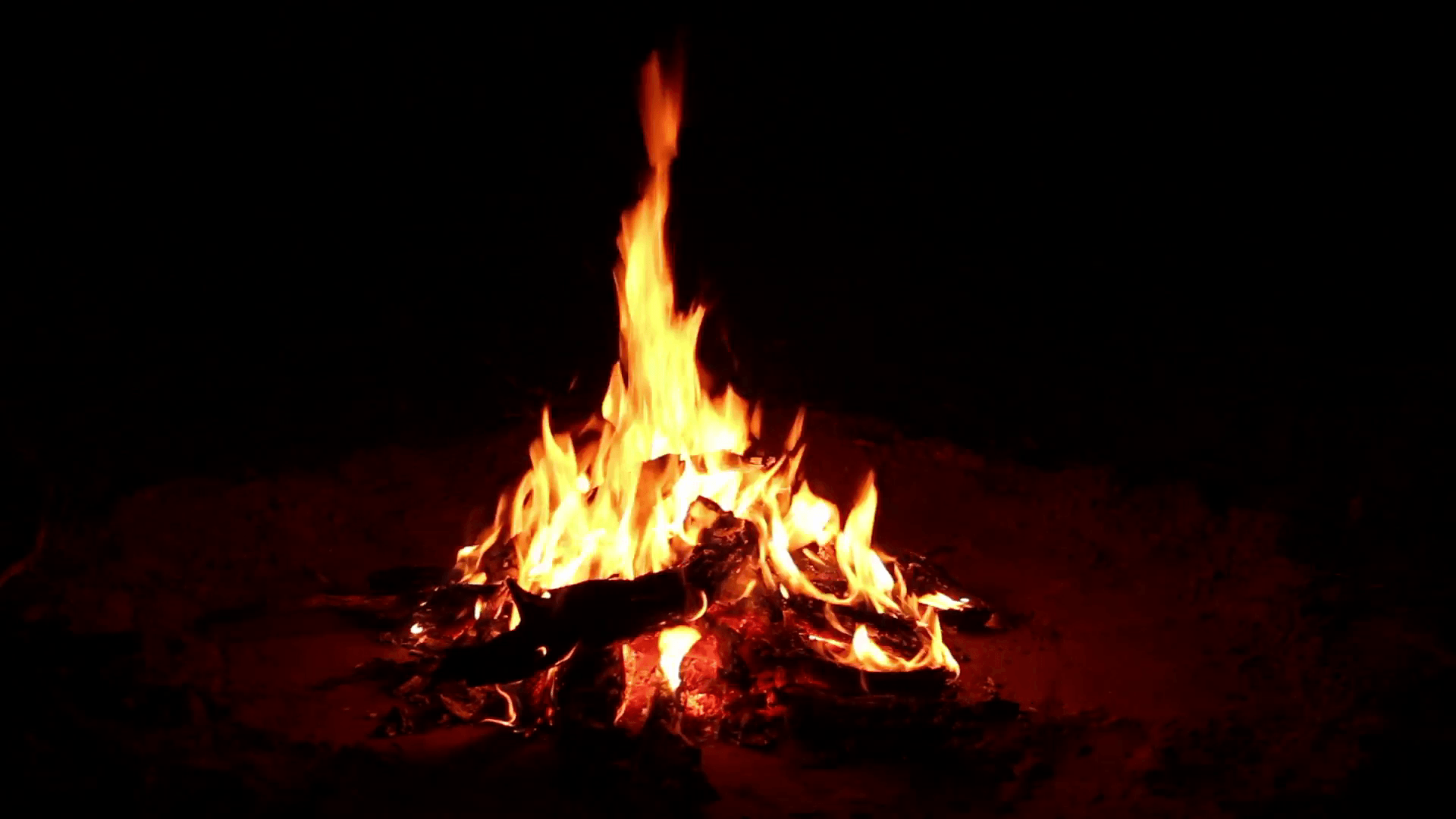
What is the energy conversion when you burn wood for a fire?

a)

electrical to thermal

b)

light to kinetic

c)

chemical to thermal

d)

chemical to electrical

27.
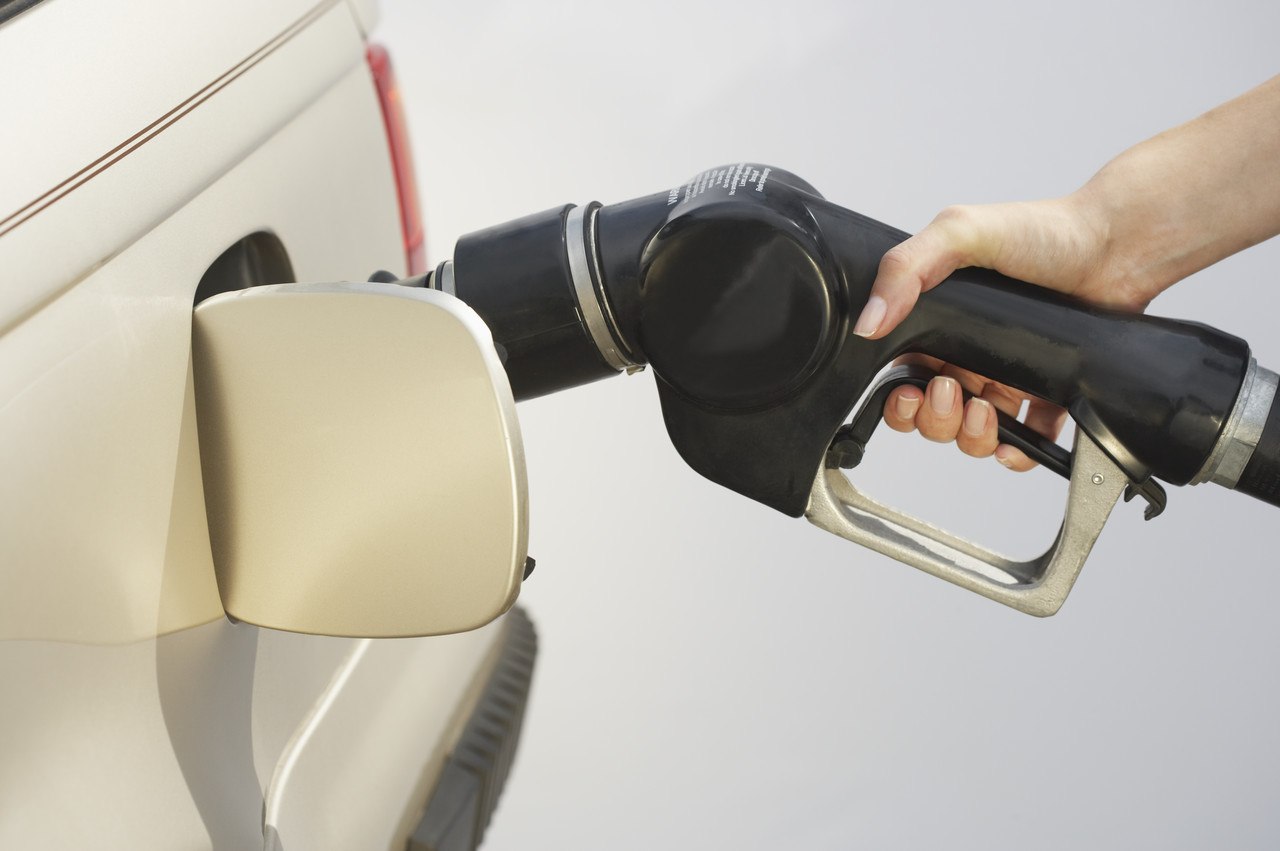
Which energy conversion is taking place when you put gasoline in a car?
a)
thermal -> electrical
b)
mechanical -> electrical
c)
chemical -> mechanical
d)
mechanical -> electromagnetic
28.
What type of energy is in this picture?
a)
Kinetic
b)
Potential
c)
Chemical
d)
Sound
29.
The form of energy from the sun can be transformed into the energy needed for a tree to grow. What types of energy occur in this transformation?
a)
Electromagnetic - mechanical
b)
Potential - kinetic
c)
Light - chemical
d)
Nuclear - thermal
30.
Some students observing a classroom device being used, noticed the below energy transformations. 
Electrical → Mechanical → Sound
Which device were the students most likely observing?
a)
A triple beam balance measuring an object’s mass.
b)
A pencil sharpener plugged into a wall outlet.
c)
A projector displaying a diagram on the screen.
d)
A working flashlight used to light up a dark corner.
31.
A lamp that plugs into a wall socket draws energy which flows through a thin wire in the bulb causing it to glow. What energy transformations are taking place?
a)
chemical → light → electrical
b)
mechanical → sound → light
c)
thermal → solar → electrical
d)
electrical → thermal → light
32.
Which of the following devices transforms electrical energy into mechanical energy?
a)
An e-reader
b)
a fan
c)
a manual pencil sharpener
d)
ipod
33.
Which of the following energy transformations occur when a lamp that is plugged into a wall socket is functioning correctly?
a)
Chemical to light
b)
Electrical to chemical
c)
Electrical to light
d)
Chemical to electrical
34.
Which is the best example of conduction?
a)
hot air blow drying hair
b)
sun heating up a car
c)
water boiling on the stove
d)
ice cube melting in your hand
35.
"Stored energy" is another way of describing what energy type?
a)
Potential
b)
Electrical
c)
Kinetic
d)
Mechanical
36.

O2(g) + 2 H2 (g)  2 H2O (g) + EnergyO_2\left(g\right)\ +\ 2\ H_2\ \left(g\right)\ \rightarrow\ 2\ H_2O\ \left(g\right)\ +\ Energy  

a)

endothermic

b)

exothermic

37.

6 CO2+ 6 H2O + Energy  C6H12O6 + 6 O26\ CO_2+\ 6\ H_2O\ +\ Energy\ \rightarrow\ C_6H_{12}O_6\ +\ 6\ O_2

a)

endothermic reaction

b)

exothermic reaction

38.
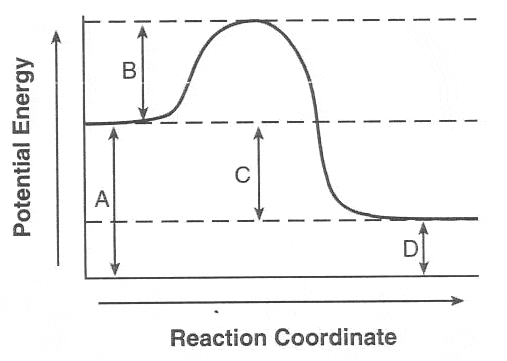
What type of reaction is this?
a)
Endothermic
b)
Exothermic
39.
Is this reaction endothermic or exothermic?
a)

Endothermic

b)

Exothermic

40.
Which of the following equations represents an endothermic reaction?  
a)
 N2O4(g) +  59 kJ  →  2NO2(g) 
b)
 2H2(g)    +  O2(g) →  2H2O(l)  +  572 kJ 
c)
 2BrCl(g)  -29.3 kJ  →Br2(g) +  Cl2(g
d)
 2H2(g)    +  O2(g) →  2H2O(l)    ΔH  =  -572 kJ