
Font size
 Worksheets
Personal Finance Review 1
Total questions: 30
Worksheet time: 14mins
A dark pattern that makes you think you are taking a specific action, but a different, undesirable action takes place instead
Authority Bias
Buy Nothing Project
Bait and Switch
Browser Extension
Website design features intended to trick users into doing things they might not want to do, but which benefit the business in question
Commitment and Consistency Bias
Confirmshaming
Dark Patterns
Comparison Shopping
A type of scam in which personal information is requested, typically through an illegitimate email
Phishing Scam
Price Matching
Privacy Zuckering
Pyramid Scheme
A type of scam in which investors artificially inflate the price of an asset and then sell out before the price falls
Privacy Zuckering
Pump and Dump Scam
Price Matching
Reciprocity Bias
A type of scam in which an online relationship is built and then money is requested
Scarcity Bias
Shopping Scam
Romance Scam
Social Proof Bias
Additional charges added on to the cost of a good or service that a consumer may not necessarily be aware of at the time of purchase
Installment Plan
Identity Theft
Gamification
Hidden Fees
A dark pattern in which your free trial with a service comes to an end and your account begins to be charged without any warning
Forced Continuity
Sneak Into Basket
Social Proof Bias
Ways of Influence
The cost for one item or measurement that allows it to be easily compared to other similar products to evaluate which is a better deal
2-Factor Authentication (2FA)
Unit Price
Software as a Service (SaaS)
Social Proof Bias
You're going to buy a new bicycle. What should be one of your first steps in comparison shopping?
Decide what bicycle features you care most about
Visit the store that sells the least expensive bicycles
Locate a coupon for bicycles
Sell your old bicycle
Sofia wants to buy a new pair of jeans. At Pants World, the jeans she wants cost $40 and they're having a 25% off sale. At All Clothes, the same jeans cost $38 and she has a $6 off coupon. What is the best deal?
Purchase at Pants World, because the cost after discount will be $15
Purchase at Pants World, because the cost after discount will be $30
Purchase at All Clothes, because the cost after coupon will be $32
Purchase at All Clothes, because the cost after coupon will be $34
Which of the following best describes what a cognitive bias is?
A rational decision that is based on research and facts
The belief that a person should change their opinions when new facts arise
The belief that we are right until someone provides information that contradicts our belief
An error in the way we think that can influence our decisions
Which of the following scenarios BEST demonstrates FOMO (Fear of Missing Out)?
Megan takes a baking class after seeing a sign for the class at her favorite bakery
David goes on a vacation to Europe and posts about it on social media every day
Angela sees an advertisement for a pair of shoes and decides to buy them
José wants to go see a movie that all of his friends have seen and are raving about
Unlike traditional economics, behavioral economics believes that…
People behave in a rational way when making economic decisions
People do not always behave in a rational way when making economic decisions
There is no way to predict how people will make economic decisions
People will always update their viewpoints based on new information
People who experience FOMO may...
Save a percentage of their paycheck each month
Donate money to a cause they care about
Go into debt to keep up with everyone else
Create and stick to a monthly budget
When using social media, it's important to remember that...
Social media ads are trying to get you to buy stuff you NEED, not want
Marketers have your best interests in mind and want you to be financially responsible
People typically only post about the best parts of their lives on social media
The more likes a post has, the more trustworthy and accurate the information is likely to be
What is a potential benefit of comparison shopping?
You are guaranteed to find a product that meets every criteria that is important to you
Stores provide a significant discount if they know you took a lot of time to find the best deal
You are more likely to find a product that best fits within your budget
You qualify for a store’s reward program if you take the time to comparison shop on a frequent basis
What are social values, as they pertain to money?
How you, personally, care and think about finances
How your family, friends, and community members impact your feelings about money
How companies and advertisements make you feel about money
How banks and other financial institutions treat you and your money
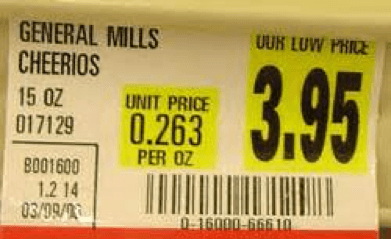
Which of the following is TRUE about unit pricing?
Unit prices can help you compare the prices of similar items
Unit price labels are universal throughout the country
It's easy to compare quantities on a unit price label
All states require unit price labels
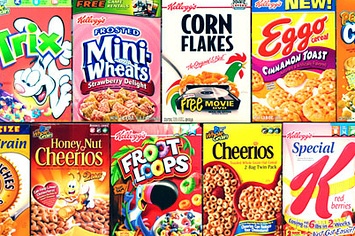
A 18oz box of cereal costs $4.99. How would you calculate the unit price?
18oz / $4.99
9 oz / $2.50
$4.99 / 18oz
(18oz) x ($4.99)
When you are deciding what to buy, you should not...
compare the unit price of similar items.
read reviews from unbiased sources
assume that buying the cheapest item is the smartest choice
wait for sales to get the best price.
When you are deciding what to buy, you should...
pick the cheapest item to get the best deal.
pick the most expensive item to get the best quality.
trust influencers to pick the best items for you.
compare the unit price of items similar to the one you want.

What are the long-term negative effects of identity theft? (hint: choose 2 correct answers)
Inability to access and use your bank account
A poor credit score
Extremely time consuming to fix the problem
You will likely lose your job

A credit freeze...(hint: choose 2 correct answers)
Allows you to restrict access to your credit report
Can only last for 30 days
Is always a free service
Does not affect your credit score

What can you do to protect your identity online? (hint: choose 3 correct answers)
Always use the same password for every account
Create a unique password with special characters
Be cautious of personal information you are sharing online
Shop only on a secure site

The first thing you should do if you are a victim of identity theft is
Call the police
File an initial fraud alert
Contact your bank
File an identity theft report

At what website can you report an instance of identity theft?
reportmyidentitytheft.com
getbackyouridentity.gov
annualcreditreport.com
identitytheft.gov

Which is a warning sign that someone is using your information? (hint: choose 3 correct answers)
You find credit card charges you did not make
You get bills for medical services you did not use
Debt collectors call about debts that are not yours
Debit card transactions are taking a long time to process

Which government agency oversees & provides information on identity theft?
Federal Communications Commission
Department of the Treasury
Federal Trade Commission
None

What is a reasonable way to protect yourself from identity theft? (hint: choose 3 correct answers)
Know the signs of phishing
Always pay cash; never use a debit or credit card
Strengthen your passwords
Check your credit report often

