
 Worksheets
Plumbing - Definition of Terms ; Pt.1
Total questions: 152
Worksheet time: 1hrs 24mins
The unobstructed vertical distance through the free atmosphere between the lowest opening from any pipe or faucet supplying water to a tank, plumbing fixture, or other device and the flood level rim of the receptacle.
Soil Stack
Air Gap
Blow Off
Ferrule
Flow of water or other liquid mixture or substances into the distributing pipes of a potable supply of water from any source, other than its intended source.
Back flow
Back pressure
Back Siphonage
Back Wash
Back siphonage is the backflow of used contaminated or polluted water from a plumbing fixture or vessel into a water supply pipe due to ___ in such a pipe
no pressure
equal pressure
high pressure
negative pressure
Battery of fixture refers to any group of two or more similar adjacent fixtures which discharges into a common ___ waste pipe or soil branch
horizontal
vertical
diagonal
continuous
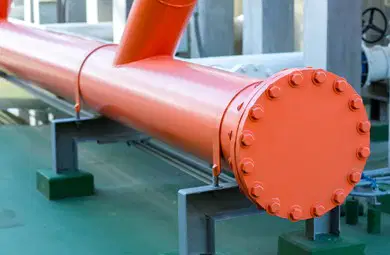
Closes the end of a pipe so, there is no opening for the passage of water.
Seal
Dead End
Blind Flange
Trap
controlled outlet on a pipeline used to discharge water
Blow off
Blow out
Blow a kiss
Blower
Any part of a piping system other than the main, riser or stack.
waste
vent
branch
soil
It occurs when the downstream water pressure is greater than the water supply pressure.
Back wash
Backstreet boys
Back pressure
Back siphonage
A length of soil or waste stack corresponding in general to a story height, but- in no case less than eight (8) feet or 2.4 meters, within which the horizontal branches from one floor or story of a building are connected to the stack.
Branch Interval
Branch Length
Tree Branch
Rebranch
A vent pipe connecting one or more individual vents with a vent stack or stack vent.
Continuous Vent
Common Vent
Circuit Vent
Branch vent
a branch vent that serves two or more traps, and extends from the front of the last fixture connection of a horizontal branch to the vent stack
Common Vent
Continuous Vent
Circuit Vent
Branch Vent
A drain from two or three fixtures connected to a single trap. A.k.a. dual vent
common vent
branch vent
continuous vent
circuit vent
A vertical vent that is a continuation of the drain, to which the vent connects.
Circuit Vent
Common Vent
Branch Vent
Continuous Vent
A fixture combining one sink and tray or a two or three compartment sink or tray in one vent
Battery of Fixture
Fixture Branch
Combination Fixtures
Plumbing Fixtures
Any physical connection or arrangement of pipes between two otherwise separate building water-supply pipes or a system through which or by means of which water supply may flow from one system to the other, the direction of flow depending on the pressure differential between the two systems.
(Potable Water Supply + Non-potable Water Supply)
Backflow
Cross Connection
Existing Work
Rough In
The extended portion of a pipe that is closed at one end to which no connections are made on the extended portion, thus permitting the stagnation of water or air therein.
Blind Flange
Blank Flange
Invert
Dead End
The length along the center line of the pipe and the fittings
Developed Length
Face to Face Distance
Engagement length
Laying Length
All piping within the public or private premises that conveys sewage, rainwater, or other liquid waste, to a legal point of disposal. It does not include public sewer system, public sewerage plant, or disposal plant.
Drainage System
Sanitary Sewer
Storm Sewer
Sewer
A vent that does not carry water or water- borne wastes
Relief Vent
Looped Vent
Local Vent Pipe
Dry Vent
The minimum cross sectional area at the point of water supply discharge, measured or expressed in terms of diameter of a circle.
Lateral
Grade
Effective opening
Water Service Pipe
Apply to those portions of plumbing system which have been installed and approved prior to the contemplated additions, collections, or corrections.
Existing work
Rehabilitation
Cross Connection
Stack group
The drain from the trap of a fixture to the junction of the drain with any other drain pipe.
Fixture Drain
Subsoil Drain
Drainage
Cleanout
Choose the incorrect equivalent of
1 Fixture Unit
1 cu.ft/min
7.5 gal/min
30 L/min
8.34 lb/min
The level in a fixture at which water begins to overflow the top or rim of the fixture.
Flood level
Grade
Sump
Next Level
A metallic sleeve, called or otherwise, joined to an opening in a pipe, into which a plug is screwed that can be removed for the purpose of cleaning or examining the interior of the pipe.
Fixture
Femur
Ferrule
Lemur
A valve used for flushing a fixture by using water directly from the water supply pipes or in connection with a special flush tank.
butterfly valve
flush valve
flushometer valve
gate valve
A device which discharges a predetermined quantity of water to the fixture for flushing purposes activated by direct water pressure
gate valve
butterfly valve
flush valve
flushometer valve
The slope or fall of a line of pipe in reference to a horizontal plane usually expressed in percent.
grade
rise
run
y=mx+b
A branch vent that performs its function for two (2) or more traps.
group vent
looped vent
relief vent
side vent
1. Horizontal pipe is a pipe or fitting which makes an angle of more than 45 degrees with the horizontal
2. Vertical pipe is a pipe installed in a vertical position or at angle of not more than 45 degree with the vertical
1 true
2 true
1 true
2 false
1 false
2 true
1 false
2 false
The highest portion of the inside of any pipe conduit that is not vertical is the invert.
True
False
1. Solid waste is the waste being discharged from water closet
2. Liquid waste is the waste being discharged from any fixture
1 true
2 true
1 true
2 false
1 false
2 true
1 false
2 false
LOCAL VENT is a pipe or shaft serving to convey ___ from a plumbing fixture or a room to the outer air
foul air
sewage
vapor
solid waste
Same as circuit vent except that it loops back and connects with a stack vent instead of a vent stack
Circuit Vent
Continuous Vent
Main Vent
Looped Vent
In plumbing, a secondary pipe line. In average, a common sewer to which no other common sewer is tributary, receives sewage only from building sewers.
Main
Sewerage
Laperal
Lateral
The principal artery of a continuous piping system, to which branches may be connected.
Sewerage
Plumbing
Main
Lateral
An opening constructed in a sewer or any part of a plumbing system of sufficient size for a person to gain access there to.
Manhole
Inlet
Drain
Septic Tank
A receptacle attached to a plumbing system other than a trap in which water or wastes may be collected or retained for ultimate discharge into the plumbing system.
Plumbing fixture
Plumbing tools
Plumbing man
Plumbing kit
The ___ of a building, institution,, factory or industrial establishment, includes the water-supply, liquids, substances and or ingredients distributing pipes; and those pipes removing them and such water, liquid, and other carried-wastes; the fixtures and fixture traps; the soil, waste, and vent pipes; the house drain, the foundation drain, and the house sewer; the storm-water drainage; drainage ejectors, all with their devices, appurtenances, and connections within or on a building, a factory, or an industry.
sewer system
sewerage system
plumbing system
respiratory system
this vent's primary function is to provide circulation of air between drainage and vent system
looped vent
main vent
group vent
relief vent
the part of a vent line which connects directly with an individual trap underneath or behind the fixture and extends to the branch or main, soil, or waste pipe at any point higher than the fixture or fixture trap it serves
Relief Vent
Side vent
Ad vent
Re-vent pipe
A water supply pipe that extends vertically one full story or more too convey water to branches or fixtures.
Riser
Invert
Rough-in
Stack
Rough-in is the installation of all pipes in the plumbing system that are in partitions and under floors. It includes the plumbing work done before the setting of the fixtures, or finishing.
True
False
The sewage containing human excrement and liquid household waste; also called domestic sewage.
Sewerage
Sanitary sewage
Solid waste
Liquid Waste
A sewer intended to receive sanitary sewage with or without industrial wastes and without the admixture of surface water, storm water, or drainage.
Sanitary sewer
Sanitary Sewage
Sewerage of sewage work
Storm Sewer
Any branch in a building drain other than the primary branch.
(a)
A comprehensive term, including all construction for collection, transportation, pumping, treatment and final disposition of sewage.
Septic
Septage
Sewerage
Sewer
The vertical distance between the dip and the crown weir of a trap. Also, the water in the trap between the dip and the crown weir.
inlet
upper dip
lower dip
seal
A watertight receptacle, which receives the discharge of a plumbing system or part thereof, and is designed and constructed so as to separate solids from the liquid digest the organic matter through a period of detention, and allow the effluent to discharge into a storm drain; or directly to the ground outside the tank through a system of open joint or perforated piping.
top tank
septic tank
sewer tank
waste tank
The pipe from the water main or source of water supply to the building served.
Vertical pipe
Main pipe
Service pipe
water distributing pipe
A vertical opening through a building for elevators, dumb-waiter, ventilation or similar purpose.
invert
lateral
ferrule
shaft
A wye connection used on fire lines so that two lines of hose may be connected to hydrant or to the same nozzle
Siamese connection
Cross connection
Battery of fixtures
Plumbing Fixtures
A suction by the flow of liquids in pipes. A pressure less than atmospheric. Also known as "vacuum."
Gage pressure
Pressure
Siphonage
Backflow
Any pipe which conveys the discharge of water closets, urinals, or fixtures having similar functions.
Soil pipe
Waste Pipe
Vent Pipe
Re-vent pipe
A vertical pipe usually used for the storage of water, frequently under pressure.
Stack
Standpipe
Soil Pipe
Pipeline
A general term used for any vertical line of soil, waste, or vent piping.
Vertical pipe
Stack
Horizontal pipe
Branch
All is called the extension of a soil or waste stack above the highest horizontal drain connected to the stack EXCEPT
stack vent
waste vent
soil vent
vent stack
Portion of the rainfall or other precipitation, which runs off over the surface after the storm and for such a short period following a storm as the flow exceeds the normal runoff.
Storm water
Waste water
Grey water
Surface water
Underground drain pipes that receives only sub-surface or seepage water and convey it to place of disposal
Soil drain
Subsoil drain
Fixture drain
drainage
A pit or receptacle at a low point to which the liquid wastes are drained.
Drain
Septic
Story
Sump
Devices for holding and securing pipes and fixtures to walls, ceiling, floors, or structural members
Seal
Trap
Reinforcement
Supports
Portion of a rainfall or other precipitation which runs off over the surface of the ground.
Storm water
Waste water
Grey water
Surface water
A fitting or device so constructed as to prevent the passage of air, gas, and some vermin through a pipe without materially affecting the flow of sewage or waste water through it.
Trap
Sump
Seal
Stack
A vertical pipe installed primarily for the purpose of providing circulation of air to different parts of drainage system.
stack vent
waste vent
soil vent
vent stack
A pipe or opening used to ensuring the circulation of air in plumbing system and for reducing the pressure exerted on trap seals.
Vent
Soil
Branch
Stack
Portion of a vent pipe through which liquid waste flow
Dry vent
Wet vent
Stack vent
Liquid vent
A pipe, which conveys only liquid waste, free of fecal matter.
Waste Pipe
Soil Pipe
Wet Vent
Invert
A pipe that conveys water from water services pipe to the plumbing fixtures and other water outlets.
Water distributing pipe
Water service pipe
Water supply system
Flood Pipe
The water supply of a building or premises consists of the water service pipe, the water distributing pipes, and the necessary connecting pipes, fitting, control valves, all appurtenance in or adjacent to the building or premises.
Water distributing pipe
Water service pipe
Water supply system
Flood Pipe
A type of Cast Iron Pipe generally used for building installations
SV type
XV type
HV type
AV type
A type of Cast Iron Pipe classified as extra duty pipe used for underground installations
SV type
XV type
HV type
AV type
Copper pipes are classified depending upon its wall thickness. Which among these is the heaviest type and suitable for underground installations?
J
K
L
M
Copper pipes are classified depending upon its wall thickness. Which among these statements is/are true about the L type:
I. Lightest copper type
II. Available in rigid and flexible form
III. For residential water supply lines
IV, For radiant heating installation
I, II
III, IV
I, II, III
II, II, IV
Copper pipes are classified depending upon its wall thickness. Which among these statements is/are true about the M type:
I. Lightest copper type
II. Available in rigid and flexible form
III. For residential water supply lines
IV, For radiant heating installation
I, IV
II, III
I, II, III
I, II, IV
In installing hot water line, a larger pipe should be avoided as it creates smaller heat loss.
true
false
World's first ever manmade plastic
Parkesine
Celluloid
Bakelite
Polymer
The commercial length of the cast iron pipe is
50 cm
100 cm
150 cm
200 cm
One of the four varieties of the cast iron pipe that is used for the well-fited hub and spigot connections.
Standard Pipe
Single Hub
Double Hub
Hubless Pipe
One of the four varieties of the cast iron pipe that is recommended when the length of a pipe needed is more than 150 cm long wherein cutting is not necessary
Standard Pipe
Single Hub
Double Hub
Hubless Pipe
One of the four varieties of the cast iron pipe that is preferred when a piece of pipe needed is shorter than 150 cm long. Also, when the pipe is cut, both ends has hubs to serve as joint connector.
Standard Pipe
Single Hub
Double Hub
Hubless Pipe
One of the four varieties of the cast iron pipe that is used in lieu of the single hub to do away of the caulking joints. It is also cheaper and easily connected using a neoprene rubber sleeves.
Standard Pipe
Single Hub
Double Hub
Hubless Pipe
One of the four varieties of the cast iron pipe that is used in lieu of the single hub to do away of the caulking joints. It is also cheaper and easily connected using a neoprene rubber sleeves.
Standard Pipe
Single Hub
Double Hub
Hubless Pipe
The manner of planning the layout and rerouting of the pipes to reach the point of service.
direct connection
rough-in
existing work
cross connection
Which is false about cutting and threading operations of steel pipes:
I. cutting is done by using a 15-teeth per inch hacksaw blade
II. cutting applies backward strokes at the rate of one stroke per second
III. slow cutting will overheat and break the blade
I
II, III
I, II
All of the above
Which among the underlined words makes the statement false:
In the absence of a measuring caliper, the inside diameter of a pipe can be known by measuring the outside circumference of the pipe with a string.
inside
outside
circumference
the statement is true
one roll of teflon tape is equivalent to ___ meter long
0.5
1
1.5
2
one roll of teflon tape is equivalent to ___ meter long
0.5
1
1.5
2
Simplest way of joining plastic pipe by cementing. This only takes 1/4 of the time it takes to assemble bell and spigot joints.
Solvent and Solute
Solvent Welding
Solvent Cement
Solvent Boys
Which underlined word makes the statement false:
It is sometimes necessary to offset a run of pipe around a light fixture, a post or other obstruction. An offset can be made using 90° or 45° elbows. The 45° is better because there is less friction, and therefore more pressure drop when 45° fittings are used.
elbows
less friction
more pressure drop
the statement is true
The daily average volume of human waste or excreta per capita is about:
80 grams of feces
950 grams of urine
90 grams of feces
950 grams of urine
80 grams of feces
900 grams of urine
85 grams of feces
900 grams of urine
Which among these are not one of the four types of the sewage disposal system:
cesspool
privy
septic tank
water closet
A hole in the ground curbed with stones, bricks, concrete hollow blocks, or other materials laid in such a manner as to allow raw contaminated sewage to leach into the soil. The organic wastes accumulates and finally disposed of by the disintegration process.
cesspool
privy
septic tank
public sewer line
A hole in the ground curbed with stones, bricks, concrete hollow blocks, or other materials laid in such a manner as to allow raw contaminated sewage to leach into the soil. The organic wastes accumulates and finally disposed of by the disintegration process.
cesspool
privy
septic tank
public sewer line
A concrete sealed vault with a wooden shelter constructed for the collection of raw sewage.
cesspool
privy
septic tank
public sewer line
A device or receptacle used to expedite the decomposition if the elements contained in a sewage waste. Raw sewage waste consists of water, and settleable solids called organic materials that can be precipitated inside it in a very short time.
cesspool
privy
septic tank
public sewer line
A public sewage system, operated and maintained by the government consisting of a sewage treatment plant that conveys the raw sewage from buildings and houses to a disposal system.
cesspool
privy
septic tank
public sewer line
Oldest type of public sewer that conveys both storm water and sanitary wastes.
Combination Public Sewer
Sanitary Sewer
Intercepting Sewer
Tributary Sewer
Storm Drain
A public sewer facility that carries regular sanitary waste only. It terminates in a modern sewage dispersal plant. Rainwater is not permitted to enter into this type of public sewer.
Combination Public Sewer
Sanitary Sewer
Intercepting Sewer
Tributary Sewer
Storm Drain
A sanitary sewer that conveys sanitary waste to a dispersal plant. Also known as Trunk Line sewer
Combination Public Sewer
Sanitary Sewer
Intercepting Sewer
Tributary Sewer
Storm Drain
A sanitary sewer that is classified as an intercepting sewer branch. Also known as contributing sewer.
Combination Public Sewer
Sanitary Sewer
Intercepting Sewer
Tributary Sewer
Storm Drain
A public sewer line that carries storm water that terminates in a natural drain such as canals, lakes, or rivers.
Combination Public Sewer
Sanitary Sewer
Intercepting Sewer
Tributary Sewer
Storm Drain
The minimum depth of laid underground pipes in the intercepting sewer.
1 meter
2 meters
3 meters
4 meters
Which of these underlined words makes the statement false:
The pipes of the tributary sewer is made of either vitrified clay or concrete pipe laid in an open trench. It is generally smaller in diameter than the intercepting sewer and installed not more than 3 meters above the street grade and terminate into the intercepting sewer.
open
smaller
above
intercepting sewer
A device of the main and storm sewer that serve as a man's access for inspection, cleaning, and repair.
Manhole
Tunnel
Drainage
Inlet
Manhole is constructed out of bricks, stone, adobe, or concrete at an interval distance of:
75 - 150m
70 - 150m
50 - 170m
55 - 175m
The manhole diameter varies from:
90 - 120 cm
90 - 120 mm
90 - 120 m
90 - 120 dm
The pump that will discharge waste in the sump and transfer it to the house drain installed overhead.
sewage ejector
decanter pump
centrifugal pump
submersible pump
Sewage ejector is necessary when the public sewer line was installed at a depth from ___ below the street level.
2 - 4 m
1 - 3 m
2 - 5 m
3 - 4 m
The main function of a septic tank is to solidify and precipitate solid waste purifying odorous materials
true
false
The sewage that was discharged into the tank is remained and during its retention period, about 60% to 70% of the suspended solids are removed through sedimentation. It then forms a semi-liquid substance called ___
sludge
scum
digestion
septic
What type of bacteria processes the sludge and scum in the septic tank that transforms them into liquid and gases.
aerobes
anaerobes
facultative
A sewage that turn dark and smell unpleasantly due to anaerobic decomposition
sludge
scum
digestion
septic
The lighter organic materials that rises to the surface of the water.
sludge
scum
digestion
septic
Decomposition caused by anaerobic bacteria that is accompanied by bad odors
digestion
stabilization
putrefaction
sedimentation
Which among these is not of the gases produced inside the septic tank
a. methane (CH4)
b. carbon dioxide (CO2)
c. carbon monoxide (CO)
d. Hydrogen gas (H2)
e. hydrogen sulfide (H2S)
f. sulfur dioxide (SO2)
g. hydrogen peroxide (H2O2)
b
f
c
g
The reason why septic tanks are in rectangular form to retard the even flow of the waste, that is necessary to avoid disturbing the decomposition processes inside the tank.
true
false
The minimum inside dimensions of a septic tanks are
90 cm wide
150 cm long
120 cm deep
150 cm wide
100 cm long
150 cm deep
90 cm wide
120 cm long
150 cm deep
100 cm wide
120 cm long
120 cm deep
A type of bacteria found in the septic tank that split and digest the effluent. They can also survive only in the subsoil not more than 150 cm below the surface.
Anaerobic
Aerobic
Facultative
Obligate
Rainwater should be conveyed in the ___
storm drain
house drain
subsoil drain
septic tank
the location of the septic tank should be closer to the building it will serve that provides a minimum distance of ___ meter/s from outside the wall and at least ___ meter/s away from any source of water supply
2; 15
1; 20
2; 25
1: 25
Waste pipe is ___ in size than the small pipe because of the kind of waste it receives from the various plumbing fixtures.
larger
longer
smaller
wider
Which among these is not one of the three major components of drainage installation of a plumbing system
drainage
waste
soil
vent
Installation that receives and conveys discharges from water closet with or without waste coming from other fixtures.
Drainage Pipe
Waste Pipe
Soil Pipe
Vent Pipe
Any pipe in the drainage installation that receives the discharges of any fixture except water closet and conveys the same to the soil branch, soil pipe, or house drain.
Drainage Pipe
Waste Pipe
Soil Pipe
Vent Pipe
Plumbing system functions as air passage or conduits to ventilate the drainage and waste pipe installations.
Drainage Pipe
Waste Pipe
Soil Pipe
Vent Pipe
Plumbing system functions as air passage or conduits to ventilate the drainage and waste pipe installations.
Drainage Pipe
Waste Pipe
Soil Pipe
Vent Pipe
When a waste pipe is not directly connected to a soil stack or house drain
Drainage Pipe
Waste Pipe
Special Waste
Vent Pipe
Choose the two most possible causes where pipe installations fail or break too soon.
use of too many fittings
use of wrong type of fittings
use of wrong material type of fittings
use of cheap type of fittings
Choose the false statement/s:
I. Use short radius fittings on vertical to horizontal or horizontal to horizontal changes
II. Use long sweep fittings on horizontal changes
III. For vertical to horizontal direction of changes, the most appropriate are wye and 45° fittings
IV. The T fitting was designed for horizontal run with lateral branches only.
I, II
III, IV
I, IV
II, III
The diameter size of the cleanout is equal to the diameter of the ___ pipe where it is connected. This is to avoid interference in the cleaning process.
soil
waste
drainage
vent
The ideal position of horizontal waste pipe were those installed at 2% slope, Meaning, the pipe was installed with an inclined ratio of ___
2 cm per m length
0.2 cm per m length
20 cm per m length
0.02 cm per m length
Loss or escape of standing water inside the P-trap caused by siphonage by rapid flow of waste inside the pipe.
Trap Seal Loss
Trap Pipe Loss
Trap Invert Loss
Trap Weir Loss
Trap Seal Loss occurs when the grade or slope of the pipe is increased from 2% to ___
3%
4%
5%
6%
If the pipe is 100 mm diameter, the water flow inside the pipe to attain scouring must have a depth of ___
25 mm
50 mm
75 mm
100 mm
Too ___ pipeline is subject to overloading of flow
large
small
long
cheap
Choose the incorrect equivalent of
1 Fixture Unit
1 cu.ft/min
7.5 gal/min
30 L/min
8.34 lb/min
Bathtub = (a) FU
Floor drain = (a) FU
Kitchen Sink = (a) FU
Residential Sink = (a) FU
Lavatory/ Wash Basin = (a) FU
Laundry Tub = (a) FU
Shower Bath = (a) FU
Slop sink = (a) FU
Public/Hotel Sink = (a) FU
Urinal = (a) FU
Water Closet = (a) FU
Combination Fixture = (a) FU
1 bathroom with water closet, lavatory, bath tub, and overhead shower = 1 bathroom with water closet, lavatory, and shower compartment = (a) FU
For every 15 sq.ft. roof drain (a) FU
Waste pipe is classified into two types depending upon the kind of fixtures it will serve. What type of waste pipe is one with terminal directly connected to the plumbing system.
Direct Waste
Indirect Waste
Terminal Waste
Nonterminal waste
Waste pipe is classified into two types depending upon the kind of fixtures it will serve. What type of waste pipe is the connection with terminal not directly connected to the plumbing system
Direct Waste
Indirect Waste
Terminal Waste
Nonterminal waste

