
 Worksheets
APES Chapter 4 Species Interactions and Community Ecology
Total questions: 20
Worksheet time: 15mins
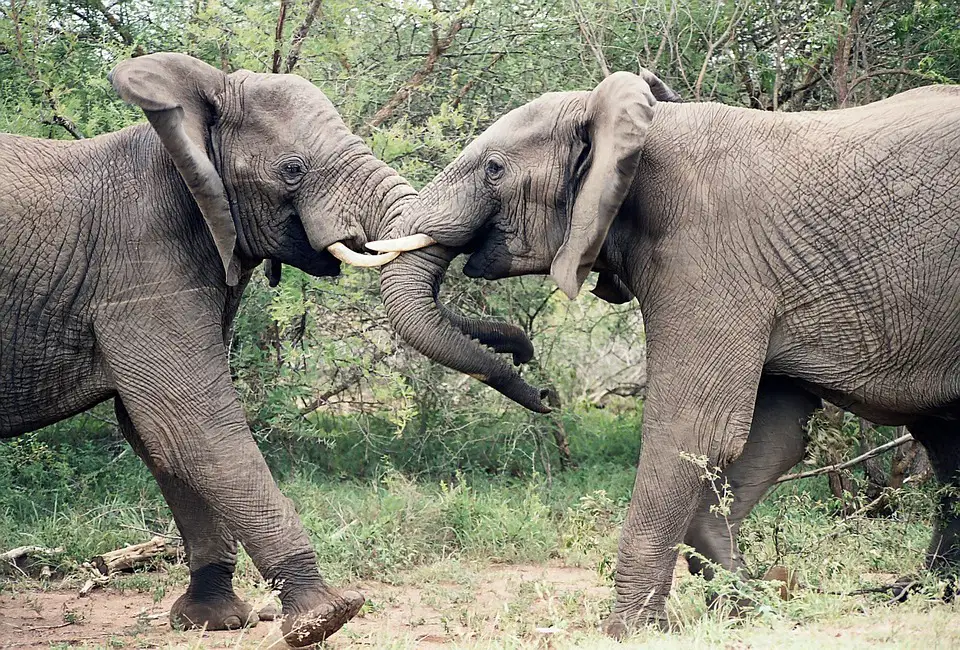
Which of the following is NOT a type of competition?
apparent
interference
exploitation
commensalism
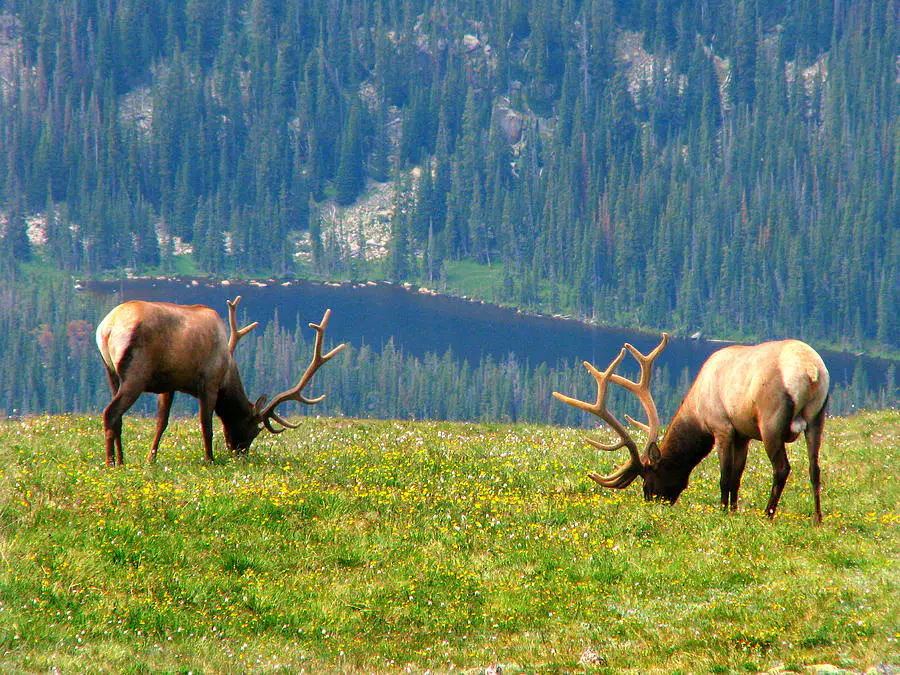
Another term for an herbivore:
autotroph
primary consumer
secondary consumer
detritivore
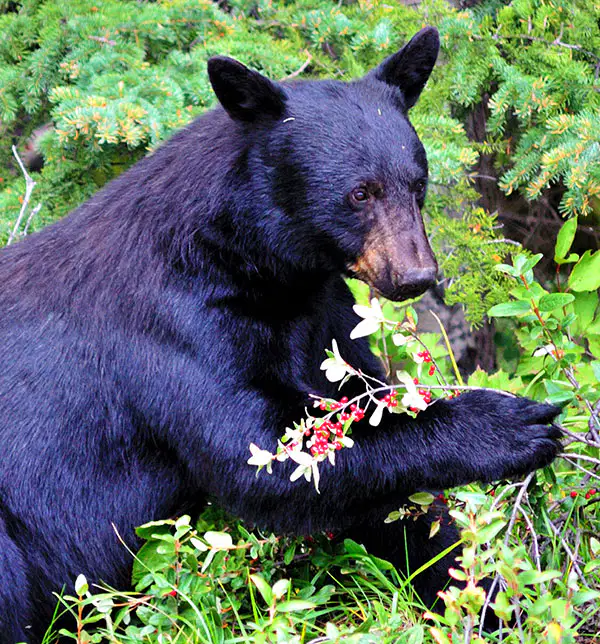
Another term for a consumer:
heterotroph
autotroph
producer
protist
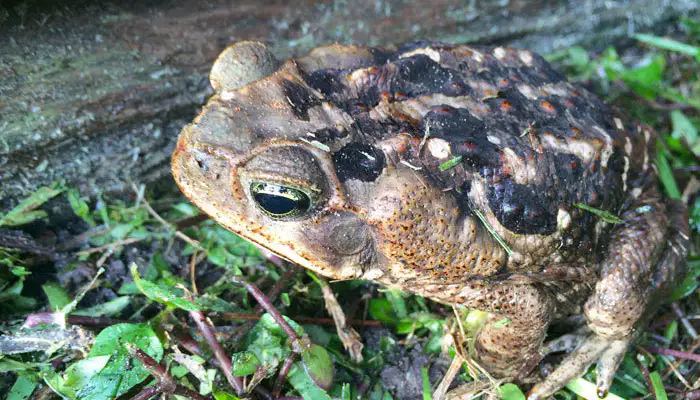
In Florida and Australia, the cane toad (bufo toad) can be called this. Choose all that apply:
native species
nonnative species
invasive species
parasites
Match the following terms to their pictures:

herbivore

parasite

detritivore

decomposer

tertiary consumer
Match the following symbiotic relationships with an example:

mutualism

commensalism

parasitism
Match the following types of competition with an example of the relationship:
Two animals such as a mouse and rabbit that both share the same predator (hawk)
apparent competition
A male gorilla fighting another male gorilla to protect territory and prevent access to mates
interference competion
One individual or species consuming the available food or resources and leaving less for others
exploitation competition

Different species of birds may utilize different parts of the same tree or feed at different times of day. This is an example of:
intraspecific competition
commensalism
resource partitioning
mutualism

Although a species may hypothetically be able to use more space or resources if there were no competition, the ______________ is the actual role they play in the ecosystem:
fundamental niche
realized niche

Volcanic eruptions like Mount St. Helens in 1980 provide a rare opportunity for ecologists to study this natural progression, from a few pioneer species leading to an eventual climax community.
digression
symbiosis
succession
exclusion
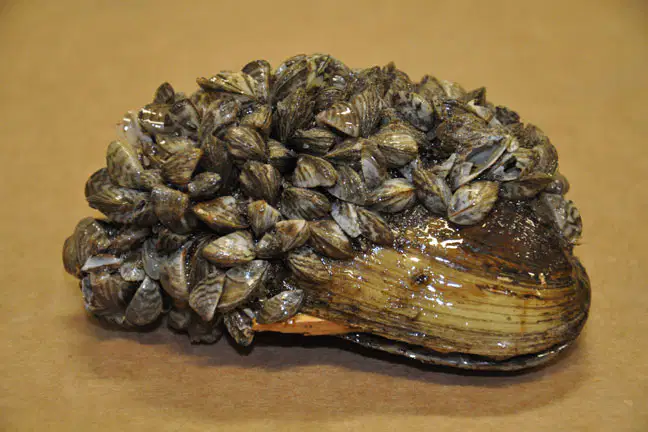
How were the invasive zebra mussels brought over from Eurasia (Caspian & Black Sea) to North America?
They were intentionally brought as a biological control for plankton.
They were exotic pets that were released from fish tanks into the Great Lakes.
They evolved from a native mussel that underwent speciation due to changes in food supply.
They were carried unintentially in the ballast water of ships and attached to boats.
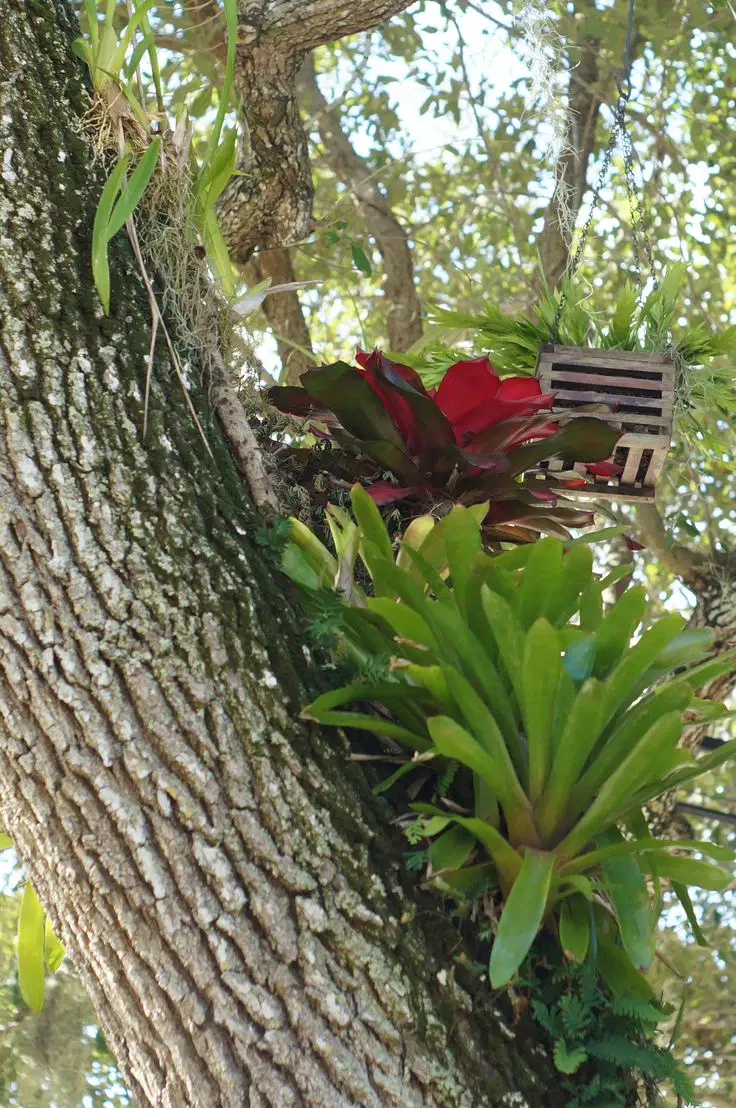
Epiphytes like orchids and bromeliads that live in trees are most likely an example of this:
commensalism
parasitism
mutualism
interference competition

Lower trophic levels generally contain ______ energy, biomass, and individuals.
more
less

What factors may lead a nonnative species to become invasive? Select all that apply.
they lack predators
they can eat a variety of foods
they are generalists
they mature and reproduce quickly
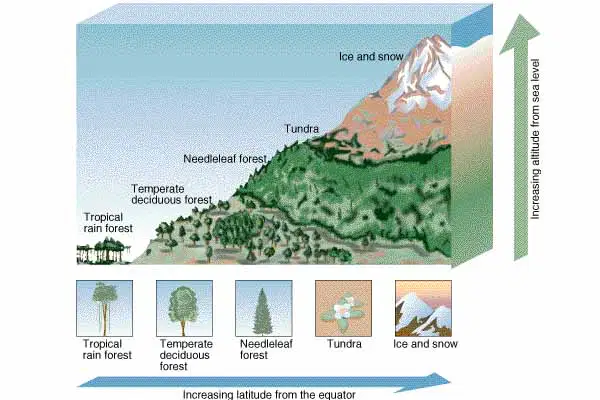
With increasing altitude, ecological communities change in ways similar to changes in _______________.
longitude
latitude
The Pacific Northwest of the United States (Washington and Oregon coast) is known for this climate with heavy rainfall, coniferous trees, and a moist mossy forest floor.
tropical rainforest
temperate rainforest
tropical dry forest
tundra
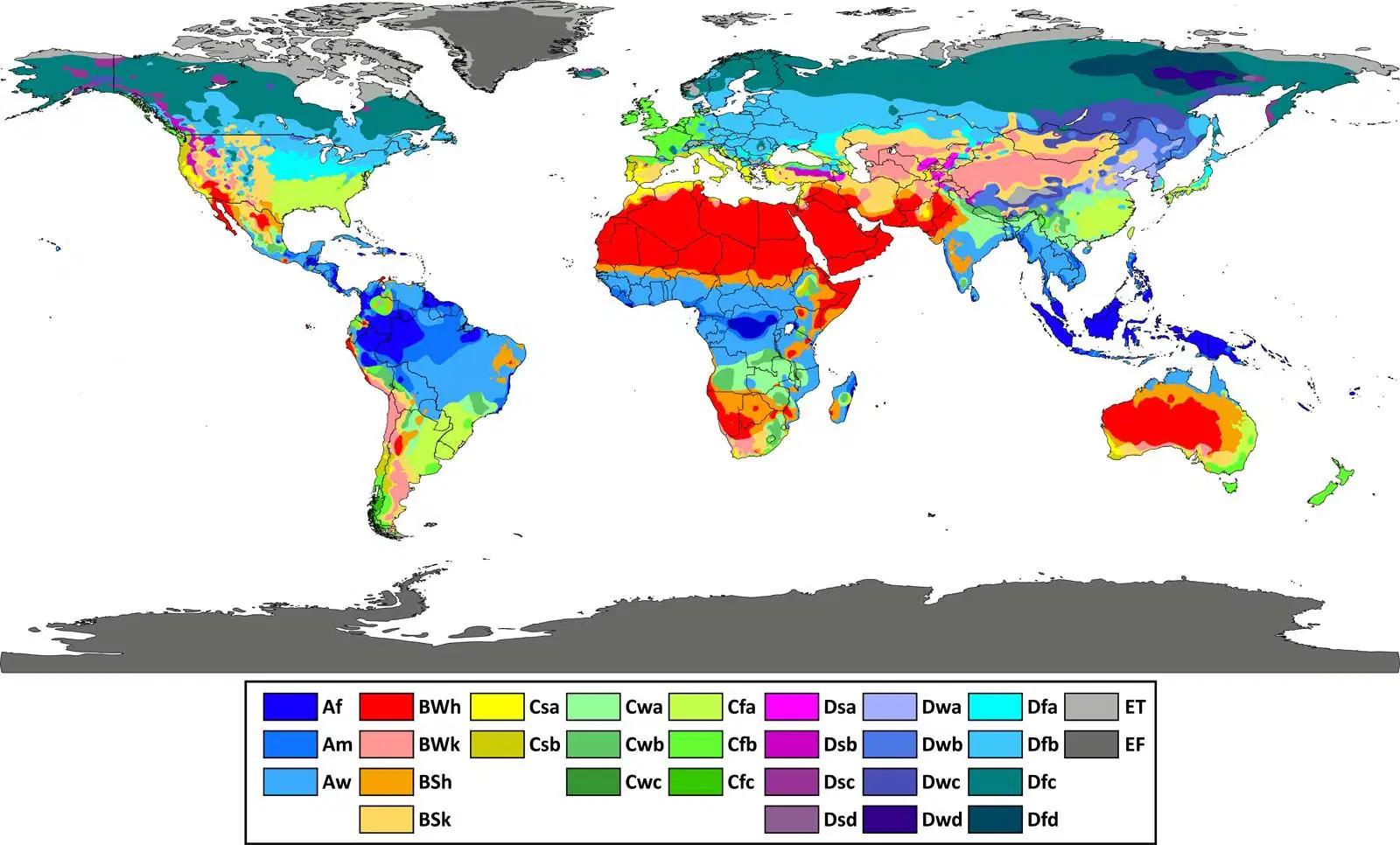
Biomes tend to correlate with:
longitude
latitude

If the sea otter is removed from the coastal Pacific Northwest of the United States, the sea urchin will ________, and this will cause kelp to ________.
increase, increase
decrease, decrease
increase, decrease
decrease, increase
_______ represent major classes of communities, spanning large geographic areas.
Habitats
Niches
Trophic levels
Biomes
Match the following biomes to their pictures:

Tundra

Tropical Rainforest

Temperate Rainforest

Chaparral

Desert

