
 Worksheets
G.8 Science Final Exam II Review
Total questions: 40
Worksheet time: 31mins
Which one is the property of a mineral?
Solid
Crystalline structure
Naturally occuring
All of the above
_____________ is a property used to classify minerals. The mineral is scratched on a white tile plate to determine the color of powder left behind.
Color
Hardness
Luster
Streak
______________ is a property that classifies minerals based on how well they reflect light.
Hardness
Color
Streak
Luster
Which rock is formed from melted rock?
Sedimentary
Igneous
Metamorphic
Which rock is formed from heat and pressure on pre existing rocks?
sedimentary
igneous
metamorphic
Which rock forms pieces of rock that are deposited, compacted and cemented together?
sedimentary
igneous
metamorphic

Alfred Wegener named his single supercontinent ____________, which means "all Earth" in ancient Greek.
Pandora
Gandowandaland
Pangea
Percia


Which of the following is a silicate mineral?
Copper
(Cu)
Calcite
(CaCO3)
Quartz
(SiO2)
Pyrite
(FeS2)
Which layer of the Earth is made of the crust and the upper mantle?
Asthenosphere
Mesosphere
Lithosphere
Crust
Which layer of Earth is mostly made of silicon, oxygen, and aluminum?
inner core
mantle
core
crust
Which layer of Earth do the tectonic plates float on?
LIthosphere
Asthenosphere
Mesosphere
Hydrosphere
Which layer of Earth is the thinnest?
crust
lithosphere
outer core
inner core


Silica
Rock
Lava
Magma

A huge hole that is left behind when a volcano's crater collapses is called a ______
Lava plateau
Caldera
Crater
Fissure
What is the beginning point of an earthquake?
focus
epicenter
tsunami
lithosphere
What is the point on Earth's surface directly above the focus?
tsunami
seismic wave
epicenter
focus
The strength of an earthquake's seismic waves...
epicenter
magnitude
tsunami
focus
Fast-moving waves that occur beneath the surface of the earth are what type of earthquake waves?
love wave
surface waves
P wave
Body waves
True or False:
A seismograph is used to detect, time, and measure the movements of the earth.
True
False
True or False:
The Modified Mercalli scale measures the magnitude of an earthquake's seismic waves and assigns it a number.
True
False
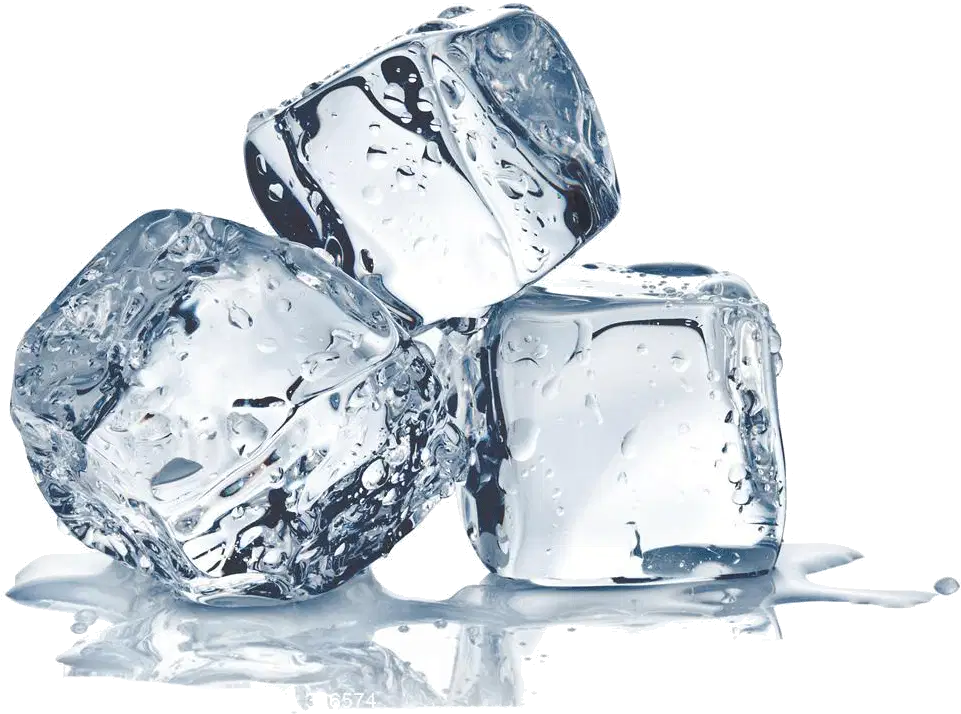
Why is ice considered a mineral, while water is not?
because it's solid.
because it has oxygen in it.
because it's liquid
because it has hydrogen in it.

________is when the soil loses its strength and turns into a liquid state by an earthquake.
Aftershock
Liquefaction
Seismic Gap
Tsunami

How do Folded Mountains form?
Tension breaks the lithosphere into pieces causing some to fall relative to others. .
Magma erupts from the crust.
Magma under the crust pushes the layers upward.
Compression causes layers to be squeezed and pushed upward.

tension
compression
shear stress

Compression
Shear stress
Faulting
Tension


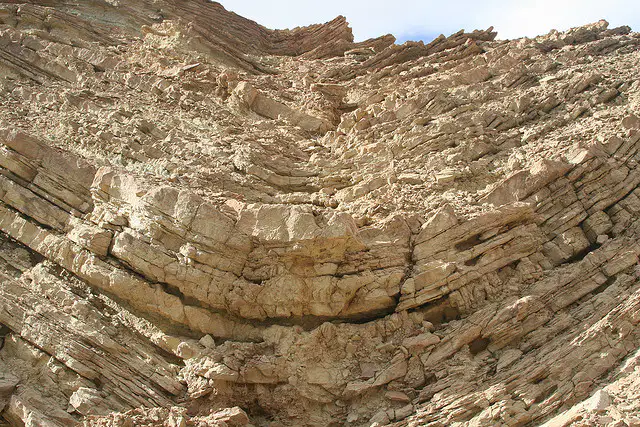
What type of fold is this?
syncline
anticline
reverse fault
normal fault
What type of rock forms from when lava cools on Earth's surface?
intrusive igneous rocks
foliated intrusive rocks
extrusive igneous rocks
non foliated extrusive rocks
In which type of rock does magma cool slowly and forms large crystals?
sedimentary rock
intrusive igneous rock
metamorphic rock
extrusive igneous rocks
Sediments that are compacted and cemented together are called ___________ rocks.
Igneous
Sedimentary
Metamorphic
Chemical
Sedimentary Rock comes in three different types. What are they?
Extrusive
Chemical
Clastic
Foliated
Organic
What are two types of metamorphic rock?
Foliated
Chemical
Non-Foliated
Organic

