wayground logo

Free Printable Worksheets

Font size

S
M
L
XL
Worksheets

C3: Chapter 7 Test

Total questions: 35

Worksheet time: 3hrs 55mins
Name
Class
Date
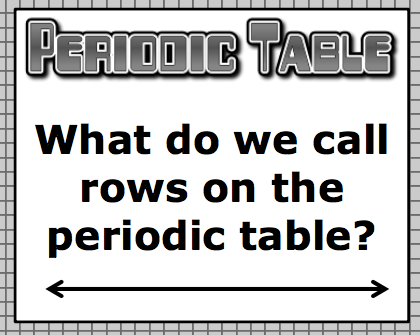
1.
a)
Periods
b)
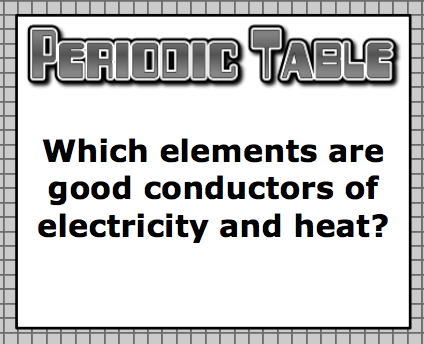
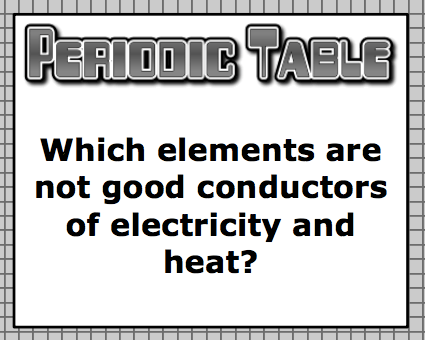
Groups
2.
a)
Periods
b)
Groups
3.
a)
energy levels
b)
valence electrons
c)
protons
d)
neutrons
4.
a)
Same group
b)
Same period
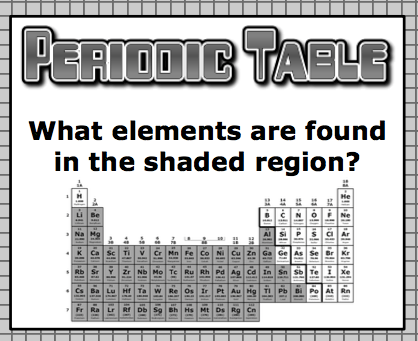
5.
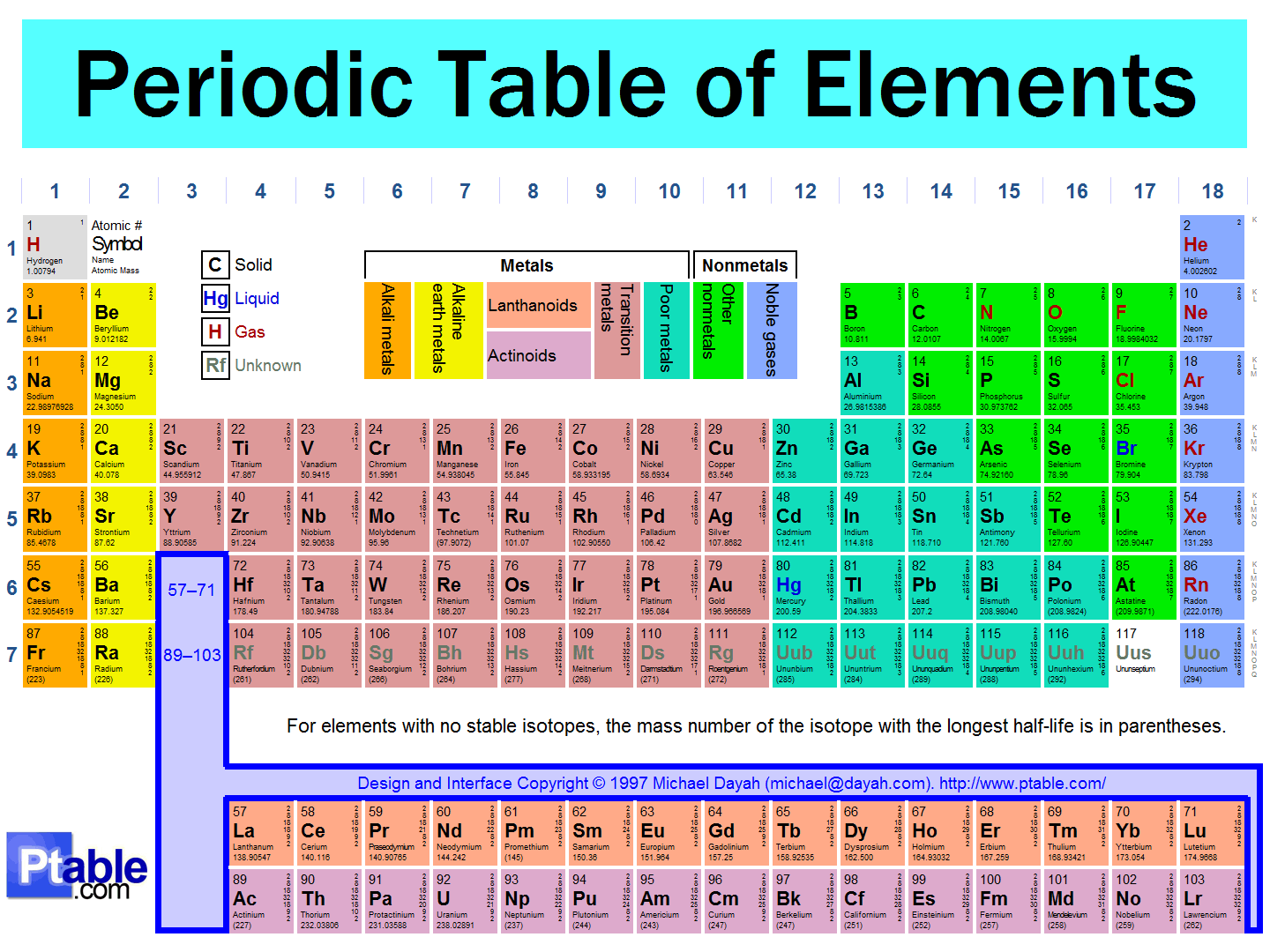
a)
Metals
b)
Nonmetals
c)
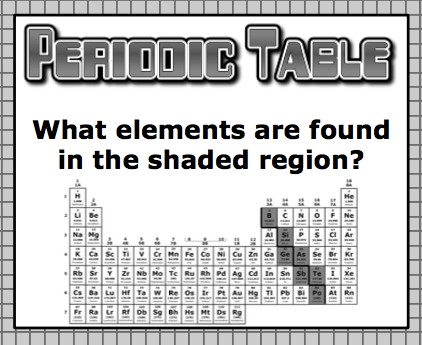
Metalloids
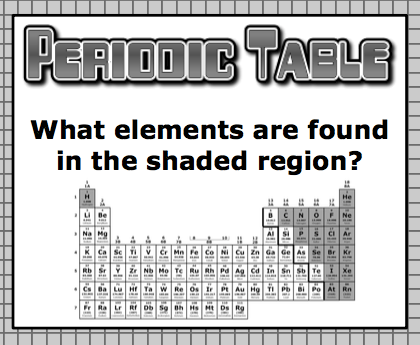
6.
a)
Metals
b)
Nonmetals
c)
Metalloids
7.
a)
Metals
b)
Nonmetals
c)
Metalloids
8.
a)
Metals
b)
Nonmetals
c)
Metalloids
9.
a)
Metals
b)
Nonmetals
c)
Metalloids
10.
a)
Metals
b)
Nonmetals
c)
Metalloids
11.
a)
Metals
b)
Nonmetals
c)
Metalloids
12.
a)
Metals
b)
Nonmetals
c)
Metalloids
13.

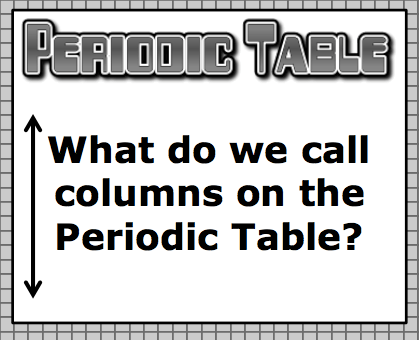
The vertical (up and down) columns in the Periodic Table are called

a)

groups

b)

towers

c)

periods

d)

atomic numbers

14.
The Modern Periodic Table of Elements is arranged by
a)
atomic mass
b)
atomic number
c)
valence electrons
d)
number of isotopes
15.
Which group of the periodic table is composed of inert (not reactive)  gases?
a)
alkali metals
b)
alkaline earth metals
c)
halogens
d)
noble gases
16.
Elements in a ..................have similar chemical properties.  
a)
period
b)
group
c)
row
17.

The letter, C, is a ... of carbon.

a)

Name

b)

Nickname

c)

Chemical Symbol

d)

Pseudonym

18.

Which of the following are physical properties of metal?

a)

Luster

b)

Conductivity

c)

Malleability

d)

Ductility

19.

True or False: The reactivity of metals tends to decrease as you move from left to right across the periodic table.

a)

True

b)

False

20.

Which of the following could be properties of nonmetals?

a)

Poor electrical conductivity

b)

Poor thermal conductivity

c)

Dullness

d)

Brittleness

21.
All of the following would classify an element as a metal except?
a)
Dull
b)
Luster
c)
Malleable
d)
Hard
22.
Iron is a good conductor, malleable and magnetic. What type of element is Iron? 
a)
Metal
b)
Nonmetal
c)
Metalloid
d)
Pretty
23.
A student is given a sample of an unknown substance. He is asked to determine if it is classified as a metal, a metalloid, or a nonmetal. He discovered that the unknown element conducted some heat and electricity, had a shiny luster, and broke easily. This element is most likely a 
a)
metal
b)
nonmetal
c)
metalloid
d)
cannot be determined
24.
All of the following are properties used to classify elements as metals, non-metals, and metalloids EXCEPT —
a)
texture
b)
conductivity
c)
luster
d)
malleability
25.
A student tested the conductivity of four elements using an incomplete electrical circuit. When the element is placed in the circuit, the bulb lights up brightly, lights up dimly, or does not light up at all based on the element’s ability to conduct electricity. The table below shows the results of her investigation. Based on the results of the conductivity test, which element is classified as a metal? 
a)
Hydrogen
b)
Arsenic
c)
Krypton
d)
Copper
26.
Which of the following correctly lists the three main groups of elements from greatest conductivity to least conductivity?
a)
Nonmetals -metalloids-metals
b)
metals-nonmetals-metalloids
c)
metalloids-metals-nonmetals
d)
metals-metalloids-nonmetals
27.
The word “luster” refers to which property of matter?
a)
The ability to conduct electrical or thermal energy
b)
Capable of being drawn out into thin wires
c)
The way a surface appears when it reflects light
d)
Suitable for being shaped by beating or rolling
28.
John was observing the physical properties of elements in order to classify them as either a metal, nonmetal, or metalloid. The first element was dull, brittle, and did not conduct heat. What would its classification be? 
a)
metal 
b)
nonmetal 
c)
metalloid
29.
If a material can easily be drawn into the shape of a wire, it is
a)
Ductile
b)
Magnetic
c)
Malleable
d)
Reactive
30.
Metalloids _____________
a)
have no properties of metals.
b)
have no properties of nonmetals.
c)
have some properties of both metals and nonmetals.
d)
none of the above
31.
What is a conductor?
a)
Heat and electricity move through them easily
b)
able to be drawn into a wire
c)
able to be hammered into different shapes
d)
shiny
32.

The property of metals by which they can be beaten in to thin sheets is called

a)

Sonority

b)

Malleability

c)

Ductility

d)

None of the above

33.

Metals are harder than non-metals.

a)

True

b)

False

34.

Which of the following statements is incorrect?

a)

Metals have lustre

b)

Metals are malleable

c)

Metals are good conductors of electricity

d)

Metals are poor conductors of heat

35.

Which of the following metals corrodes easily?

a)

Gold

b)

Silver

c)

Nickel

d)

Iron