
 Worksheets
Cell Theory/Organelles
Total questions: 19
Worksheet time: 17mins

What is the structure that contains DNA and directs the cell?
endoplasmic reticulum
central vacuole
cell wall
nucleus
Which organelle is known as the "powerhouse" of the cell because it converts energy in food molecules to energy the cell can use to carry out its functions?
Mitochondria
Chloroplasts
Lysosomes
Vacuoles
Cell membranes are found in
Only animal cells
Only plant cells
Both plant and animal cells
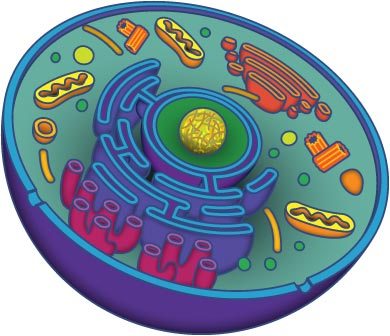
All living things are made up of...
cells
tissues
organ
organ systems
What is the basic structural and functional unit of all living things?
atom
cell
bacteria
animalcules
All cells -----
come from other dead cells
come from other living cells
crystallize out of the air
Cell theory states that...
cells are the basic building block of life
cells are cool
cells are microscopic
cells cannot be destroyed
Cell theory also states that...
bacteria are eukaryotic cells
animals are prokaryotic cells
cells come from other cells (cell division or splitting apart)
cells are awesome!
Lastly cell theory states....
cells don't do much
cells are microscopic
all living things are made up of cells (either unicellular or multicellular)
bacteria aren't cells

A thin flat piece of glass used to hold objects for examination is called a ___
sheet
slide
cover slip
objective


These are used to hold the slide in place:
rotating nosepiece
objective lenses
stage clips
adjustment knobs
When is it okay to go to a higher magnification and use the fine focus?
First thing when you get the slide.
After you have located the cell using lower magnification and coarse focus.
When you are done looking at the slide.

