
Font size
 Worksheets
50 QUESTIONS & ANSWERS
Total questions: 50
Worksheet time: 54mins
Starch is a _.
carbohydrate
fat
protein
vitamin

Which nutrient is considered the primary source of energy?
Carbohydrates
Fats
Proteins
Vitamins

The characteristic by which organisms are able to detect and respond to changes in their environment.
Excretion
Growth
Reproduction
Sensitivity

The characteristic by which living organisms get rid of toxic and unwanted substances.
Excretion
Growth
Reproduction
Sensitivity

The characteristic by which all types of organism are able to produce new organisms like themselves.
Growth
Reproduction
Respiration
Sensitivity
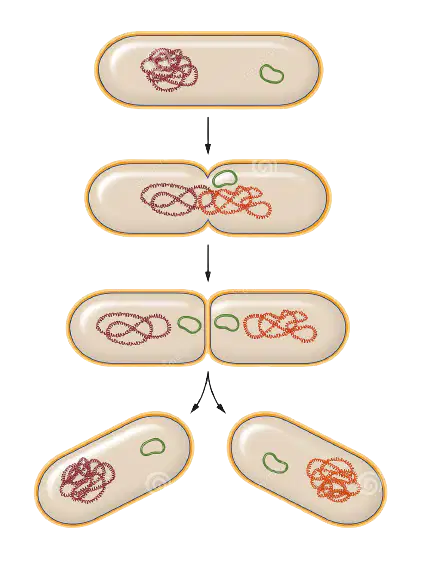
The type of reproduction that involves one parent only.
Asexual reproduction
Sexual reproduction

The gas that all living organisms produce during respiration and plant use in photosynthesis.
Carbon dioxide
Hydrogen
Nitrogen
Oxygen

The gas that plants produce and we use in respiration.
Carbon dioxide
Hydrogen
Nitrogen
Oxygen
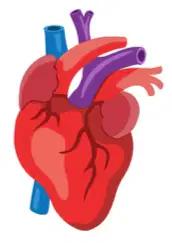
The heart is an example of this level of organization.
Cell
Tissue
Organ
Organ system
The thick layer on the outside of a plant cell.
Cell membrane
Cell wall
Cytoplasm
Nucleus
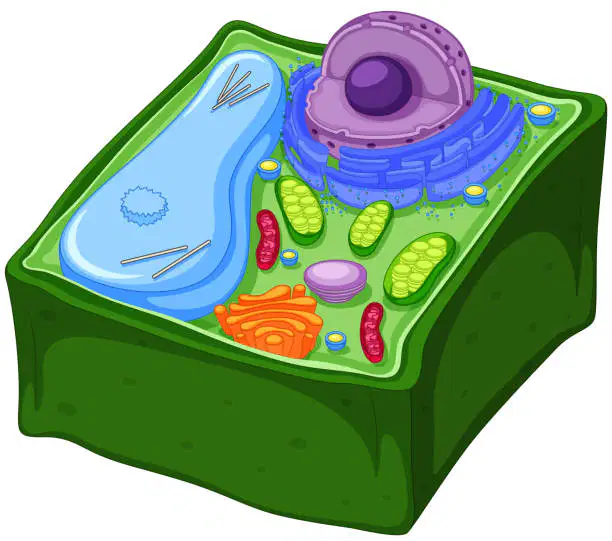
The thin layer between the cell wall of plant cells and their cytoplasm.
Cell membrane
Cell wall
Cytoplasm
Mitochondria

The clear jelly that fills most of a cell.
Cell membrane
Cell sap
Chlorophyll
Cytoplasm

Substance that fill chloroplasts.
Cell membrane
Cell sap
Chlorophyll
Cytoplasm
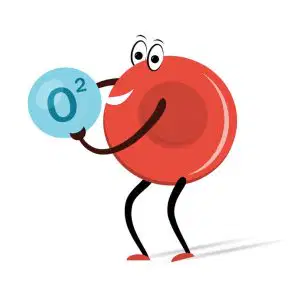
Substance in red blood cells that helps them to carry oxygen.
Cell sap
Chlorophyll
Cytoplasm
Haemoglobin

The specialized cells that carries electrical signals around the body.
Nerve cells
Muscle cells
Stem cells
White blood cells
The blood cells with no nuclei.
Plasma
Platelets
Red blood cells
White blood cells

A tissue found in animals but not in plants, which helps to sweep mucus up from the lungs.
Ciliated epithelial tissue
Epidermis tissue
Fat tissue
Nervous tissue
The sticky, gelatinous material that lines the respiratory tracts which traps bacteria and dust.
(a)
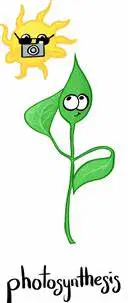
The gas needed for photosynthesis is carbon dioxide.
True
False
Plants provide animals with both food and oxygen.
True
False
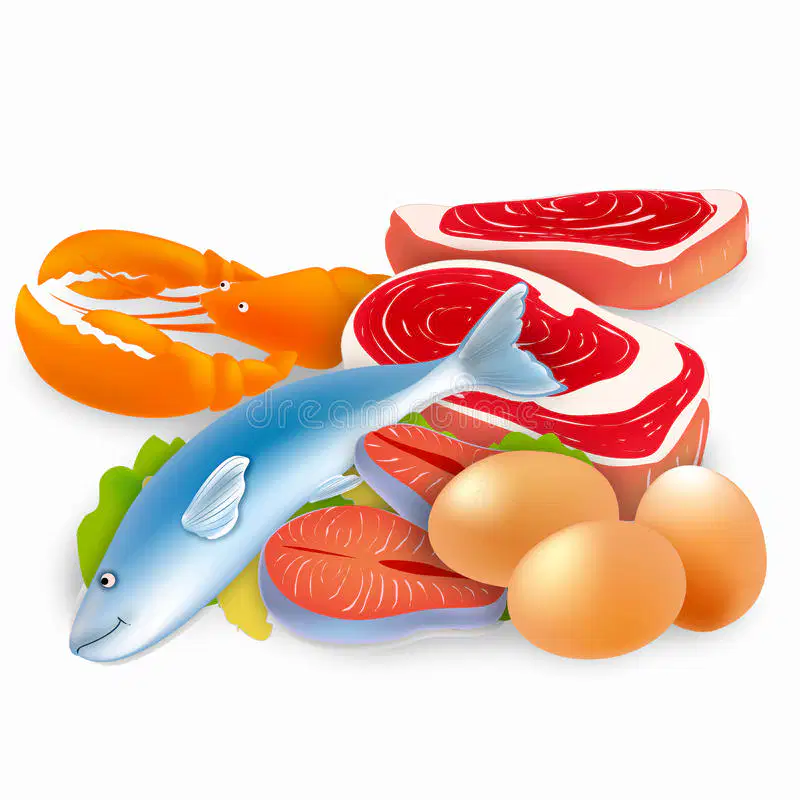
The main nutrient which milk, meat, egg and chicken are rich in.
Carbohydrates
Fats
Proteins
Vitamins

The young of this group of vertebrates live in water but their adults live on land.
Amphibians
Birds
Fish
Mammals
Reptiles

The organ that fish and amphibian tadpoles use for breathing.
(a)
The group of vertebrates to which humans belong.
Amphibians
Birds
Fish
Mammals
Reptiles

The only group of vertebrates that feed their offspring on milk.
Amphibians
Birds
Fish
Mammals
Reptiles
The two groups of vertebrates that lay eggs on land.
Amphibians
Birds
Fish
Mammals
Reptiles
The name given to all animals with no backbone.
(a)
The group of arthropods with six jointed legs.
Arachnids
Crustaceans
Insects
Myriapods
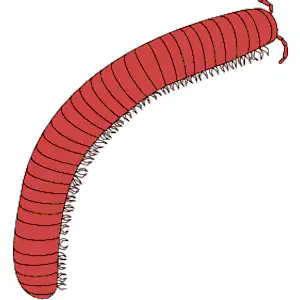
The group of arthropods with multiple body segments and one or two pairs of jointed legs emerging from each segment.
Arachnids
Crustaceans
Insects
Myriapods
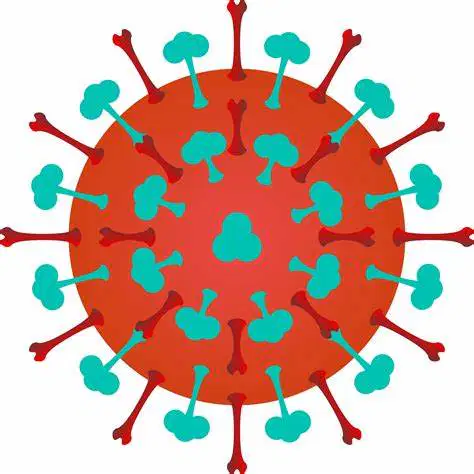
The microorganisms that carry no characteristic of life but can only replicate inside targeted cells.
(a)

Animals that feed upon meats of animals only.
Carnivores
Herbivores
Omnivores
Animals that feed upon plants only.
Carnivores
Herbivores
Omnivores

Interconnecting food chains are food _.
(a)
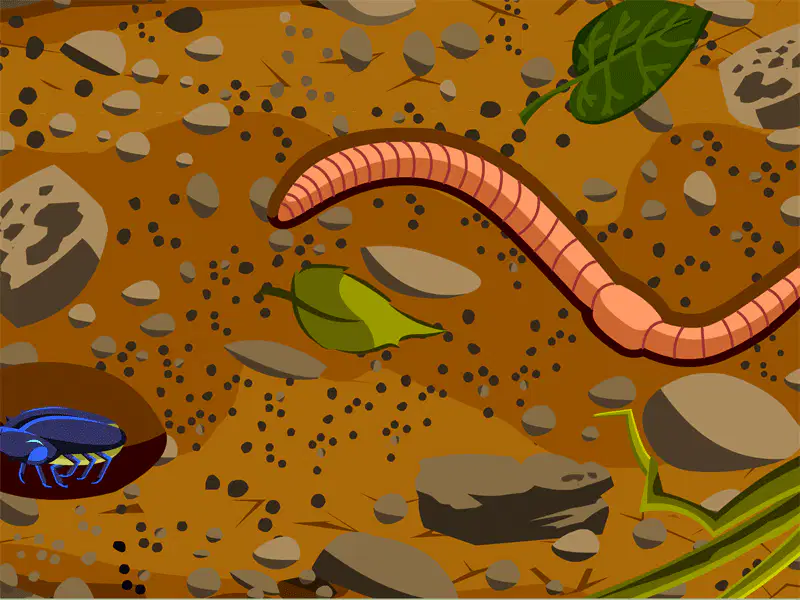
Organisms that break down the bodies of dead living organisms.
(a)
The place where an organism lives.
(a)
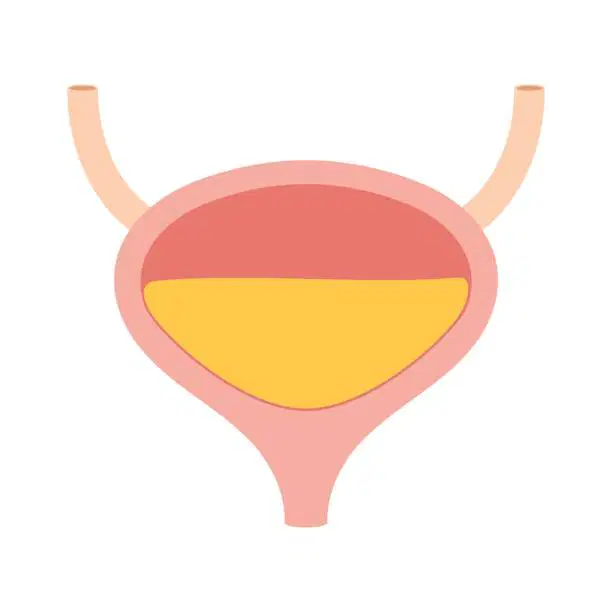
The organ that stores urine until it is expelled outside the body.
Kidney
Rectum
Urethra
Urinary bladder

The type of respiration that needs oxygen.
Aerobic respiration
Anaerobic respiration
The type of respiration that take place in absence of oxygen.
Aerobic respiration
Anaerobic respiration
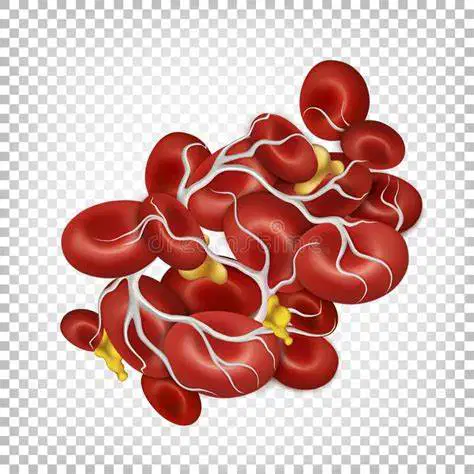
The blood component that helps blood to clot.
Plasma
Platelets
Red blood cells
White blood cells
The liquid part of blood.
Plasma
Platelets
Red blood cells
White blood cells
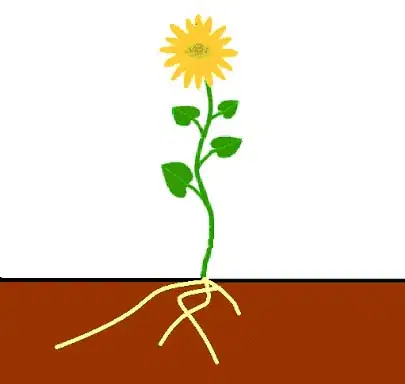
The organ that absorbs water and minerals from the soil in plants.
Flower
Leaf
Root
Stem
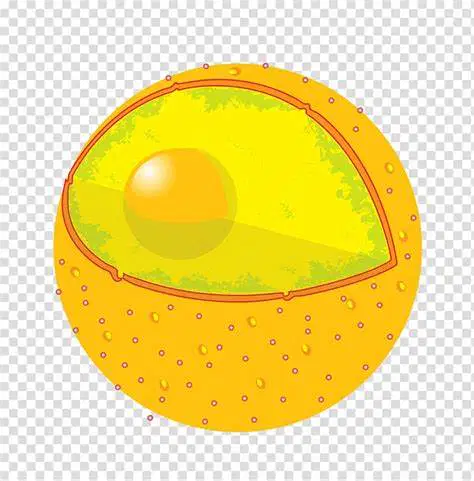
All cells have nuclei.
True
False
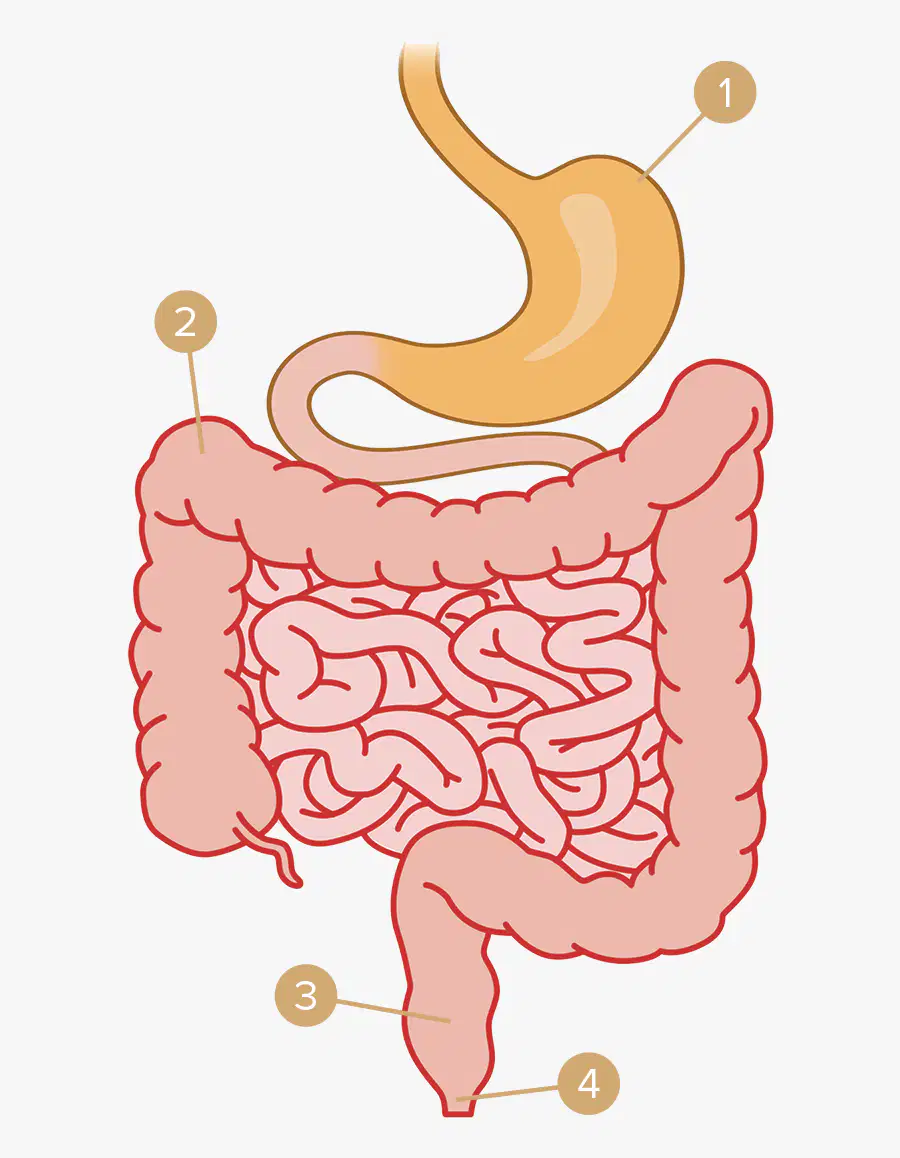
The main aim of digestion is to break down complex food particles into small soluble molecules which could be absorbed and which the body can make use of.
True
False

The food group that is needed for both building tissues, growth and repair.
Carbohydrates
Fats
Proteins
Vitamins

The specialized animal cell that defends the body against harmful microorganisms.
Muscle cell
Neuron
Red blood cell
White blood cell
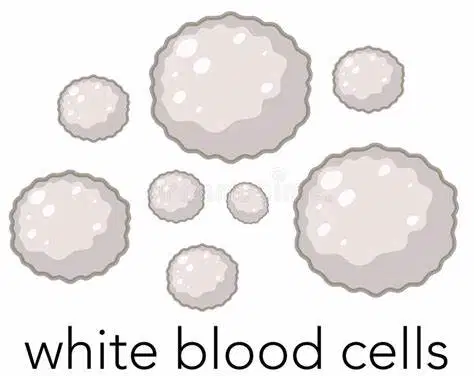
White blood cells have no nuclei.
True
False
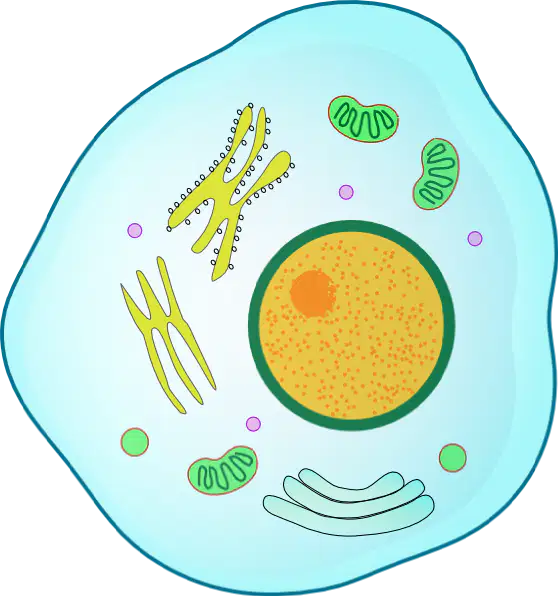
Which of the following is NOT true?
all cells come from existing cells
all cells have a nucleus
all living things are made of cells
cells are the basic unit of structure and function in living things
atom
cell
molecule
tissue
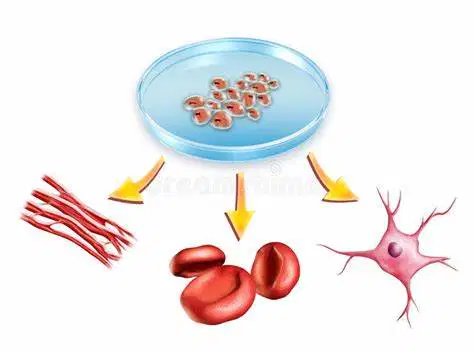
Cells from which all other specialized cells are generated are known as _ cells.
(a)
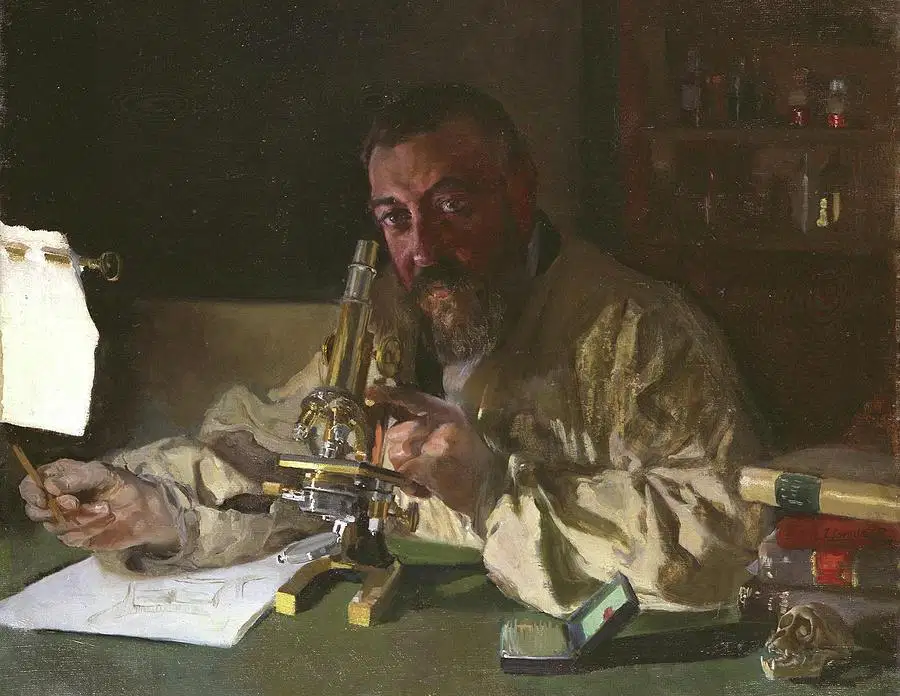
What name is given to the tool that is used to view microorganisms and cells?
(a)

