
 Worksheets
Nerves pre work quiz
Total questions: 22
Worksheet time: 11mins
Which of these are types of effectors?
Muscles
Organs
Glands
Receptors
Which of these is the correct pathway for the reflex arc?
Stimulus-receptor-effector-coordinator-response
Stimulus-effector-coordinator-receptor-response
Stimulus-receptor-coordinator-effector-response
Stimulus-receptor-coordinator-response-effector
Why are reflexes important?
They are rapid
They don't involve the conscious part of the brain
They are voluntary
They are involuntary
They cause harm
Why is transmission across a synapse slower than along a neurone?
It occurs using a chemical so needs to diffuse across
It occurs using a chemical so needs to move by osmosis
The nerve cell is insulated so it moves faster
There are many dendrites to pick up lots of impulses from other neurones
One question involves the CNS. What is the full name of the other region of the nervous system.
Peripheral nervous system
Passive nervous system
Partial nervous system
Perineal nervous system

Look at the reflex arc shown in the diagram. Which neurone is marked by the letter X?
Sensory neurone
Motor neurone
Relay neurone
Look at the reflex arc shown in the diagram. Which neurone is marked by the letter Y?
Sensory neurone
Motor neurone
Relay neurone
Which type of neurone transmits a signal from a sense organ to the central nervous system?
Sensory
Relay
Motor
Nina
Which type of neurone transmits a signal from the central nervous system to an effector such as a muscle?
Sensory
Relay
Motor
Nina
Which part of the nervous system is not involved in producing reflex actions?
Brain
Spinal cord
Receptors
Sensory neurone
What is the eye an example of?
A stimulus
A sense organ
A relay neurone
A sensory neurone
Name the three different types of neurones:
sensory, generalised and motor neurones
Sensory, relay and motor neurones
Sensory, relay and effector neurones
Where are the sound receptors located?
Eye
Ear
Mouth
Nose
Where are the light receptors located?
Eye
Ear
Mouth
Nose
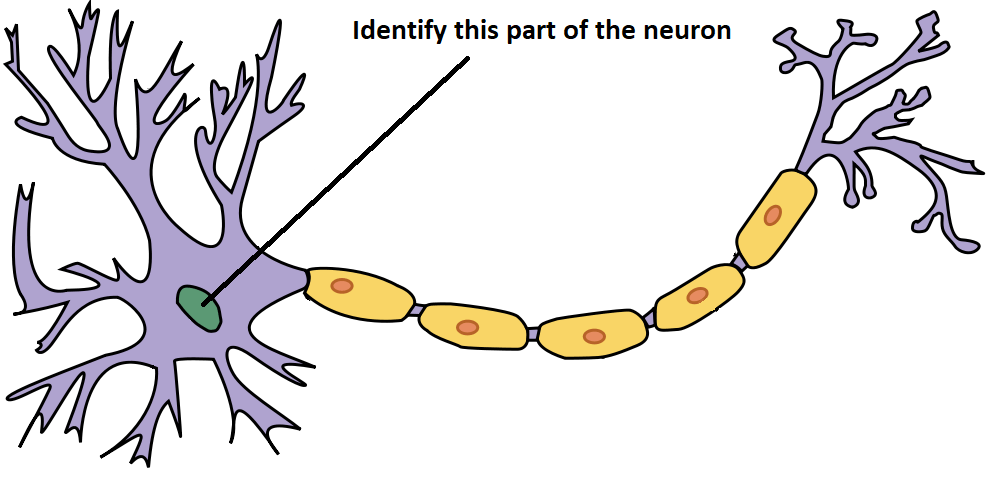
Nucleus
Cell Body
Axon
Node of Ranvier
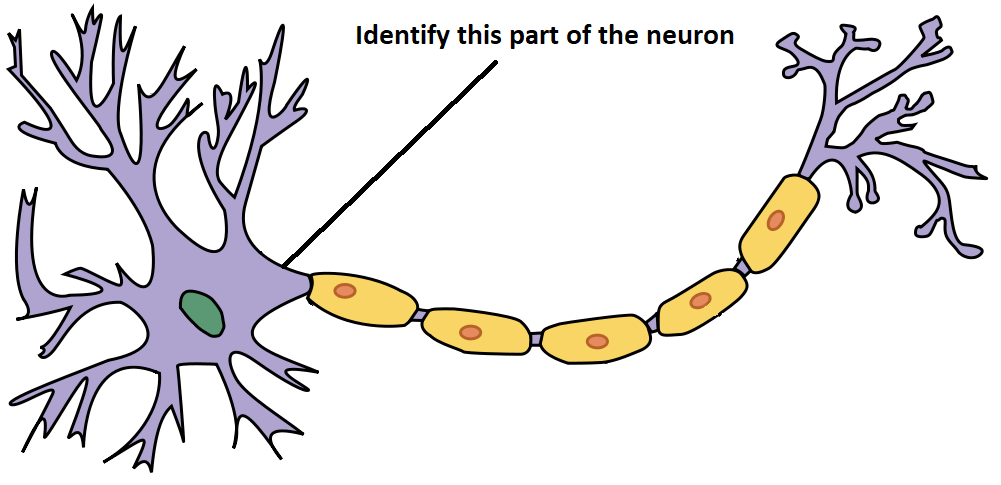
Nucleus
Cell Body
Axon
Node of Ranvier
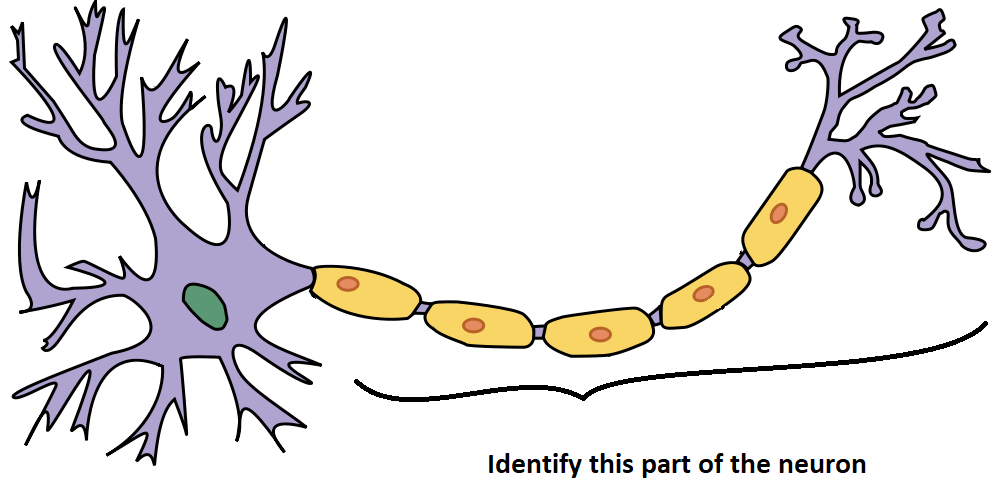
Nucleus
Cell Body
Axon
Node of Ranvier
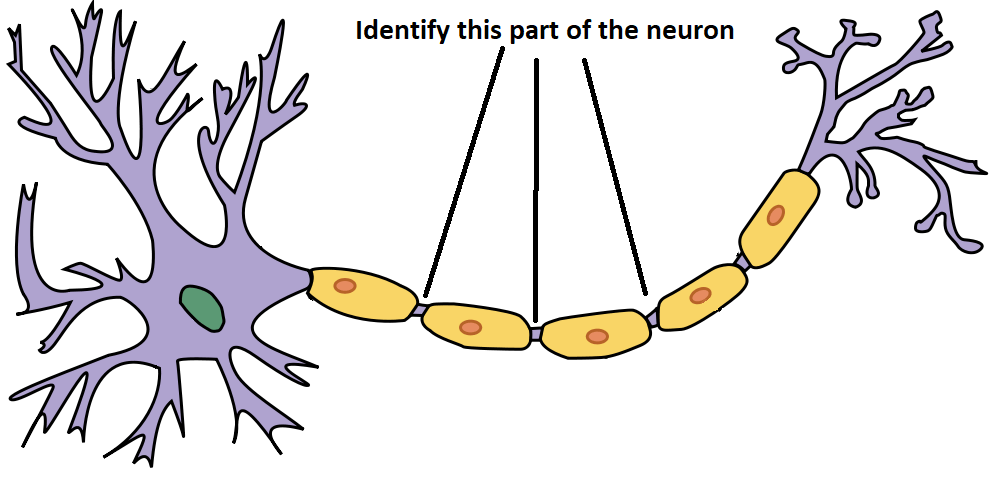
Nucleus
Cell Body
Axon
Nodes of Ranvier
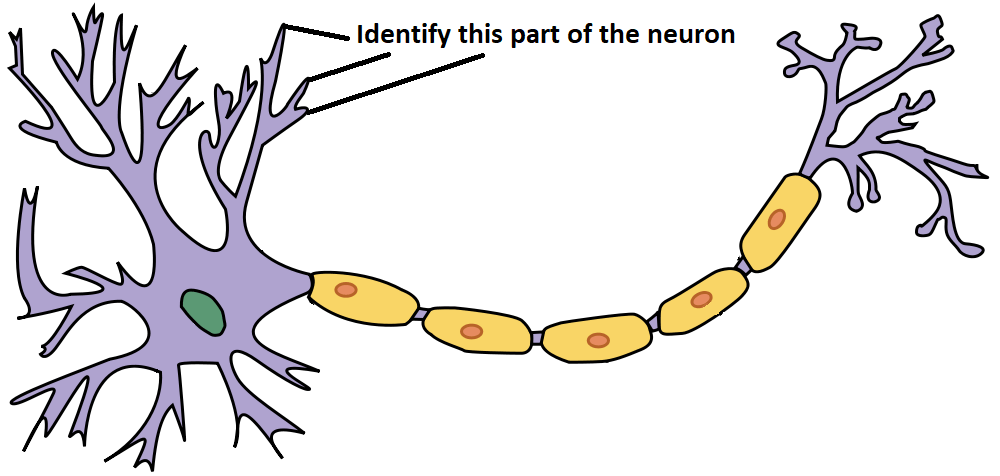
Dendrites
Axon Terminals
Myelin Sheath
Schwann Cells
What direction foes the electrical signal travel through the neurone?
From dendrites, down the Axon, and out Axon terminals
From Axon terminals, down the Axon, & out of the dendrites
Any direction up or down the cell
From the Axon, to the Dendrites, and out the Axon terminals
What is the role of the myelin sheath?
Controls the actions of the neurone
Produces food for the neurone
Carries information from the cell body to other neurones
Surrounds and insulates the axon
What do Dendrites do?
Intakes information from other neurones
Produces fatty tissue for the Myelin Sheath
Sends information to the next cell
Controls the speed of electrical signal through the axon

