
 Worksheets
Events from 1789-1815 Part 2
Total questions: 77
Worksheet time: 38mins
4th president of the United States who helped write the US Constitution and led the country during the War of 1812
James Madison
James Monroe
Thomas Jefferson
John Quincy Adams
Who did the United States go to war with in the War of 1812?
Great Britain
France
Spain
Canada
The name of our national anthem is
Oh say can you see
The Star Spangled Banner
Yankee Doodle
America
The War between the US and Great Britain in the 1800s was called the
War of 1814
American Revolution
War of 1812
Independence War
The name of the French Emperor who wanted to conquer the world was
King George
George Washington
Napoleon
The British kidnapped Americans on ships because
they wanted slaves
they had no sailors left and needed more
they were trying to take them back to England
The author of the Star Spangled Banner was
Samuel Francis Smith
Abraham Lincoln
Francis Scott Key
Dr. Beanes
The fort that was where the battle took place that Key wrote about in the Star Spangled Banner was
Fort Benning
Fort McHenry
Fort Detroit
Fort Laurens
The flag from the fort still exists.
true
false
Key wrote another poem earlier and it was set to the same tune as the Star Spangled Banner.
true
false
The Star Spangled Banner was designated as the national anthem in 1931 by which president?
Franklin D. Roosevelt
Abraham Lincoln
Herbert Hoover
George Washington
There poem is longer than the song that we sing of the Star Spangled Banner.
true
false

Saint-Domingue (Haiti) was a colony of what country?
Spain
France
England
Portugal
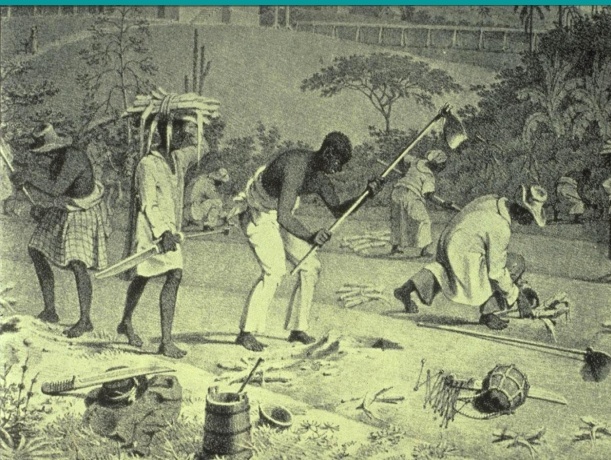
The number of enslaved Africans on Haiti was about ________ people, whereas the white/European population was about 30,000.
2,000
150
500,000
30,0000
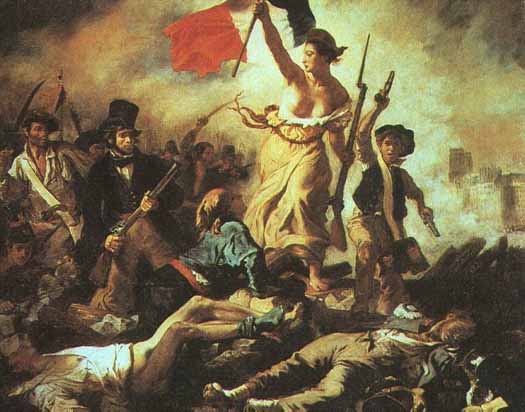
The Haitian Revolution was influenced mainly by which revolution?
French
American (United States)
Mexican
Columbian

What was different about the social class structure of France and Latin America?
Latin America gave too much power and wealth to too few
Latin America was based on the race & where people were born
Latin America gave too little power & the wealthiest people
Latin America was carefully balanced creating peace

How were the Haitian, Mexican, and South American revolutions influenced by the Enlightenment?
They wanted to support the theory of divine right of kings.
They wanted to protect the class systems already in place.
They wanted to base government ideas on religious beliefs.
They wanted to gain equality and liberty in their nations.

Who led the successful slave revolt on the island of Haiti in beginning in 1791 ending in 1804?
Toussaint L’Overture
Jose de San Martin
Father Miguel Hidalgo
Simon Bolivar

How did Napoleon accidentally aid the creoles in their quest for independence in Latin America?
Napoleon's wars had weakened European colonial powers
Napoleon was against slavery
Napoleon sent military aid to help colonies in South America
Napoleon sank the Spanish fleet to aid the rebels

Why was the Haitian Revolution led by Touissaint Louverture so important? [7-3.3]
It returned all power to the king of France.
It allowed France to gain more foreign land.
It gave freedom to all slaves in Latin America.
It was the first Latin American colony to revolt.
From which country did Haiti gain its independence?
France
England
Spain
The United States
What was the major crop produced in Haiti?
Maize (corn)
Wheat
Sugar
Coffee
Sugar plantations were introduced to Haiti in 1700, which _____ greedy Europeans' desire to enslave Africans for cheap labor.
Increased
Decreased
Demand was unchanged
All of the above
The French Revolution battle cry Liberty, Equality, and Fraternity inspired the Haitian slaves to revolt in ___.
1776
1876
1791
1804
When a system, practice, or institution is officially stopped
abolition
colonization
sovereignty
vodou
What is the meaning of ABOLITION
When a system, practice, or institution is officially stopped
The act of establishing control over the native people of an area
Formerly enslaved Haitian general and leader of the Haitiain Revolution, know for his military and strategic brilliance
maroons
affranchi
Saint-Domingue
Toussaint L'Overture
Who was Toussaint L'Overature?
The group of wealthy free people of color that lived in Saint-Domingue
Formerly enslaved Haitian general and leader of the Haitiain Revolution, know for his military and strategic brilliance
the act of taking control of an area or a country that is not your own, especially using force, and sending people from your own country to live there
Code Noir (Black Code)
Vodou
colonization
sovereignty
Which description below fits with COLONIZATION?
A set of laws passed by the French King that defined slavery in the French empire.
The act of establishing control over the native people of an area
Fugitive slaves who ran into the mountains to evade capture
Toussaint L’Ouverture
Code Noir
Affranchis
maroons
Who were the MAROONS?
Wealthy free people of color living in Saint-Domingue who wanted to end racial discrimination against them
Fugitive slaves who ran into the mountains to evade capture
A religion developed by the enslaved African people of Saint-Domingue in the 1700's and practiced in Haiti
colonization
Vodou
affranchi
Sovereignty
What is Vodou?
A type of religion that many people in Haiti practiced
French colony located on island of Hispaniola that was the most profitable colony in the world
A set of laws passed by the French King that defined slavery in the French empire. It allowed brutal punishments and strict rules for enslaved people.
Maroons
Toussaint L'Overture
colonization
Code Noir (Black Code)
What was the Code Noir?
It allowed brutal punishments and strict rules for enslaved people in Saint-Domingue and other French colonies.
The authority of a state to govern itself or another state
Wealthy free people of color living in Saint-Domingue who wanted to end racial discrimination against them
Hispaniola
Maroons
abolition
affranchis
Who were the affranchis?
The native people who lived on Hispaniola before the Europeans arrived
Wealthy free people of color living in Saint-Domingue who wanted to end racial discrimination against them
French colony located on island of Hispaniola that was the most profitable colony in the world
Saint-Domingue
Santo Domingo
Caribbean
France
What was Saint-Domingue?
Island territory in the Caribbean region which is home to Haiti and the Dominican Republic today
French colony located on island of Hispaniola that was the most profitable colony in the world
Island territory in the Caribbean region which is home to Haiti and the Dominican Republic today
colonization
Hispaniola
Taino
sovereignty
What is Hispaniola?
Fugitive slaves who ran into the mountains to evade capture
Island territory in the Caribbean region which is home to Haiti and the Dominican Republic today
The authority of a state to govern itself or another state
sovereignty
colonization
abolition
Code Noir
What does the term Sovereignty mean?
The authority of a state to govern itself or another state
The act of establishing control over the native people of an area
clergy
The Second Estate was made up of the these people.
clergy
common people
priests
nobles



