
Font size
 Worksheets
SCIENCE QUE Y5 REVISION
Total questions: 70
Worksheet time: 2hrs 47mins
Igneous rocks are formed from
magma and lava cooling off
other rocks being changed by temperature and pressure
pieces of rock and other solids getting cemented together over time
other rocks breaking

This rock will often have straight bands of different materials that press together over time.
Igneous
Sedimentary
Metamorphic
A process in which something changes completely is
Deposition
Weathering
Erosion
Metamorphosis

Two ways to describe types of igneous rocks are _____
Extrusive and Intrusive
Foliated and Non-Foliated
Clastic and Biochemical
Black and Gray
A student wants to find out which type of soil holds the most water. He uses four identical pots with holes in the bottom. He fills each pot with a different type of soil and waters the pots with the same amount of water. How can he find out how much water stays in the soil in each pot?
By planting seeds and measuring plant growth in each pot
By measuring the amount of water that drains from each pot
By observing which soil looks wettest after the water has been added to the pots
By feeling the soil before and after adding water to each pot.


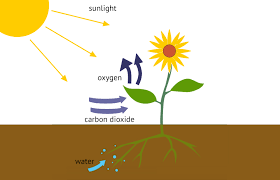
What is the process when plants turn light into energy?
Cycle
Photosynthesis
Transpiration
Germination

Which of these is a correct food chain?
Corn-Rat-Owl
Lion-Owl-Carrot
Lion-Ant-Human
Potato-Carrot-Human
Bears eat berries and salmon. Bears are ...
producers
carnivores
omnivores

Which rocks are made by heat and pressure?
IGNEOUS
SEDIMENTARY
METAMORPHIC

The hot liquid inside the Earth is called ...
CRUST
BEDROCK
MAGMA
VOLCANO

How are rocks classified?
Based on the way they are formed
Based on their colors
Based on their temperature
Based on their size

A ____________________ shows the competition in food chains
Environment
Food Web
Ecosystems
An organism that breaks down dead plant and animal material into simple chemicals is called...
omnivore
decomposer
herbivore

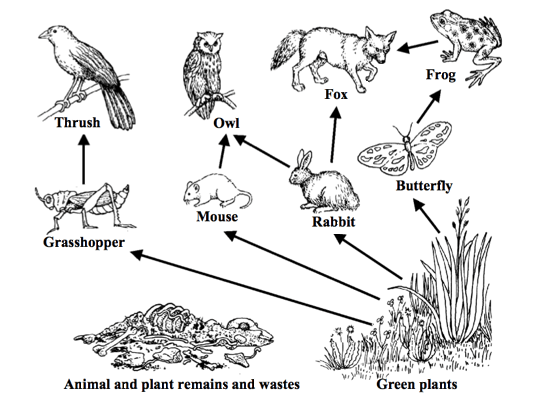

What would cause a decrease in the rabbit population?
An increase in grass growing
A decrease in caterpillars
An increase in owls
An increase in foxes


Examples of decomposers are...

Q.
An organism that lives by breaking apart dead animal and plants into simpler parts is...

The primary consumer in this food chain is the ____________
A type of rock that forms from the cooling of molten rock at or below the surface of the earth
Igneous rock that forms when magma hardens beneath Earth's surface
An igneous rock that is formed from lava is called an
The process by which running water, wind, or ice carry away bits of broken-up rock

Name this rock

Which of the following correctly completes the Sedimentary Rock Cycle?
A = Compaction, B = Erosion, C = Cementation
A = Erosion, B = Compaction, C = Cementation
A = Cementation, B = Compaction, C = Erosion
A = Erosion, B = Cementation, C = Compaction
There are __________ main categories of metamorphic rock: Name them.
What are plants called in a food chain?
Which soil type would create muddy water in a stream?
.
What are the properties of clay?
Write out the correct ones.
(smooth, gritty, gray, holds water)
.
A student pours 50 mL of water over a soil sample, and 32 mL of the water drains into a cylinder. How much water was retained?
What is missing from this food chain? Grass > Grasshopper > Bird > Snake
answer choices
(Producer, Primary Consumer, Secondary Consumer, Decomposer)


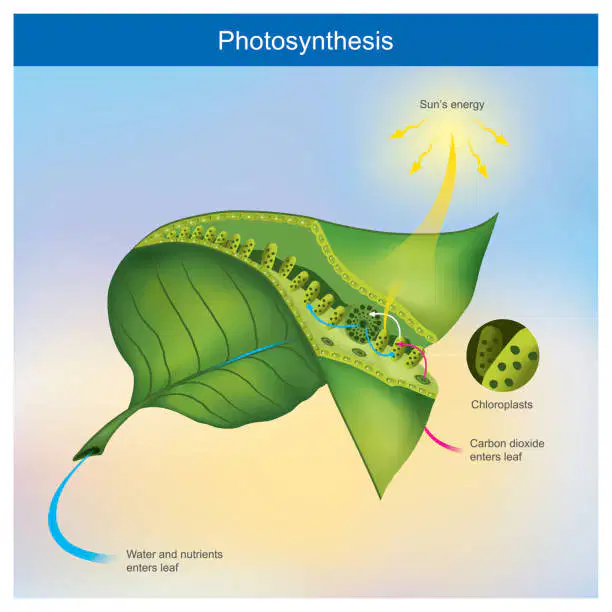
The green pigment found in plants is known as
(a)
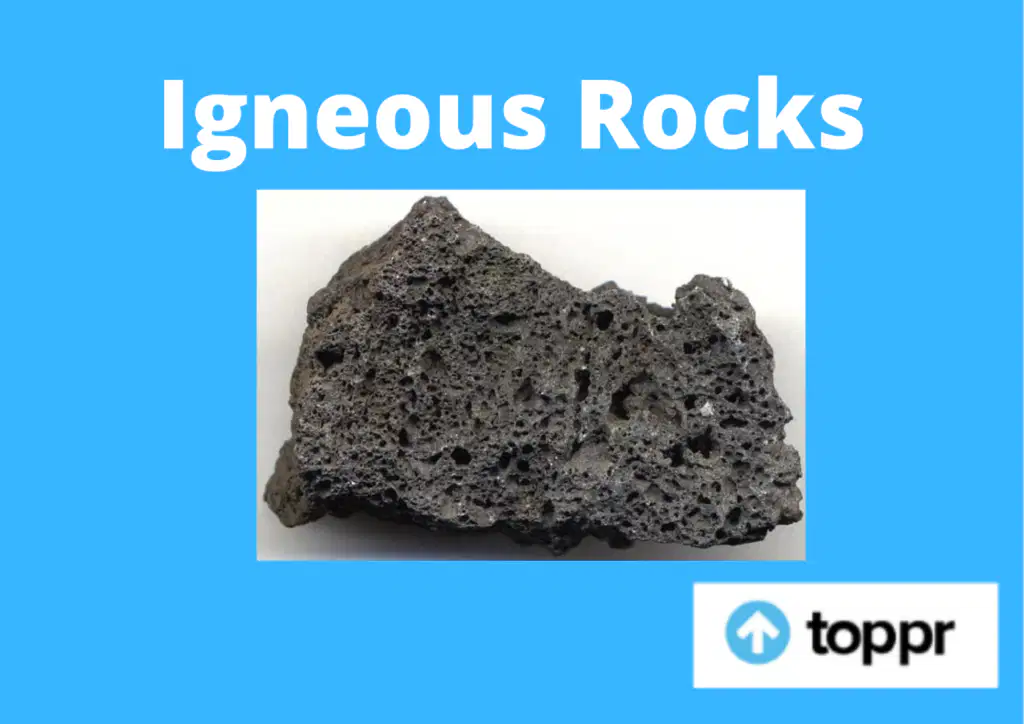
Granite, basalt, andesite, gabbro, obsidian, diorite, scoria, tuff, pumice, e.t.c are all examples of what types of rock?
(a)
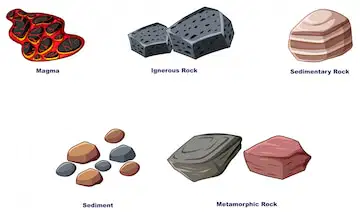
What type of rock are fossils commonly found in?
(a)
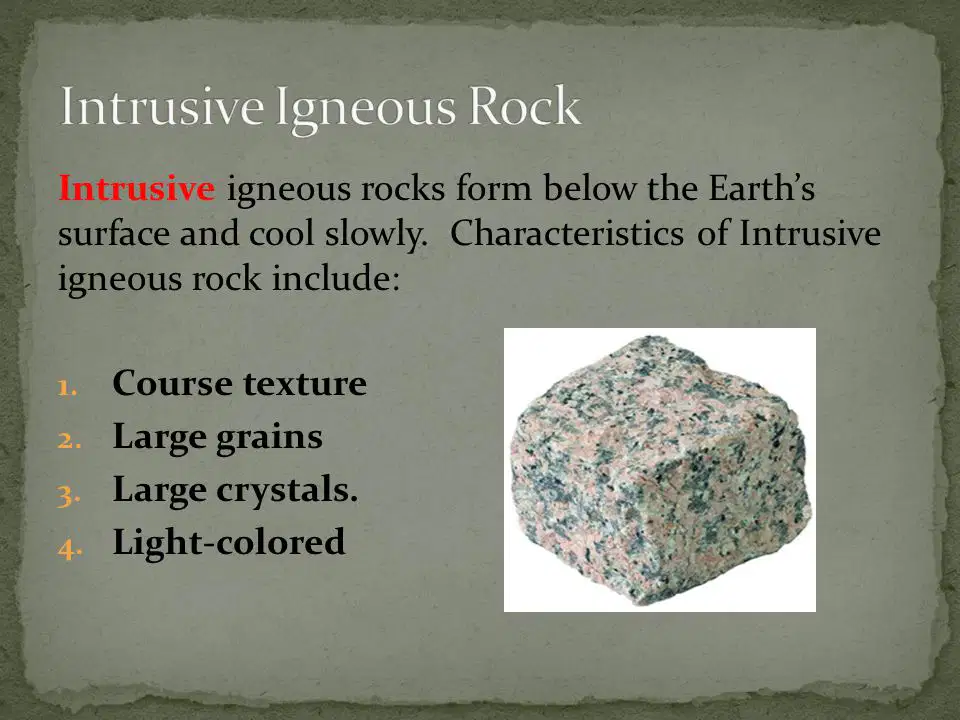
The type of igneous rock when magma slowly cools below the earth’s surface and forms large rock crystals is known as
(a)
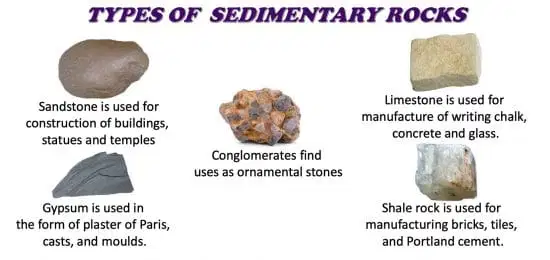
Sandstone, conglomerate, chalk, claystone, breccias, shale, calcite, and siltstone are all examples of
(a)
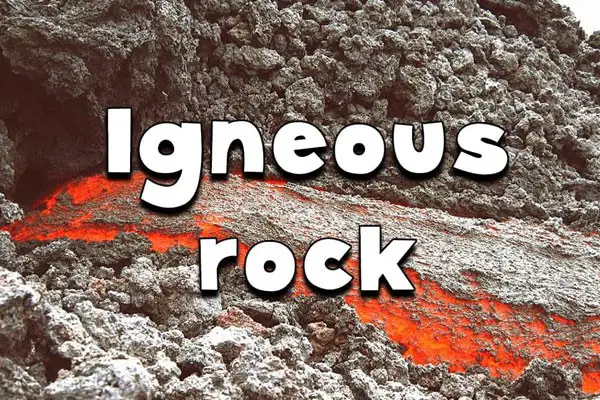
In the rock cycle, which rock is regarded as a primary rock?
(a)
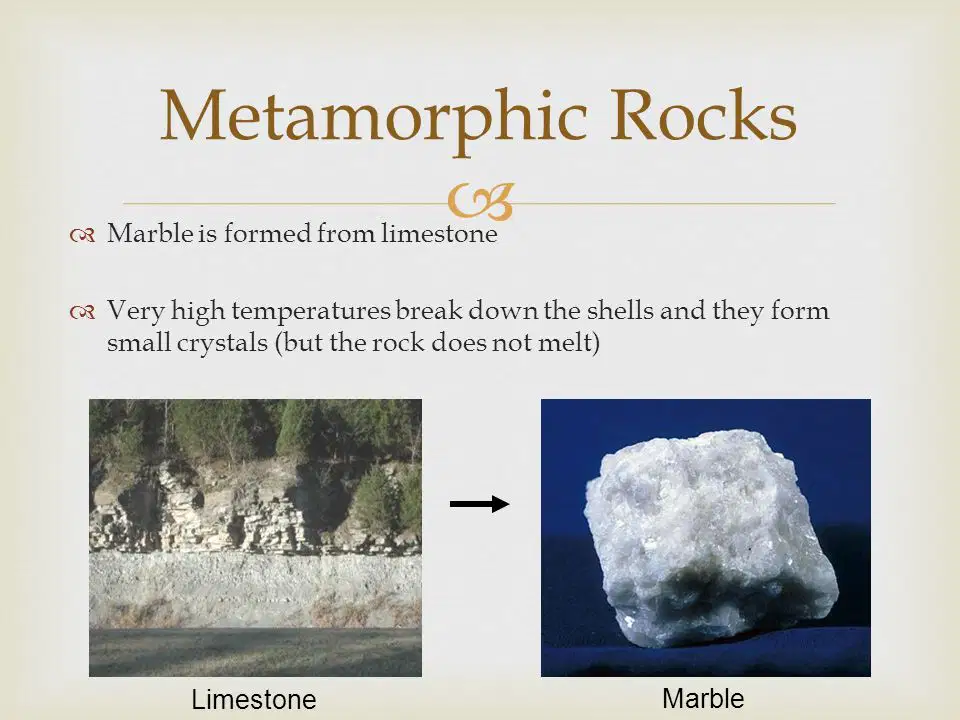
Marble is a metamorphic rock formed from
(a)
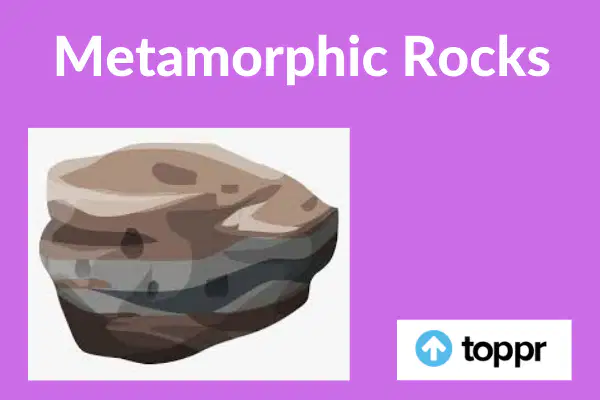
Rocks formed from pre-existing rocks when they undergo heat and pressure is called
(a)
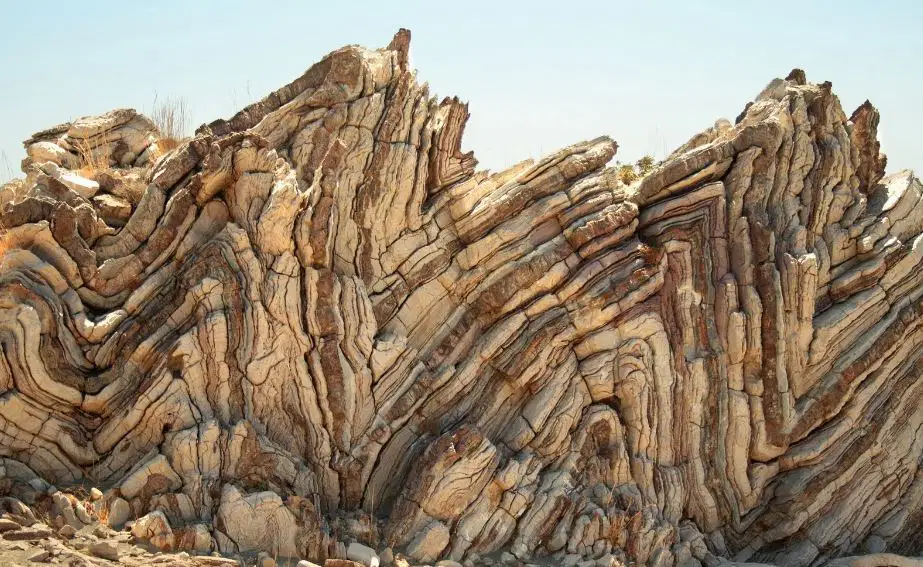
All metamorphic rocks are classified into two categories, which are
(a)

The compositions of the soil with the same percentage are
(a)

