
 Worksheets
WEATHERING/SPIRAL REVIEW
Total questions: 65
Worksheet time: 1hrs 5mins

the process of wearing down by friction - like sand blasting
exfoliation
abrasion
erosion
deposition


Statue of Liberty has changed colors over time because oxygen has caused the surface of the copper it is made of to change into a new chemical (just like copper pennies turn green). What kind of weathering is this?
chemical weathering
physical weathering

Acid rain has worn away the features on this statue. What type of weathering is this?
chemical weathering
physical weathering

This freezing water is expanding, causing the crack in the rock to widen (frost action). What kind of weathering is this?
chemical weathering
physical weathering

These plant roots are widening cracks in the rock. What kind of weathering is this?
chemical weathering
physical weathering

This arch was formed by wind and particles carried by the wind rubbing on the rock over time (abrasion). What type of weathering is this?
chemical weathering
physical weathering

Burrowing animals like this one dig holes in the ground, breaking up soils. What kind of weathering is this?
chemical weathering
physical weathering

Does this show signs of physical or chemical weathering?
Physical Weathering
Chemical Weathering

Does this show signs of physical or chemical weathering?
Physical Weathering
Chemical Weathering
Rocks are combinations of one or more _______________ that we find in nature.
asteroids
minerals
Magma erupts from a volcano and cools quickly on the Earth's surface to form
extrusive igneous rock
intrusive igneous rock

Metamorphic rock melts to form
igneous rock
magma

Igneous rock melts to form
metamorphic rock
magma

Metamorphic rock undergoes weathering and erosion to form
sediment
igneous rock

Sedimentary rock undergoes _____________ to form metamorphic rock.
heat & pressure
compacting and cementing
Metamorphic rock undergoes weathering and erosion to form
sediment
igneous rock

Metamorphic rock can only be formed through which process?
heat & pressure
cooling

Sedimentary rock undergoes weathering and erosion to form
igneous rock
sediment
Select the processes through which igneous, sedimentary, and metamorphic rocks are changed. (You will select more than 1 answer)
meteor shower
weathering & erosion
melting
cooling

Sediment undergoes compaction & cementing to form
metamorphic rock
sedimentary rock
Most scientists believe the Big Bang Theory explains which of the following questions?
How our planets and moons formed
How our universe began
How the sun turns hydrogen into helium
How fast light travels through space
The Big Bang Theory is the most widely accepted theory about the origin of the universe.
true
false

What spiral galaxy do we live in?
Andromeda Galaxy
Dwarf Galaxy Saggitarius
Milky Way Galaxy
Snickers Galaxy
igneous rock formed from lava that erupted onto Earth's surface
extrusive
intrusive
clastic
biogenic
igneous rock that formed when magma hardened beneath the surface of Earth
extrusive
intrusive
clastic
biogenic
constantly broken apart by freezing and thawing, plant roots, acid, and other forces on rock
weathering
erosion
compaction
cementation
the process by which sediment settles out of the water or wind carrying it
deposition
erosion
compaction
cementation
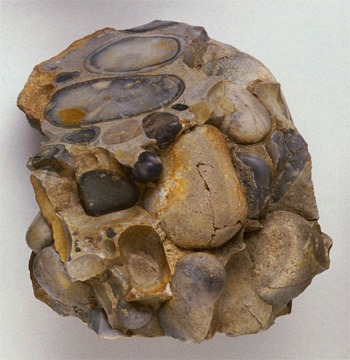
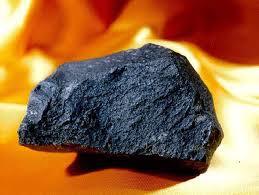


What type of rock is made of tiny fragments of rocks?
SEDIMENTARY
IGNEOUS
METAMORPHIC
What is an inorganic, solid material found in nature?
mineral
rock
sedimentary
metamorphic


The series of processes in which rock forms, changes from one type to another, is destroyed, and forms again by geologic processes
Geological Time
Erosion
Rock Cycle
Convection
Weathering
The process by which wind, water, ice or gravity transports soil and sediment from one location to another.
Continental Drift
Igneous Rock
Lithosphere
Erosion
Asthenosphere
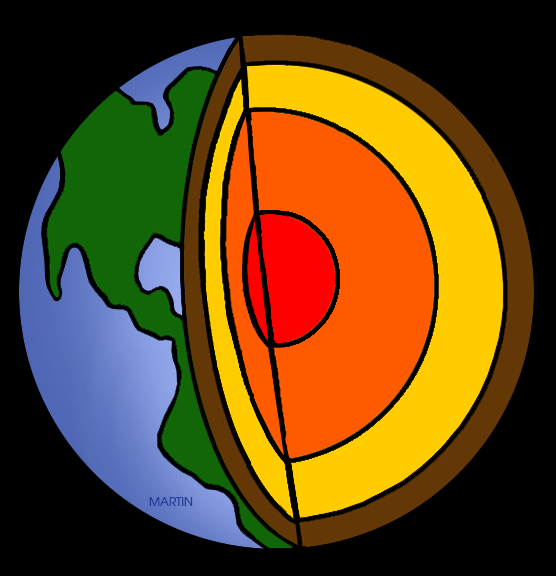
Which layer is shown in orange?
crust
mantle
outer core
inner core
Which layer is shown in red?
crust
mantle
outer core
inner core
Which layer is shown in yellow?
crust
mantle
outer core
inner core
Which layer is shown in brown?
crust
mantle
outer core
inner core

Which shows the order of the layers from COOLEST to HOTTEST?
crust, mantle, outer core, inner core
inner core, outer core, mantle, crust
crust, outer core, inner core, mantle
Trick question! All of the layers are the same temperature!
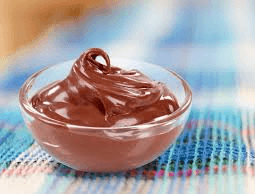
Which layer is made of "flowing" solid rock (think clay or pudding)?
crust
mantle
outer core
inner core
What is the thinnest layer?
Crust
Mantle
Outer Core
Inner Core
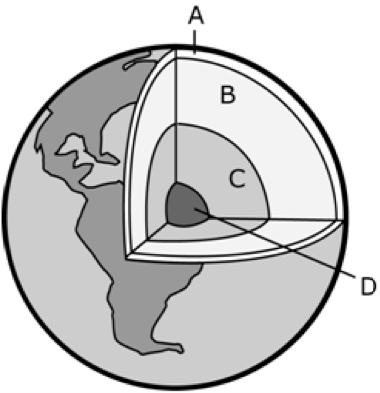
Which letter in the diagram identifies the layer of Earth made up of solid nickel and iron?
layer A
layer B
layer C
layer D

Which layer can have a temperature of 5,000 degrees Celsius?
crust
mantle
outer core
inner core
Which layer is shown in yellow?
crust
mantle
outer core
inner core
What are the two (2) types of crust?
oceanic
continental
mantle
transform

Which of the following facts is based on the picture?
The lithosphere is composed of the crust and the upper mantle.
Continental crust is thicker than oceanic crust.
The layer below the crust is the upper mantle.
Oceanic crust is denser than the continental crust.

There are 3 types of rocks. They are ...
Volcanic - Magma - Bedrock
Metamorphic - Igneous - Sedimentary
Minerals - Fossil - Crust
Lava - Magma - Crust
A rock deep within the Earth experiences extreme temperature and pressure. After a long period of time it becomes which rock?
Magma
Igneous
Metamorphic
Sedimentary
What must happen to a metamorphic rock before it becomes a sedimentary rock?
It must be broken down into sediment
It must be melted into magma
Its minerals must dissolve in water
It must be exposed to high temperature and pressure

When sediments are pressed together tightly, this is called ____________.
Compaction
Cementation
Weathering
Erosion

