wayground logo

Free Printable Worksheets

NEW

Font size

S
M
L
XL
Worksheets

Quarter 3 - Module 4 Cells & Life

Total questions: 65

Worksheet time: 39mins

Name
Class
Date
1.
What is part 1?
a)
eye piece
b)
body tube
c)
arm
d)
coarse adjust
2.
What part is 3?
a)
eye piece
b)
base
c)
arm 
d)
coarse adjust
3.
What part is 5?
a)
coarse adjustment
b)
fine adjustment
c)
diaphragm
d)
stage
4.
What is part 11?
a)
coarse adjustment
b)
fine adjustment
c)
diaphragm
d)
stage
5.
What is part 6?
a)
arm 
b)
base
c)
body tube
d)
illuminator
6.

Holds objective lenses, used to change magnification

a)

Objective lenses

b)

body tube

c)

light source

d)

revolving nosepiece

7.

Changes the amount of light shinning through a specimen

a)

Light source

b)

Diaphragm

c)

Arm

d)

Fine adjustment

8.

Holds the slide in place

a)

Stage Clips

b)

Stage

c)

Eyepiece

d)

Coarse adjustment

9.

Flat platform where you place the slide

a)

Base

b)

Stage

c)

Arm

d)

Light source

10.

Moves stage up and down to focus specimen

a)

Stage

b)

Stage clips

c)

Diaphragm

d)

Coarse adjustment

11.

The ___________ is the smallest and most basic unit of matter.

a)

organ

b)

cell

c)

atom

d)

tissue

12.
A group of tissues that perform a similar function is called_____. (Examples include the heart, lungs or stomach)
a)
cells
b)
tissues
c)
organs
d)
organ system
13.
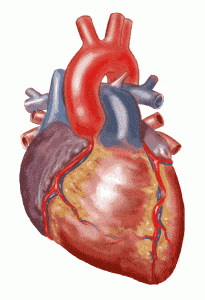
This is a example of ........
a)
cell
b)
organ system
c)
organ
d)
tissue
14.
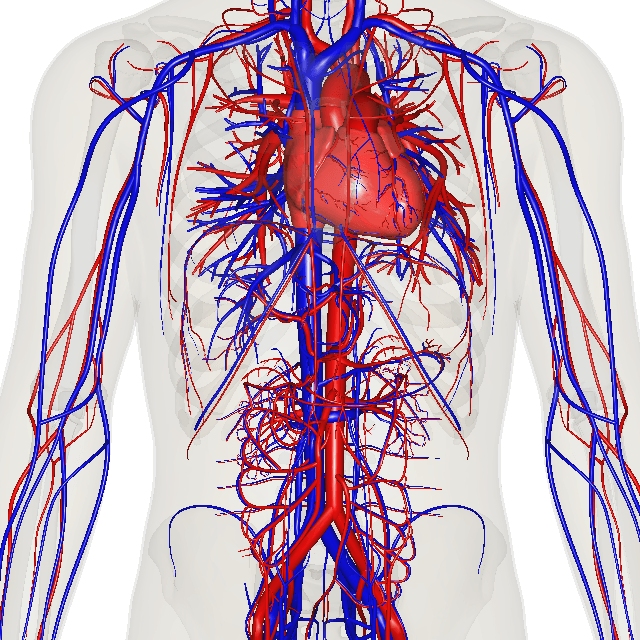
This is a example of ........
a)
organ
b)
organ system
c)
tissue
d)
cell
15.
A group of similar cells that come together to perform a specific function is a/an
a)
organ
b)
organism
c)
organ system
d)
tissue
16.
Which is an example of an organism?
a)
a beetle
b)
a lake
c)
a rock
d)
a shell
17.
Which of the following is NOT an organism?
a)
Kangaroo
b)
Mushroom
c)
Computer
d)
Oak tree
18.

Which sequence BEST describes the levels of organization from simplest to most complex?

a)

Organism, Organ System, Organ, Tissue, Cell, Molecule, Atom

b)

Atom, Molecule, Cell, Tissue, Organ, Organ System, Organism

c)

Atom ,Molecule ,Cell, Organ, Tissue, Organ System, Organism

d)

Organism, Cell, Organ System, Organ, Tissue, Molecule, Atom

19.

The basic units or "building blocks" of life are called

a)

cells

b)

molecules

c)

organisms

d)

tissues

20.

What is the term for combining 2 or more atoms together?

a)

cells

b)

elements

c)

molecules

d)

compounds

21.
Which structures are found in every living cell?
a)
cell membrane and cytoplasm
b)
chloroplasts and mitochondria
c)
a cell wall and nucleus
d)
chloroplasts and cell wall
22.
Which cell structure is found in plant and animals cells and controls what can come into or leave a cell?
a)
cell membrane
b)
cytoplasm
c)
nucleus
d)
vacuole
23.
What is the function of the cell nucleus found in both plant and animal cells?
a)
to produce energy
b)
to control cell activity
c)
to remove waste products
d)
to allow molecules to enter the cell
24.
Cell organelles that are responsible for digesting food, worn out organelles and other cellular wastes are called ___________________.
a)
Mitochondria
b)
Vacuoles
c)
Lysosomes
d)
Chlororplasts
25.
What is one basic function of the vacuoles?
a)
circulating oxygen
b)
producing food
c)
controlling cell processes
d)
storing water
26.
All cells need energy to function.  Which cell organelle is responsible for producing energy in the cell?
a)
chloroplasts
b)
mitochondria
c)
nucleus
d)
vacuoles
27.
What is the function of a cell wall?
a)
to protect and support the cell
b)
to perform different functions in each cell
c)
to prevent water from passing through it
d)
to prevent oxygen from entering the cell
28.
In what part of the plant cell does the process of photosynthesis take place?
a)
nucleus
b)
mitochondria
c)
chloroplasts
d)
vacuoles
29.
Every living organism is made up of one or more cells
a)
True
b)
False
30.
Which of the following are NOT found in animal cells
a)
chloroplasts and cytoplasm
b)
chloroplasts and cell wall
c)
cell wall and cell membrane
d)
mitochondria and nucleus
31.

Identify #1 on the Eukaryote cell shown:

a)

cell membrane

b)

ribosome

c)

cytoplasm

d)

cytoskeleton

32.

Identify #2 on the Eukaryote cell shown:

a)

cell membrane

b)

ribosome

c)

cytoplasm

d)

cytoskeleton

33.

Identify #3 on the Eukaryote cell shown:

a)

chloroplast

b)

ribosome

c)

golgi body

d)

mitochondria

34.

Identify #5 on the Eukaryote cell shown:

a)

Rough E.R.

b)

Smooth E.R.

c)

ribosome

d)

mitochondria

35.

Identify #7 on the Eukaryote cell shown:

a)

lysosome

b)

vacuole

c)

golgi body

d)

mitochondria

36.

Identify #11 on the Eukaryote cell shown:

a)

Rough E.R.

b)

lysosome

c)

nucleus

d)

Smooth E.R.

37.

What is #1?

a)

Central vacuole

b)

Nucleus

c)

Nucleolus

d)

Cytoplasm

38.

What is #7?

a)

Cell wall

b)

Cell membrane

c)

Mitochondria

d)

Chloroplast

39.
Which of the following is directly involved in the transportation of materials inside/within the cell?
a)
Endoplasmic Reticulum
b)
Vacuole
c)
Lysosome
d)
Mitochondria
40.
Where are proteins made?
a)
Golgi body
b)
Mitoichondria
c)
Chromosomes
d)
Ribosomes
41.
The energy that starts the process of photosynthesis comes from....
a)
sunlight
b)
transpiration
c)
cellular respiration
d)
germination
42.
The process by which cells use oxygen to produce energy from food is called?
a)
photosynthesis
b)
transpiration
c)
cellular respiration
d)
germination
43.
By which process do plants make their own food from carbon dioxide and water?
a)
cellular respiration
b)
transpiration
c)
chlorophyll
d)
photosynthesis
44.
What gas do plants take in to make food?
a)
natural gas
b)
oxygen
c)
carbon dioxide
d)
oxygen and carbon dioxide
45.

Why are many plants green?

a)

plant cells are green

b)

plants absorb green light

c)

chlorophyll reflects green light

d)

rigid cell walls are green

46.
What gas is released into the air during photosynthesis?
a)
carbon dioxide
b)
oxygen
c)
water 
d)
glucose
47.
What gas is released into the air during cellular respiration?
a)
oxygen
b)
carbon dioxide
c)
water 
d)
glucose
48.
What are the reactants of photosynthesis?
a)
glucose and oxygen
b)
water and carbon dioxide
c)
water and oxygen
d)
carbon dioxide and glucose
49.
What are the products of photosynthesis?
a)
glucose and oxygen
b)
glucose and carbon dioxide
c)
water and carbon dioxide
d)
water and oxygen
50.

What are the reactants in cellular respiration?

a)

glucose and oxygen

b)

glucose and carbon dioxide

c)

water and carbon dioxide

d)

oxygen and carbon dioxide

51.
What are the products in cellular respiration?
a)
water and carbon dioxide
b)
water and glucose
c)
carbon dioxide and oxygen
d)
glucose and oxygen
52.
This is the equation for...
a)
photosynthesis
b)
cellular respiration
53.
Which one of the answer choices IS NOT a product of cellular respiration?
a)
Carbon Dioxide
b)
Water
c)
ATP
d)
Oxygen
54.
Which one of the answer choices is a product of photosynthesis?
a)
Carbon Dioxide
b)
Glucose
c)
Water
d)
Radiant Energy
55.
Which of the following is the correct equation for photosynthesis?
a)
6O2 + C6H12O6 + Energy → 6CO2 + 6H2O
b)
6O2 + C6H12O→ 6CO2 + 6H2O + Energy
c)
6CO2 + 6H2O + Energy → 6O2 + C6H12O6
d)
6CO2 + 6H2→ 6O2 + C6H12O6 + Energy
56.

The magnification of the low power objective lens is 10x.

a)

True

b)

False

57.

Cytoplasm

a)

Regulates what enters and exits the cell

b)

Carries materials from one part of the cell to another

c)

makes proteins

d)

A jelly-like substance that supports and protects cell organelles

58.

Ribosomes

a)

Contains chemicals that break down food particles and worn out cell parts. The recycling center of the cell.

b)

Makes Proteins

c)

Receives materials from the ER and sends it to other parts of the cell. The "shipping & receiving center" of the cell

d)

Stores water, food, waste products, and other materials for the cell

59.

Which cell organelle is labeled A ?

a)

cell wall

b)

cell membrane

c)

vacuole

d)

nucleus

60.
Which plant part collects the sun's energy and makes food?
a)
Leaf
b)
Stem
c)
Roots
d)
Flower
61.
What is photosynthesis?
a)
The process plants use to turn carbon dioxide and water into food.
b)
The process plants use to chlorophyll and sunlight into air. 
c)
The process plants use to turn sunlight and chlorophyll into soil.
d)
The process plants use to turn chocolate and milk into chocolate milk.
62.

Which organism go through cellular respiration?

a)

animals

b)

plants

c)

both animals and plants

d)

none

63.

Cellular Respiration occurs in what cell organelle?

a)

chloroplast

b)

cytoplasm

c)

mitochondria

d)

animal

64.

The purpose of cellular respiration is to produce ?

a)

energy in the form of ATP

b)

oxygen gas

c)

sugar in the form of glucose

d)

protein in the ribosomes

65.

What tool do people use to view cells?

a)

metric ruler

b)

scale

c)

microscope

d)

petri dish