
 Worksheets
water pollution
Total questions: 20
Worksheet time: 20mins
Which is an example of NPS? Click all that apply
Specific drain pipe
Farmland
Suburbs
Cities/underground storage tanks
Construction
Which THREE of the following are major uses for water?
[select 3]
residential
agricultural
industrial
recreational
Pollution source that cannot be traced to a single point because comes from many sources
thermal
toxic
nonpoint source pollution
point source pollution
What is one thing a farmer can do to reduce their NPS pollution?
Keep feedlots away from slopes/flood zones
Have farms in areas that get lots of rain
Remove plant buffer zones
Farmers cannot reduce their NPS pollution

Pollution that comes from a single source
Point
Non-Point

Washing your car in your driveway
Point
Non-Point
When fertilizers enter surface water, they cause problems in the watershed by -
increasing the amount of nutrients available to fish in lakes and streams.
clogging narrow streams and preventing water from flowing properly.
raising the water level in nearby rivers to levels leading to flooding.
causing rapid algal growth that decrease oxygen levels and choke aquatic life.
Untreated sewage is released into the environment. What type of pollution would this cause?
Chemical
Biological (pathogens)
Physical
Heavy metal
Farmers increase their use of pesticides and herbicides. What type of pollution would this cause?
Sediment
Nutrient
Toxic
Bacterial
Thermal
Which of the following is the best example of Point Source Pollution?
Pet owners leaving waste on the ground.
Runoff from farms that brings animal waste into a stream.
Home owners washing cars near a storm drain.
A fabric company that pours extra dye into a nearby stream
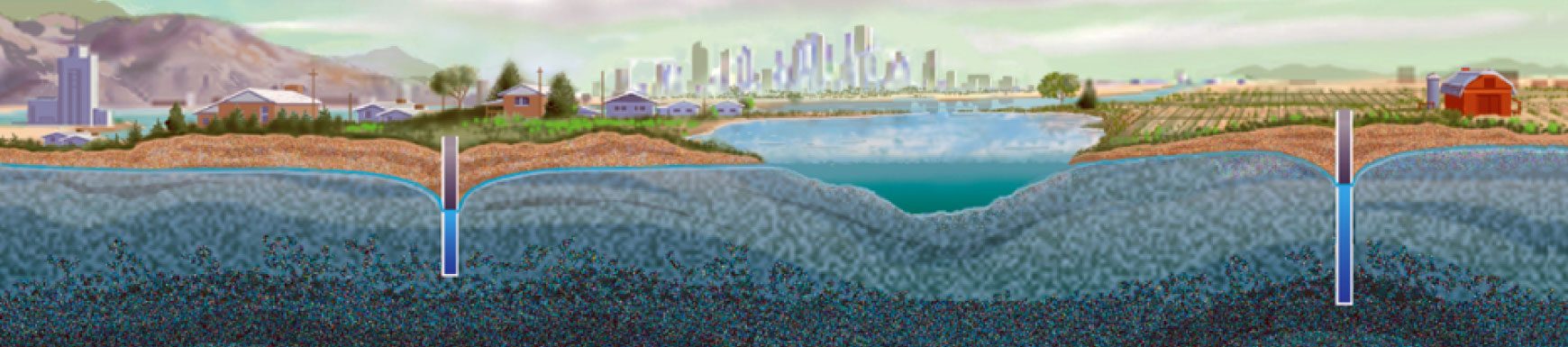
How do the industrial, agricultural, and residential activities of humans most likely affect the groundwater in an area?
The activities prevent most of the water from evaporating into the atmosphere.
Pollutants from the activities percolate through the soil and enter the water table.
The activities replace the groundwater used.
All of the above

Power plants cool hot water pipes in a local river
Point
Non-Point

Oil tanker hits a reef and causes an oil spill.
Point source
non-point source
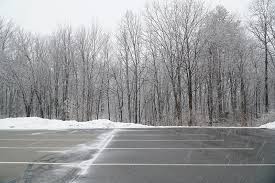
Snow melts in parking lots and carries oils into nearby waterways
Point
Non-Point
How can eutrophication be harmful to an aquatic system?
It is not harmful, more nutrients are good for an aquatic system
It is harmful because more nutrients cause plants to die
It is not harmful, nutrients allow more plants to grow, creating more food for fish
It is harmful because more nutrients cause more plants to grow, depleting the amount of dissolved oxygen in the water
What factors directly lead to unhealthy levels of nitrates in the water? (Check all that apply.)
Fertilizer Runoff
Animal Waste Runoff
Loose soil
Acid rain
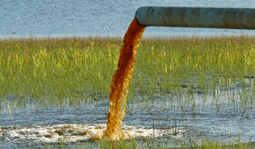
______________________ is water waste/pollution discharge from a single source.

Pollution that comes from MANY different places and is hard to identify its source.
Point
Non-Point
Which of the following is the best example of a source of Point Source Pollution?
Pet owners leaving waste on the ground.
Runoff from farms that brings animal waste into a stream.
Home owners washing cars near a storm drain.
A fabric company that pours extra dye into a nearby stream

