
 Worksheets
Science Third Quarter Reviewer Part 1
Total questions: 68
Worksheet time: 34mins

Deer and moose use their antlers to protect themselves from other animals.
TRUE
FALSE
Which statement is true about the animals' body coverings?
Milkfish has fur to protect their soft body.
Turtle and snakes are covered and protected with scales.
Feathers keep the sheep warm and dry.

Match the animal with its special body parts for protection.
horns
stingers
fangs
quills

Match the animal with its special body parts for protection.
wings
stingers
fangs
quills

Match the animal with its special body parts for protection.
wings
stingers
fangs
quills

Identify the body covering of the animal. Choose the best answer.
fur
feathers
moist skin
scales

Identify the body covering of the animal. Choose the best answer.
fur
feathers
moist skin
scales

Identify the body covering of the animal. Choose the best answer.
fur
feathers
moist skin
scales

Identify the body covering of the animal. Choose the best answer.
fur
feathers
moist skin
scales

Identify the body covering of the animal. Choose the best answer.
fur
feathers
moist skin
scales
A cockroach uses its wings to fly to avoid its enemies.
TRUE
FALSE
How do lions survive in the wild? Choose the best answer.
The black and green body covering of lions allow to hide between tall grasses.
The lion's camouflage characteristic makes it easy for them to wait and attack their prey.
Both letter A and B.
None of the above.

Match the animal to the body part that its uses for survival. (kingfisher)
beak
sharp spines
legs
long eyelashes

Match the animal's body part to the one that it uses to survive. (camel)
beak
sharp spines
legs
long eyelashes

Match the animal's body part to the one that it uses to survive. (pufferfish)
beak
sharp spines
legs
long eyelashes

white fur
to blend in the snow
to maintain body heat
tearing fleshand meat
small and round ears
to blend in the snow
to maintain body heat
tearing fleshand meat

feathers
To attract mate
For feeding
o defend against predators
beak
To attract mate
For feeding
o defend against predators

quills
To defend themselves
for feeding
Strong tail for climbing

Both tortoises and sea turtles use their flippers to swim.
TRUE
FALSE

Identify the missing body part and describe its function.
hind leg: for hopping
legs: for eating
legs : for running, walking
tail : for swimming

Identify the missing body part and describe its function.
hind leg: for hopping
flipper: for swimming
wings: for flying
tail : for swimming

Identify the missing body part and describe its function.
hind leg: for hopping/jumping
flipper: for swimming
wings: for flying
tail : for swimming

Animals like butterflies, grasshoppers, and ladybugs have antennae for sensing their environment.
TRUE
FALSE

hooved feet
to defend themselves
to aid in walking
to keep warm

long eyelashes
Protection from sandstorms
To store fat to survive long
periods without food and water
To help in walking on hot
and slippery sand
hump
Protection from sandstorms
To store fat to survive long periods without food and water
To help in walking on hot
and slippery sand
padded feet
Protection from sandstorms
To store fat to survive long periods without food and water
To help in walking on hot
and slippery sand

skin
For breathing
To get food
For swimming
long sticky tongue
For breathing
To get food
For swimming

pincers
For movement
For defense
For protection
10 legs
For movement
For defense
For protection

flexible jaws
To catch prey
To blend in the environment
To swallow prey

Insects use their teeth to sip sweet nectar from flowers.


Which of the following sentences is correct about omnivores?
A. Omnivores have flat teeth for tearing of flesh.
B. Omnivores have pointed teeth for chewing grass.
C. Both letter A and B.
D. None of the above.
Insects have long, tubelike mouthpart called probiotics.
True.
False, insects use their teeth to get their food.
False, insects have long, tubelike mouthpart called proboscis.
None of the above.
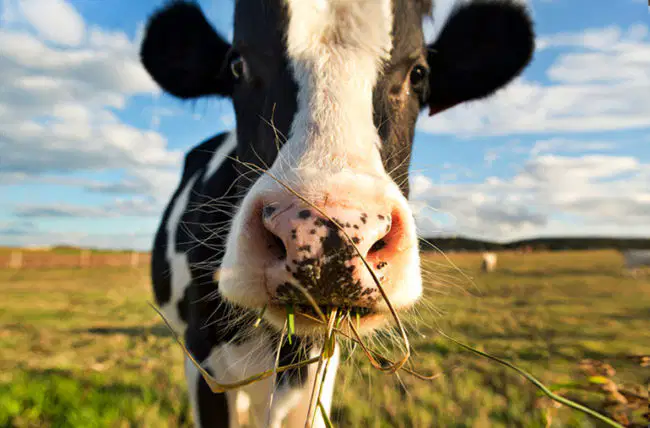
Which body part does it use for getting food?
flat and broad teeth
sharp and pointed teeth
beak and claws
proboscis

Which body part does it use for getting food?
flat and broad teeth
sharp and pointed teeth
beak and claws
proboscis
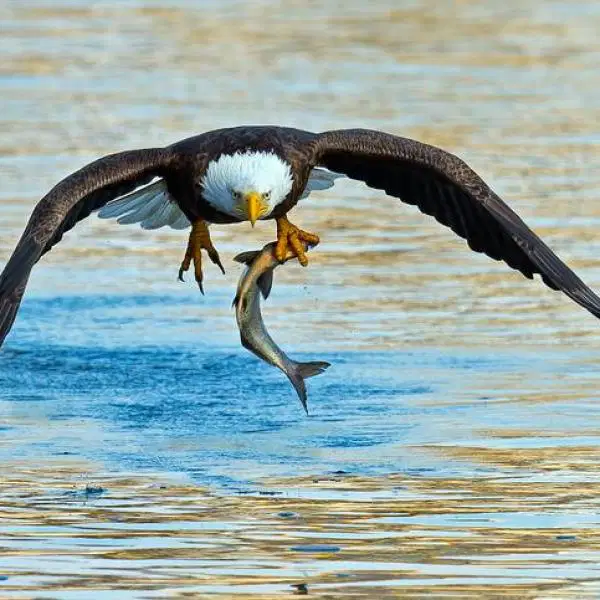
Which body part does it use for getting food?
flat and broad teeth
sharp and pointed teeth
beak and claws
proboscis
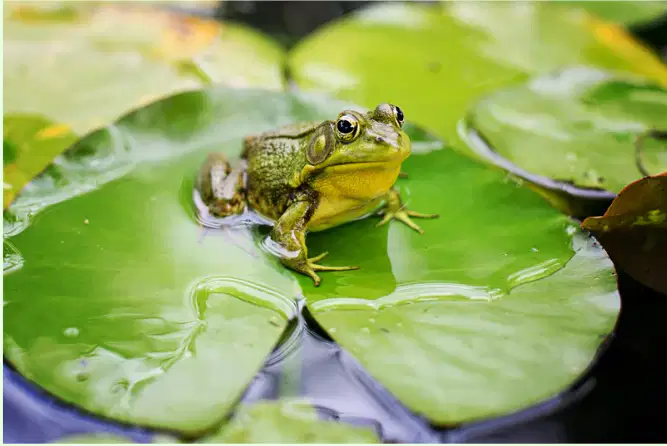
Which body part does it use for getting food?
flat and broad teeth
long sticky tongue
mouth
proboscis
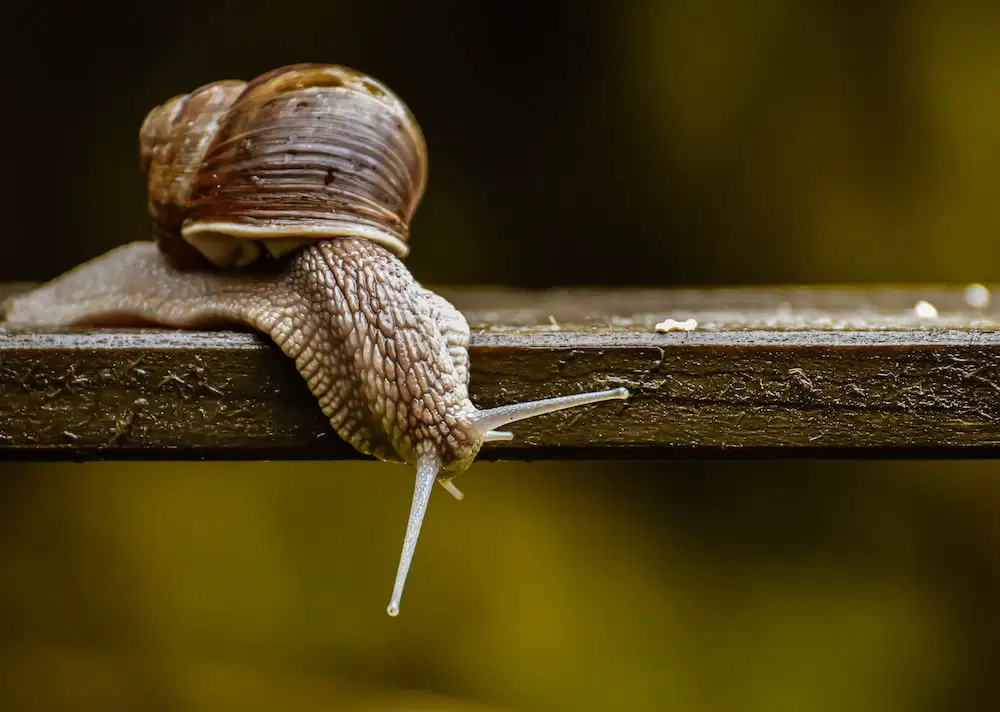
A snail uses its foot to crawl.
a snail uses its muscular foot to move
a snail has strong hind legs.
Choose ALL body parts used by frogs to move.
webbed feet
wings
strong hind legs
long sticky tongue

Camels store fat to survive long periods without food and water in their _____.
humps
backbone
legs
fur

Peacocks use their colorful ______ to attract females.
fur
skin
feathers
scales
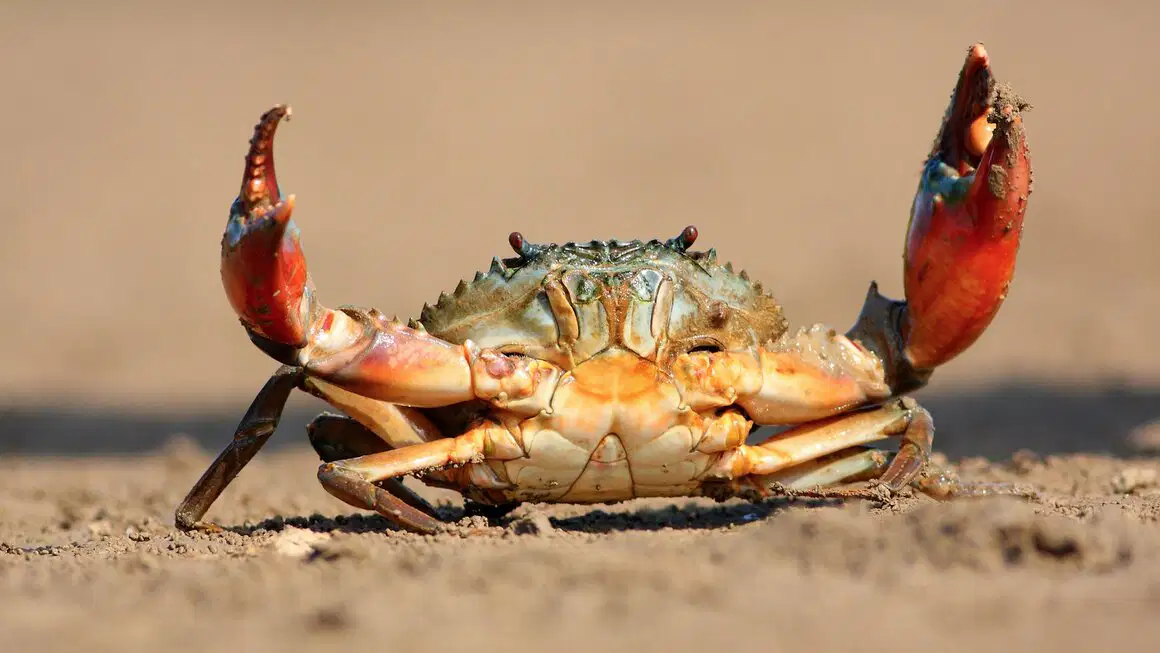
Crabs have ______ to defend themselves.
proboscis
tusks
pincers
antlers
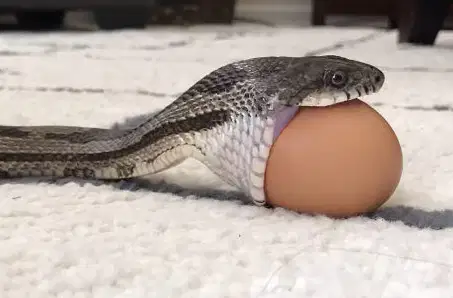
The ______ of snakes allow them to swallow their prey.
flexible jaw
quills
moist skin
mouth
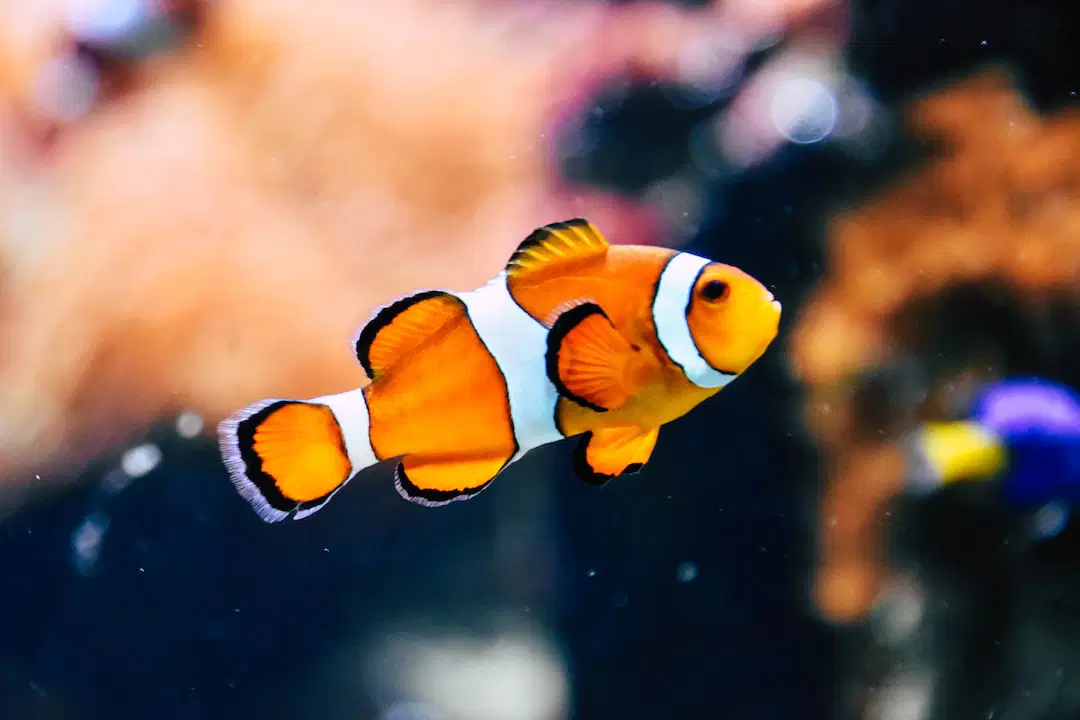
body part for breathing
gills
lungs
spiracles
moist skin

Identify the body part used for breathing.
gills
lungs
spiracles
moist skin

Identify the body part used for protection.
horns
antlers
stinger
moist skin
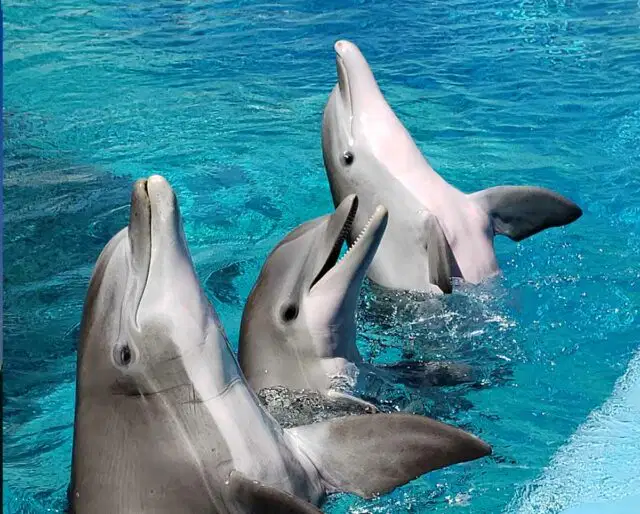
Identify the body part used for breathing.
gills
lungs
spiracles
moist skin

Identify the body part used for getting food,
sharp teeth
long sticky tongue
spiracles
flat teeth

BODY PARTS USED FOR PROTECTION
horns
spines
antlers
quills

BODY PARTS USED FOR COVERING
scales
feathers
soft scales
hair or fur
Select two animals that can fly.


Select two animals that can slither or crawl.


Choose 2 animals that can walk and run.
frog
kangaroo
deer
goat
Choose 2 animals that can swim
angel fish
shark
snail
bee
Choose 2 animals that can jump and hop.
frog
kangaroo
snail
bee
bee

Match the animal with the body part it uses in getting food.
flat and broad teeth
beak and claws
sharp and pointed teeth
sticky tongue

Match the animal with the body part it uses in getting food.
flat and broad teeth
beak and claws
sharp and pointed teeth
sticky tongue
Match the animal with its special body parts for protection.
wings
stingers
fangs
quills
Identify the body covering of the animal. Choose the best answer.
fur
feathers
moist skin
scales
Fish and reptiles have this type of body covering.
feathers
moist skin
scales
fur
Fish have _______ scales.
wet and slimy
dry

Reptiles are covered with _______ scales.
wet and slimy
dry

Frogs and salamanders have ______ with mucus which keeps them from drying up.
moist skin
dry skin
rough skin

Identify the body covering of the animal. Choose the best answer.
fur
feathers
moist skin
scales

