
NEW
Font size
 Worksheets
3rd 9wks Exam Review
Total questions: 17
Worksheet time: 51mins
The interaction between two animals in which one animal eats the other
Competition
Commensalism
Parasitism
Predation
A relationship between organisms of different species where one organism benefits and the other is harmed
Mutualism
Parasitism
Commensalism
An interaction between organisms or species that is helpful to one but neither helpful nor harmful to the other
Competition
Commensalism
Mutualism
Energy Pyramid
An organism that makes its own food
Autotroph
Herbivore
Vegetarian
Omnivore
A tapeworm and a cat have this type of relationship.
mutualism
competition
parasitism
commensalism
What type of symbiosis? Hummingbirds feed on nectar from flowers. The flowers are pollinated by hummingbirds as they move from flower to flower.
commensalism
parasitism
predation
mutualism
Mistletoe extracts water and nutrients from the spruce tree to the tree's detriment (harm).
Parasitism
Commensalism
Mutualism
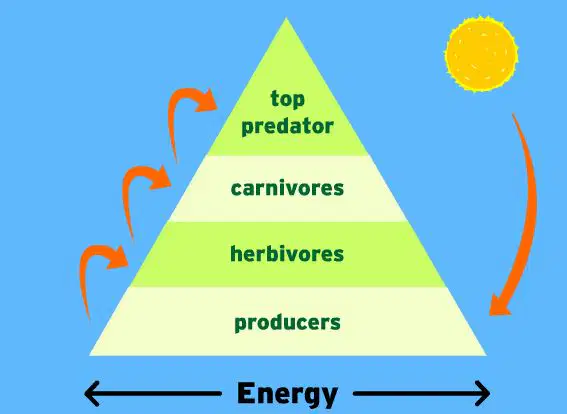
In the energy pyramid here, which organisms have the most energy available?
Producers
Herbivores
Carnivores
Top Predator
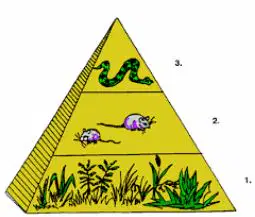
If there is 1000 Kcal available in the producers in trophic level 1, how much energy is available in the herbivores in trophic level 2?
1 Kcal
10 Kcal
100 Kcal
1000 Kcal
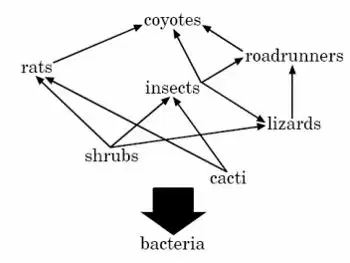
If these organisms were arranged in a food pyramid, which organism would have the least amount of total energy available?
insect
coyote
lizard
shrub
All energy transformations in an ecosystem begin with
a scavenger
the sun
a decomposer
a herbivore
What percentage of energy is passed on to each tropic level?
10%
50%
90%
0%
At which level does the path of nutrients start?
Producer at the first trophic level
Consumer at the second trophic level
Consumer at the topmost trophic level
Decomposer at the top most trophic level
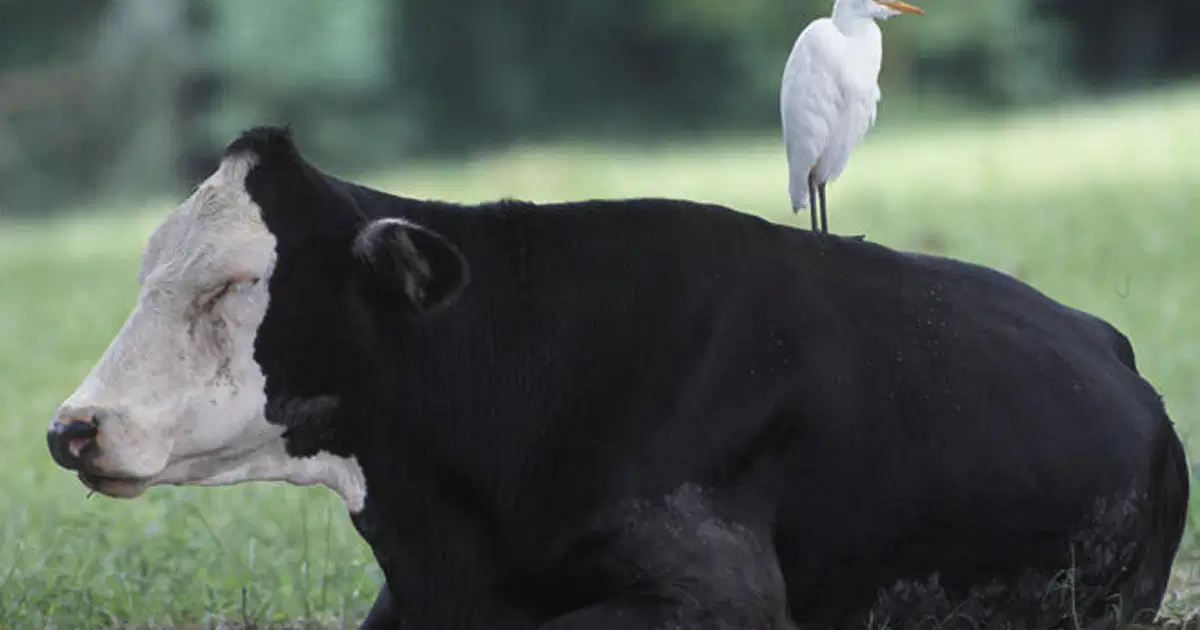
Cattle egrets forage (feed) in fields among cattle. The egret gets easy access to flying insects stirred up by the cattle, and the cattle don't care if they are there or not.
mutualism
commensalism
competition
parasitism
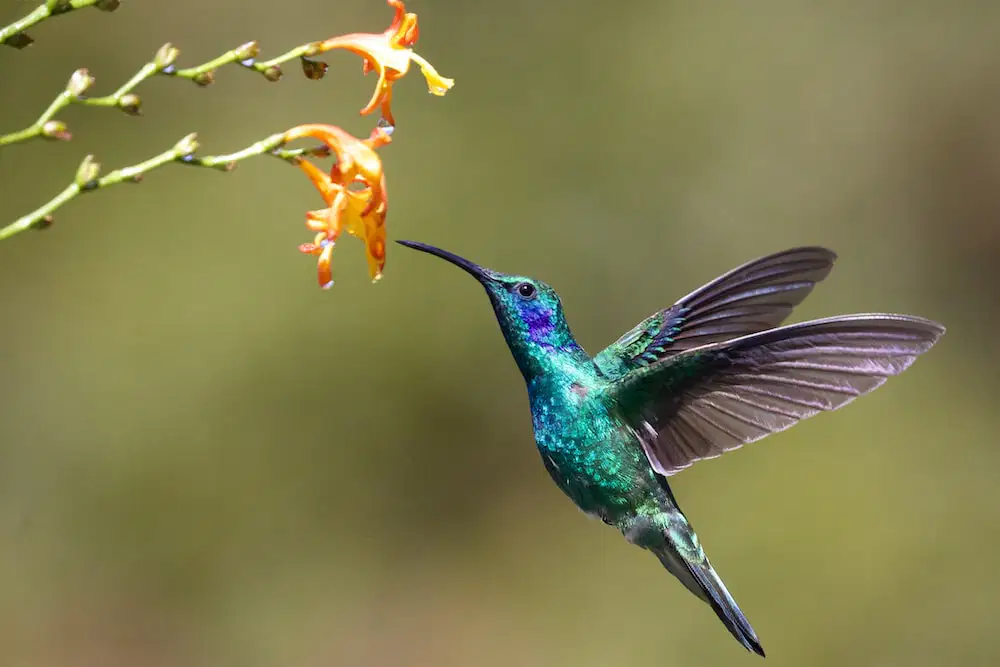
What type of symbiosis? Hummingbirds feed on nectar from flowers. The flowers are pollinated by hummingbirds as they move from flower to flower.
commensalism
mutualism
parasitism
predationhu
__________ is an organism that eats BOTH plants and animals for energy.
omnivore
carnivore
herbivore
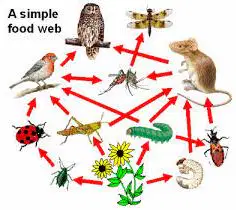
Which of the following would be the most likely effect, if there were a sudden increase in the cricket population?
There would be a decrease in the small bird population.
There would be a decrease in the grass/flowers population.
There would be a decrease in the mice population.
There would be an increase in the grass/flowers population.

