wayground logo

Free Printable Worksheets

Font size

S
M
L
XL
Worksheets

Matter

Total questions: 100

Worksheet time: 2hrs 32mins

Name
Class
Date
1.
What form of matter has a definite shape?
a)
Solid
b)
Liquid
c)
Gas
d)
Square
2.
Name the three states of matter:
a)
crystalline, amorphous, solid
b)
solid, liquid, gas
c)
energy, matter, mass
d)
solid, fluid, liquid
3.
Which state of matter has particles that are tightly packed?
a)
liquid
b)
gas
c)
solid
4.
The amount of matter something contains. 
a)
volume
b)
mass
c)
density
d)
measurement 
5.
Liquid matter takes the shape of _______.
a)
a gas
b)
water
c)
a pet
d)
Its container
6.
________________ is anything that has mass and takes up space.
a)
volume
b)
matter
c)
mass
d)
weight
7.
Which change can occur when  you add heat energy to water?
a)
The water can change from a liquid to a solid
b)
The water can change from a gas to a liquid
c)
The water can change from a liquid to a gas
d)
The water can change from a solid to a liquid
8.
Which state of matter has particles arranged like this?
a)
solid
b)
liquid
c)
gas
9.
The amount of space something takes up
a)
density
b)
volume
c)
mass
d)
matter
10.
A pure substance containing only one kind of atom.
a)
element
b)
mixture
c)
compound
11.
Can only be separated by chemical means.
a)
element
b)
mixture
c)
compound
12.
This picture represents which of the following?
a)
element
b)
compound
c)
mixture
13.
This picture represents which of the following?
a)
element
b)
compound
c)
mixture
14.
The ability of a substance to be pounded or rolled into thin sheets
a)
State
b)
Ductility
c)
Malleability
d)
Thermal Conductivity
15.
Physical or Chemical?  Water is nonflammable
a)
Physical
b)
Chemical
c)
Neither
16.
Physical or Chemical Property? If copper comes in contact with water, it will turn green.
a)
Physical
b)
Chemical
c)
Neither
17.
Physical or Chemical Property?  The temperature of boiling water is 100 degrees Celsius.
a)
Physical
b)
Chemical
c)
Neither
18.
Physical or Chemical Property?  The solid form of water is ice.
a)
Physical
b)
Chemical
c)
Neither
19.
Define a Chemical Property
a)
A property which depends on the objects size or matter.
b)
A property of matter not involving in its manifestation a chemical change
c)
A property or behavior of a substance which undergoes a chemical change or reaction.
d)
A property which makes the object smell or taste different.
20.
What is matter?
a)
Any subtance that doesn't take up space or have mass.
b)
Any substance that takes up space or have mass.
c)
Any substance that exists on Earth.
d)
Any substance that exists in space.
21.
A mixture that appears to be evenly mixed throughout:
a)
an atom
b)
a compound
c)
a homogeneous mixture
d)
a heterogeneous mixture
22.
 mixture that does NOT appear to be evenly mixed throughout:
a)
an atom
b)
a compound
c)
a homogeneous mixture
d)
a heterogeneous mixture
23.
An example of a physical change would be a change in...
a)
Color
b)
Shape
c)
Size
d)
All of the above 
24.
Adding HEAT to matter causes its particles to:
a)
move faster and farther apart
b)
Move slower and farther apart
c)
Move faster and closer together
d)
Move slower and closer together
25.
I am the smallest whole particle of matter. 
a)
atom
b)
compound
c)
molecule
d)
mixture
26.
Liquid matter takes the shape of _______.
a)
a gas
b)
water
c)
a pet
d)
Its container
27.
A pure substance that cannot be broken down into any other substance by chemical or physical means. There are about 100 of us shown in the Periodic Table
a)
compound
b)
mixture
c)
molecule
d)
element
28.

What term refers to "two or more substances combined physically, but are still able to be separated?"

a)

Mixture

b)

Solution

c)

Matter

d)

Combination

29.

The temperature at which a liquid turns to a gas is

a)

called the freezing point

b)

called the boiling point

c)

100 degrees Celsius

d)

the same for an amorphous or a crystalline solid

30.

Which describes a property of all elements?

a)

All elements are metals.

b)

All elements have six electrons.

c)

All elements exist in the solid phase.

d)

All elements are pure substances.

31.

In the image, the same atoms are REARRANGED during a chemical reaction, illustrating the Law of Conservation of Matter. Which below correctly states this law?

a)

Matter is created but not destroyed.

b)

Matter is destroyed but not created.

c)

Matter is never created or destroyed, just changed.

d)

Matter cannot change form.

32.

Matter has two main properties mass and volume.

a)

True

b)

False

33.
Max is hungry and he prepares cereal with milk. This is an example of a: 
a)
Homogeneous mixture
b)
Heterogeneous mixture
34.

A mixture in which the composition is NOT uniform throughout is called a _____ mixture.

a)

Heterogeneous

b)

Homogeneous

35.

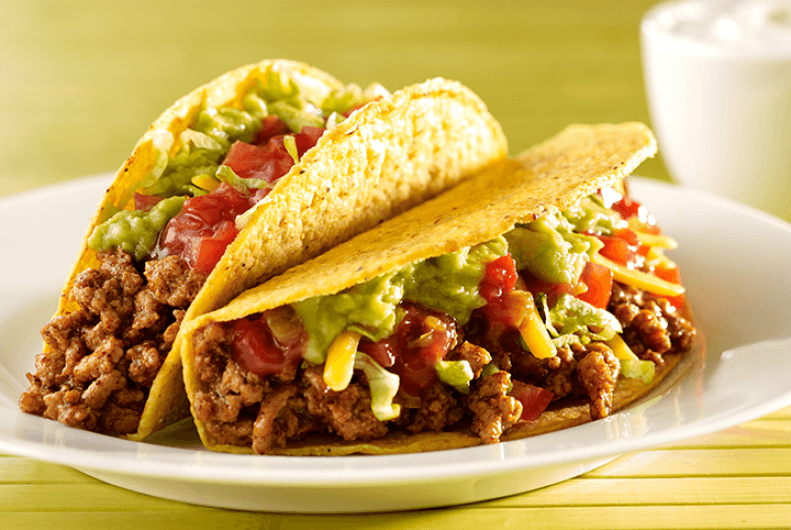
A Taco is an example of a

a)

Homogeneous Mixture

b)

Heterogeneous Mixture

36.

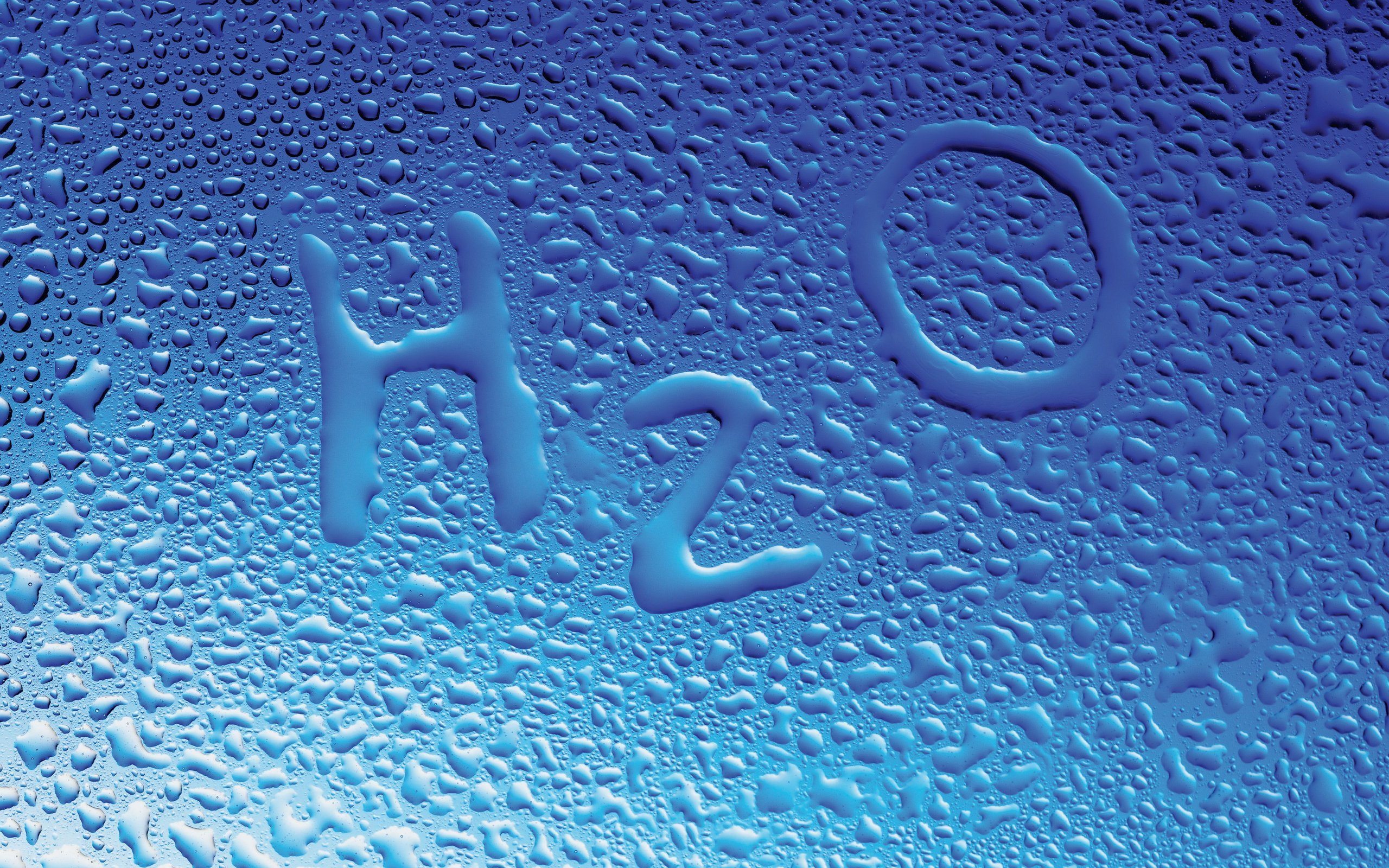
H2O is an example of...

a)

an atomic number

b)

an element symbol

c)

a chemical formula

37.

What is the study of matter and how matter changes?

a)

Physical Science

b)

Chemistry

c)

Biology

d)

Matterology

38.

Which term describes when a substance is changed from a liquid to a gas?

a)

Condensation

b)

Evaporation

c)

Filtration

d)

Precipitation

39.

Colton and his brothers put some raisins, hazelnuts, almonds, and peanuts in a bowl to make a snack for their movie. What does this snack represent?

a)

a solution

b)

a new element

c)

a new compound

d)

a mixture

40.

David added 15 g of ice to a 55 g container. After the ice melted, what was the total weight of the container?

a)

50 g

b)

15 g

c)

55 g

d)

70 g

41.

A scientist uses an instrument to study the small particles in a piece of matter. The diagram shows what the scientist sees.


What state of matter is the scientist most likely observing?

a)

gas

b)

solid

c)

liquid

d)

vapor

42.

A scientist uses an instrument to study the small particles in a piece of matter. The diagram shows what the scientist sees.


What state of matter is the scientist most likely observing?

a)

gas

b)

solid

c)

liquid

d)

vapor

43.

How many Hydrogen (H) atoms are there in the chemical formula H2O?

a)

1

b)

2

c)

3

d)

4

44.

How many Oxygen (O) atoms are there in the chemical formula H2O?

a)

1

b)

2

c)

3

d)

4

45.

What does the subscript tell us in a chemical formula? (For example, the 2 in H2O)

a)

Type of element

b)

Amount of atoms

c)

Amount of compounds

46.

Which of the following is NOT an element in the formula: MgSO4?

a)

Mg

b)

S

c)

O

d)

Si

47.

How many molecules are present?

a)

5

b)

2

c)

10

d)

7

48.

How many different elements are in C6H12O6?

a)

1

b)

2

c)

3

d)

4

49.
How many carbon atoms (C) are in a COmolecule?
a)
1
b)
2
c)
3
d)
0
50.
How many atoms are there TOTAL in:
H2SO4
a)
6
b)
5
c)
7
d)
3
51.
If there is no subscript, there is ______ atom(s) of that element.
a)
0
b)
2
c)
only 1
d)
1 million
52.
In this image, what are the symbols in red are called the_______.
a)
Products
b)
Reactants
c)
Subscripts
d)
Coefficients
53.
In this image, the symbols to the right of the arrow (in black) are called the_______.
a)
Products
b)
Reactants
c)
Subscripts
d)
Coefficients
54.
NH3 ---> N2 + H2
What are the products?
a)
N2 + H2
b)
N2
c)
H2
d)
NH3
55.

How many total atoms are in the compound 2H2O?

a)

2

b)

3

c)

4

d)

6

56.

The change of one state of matter to another is called

a)

Osmosis

b)

Phase Change

c)

Matter

d)

Energy

57.

Transition from a liquid to a gas

a)

Condensation

b)

Freezing

c)

Evaporation

d)

Melting

58.

Three containers with the same amount of the same material are shown below. Which container has the substance with the highest amount of energy?

a)

The container on the left

b)

The middle container

c)

The container on the right

d)

All have an equal amount of energy

59.

Three containers with the same amount of the same material are shown below. Which container has the substance with the lowest amount of energy?

a)

The container on the left

b)

The middle container

c)

The container on the right

d)

All have an equal amount of energy

60.

Which statement best describes what happens when heat is added to a substance?

a)

Energy moves out of the substance causing the molecules to slow down.

b)

Energy moves out of the substance causing the molecules to speed up.

c)

Energy moves into the substance causing the molecules to slow down.

d)

Energy moves into the substance causing the molecules to speed up.

61.
7. All phase changes (changing states) requires energy to be added or taken away.
a)
True
b)
False
62.

Two or more atoms chemically combined is called a:

a)

Element

b)

Molecule

c)

Homogeneous Mixture

d)

Heterogeneous Mixture

63.

Two or more elements chemically combined is called a:

a)

Heterogeneous Mixture

b)

Homogeneous Mixture

c)

Compound

d)

Element

64.

Elements alone have

a)

Chemical Symbols

b)

Chemical Formulas

65.

Compounds have:

a)

Chemical Symbols

b)

Chemical Formulas

66.

Molecules have:

a)

Chemical Symbols

b)

Chemical Formulas

67.

Which is NOT an element?

a)

Gold (Au)

b)

Carbon (C)

c)

Steel

d)

Mercury (Hg)

68.

What type of mixture is this?

a)

heterogeneous mixture

b)

homogeneous mixture

c)

solution

d)

colloid

69.

Another name for a homogeneous mixture is a ______________________.

a)

solution

b)

suspension

c)

colloid

70.

If you dissolve salt into water, which one is the SOLVENT?

a)

salt

b)

water

71.

If you dissolve salt into water which one is the SOLUTE?

a)

salt

b)

water

72.

What is known as the "universal solvent?"

a)

water

b)

acid

c)

sugar

d)

salt

73.
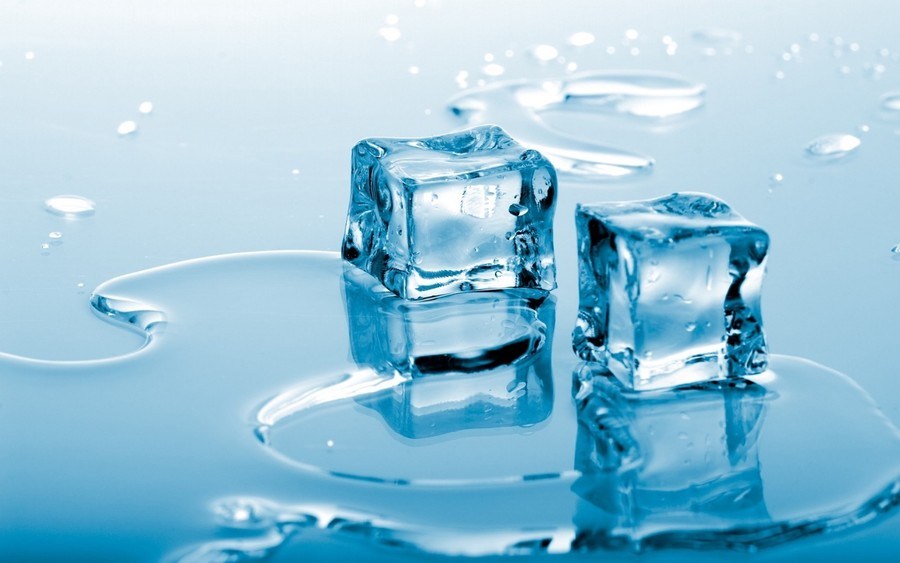
Water freezing into ice is an example of a...
a)
Physical Change
b)
Chemical Change
74.
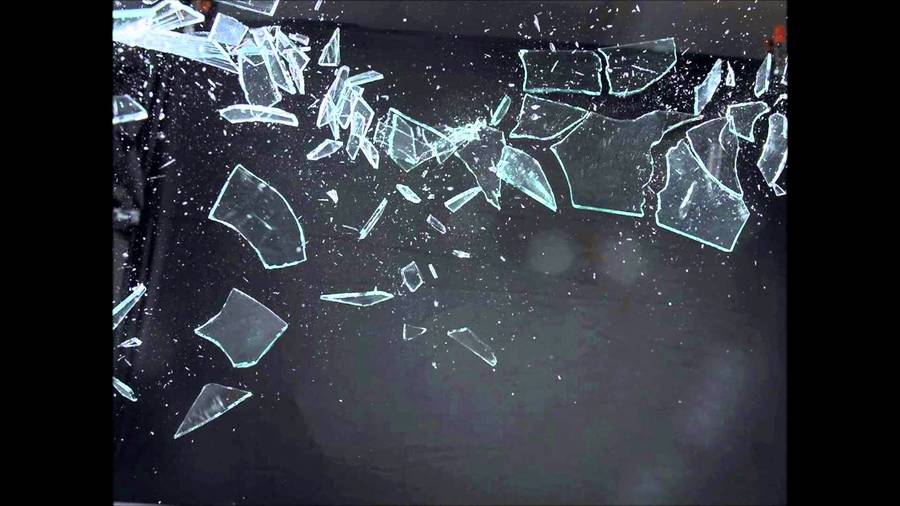
Chemical or Physical?  Glass breaking into tiny shards
a)
Chemical Change
b)
Physical Change
75.
Physical or Chemical Change?  Iron rusts
a)
Physical Change
b)
Chemical Change
76.
Physical or Chemical Change?  Cutting an orange into wedges.
a)
Physical Change
b)
Chemical Change
77.
Physical or Chemical Change?  Logs burning in a campfire.
a)
Physical Change
b)
Chemical Change
78.
Blue Color: Chemical or Physical Property
a)
Chemical Property
b)
Physical Property
79.
Flammability (burns): Chemical or Physical Property
a)
Chemical Property
b)
Physical Property
80.
Reacts with Acid: Chemical or Physical Property
a)
Chemical Property
b)
Physical Property
81.
Sour Taste: Chemical or Physical Property
a)
Chemical Property
b)
Physical Property
82.
Melting Point: Chemical or Physical Property
a)
Chemical Property
b)
Physical Property
83.
The phase change from water vapor to liquid water is known as...
a)
evaporation
b)
precipitation
c)
condensation
d)
sublimation
84.
2. A change of state from a liquid to a solid is called....
a)
Melting
b)
Freezing
c)
Evaporation
85.
5. What is it called when a solid turns directly into a gas?
a)
Sublimation
b)
Condensation
c)
Liquid
86.
Change from Gas to Solid is called........
a)
Sublimation
b)
Deposition
c)
Fusion
d)
condensation
87.
change from liquid to gas is called....
a)
expansion
b)
evaporation
c)
condensation
d)
sublimation
88.
Melting is ...
a)
liquid to solid
b)
solid to liquid
c)
solid to gas
d)
gas to liquid
89.
Boiling is ...
a)
liquid to gas
b)
gas to solid
c)
gas to liquid
d)
solid to liquid
90.
What state of matter has no definite volume and assumes the shape of its container?
a)
Solid
b)
Liquid
c)
Gas
91.
Liquids and gases are similar because __________________________.
a)
they both take the shape of their container
b)
they both have their own shape
c)
liquids pour and gases don't
d)
liquids take the shape of the container but gases have their own shape
92.
Solids are described as having a 
a)
definite shape and indefinite volume
b)
indefinite shape and indefinite volume
c)
definite shape and definite volume
d)
indefinite shape and definite volume
93.
Liquids are described as having a 
a)
definite shape and indefinite volume
b)
indefinite shape and indefinite volume
c)
definite shape and definite volume
d)
indefinite shape and definite volume
94.
Gases are described as having a 
a)
definite shape and indefinite volume
b)
indefinite shape and indefinite volume
c)
definite shape and definite volume
d)
indefinite shape and definite volume
95.
Matter can not be created nor destroyed: it can only be
a)
Destroyed a little bit
b)
Invisible
c)
Transformed, changed
d)
None of the above
96.
The number to the lower side of an element is a 
a)
Subscript
b)
Superscript
c)
Coefficient
d)
Charge
97.
The number in front of a compound or element is a 
a)
Subscript
b)
Coefficient
c)
Superscript
d)
Charge
98.
A chemical reaction is balanced when
a)
both sides have the same elements
b)
Both sides have the same  number of atoms
c)
Same subscripts
d)
Same coefficients
99.
The coefficient in  3H2O is
a)
6
b)
2
c)
3
d)
5
100.
If reaction starts with 20g of reactants it should produce 
a)
a total of 40g of products
b)
a total of 10g of products
c)
a total of 80 g of products
d)
a total of 20g of products