wayground logo

Free Printable Worksheets

Font size

S
M
L
XL
Worksheets

Year 12 General AIT 2023 Week 6 term 1

Total questions: 125

Worksheet time: 1hrs 20mins

Name
Class
Date
1.
Is light reflected off objects. It has three main characteristics: hue or its name, value (how light or dark it is), and intensity (how bright or dull it is). It helps creates a mood.
a)
Colour -element of design
b)
Line -element of design
c)
Shape -element of design
d)
Texture -element of design
2.
The first and most basic element of design. Marks made with a pen or brush or the edge created when two shapes meet. Helps direct the eye and creates emphasis.
a)
Colour -element of design
b)
Line -element of design
c)
Shape -element of design
d)
Texture -element of design
3.
Can be geometric (squares, triangles and circles), or organic (free formed shapes or natural shapes), add interest and define boundaries
a)
Colour -element of design
b)
Line -element of design
c)
Shape -element of design
d)
Texture -element of design
4.
Is the surface quality of a shape – rough, smooth, soft, hard, glossy etc. They can create a more three-dimensional appearance on this two-dimensional surface.
a)
Colour -element of design
b)
Line -element of design
c)
Shape -element of design
d)
Texture -element of design
5.

There are two types, geometric (man-made) and natural (organic). The combining of two or more shapes or a collection of lines creates it. It may be enhanced by tone, texture and colour.

a)

Form - principle of design

b)

Contrast - principle of design

c)

Balance - principle of design

d)

Proportion - principle of design

6.
Is the juxtaposition of opposing elements. It allows us to emphasize or highlight key elements in your design.
a)
Form - principle of design
b)
Contrast - principle of design
c)
Balance - principle of design
d)
Proportion - principle of design
7.
It provides stability and structure to a design. It’s the weight distributed in the design by the placement of your elements.
a)
Form - principle of design
b)
Contrast - principle of design
c)
Balance - principle of design
d)
Proportion - principle of design
8.
The relationship between objects with respect to size, number, including the relationships between parts as a whole.
a)
Form - principle of design
b)
Contrast - principle of design
c)
Balance - principle of design
d)
Proportion - principle of design
9.
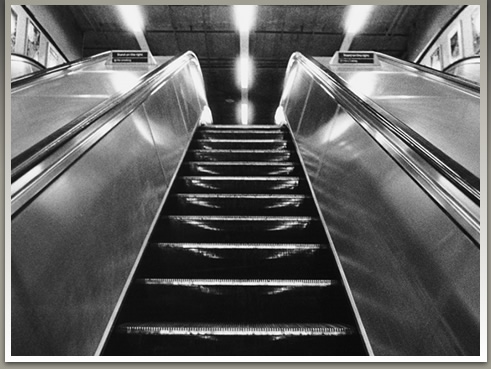
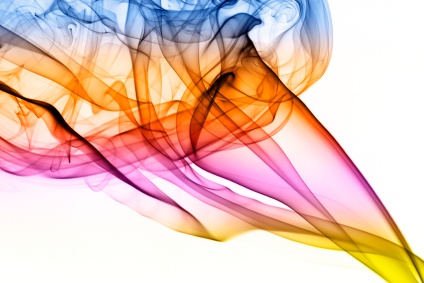
This image is a good example of which element?
a)
movement
b)
pattern
c)
line
d)
form
10.
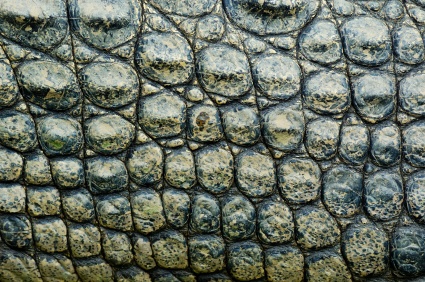
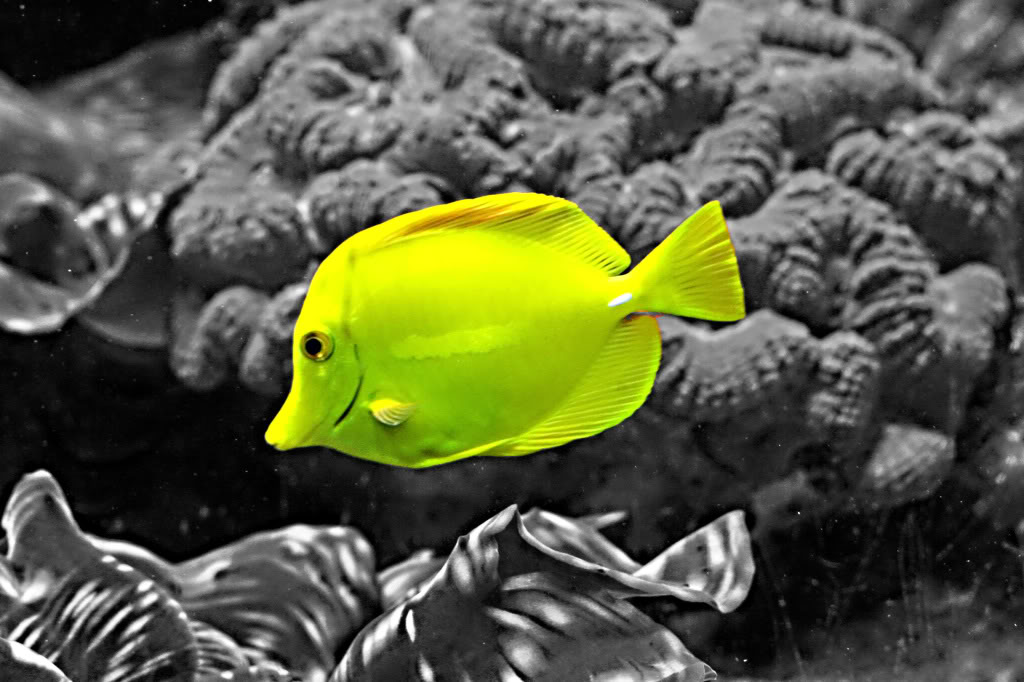
The image is a good example of which element?
a)
pattern
b)
texture
c)
shape
d)
emphasis
11.
This principle can be defined as: the relationship among the elements of a visual that helps all the elements function together.
a)
unity
b)
form
c)
shape
d)
balance
12.
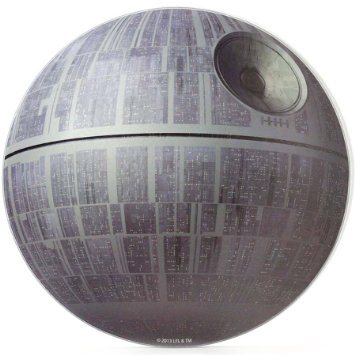
This image is a good example of which element?
*hint- three dimensional
a)
rhythm
b)
contrast
c)
form
d)
shape
13.
__________ is the repetition or alternation of elements, often with defined intervals between them.  _________ can create a sense of movement, and can establish pattern and texture.
a)
pattern
b)
value
c)
emphasis
d)
rhythm
14.
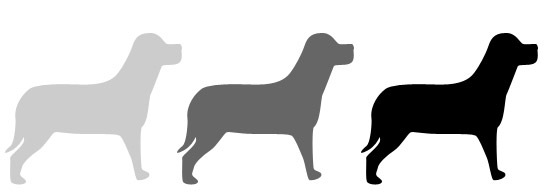
This image is a good example of which element?
a)
value
b)
balance
c)
emphasis
d)
color
15.
This image is a good example of which principle?
a)
pattern
b)
form
c)
line
d)
color
16.
__________ is the equal distribution of visual weight in a design.
a)
emphasis
b)
balance
c)
space
d)
value
17.
This image is a good example of which element?
a)
pattern
b)
unity
c)
space
d)
color
18.
_________ refers to the area around a shape or form.
a)
space
b)
color
c)
unity
d)
emphasis
19.
This image is a good example of what principle?
a)
space
b)
emphasis
c)
line
d)
texture
20.
The picture shows an example of ...
a)
horizontal lines
b)
vertical lines
c)
zigzag lines
d)
curved lines
21.
In design, there are 3 main types of balance:
1)  __________
2)  asymmetrical
3)  radial
a)
symmetrical
b)
weighted
c)
tip of the nose
d)
pan
22.
This picture shows what type of balance?
a)
radial
b)
symmetrical
c)
asymmetrical
d)
rock
23.
The relative size and scale of the various elements in a design refers to ...
a)
balance
b)
proportion
c)
color
d)
unity
24.

Which of the following is not an example of how to create emphasis...?

a)

Make one element larger

b)

Make all items the same size

c)

Use various colors

d)

Use different styles of type

25.
The primary colors are?
a)
Red, Yellow, and Orange
b)
Orange,Green, and Purple
c)
Blue, Red, and Yellow
d)
Orange, Red, and Blue
26.
Line, color, value, texture, shape, form, and space are considered...
a)
elements of design
b)
principles of design
27.
Balance, pattern, movement, emphasis, rhythm, unity, and contrast are considered...
a)
principles of design
b)
elements of design
28.
_____ refers to the lightness or darkness of a color.
a)
Shape
b)
Value
c)
Intensity
d)
Texture
29.
Element of Design: Strokes that show motion and connect two points. May be vertical, horizontal or diagonal, curved, straight, zigzag, or show emotion.
a)
Line
b)
Shape
c)
Form
d)
Space
30.
Elements of Design: Shows an object in space, the mass or positive space it occupies. The term usually used when describing 3-D objects.
a)
Form
b)
Line
c)
Space
d)
Contrast
31.
Elements of Design: What is between objects, also known as negative space.
a)
Line
b)
Space
c)
Color
d)
Value
32.
Element of Design: The feel, real or implied, on an object or its surface.
a)
Color
b)
Line
c)
Form
d)
Texture
33.
Element of Design: Area enclosed when both sides of a line meet. Shapes can be geometric or organic.
a)
Line
b)
Shape
c)
Color
d)
Texture
34.
Element of Design: Hue. May be complementary, analogous, primary, secondary, tertiary, or part of a color wheel.
a)
Shape
b)
Color
c)
Line
d)
Form
35.
Element of Design: The lightness of darkness of an object or color. Often used with drawings.
a)
Form
b)
Color
c)
Value
d)
Texture
36.
Principle of Design: When one area in a work of art stands out more than another. The part that catches your attention first.
a)
Unity
b)
Emphasis
c)
Rhythm 
d)
Movement
37.
Principle of Design: The motion created in a work of art. Often uses the principle of rhythm to achieve this.
a)
Movement
b)
Unity
c)
Contrast
d)
Emphasis
38.
Principle of Design: The feeling of wholeness or the parts belonging together.
a)
Unity
b)
Rhythm
c)
Emphasis
d)
Contrast
39.
Principle of Design: The repetition of lines, shapes, or colors to create a feeling of movement.
a)
Variety
b)
Contrast
c)
Rhythm
d)
Emphasis
40.
Principle of Design: A difference created when elements are placed next to each other in a work of art.
a)
Contrast
b)
Rhythm
c)
Emphasis
d)
Unity
41.
Principle of Design: The use of different lines, shapes, and colors in a piece of work.
a)
Movement
b)
Unity
c)
Variety
d)
Contrast
42.

The regular repetition of elements

a)

Balance

b)

Contrast

c)

Harmony

d)

Rhythm

43.

A repeated decorative design

a)

Rhythm

b)

Pattern

c)

Balance

d)

Style

44.

The distribution of visual weight in an artwork

a)

Contrast

b)

Movement

c)

Proportion

d)

Balance

45.

The difference between elements in a composition

a)

Contrast

b)

Balance

c)

Unity

d)

Harmony

46.

The condition in which two or more things naturally go together

a)

Harmony

b)

Style

c)

Unity

d)

Proportion

47.

An act of changing physical location or position or of having this changed

a)

Balance

b)

Unity

c)

Movement

d)

Balance

48.

A feature or quality that is typical of designs created by a specific person or during a specific time period.

a)

Theme

b)

Style

c)

Contrast

d)

Rhythm

49.

When the parts of a design have a sense of belonging or similarity so that they visually fit well together

a)

Style

b)

Unity

c)

Harmony

d)

Contrast

50.

The relationship between the sizes of two or more things.

a)

Balance

b)

Proportion

c)

Rhythm

d)

Style

51.

These describe the edges or contours of shapes

a)

Lines

b)

Form

c)

Texture

d)

Color

52.

The shape of an object is two-dimensional (2D), and the _______ of an object is three-dimensional (3D).

a)

Lines

b)

Form

c)

Color

d)

Texture

53.

The feel, appearance, or consistency of a surface, substance, or material.

a)

Lines

b)

Shape

c)

Texture

d)

Color

54.

A visual element derived from reflected light.

a)

Lines

b)

Shape and Form

c)

Texture

d)

Color

55.

Decisions that deal with the overall purpose of the design

a)

Conceptual

b)

Marketing

c)

Technical

d)

Aesthetic

56.

Decisions that deal with who will buy/use the product as well as where/how the product will be sold and the selling price

a)

Conceptual

b)

Marketing

c)

Technical

d)

Construction

57.

Decisions that deal with how the design will actually work

a)

Conceptual

b)

Marketing

c)

Technical

d)

Aesthetic

58.

Decisions about how the product will look

a)

Conceptual

b)

Marketing

c)

Technical

d)

Aesthetic

59.
A type of repetition that does not have to have an exact repeating pattern.
a)
Rhythm
b)
Shape
c)
Unity
d)
Texture
60.
A two or more dimensional area that stands out from the space around it. Height + Width
a)
Shape
b)
Color
c)
Unity
d)
Movement
61.
Putting greater importance on a certain element or part of a design.
a)
Color
b)
Emphasis
c)
Balance
d)
Shape
62.
 A mark between two points.
a)
Line
b)
Color
c)
Balance
d)
Emphasis
63.
Unique elements in a design that stand apart from each other.
a)
Texture
b)
Color
c)
Contrast
d)
Movement
64.
The quality of an element used to generate emotion, define importance, or create interest.
a)
Color
b)
Texture
c)
Line
d)
Balance
65.
The area around or between elements in a design. 
a)
Space
b)
Texture
c)
Balance
d)
Color
66.
The harmony of all elements that uses variety, repetition, and dominance.
a)
Space
b)
Texture
c)
Balance
d)
Unity
67.
How the design flows from one element to the next, once side to the other.
a)
Space
b)
Texture
c)
Balance
d)
Movement
68.
The equal distribution of elements that can be calm or chaotic, symmetrical or asymmetrical.
a)
Space
b)
Texture
c)
Balance
d)
Movement
69.
The look and feel of the surface of an object
a)
Space
b)
Texture
c)
Balance
d)
Movement
70.
 Is the relationship of sizes between different parts of a work
a)
Proportion
b)
Texture
c)
Balance
d)
Movement
71.

What is this image?

a)

Hard Drive

b)

RAM

c)

CPU

d)

Motherboard

72.

CPU stands for

a)

Central Processing Unit

b)

Centre Processing Unit

c)

Central Processor Unit

d)

Central Preferred unit

73.

RAM is used for short term memory

a)

True

b)

False

74.

A graphics card allows the computer to transfer images to the monitor

a)

True

b)

False

75.

Sound cards allow you to connect to the internet

a)

True

b)

False

76.

What is software?

a)

The internal components such as the operating system and applications

b)

The external components such as the monitor, keyboard and mouse

77.

What is hardware?

a)

The internal components such as the operating system and applications

b)

The external components such as the monitor, keyboard and mouse

78.

Its best to save my important documents in 3 different places. What 3?

a)

Cloud

b)

RAM

c)

Hard Drive

d)

USB

79.
Which one is an output device?
a)
monitor
b)
speaker
c)
printer
d)
all of them
80.
Which one is NOT an output device?
a)
printer
b)
earphones
c)
keyboard
d)
speakers
81.
Which one is NOT an input device?
a)
scanner
b)
monitor
c)
mouse
d)
microphone
82.
What type of information gets lost if it isn't saved?
a)
CD ROM
b)
storage memory
c)
RAM
d)
flash drive
83.
The main circuit board, especially of a personal computer
a)
monitor
b)
motherboard
c)
RAM
d)
hardware
84.
A computer memory that acts as the main storage available to user for programs and data
a)
RAM
b)
URL
c)
ROM
d)
flash drive
85.
A display screen used to provide visual output from a computer
a)
Mouse
b)
Keyboard
c)
 Monitor
d)
Speakers
86.
A device that can be slotted into a computer to allow the use of audio components for multimedia applications.
a)
Speakers
b)
Video Card
c)
Sound Card
d)
Mouse
87.
What are the 4 necessary components for a computer?
a)
input output programs hardware
b)
processing storage monitor keyboard
c)
input processing output storage
d)
flash drive, input, CPU, RAM
88.
A hand-operated device that allows control of the cursor on a computer screen.
a)
Mouse
b)
Keyboard
c)
Printer
d)
Hardware
89.

Which of these helps 'wake up' the computer?

a)

BIOS

b)

RAM

c)

Alarm Clock

d)

Hard Drive

90.

what is included in computer hardware?

a)

CPU

b)

MICROSOFT WORD

c)

CHROME

d)

MICROSOFT EXCEL

91.

What is meant by hardware?

a)

A part of a computer system that has no physical or invisible form

b)

A collection of electronic data stored and regulated by a computer in the form of a program that can execute a command

c)

Collection of physical components that make up a computer device

d)

Something not important on a computer

92.

The function of data storage is

a)

Send data or information to other people

b)

As a place to store information

c)

Receive data or information from outside sources

d)

Manipulate data quickly and precisely

93.

One technical difference between a Desktop PC and a Laptop Computer is

a)

Dekstop has less power than laptop

b)

Laptop has less power than desktops

c)

Has no difference

d)

Desktop PCs are more expensive than laptop computers

94.

What is included in Memory Devices?

a)

Computer Memory, RAM, ROM, Cache

b)

Program , RAM, ROM, RIM

c)

Computer Memory, Internal, ROM, Cache

d)

Program , RAM, ROM, Cache

95.

What is Random Access Memory (RAM)?

a)

Computers need a non-volatile memory to larger programs.

b)

A character is stored in the computer

c)

Volatile form of a computer memory

d)

Collection of unorganized facts

96.

What are the uses of Input Devices?

a)

Enter everything into the computer

b)

Enter data and programs into the computer

c)

Enter instruction and programs into the computer.

d)

Enter instruction and data into the computer.

97.

Some of the commonly used input devices, except?

a)

Keyboard

b)

Data

c)

Scanners

d)

Voice Input Systems

98.

Below are several types of output, except?

a)

Text

b)

Graphics

c)

Audio and Video

d)

Curve

99.

What is included in the storage device?

a)

Portable Hard Disks

b)

Motherboard

c)

CPU

d)

ROM

100.

What is HDMI Port?

a)

Simple and generally used as input ports to connect programs and data.

b)

Simple and generally used as input ports to connect mice and keyboards

c)

A type of cabling technology for transferring data to and from digital devices at high speed.

d)

A Compact audio/video interface to transfer uncompressed video data and compressed/uncompressed digital audio data form.

101.

What is one of the things that involves better computer performance?

a)

Performance of the Microprocessor

b)

High bandwidth/short data transmission time

c)

Performance of the hardware devices

d)

Performance of the software

102.

What are two settings that can be modified in the BIOS setup program. (Choose two.)

a)

enabling and disabling devices

b)

boot order

c)

swap file size

d)

device drivers

e)

drive partition size

103.

Which term refers to the technique of increasing the speed of a processor from the specified value of its manufacturer?

a)

hyperthreading

b)

overclocking

c)

throttling

d)

multitasking

104.

Which website should a technician consult to find instructions for updating the BIOS on a computer?

a)

case manufacturer

b)

CPU manufacturer

c)

motherboard manufacturer

d)

operating system developer

105.

What indicates that the charge on the CMOS battery could be getting low?

a)

The computer fails to boot.

b)

Performance while accessing files on the hard drive is slow.

c)

The computer time and date are incorrect.

d)

A beep error code occurs during POST.

106.

What should be done prior to the installation of RAM onto the motherboard?

a)

Populate the centre memory slots first before inserting the new RAM.

b)

Consult the motherboard documentation or website of the manufacturer to ensure that the RAM is compatible with the motherboard.

c)

Change the voltage selector to meet with the voltage specification of the RAM.

d)

Ensure the memory expansion slot tabs are in the locked position before inserting the RAM module.

107.

What is a possible hardware upgrade that can be used to add more storage space to a modern smartphone?

a)

hard disk

b)

microSD

c)

CompactFlash

d)

USB flash drive

108.

Microsoft Windows is an example of a word processor.

a)

True

b)

False

109.

Microsoft Word is an example of an operating system

a)

False

b)

True

110.

Mozilla Firefox is a type of desktop application called

a)

web browser

b)

database manager

c)

word processor

d)

media player

111.

A computer that serves up information to other computers on a network

a)

laptop

b)

desktop computer

c)

server

d)

tablet

112.

Any part of your computer that has a physical structure, such as the keyboard or mouse

a)

software

b)

hard drive

c)

hardware

d)

digiware

113.

Software can be classified into two categories:

a)

application software & utility software

b)

system software & application software

c)

utility software & screencast software

114.

Keyboard, mouse, scanner, and webcam are examples of which devices?

a)

USB

b)

software

c)

input

d)

output

115.

A _______________________ is a single image in an animated production.

a)

Picture

b)

Photo

c)

Frame

d)

Asset

116.

Important positions in the action defining the starting and ending point.

a)

Frame

b)

Key

c)

Keyframe

d)

Framekey

117.

Onion skin is a feature allowing to you see the previous and next drawings of a sequence. In Photoshop this is accessed through the Properties window.

a)

True

b)

False

118.

A repeating section of video or audio is referred to as a __________________

a)

Repeat

b)

Hoop

c)

Ringing

d)

Loop

119.

The final step when animating on a computer is _____________

a)

Finalizing

b)

Reading

c)

Render

d)

Export

120.

The ratio between width and height dimensions for any scene, frame, or film format is ________________

a)

Resolution

b)

Aspect Ratio

c)

Ratio

d)

Pixel Ratio

121.

What does FPS stand for?

a)

Frames Per Segment

b)

Frames Per Standards

c)

Frames Per Second

d)

None of the Above

122.

An animation is:

a)

Quick to make

b)

Easy to create

c)

A sequence of frames (images) put together.

d)

Live action movie

123.

When creating an animation, what is the first stage?

a)

Create a storyboard

b)

Create the background

c)

Create a character

d)

Start creating the animation

124.

The series of frames in between the first and last frames in an action are drawn in a process called

a)

morphing

b)

moving

c)

tweening (in-betweens)

d)

compression

125.

What is the process of creating animated images using computer graphics?

a)

Computer Animation

b)

Stage

c)

Animatic

d)

Arts