wayground logo

Free Printable Worksheets

Font size

S
M
L
XL
Worksheets

IGCSE Unit 3 Hardware

Total questions: 123

Worksheet time: 2hrs 21mins

Name
Class
Date
1.

What is this?

a)

CPU

b)

RAM

c)

ROM

d)

Speakers

2.

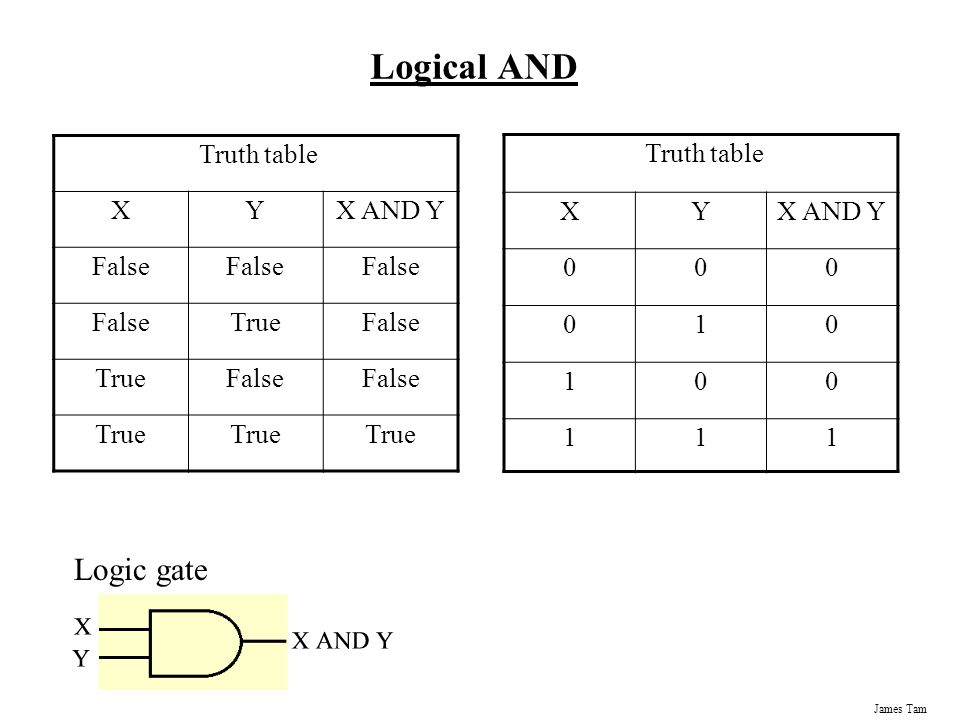
For AND, when is it TRUE?

a)

false AND false

b)

true AND false

c)

false AND true

d)

true AND true

3.

For AND, when is it FALSE?

a)

false AND false

b)

true AND false

c)

false AND true

d)

true AND true

4.

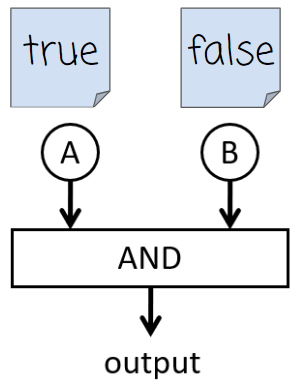
What is the output?

a)

True

b)

False

5.

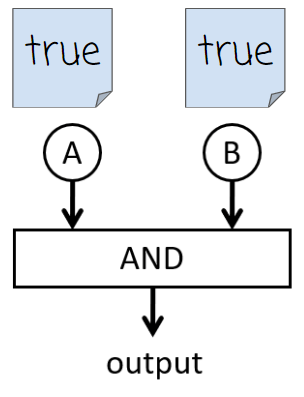
What is the output?

a)

True

b)

False

6.

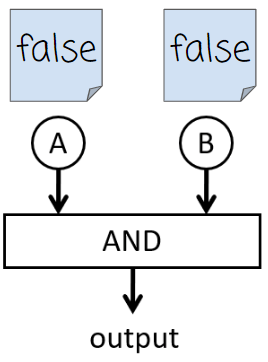
What is the output?

a)

True

b)

False

7.

For OR, when is it TRUE?

a)

false AND false

b)

true AND false

c)

false AND true

d)

true AND true

8.

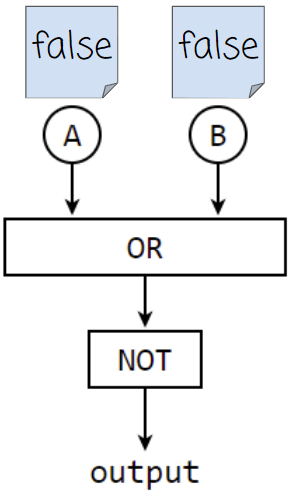
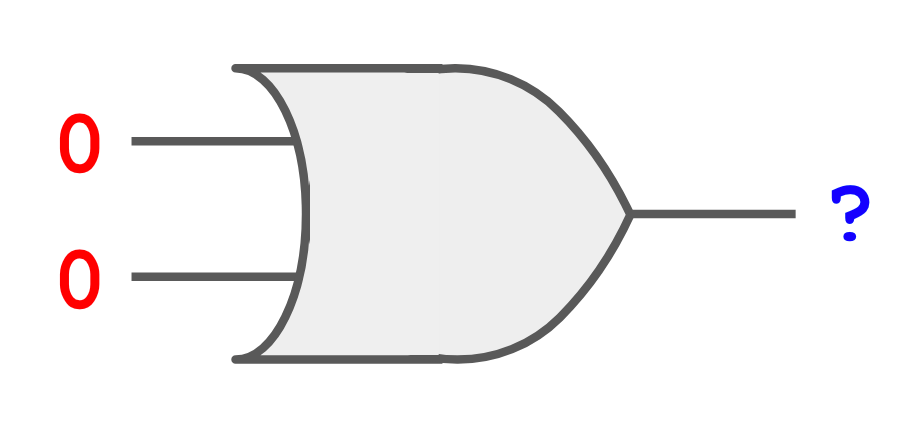
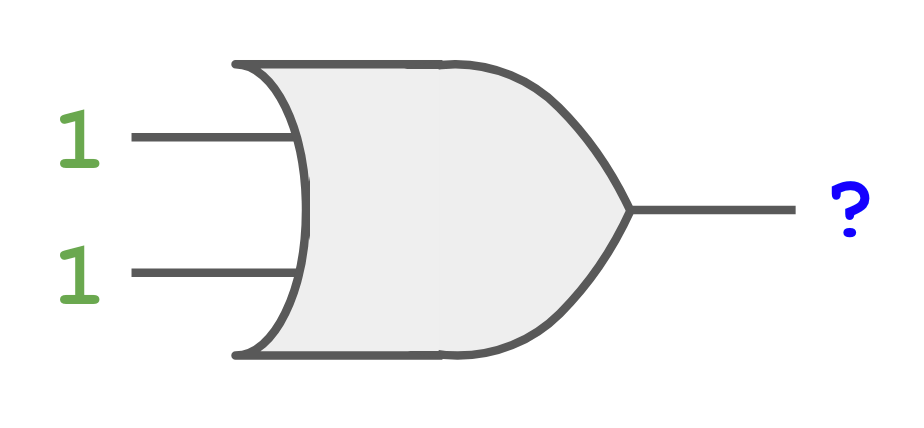
What is the output?

a)

True

b)

False

9.

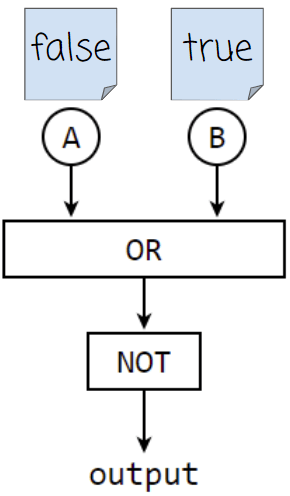
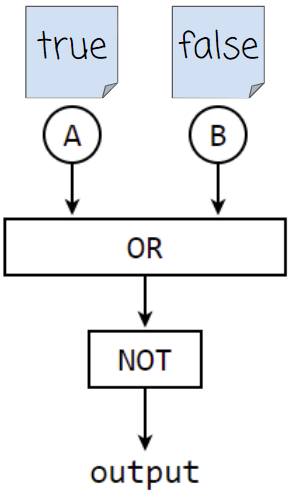
What is the output?

a)

True

b)

False

10.

What is the output?

a)

True

b)

False

11.

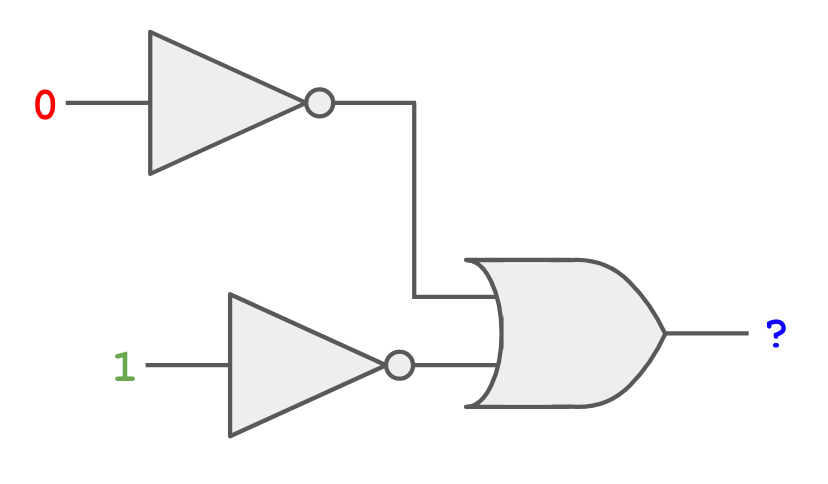
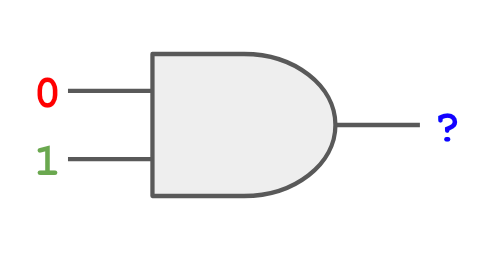
What will the circuit's output be?

a)

1

b)

0

12.

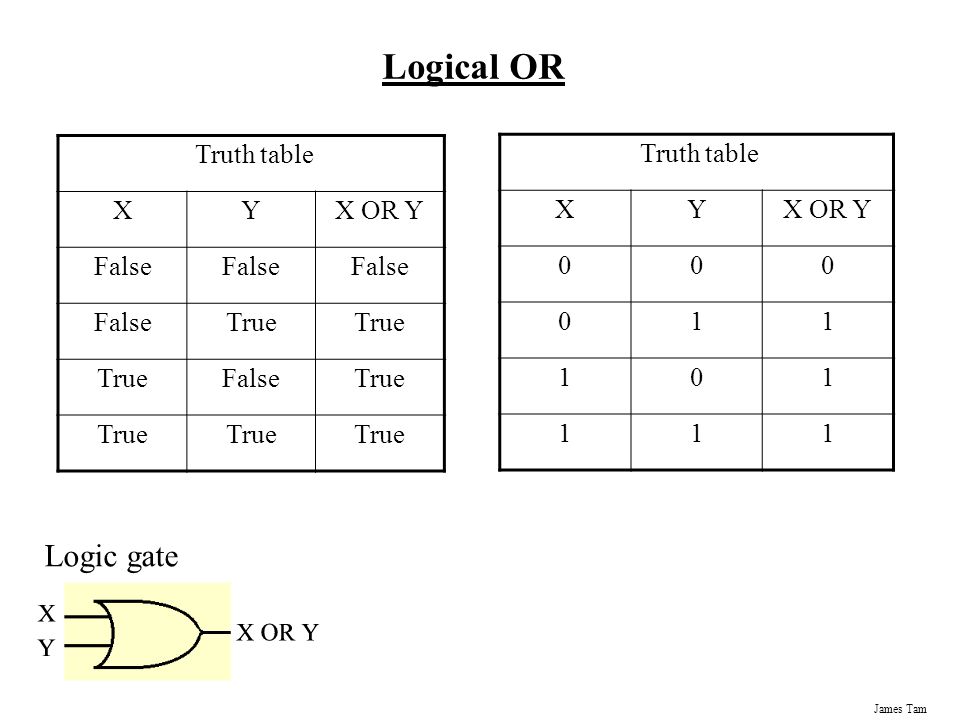
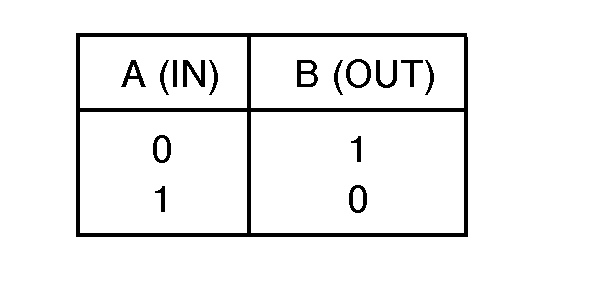
What type of logic gate is this table showing?

a)

AND

b)

OR

c)

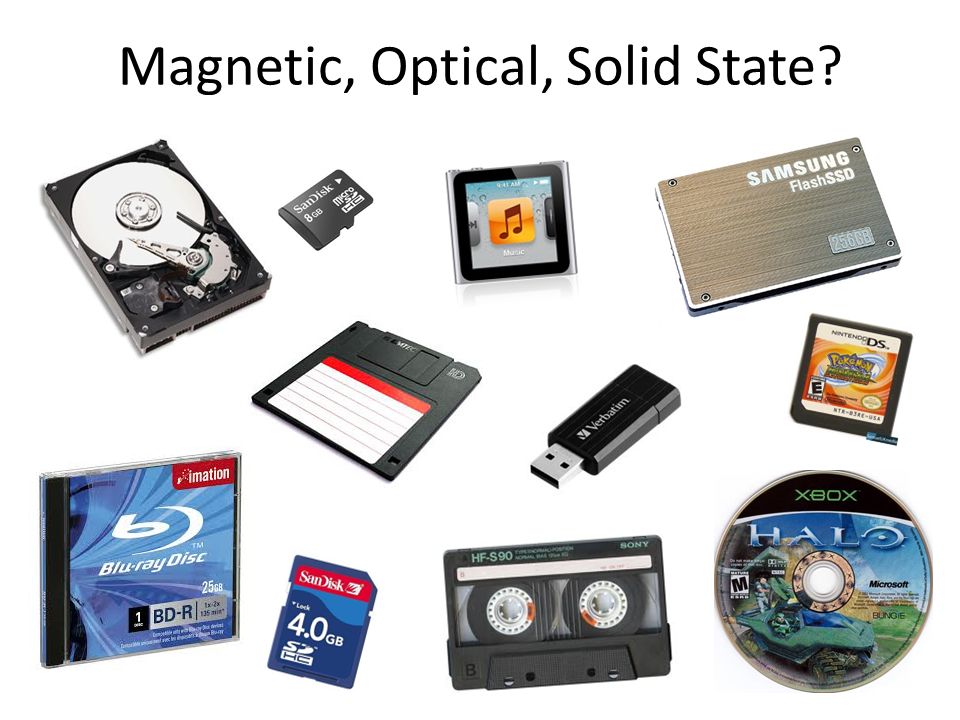
NOT

13.

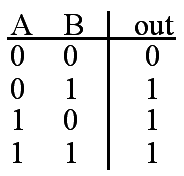
What type of logic gate is this table showing?

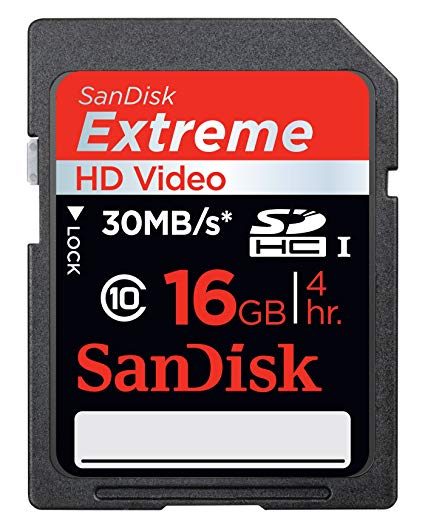
a)

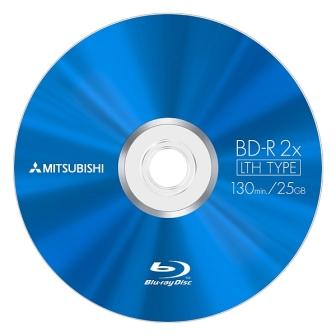
AND

b)

OR

c)

NOT

14.

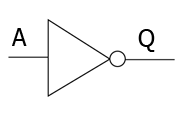
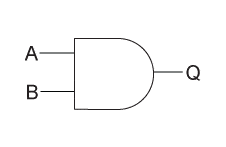
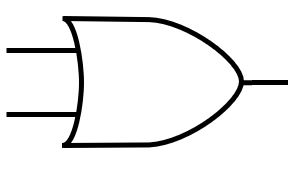
Which logic gate is this?

a)

AND

b)

OR

c)

NOT

15.

Which logic gate is this?

a)

AND

b)

OR

c)

NOT

16.

Which logic gate is this?

a)

AND

b)

NOT

c)

OR

17.

What will this gate's output be?

a)

0

b)

1

18.

What will this gate's output be?

a)

0

b)

1

19.

What will this gate's output be?

a)

0

b)

1

20.

How many different combinations of 1 and 0 are possible with 2 bits?

a)

2

b)

4

c)

6

d)

8

21.

How many different combinations of 1 and 0 are possible with 1 bit?

a)

1

b)

2

c)

3

d)

4

22.

How many different combinations of 1 and 0 are possible with 3 bits?

a)

2

b)

4

c)

6

d)

8

23.

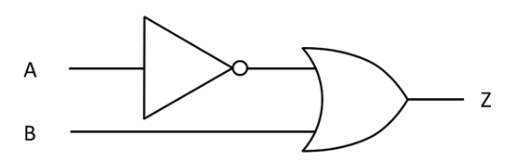
What is the Logic Expression for this circuit?

a)

Z = NOT (A AND B)

b)

Z = NOT (A OR B)

c)

Z = (NOT A) AND B

d)

Z = (NOT A) OR B

24.

How do we get all the inputs for a truth table with 3 inputs?

a)

Guess all the combinations of 1s and 0s

b)

Count up in binary from 000

c)

Count up in binary from 111

d)

Count up in binary from 1

25.

True or False:

AND gates output a 1 if both inputs are 0

a)

True

b)

False

26.

True or False:

NOT gates output the opposite of the input

a)

True

b)

False

27.

Why do we make intermediate columns when constructing truth tables?

a)

Because it gets us more marks

b)

Because it's impossible to get the answer without them

c)

Because it makes working out the solution easier

d)

There is no reason to make them

28.
A logic state can only be….
a)
On or 1
b)
Off or 1
c)
1 or 0
d)
In and Out
29.
The output of any logic gate can have either of two _________ ?
a)
Gates
b)
States
c)
Inputs
d)
Outputs
30.
A truth table lists every possible combination of input and the resulting output
a)
True
b)
False
31.
What kind of gate does this Truth Table represent?
a)
AND
b)
OR
c)
NOT
d)
NOR
32.
What kind of gate does this Truth Table represent?
a)
NAND
b)
AND
c)
XAND
d)
OR
33.

Identify the logic gate.

a)

AND

b)

NAND

c)

OR

d)

XOR

34.

Identify the logic gate.

a)

NOR

b)

XNOR

c)

XOR

d)

OR

35.

Identify the logic gate.

a)

NOR

b)

XNOR

c)

XOR

d)

OR

36.

Which of these are logic gates?

a)

AND

b)

OR

c)

NOT

d)

IF

e)

ELSE

37.

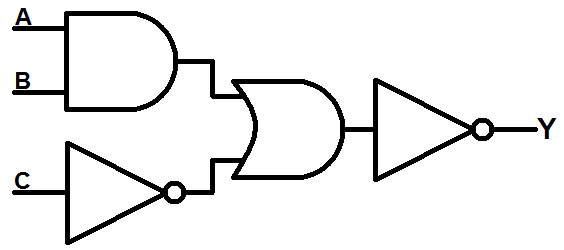
What is the output Y of this logic cricuit if A = 1, B = 1, and C = 1

a)

0

b)

1

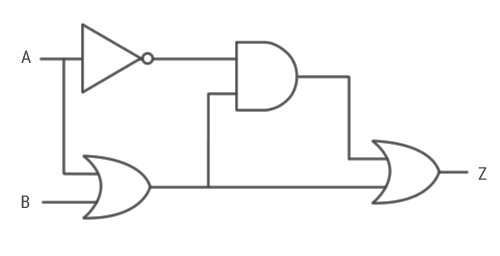
38.

What is the output Z of this logic cricuit if A = 1 and B = 1

a)

0

b)

1

39.
NOT(A OR B) = Q, if A=0 and B=0, what does Q equal?
a)
1
b)
0
40.
(C AND D) OR (NOT(A OR B)) = Q, If A=1, B=1, C=0 and D=1, what does Q equal?
a)
0
b)
1
41.
(NOT A) AND B = Q, If A=0 and B = 1, what does Q equal?
a)
1
b)
0
42.

A=1, B=0, C=0

What is Q?

a)

0

b)

1

43.

A=0, B=1, C=1

What is Q?

a)

0

b)

1

44.

A=1, B=1, C=1

What is Q?

a)

0

b)

1

45.

A=1, B=1, C=0, D=0

What is Q?

a)

0

b)

1

46.

A=0, B=0, C=0, D=1

What is Q?

a)

0

b)

1

47.

A=1, B=1, C=1, D=1

What is Q?

a)

0

b)

1

48.

What will the circuit's output be?

a)

1

b)

0

49.
What does CPU stand for?
a)
Central Processing Unit
b)
Computer Protocol User
c)
Cool Pokemon Unit
d)
Computer Processing Unit
50.
Clock speed measures what?
a)
Speed at which instructions are fetched from main memory
b)
Time taken to perform a single Fetch-Decode-Execute cycle
c)
Number of Fetch-Decode-Execute cycles that can be completed in 1 sec
d)
Speed at which instructions are decoded 
51.
What is the purpose of the memory address register?
a)
It memorises everything
b)
It keeps track of the instructions
c)
It holds the instructions to be carried out by the CPU
d)
It allows you to input something
52.
What is the purpose of the Memory Data Register (MDR)?
a)
Holds the location of where the data is to be stored / read from
b)
Holds memory
c)
Holds instructions
d)
It does nothing
53.
Which component is the Von Neumann Design concerned with?
a)
The CPU and RAM
b)
The CPU
c)
The RAM
d)
Secondary storage
54.
What does ALU stand for?
a)
Arguable Logic Unit
b)
Arithmetic Larger Unit
c)
Arithmetic Logic Unit 
d)
Arithmetic Logic Utility
55.
It consists of two parts: 
Arithmetic part and Logic part
a)
RAM
b)
Clock speed
c)
ALU
d)
Cache
56.

According to the von Neumann model, _______ are stored in memory.

a)

only data

b)

only programs

c)

data & programs

d)

neither data nor programs

57.

Which of these are REGISTERS in the CPU? (Tick ALL that are correct)

a)

Accumulator

b)

ALU

c)

Program Counter

d)

Memory Address Register

e)

Control Bus Register

58.

Tick all options that happen in the FETCH CYCLE?

a)

PC is incremented

b)

The Instruction at the MAR address is read from RAM

c)

The PC value is copied to the MAR

d)

The instruction in the MAR is decoded

e)

The value in the MDR is written to the address in the MAR.

59.
What does MAR stand for?
a)
Main Address Register
b)
Memory Address Register
c)
Massive Address Register
d)
Minimal Age Readable
60.
The small high speed storage areas within the memory and processor are known as..?
a)
Registers
b)
Addresses
c)
Cache
d)
Buses
61.

The Program Counter

a)

Stores the address of the next instruction in memory

b)

Stores the address of where the next item will be fetched from

c)

Stores data fetched from memory, or waiting to be stored in memory

d)

Stores the result of arithmetic calculations

62.

Memory Address Register (MAR)

a)

Stores the address of the next instruction in memory

b)

Stores the address of where the next item will be fetched from

c)

Stores data fetched from memory, or waiting to be stored in memory

d)

Stores the result of arithmetic calculations

63.

Memory Data Register (MDR)

a)

Stores the address of the next instruction in memory

b)

Stores the address of where the next item will be fetched from

c)

Stores data fetched from memory, or waiting to be stored in memory

d)

Stores the result of arithmetic calculations

64.

Accumulator

a)

Stores the address of the next instruction in memory

b)

Stores the address of where the next item will be fetched from

c)

Stores data fetched from memory, or waiting to be stored in memory

d)

Stores the result of arithmetic calculations

65.

The Control Unit

a)

Controls the flow of data around the CPU and also decodes instructions

b)

Only controls the flow of data around the CPU

c)

Only decodes instructions

d)

Controls how much power is directed to all components within the computer

66.
How does a CPU process instructions?
a)
Using the Fetch Decode Execute cycle
b)
Linearly using parallel processing
c)
Using machine code
d)
Through the Control Bus
67.

Which Register would be first to be accessed during the Fetch- Decode- Execute cycle?

a)

PC

b)

MAR

c)

MDR

d)

CIR

68.
The MAR holds the contents of the memory location
a)
True
b)
False
69.

What Do the letters PC stand for in the PC Register

a)

Program Counter

b)

Process Counter

c)

Programmer Counter

d)

Counter Strike

70.
When something is loaded from memory where to you store the memory address? 
a)
The CIR
b)
The MAR
c)
The MDR
d)
The ALU
71.

Used to transmit data between areas of the processor.

a)

Data bus

b)

Address bus

c)

Control bus

72.
The correct order is
a)
Fetch, Decode, Execute
b)
Decode, Execute, Fetch
c)
Execute, Decode, Fetch
d)
Decode, Fetch, Execute
73.

What happens simultaneously as the data is moved to the Memory Address Register?

a)

The instruction is executed

b)

The ALU is prepared to execute arithmetic or logic operations

c)

Data is sent via the data bus to the ALU

d)

The Program Counter is incremented with the memory address of the next instruction to be "fetched"

74.

What is the name of the unit in CPU that controls and coordinates all parts of the computer system?

a)

Arithmetic unit

b)

Logic unit

c)

Control unit

d)

Registers

75.

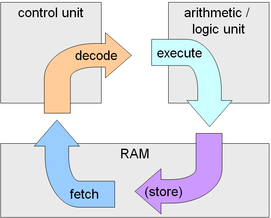
This cycle is called

a)

Execution Cycle

b)

The Fetch-Execute cycle

c)

Fetch Cycle

76.

The instructions are transferred from the main memory and stored temporarily in small memories within the CPU called registers.

a)

Executing of instructions

b)

Decoding of instructions

c)

Storing of results

d)

Fetching of instructions

77.

The results of executing instructions are placed in the main memory.

a)

Executing of instructions

b)

Decoding of instructions

c)

Storing of results

d)

Fetching of instructions

78.
What connects the processor and memory?
a)
Buses
b)
Cache
c)
NIC
d)
Control Unit
79.
Which of these is not a bus within the computer?
a)
I/O Bus
b)
Address Bus
c)
Data Bus
d)
Control
80.
Which of these buses is bi-directional?
a)
Data Bus
b)
Control Bus
c)
Address Bus
d)
Cache Bus
81.
Which bus is used to send read and write signals to a storage device such as a HDD?
a)
Control Bus
b)
Data Bus
c)
Address Bus
d)
I/O Bus
82.
The location of where data can be found in the computer memory is called the?
a)
Address
b)
Coordinates
c)
Register
d)
Cache
83.

Memory that uses secondary storage so that it seems like an entire program is running from RAM

a)

Cache Memory

b)

Virtual Memory

c)

Flash Memory

d)

Registers

84.
ROM Vs RAM: What is used to boot up the computer when it is switched on...
a)
RAM
b)
ROM
85.
ROM Vs RAM: All the contents are lost when the power is turned off..
a)
RAM
b)
ROM
86.
RAM temporarily stores data you are working on and applications you have open
a)
True
b)
False
87.
Volatile memory that runs the Operating System and other applications
a)
Cache Memory
b)
RAM
c)
Virtual Memory
d)
Registers
88.
ROM Vs RAM: Which one is non-volatile?
a)
ROM
b)
RAM
89.
Increased RAM in computer systems means..
a)
More programs can run simultaneously 
b)
Larger files can be processed
c)
Changes to files will not need to be saved
d)
Virtual memory can run simultaneously 
90.
RAM & ROM are known as what kind of memory?
a)
Secondary storage
b)
Main memory
c)
Registers
d)
Flash memory
91.
What does the acronym RAM stand for?
a)
Random Alignment Memory
b)
Read Access Memory
c)
Random Access Memory
d)
Read All Memory
92.
What does the acronym ROM stand for?
a)
Read Only Memory
b)
Random Option Memory
c)
Read Once Memory
d)
Random Operating Memory
93.
In terms of computer memory, what is meant by the term 'volatile'?
a)
It retains its content when power is cut
b)
It loses its contents when power is cut
c)
It is not stable and should not be used
d)
Memory chips can overheat
94.
Which statement best describes RAM?
a)
Fast, permanent storage
b)
Slow, volatile stoage
c)
Fast, volatile storage
d)
Slow, permanent storage
95.
Which statement best describes ROM?
a)
A flash memory chip that contains a small amount of non-volatile memory
b)
A memory store containing a large amount of volatile memory
c)
A register within the CPU responsible for storing memory addresses
d)
A memory store containing a small amount of volatile memory
96.
What is usually held in the contents of RAM?
a)
BIOS and Boot sequence needed to start the computer
b)
Operating System and currently running programs
c)
Software programs stored within the computer
d)
Recently executed instructions in case they are needed again
97.
What is stored in Read Only Memory (ROM)?
a)
Recently opened programs
b)
Operating system and currently running programs
c)
BIOS and boot sequence (the computer's initial start-up process)
d)
The CPU's registers
98.
True or False? The closer a memory type is to the CPU, the slower it takes for the CPU to access the instructions and execute them. However, the closer it is to the CPU the larger and cheaper the memory is.
a)
TRUE
b)
FALSE
99.
Found in the computer's BIOS, what actually is the 'bootstrap'?
a)
The program which takes the computer through steps that lead up to the loading of the operating system (OS)
b)
The program responsible for loading the drives for peripheral devices like the keyboard and mouse
c)
The computer's initial start-up process
d)
The device used to attach the ROM to the computer's motherboard
100.
Why is Virtual Memory needed or used by a computer?
a)
When RAM becomes full because of too many programs running at once
b)
When ROM is too small and struggles to store the Operating System
c)
When users wish to store data on an external server such as 'the cloud'
d)
When chosen by the user or computer administrator
101.

Ram is a Temporary Memory

a)

True

b)

False

102.

A secondary memory can also be called as

a)

Backup Memory

b)

Main memory

c)

Internal memory

103.

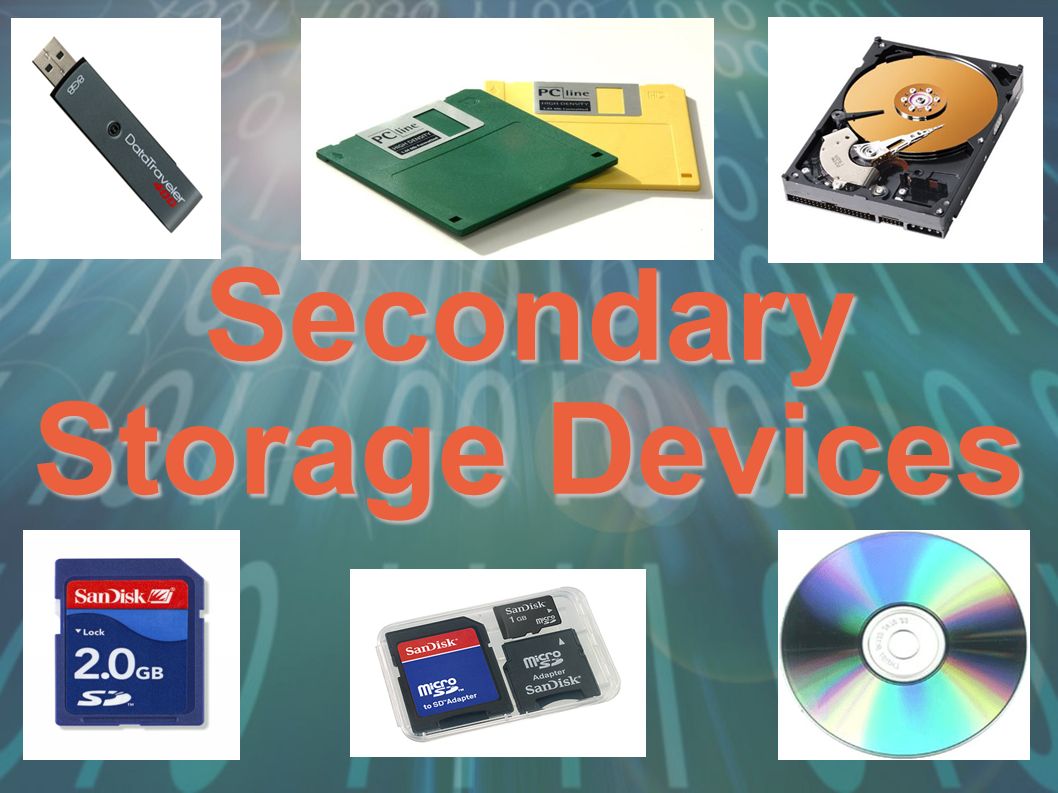
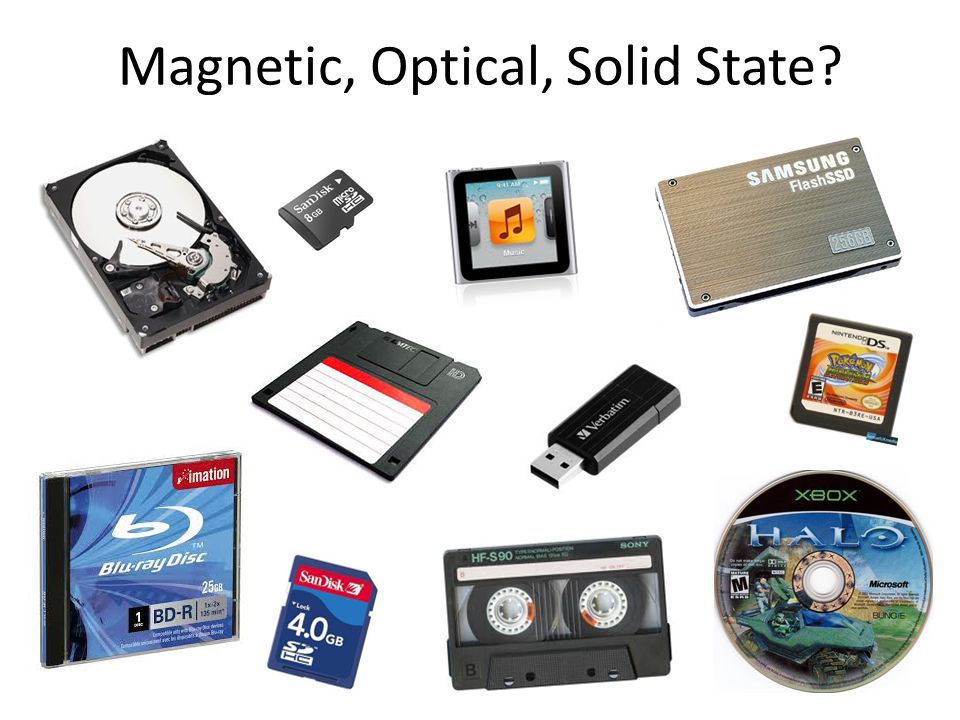
Secondary storage devices can be grouped into three categories - what are they?

a)

Magnetic, Flash and Optical

b)

Magnetic, Optical and Solid State

c)

Solid State, Flash and Hard Drives

d)

Hard Drives, CDs and USBs

104.

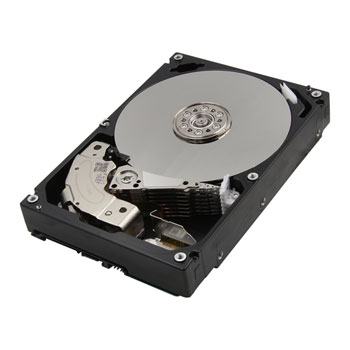
Hard Disk Drives are a type of...

a)

Optical storage device

b)

Magnetic storage device

c)

Solid State memory

d)

Primary memory

105.

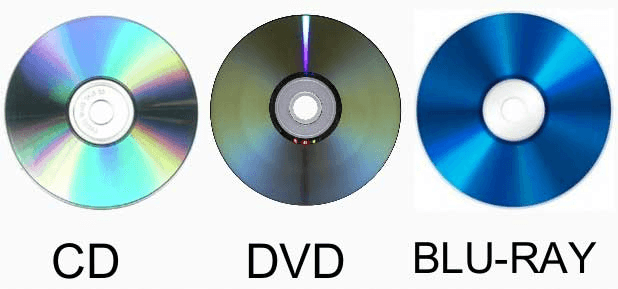
CDs, DVDs and Blu-Rays are all types of...

a)

Magnetic storage devices

b)

Optical storage devices

c)

Solid State memory

d)

Primary memory

106.

What category of storage device is a HD card?

a)

Magnetic

b)

Optical

c)

Solid state

d)

Primary memory

107.

What category of storage is a Blu-Ray disk?

a)

Magnetic

b)

Optical

c)

Solid State

d)

Primary memory

108.

Which of the 3 categories of secondary storage is the least durable due to its moving parts?

a)

Optical storage

b)

Primary memory

c)

Solid state storage

d)

Magnetic storage

109.

Which category of secondary storage devices has the fastest access speeds? (i.e. quicker to read and write to)

a)

Magnetic storage

b)

Solid state storage

c)

Primary memory

d)

Optical memory

110.

Which category of secondary storage devices has the slowest access speeds? (i.e. slower to read and write to/from)

a)

Magnetic devices

b)

Optical devices

c)

Solid state memory

d)

Primary storage

111.

Which category of secondary storage devices uses beams of light and lasers that read "pits" and "lands" as binary 1s and 0s?

a)

Magnetic storage

b)

Optical storage

c)

Solid state storage

112.

Which category of secondary storage devices uses semiconductor chips to store data? It is also known as flash memory.

a)

Magnetic storage

b)

Optical storage

c)

Solid state

113.

Which of the TWO categories of secondary storage devices are highly portable? (i.e. easy to carry)

a)

Magnetic and Optical

b)

Solid state and Optical

c)

Solid state and Magnetic

114.

Which of the secondary storage categories are the most durable (or strong/ toughest to break)?

a)

Magnetic

b)

Solid State

c)

Optical

d)

Primary memory

115.
Secondary storage is usually smaller than memory
a)
True
b)
False
116.
Which is the Optical Storage
a)
DVD
b)
HDD
c)
SSD
d)
USB
117.
Magnetic disks are organised into.....
a)
circles and wedges
b)
sectors and tracks
c)
chunks and stretches
d)
disks and docks
118.
A disadvantage of hard drives is
a)
They have moving parts
b)
They are volatile
c)
They don't last long
d)
They are hard to use
119.
The main difference between DVDs and CDs is 
a)
Cost 
b)
Durability
c)
Laser wavelength
120.
Solid State Drives use
a)
Non Volatile Flash Memory
b)
Volatile Flash Memory
c)
Volatile Storage Memory
d)
Non Volatile Magnetic Memory
121.

What is primary storage?

a)

The hard drive

b)

Memory

c)

Network server

d)

Cloud storage

122.

Why is secondary storage needed?

a)

It is non-volatile

b)

It is volatile

c)

It is quicker

d)

It is online

123.

What is the advantage of an SSD?

a)

Cheaper

b)

Smaller

c)

Bigger

d)

Faster