
 Worksheets
3rd 9 weeks CQA
Total questions: 70
Worksheet time: 35mins

It is one way of “walking the talk” or Modeling the Way.
It builds trust with their teams.
It builds credibility.
All of these

Personal power with others is far more effective than positional power over others.
It’s good to be liked by others.
Strong relationships are easy.
Leadership is not a relationship.

Honest
Charismatic
Inspirational
Competent

Without clear goals a team cannot achieve their objectives.
Expectations are not important.
Teams should set their own expectations.
The market should determine our expectations.

Discussing where we are and where we want to be.
Enthusiastically speak about the significance of our work.
Talk about the mistakes of the past.
Share how the team member’s dreams and desires can be realized with the dream.

True
False

Leadership is everyone’s business.
Leadership is a relationship.
The best leaders are the best learners
All are leadership fundamentals!

It is a great way to get buy-in
It motivates them to do better
It reduces absenteeism
All of these

As a leader you are key in motivating others by tapping into the shared vision that inspires them.
True
False

shouting
metaphor
common good
ideal

Don’t worry yourself, so you will do (the right thing).
Do what you say you will do.
Do what you say you won’t do.
Don’t do what you said you will never do.

Who?
When?
Where?
Why?

Fear of reprimand.
It’s just what I do (or my parents did).
Meaning and purpose.
For the money.

True
False

Search outward for opportunities to improve.
Experiment and take risks.
Generate small wins and learn from experience.
All of these

True
False

Set achievable goals.
Make concrete plans.
Establish measurable milestones.
Tell others what to do.

Encourage learning from mistakes.
Fire those who fail
Make mistakes and failures public.
Public floggings continue until morale improves.

True
False

By increasing self-determination.
By developing competence.
Both of These

Build teams with spirit and a sense of community.
Develop collaborative goals.
Foster cooperative relationships.
Take credit for successes.

True
False

True
False

True
False

Strong
Effective
Capable
All of these

Be the first to trust
Withhold knowledge and information
Think others first
Show that you can be trusted

Saying, “Good Job."
Giving specific, meaningful, and timely praise.
Wait a month to praise him or her.

We should recognize contributions by showing appreciation for both individual and group excellence.
We should celebrate values and victories by creating a spirit of community.
Good leaders find ways to celebrate accomplishments.
All of these

Which of the following is not one of the Five Practices of Exemplary Leaders?
Model the Way
Inspire separate visions
Challenge the Process
Enable others to act

They have a growth mindset.
They believe people can grow and improve.
Both of these

Only for those born with special talents.
Only for a select few.
Everyone's business
Only for those with charisma

The production of farm and animal products, wood and other natural resources.
Government and Public Administration
Agriculture, food, and natural resources
Transportation, Distribution, and Logistics
Business Management and Administration

Designing and building residential, commercial, and public buildings and infrastructure.
Government and Public Administration
Education and Training
Architecture and Construction
Hospitality and Tourism

Designing, creating, and showing visual and performing arts, and movies and television.
Arts, Audio/Visual Technology, and Communications
Marketing
Manufacturing
Finance

Organizing and directing business functions essential to productive business operations.
Business Management and Administration
Government and Public Administration
Education and Training
Hospitality and Tourism

Plan, manage, and provide education and training services. Teach.
Finance
Education and Training
Marketing
Manufacturing

Financial and investment planning, banking, and insurance services.
Manufacturing
Hospitality and Tourism
Marketing
Finance

The carrying out, management, and administration of federal, state, and local government.
Government and Public Administration
Business Management and Administration
Marketing, Sales, and Service
Transportation, Distribution, and Logistics

Diagnosis and treatment of medical conditions.
Health Science
Human Services
Education and Training
Manufacturing

Managing and operating hotels, restaurants, and vacation destinations and travel related services.
Health Science
Human Services
Hospitality and Tourism
Education and Training

Services for family and human needs especially during times of difficulty.
Education and Training
Hospitality and Tourism
Health Science
Human Services

Development and management of computer, multimedia, and systems integration services.
Agriculture, Food, and Natural Resources
Information Technology (IT)
Finance
Marketing, Sales, and Service

Legal and public safety services.
Agriculture, Food, and Natural Resources
Human Services
Health Science
Law, Public Safety, Corrections, and Security

The processing of raw materials into products.
Manufacturing
Marketing
Finance
Hospitality and Tourism

Planning, managing, and performing marketing activities to reach organizational objectives.
Marketing
Finance
Human Services
Health Science

Planning, managing, and providing scientific research, engineering new ideas, and solving complex mathematics
I.T.
E.T.
S.T.E.M.
S.E.S.M

Management and movement of people, materials, and goods by road, pipeline, rail, air, and water.
Law, Public Safety, Corrections, and Security
Transportation, Distribution, and Logistics
Marketing, Sales, and Service
Business Management and Administration
True or False: A Career cluster is a group of careers that share common features.
True
False
True or False: If you like one job in a cluster, you will probably find other jobs in that cluster that you will like as well.
True
False

A FARMER is a job that fits under which career cluster:
Agriculture, Food and Natural Resources
Architecture & Construction
Arts, A/V Technology, and Communications

A PLUMBER is a job that fits under which career cluster:
Business Management and Administration
Architecture & Construction
Arts, A/V Technology, and Communications

A TATTOO ARTIST is a job that fits under which career cluster:
Agriculture, Food and Natural Resources
Architecture & Construction
Arts, A/V Technology, and Communications

An EVENT PLANNER is a job that fits under which career cluster:
Human Services
Architecture & Construction
Arts, A/V Technology, and Communications

A TEACHER is a job that fits under which career cluster:
Education and Training
Government and Public Administration
Finance

A BANK TELLER is a job that fits under which career cluster:
Education and Training
Government and Public Administration
Finance

A POSTAL WORKER is a job that fits under which career cluster:
Education and Training
Government and Public Administration
Finance

A DENTIST is a job that fits under which career cluster:
Education and Training
Health Science
Finance

A WAITER is a job that fits under which career cluster:
Hospitality and Tourism
Human Services
Information Technology

A FIRE FIGHTER is a job that fits under which career cluster:
Hospitality and Tourism
Law, Public, Safety, Corrections and Security
Information Technology

A COMPUTER PROGRAMMER is a job that fits under which career cluster:
Hospitality and Tourism
Human Services
Information Technology

A WELDER is a job that fits under which career cluster:
Manufacturing
Marketing
Law, Public, Safety, Corrections and Security

A STORE MANAGER is a job that fits under which career cluster:
Law, Public, Safety, Corrections and Security
Marketing
Transportation, Distribution and Logistics

A PILOT is a job that fits under which career cluster:
Manufacturing
Marketing
Transportation, Distribution and Logistics

A CHEMIST is a job that fits under which career cluster:
Science, Technology, Math & Engineering (STEM)
Marketing
Transportation, Distribution and Logistics
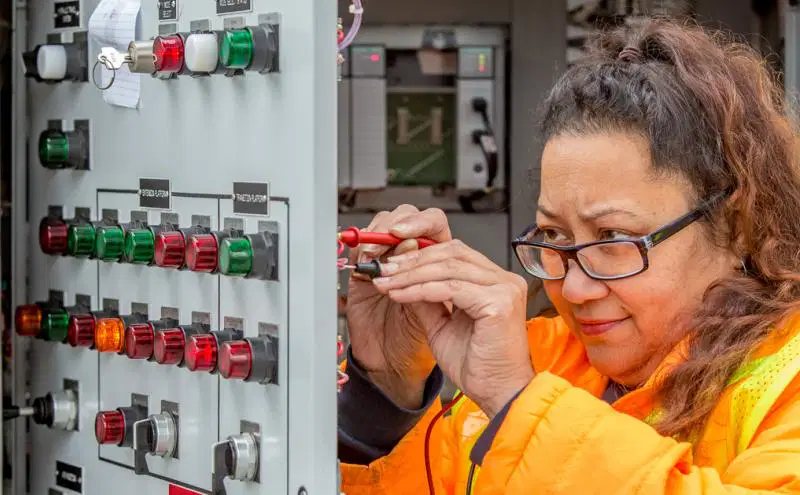
People interested in the work of an ELECTRICIAN like activities that include (a) , (b) problems and solutions.
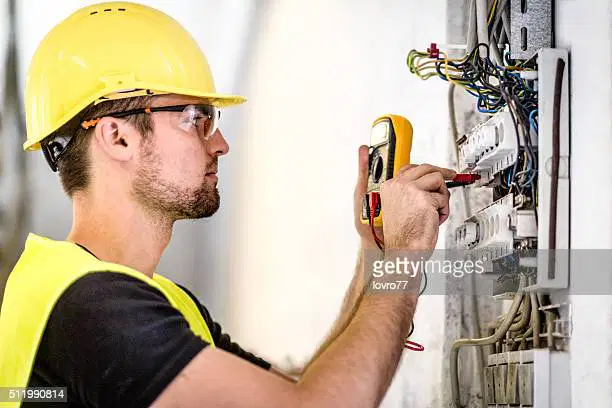
The average salary for an electrician is:
$37,020
$99,800
$60,040
$60,000

Electricians (a) , (b) , and repair electrical wiring, equipment, and (c) . Ensure that work is in accordance with (d) .

An electrician needs what level of education?
certificate after high school or a high school diploma/GED
associate's degree
bachelor's degree
master's degree

a statement of your beliefs or aims which guide your actions (select the answer according to our notes - you should have written a 1 sentence one of these)
credo
motto
goal
action plan
label the quadrants of the Blake Mouton Grid

