
 Worksheets
Unit 2 Test Review: Weather and Climate
Total questions: 26
Worksheet time: 16mins
The daily changes we see outside is called
climate.
weather.
precipitation.
temperature.
_____________ is what usually happens from year to year.
A tropical cyclone
Climate
Hurricanes
Precipitation
Why is it always cooler by the water on a hot summer day?
Water heats up slowly.
Thunderstorms cool things off.
Precipitation makes it feel cooler.
Warm water moves north.
Changes in weather conditions over a long period of time is called
Temperature
Weather
Precipitation
Climate

What is a picture of
Warm front
Cold front
Heat front
High pressure
The average temperature in Hawaii during the winter is between 72 and 82 degrees. This doesn’t change from year to year.
There was a light drizzle this morning as I left for school, but it cleared to sunny skies by lunchtime.

What question could students answer after reading this map?
What is the temperature in Alaska?
What is the climate for the majority of the U.S.?
What is the difference in population of the Northern hemisphere compared to the Southern hemisphere?
Which city has the most rainfall for the month of September?

What landform causes a rain shadow?
grassland
bay
mountain
What will happen when the relative humidity of an air mass reaches 100%?
The relative humidity will stay at 100%
The relative humidity will continue to increase.
Precipitation will likely stop.
Precipitation is likely to occur.
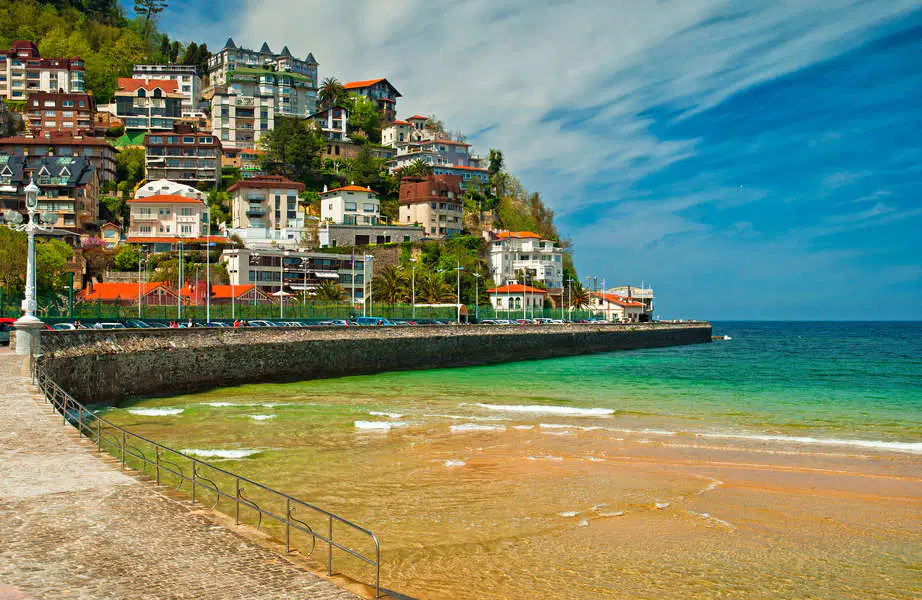
Oceans (large bodies of water) (a) temperatures and causes (b) precipitation of nearby areas.

There are many factors that affect climate, but what are the two most important factors when describing climate?
Prevailing Winds and Ocean Currents
Temperature and Precipitation
Air pressure and Humidity
Elevation and Latitude

How does latitude affect the climate of an area?
The higher the latitude, the warmer the temperature.
The higher the latitude, the lower the temperature.
The higher the latitude, the more precipitation.
The higher the latitude the less precipitation.
Air masses have properties from where they...
were formed
end up

Which air mass would bring warm and wet weather?
purple
green
blue
yellow
red

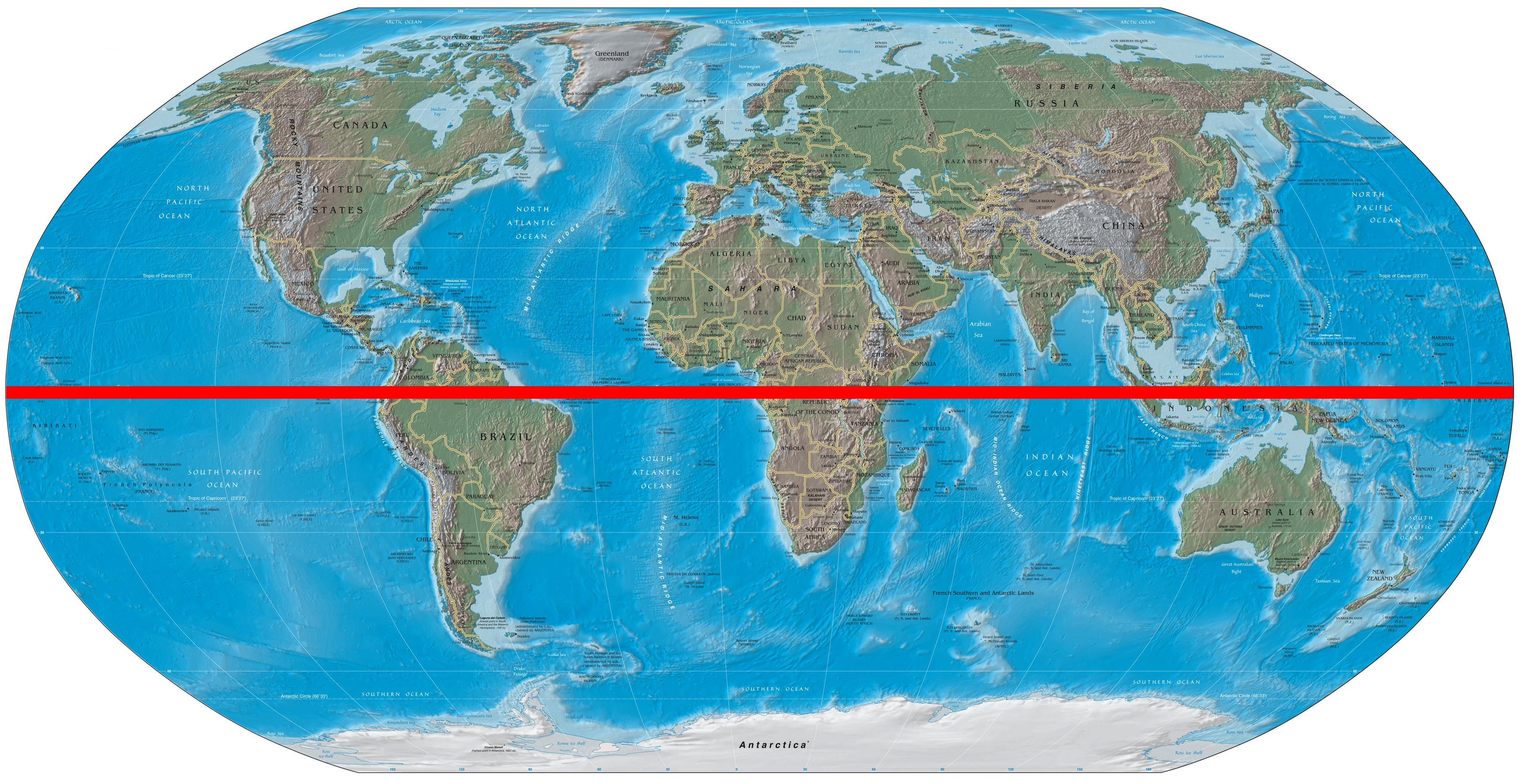
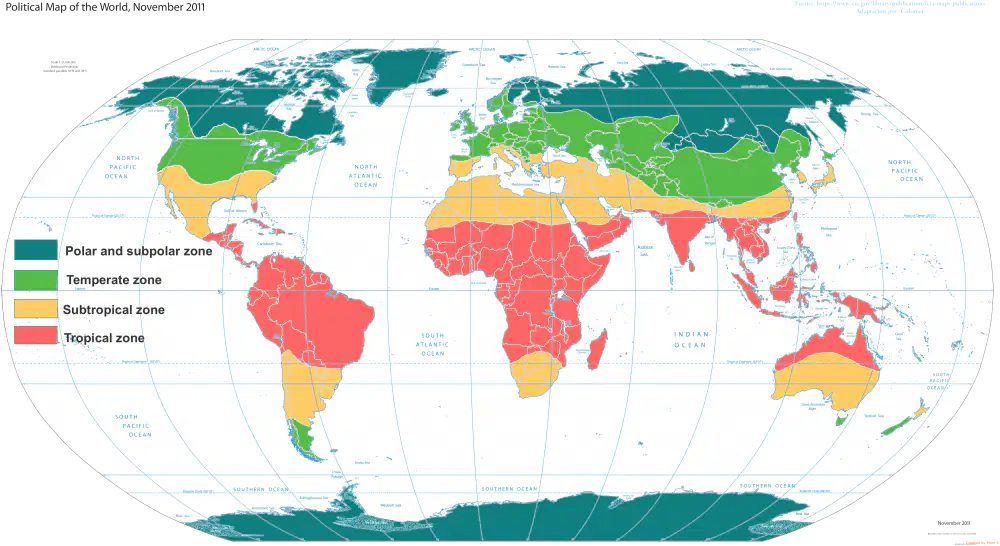
What zone is the United States in?
Temperate
Polar
Tropical

