wayground logo

Free Printable Worksheets

Font size

S
M
L
XL
Worksheets

Food Webs

Total questions: 55

Worksheet time: 1hrs 5mins

Name
Class
Date
1.
All energy on Earth ultimately comes from what source?
a)
Water
b)
Sun
c)
Consumers
d)
Oxygen
2.
The animals that predators eat
a)

Predators

b)

Consumer

c)

Plants

d)

Prey

3.
What does a food chain represent?
a)
How all living organisms within a habitat are connected.
b)
All of the things that a particular animal eats.
c)
How plants create their own food.
d)
A single path of energy transfer within a habitat.
4.
The arrows in a food chain or web represents what?
a)
They point to the organism that is being eaten.
b)
It shows how sunlight flows within an ecosystem.
c)
They show what direction the energy is flowing between organisms. 
d)
They represent how water is transferred within a habitat.
5.

Why might an organism have more than one arrow coming from them in a food web?

a)

More than one organism may eat them.

b)

They may eat more than one other organism.

c)

This organism gets its energy from multiple sources.

6.
The largest group of organisms found in a food web would be:
a)
Primary Consumers
b)
Producers
c)
Decomposers
d)
Tertiary Consumers
7.
The rabbit in this food web would be considered a:
a)
Decomposer
b)
Producer
c)
Secondary Consumer
d)
Primary Consumer
8.
The mouse in this food web would be considered a:
a)
Primary Consumer
b)
Producer
c)
Tertiary Consumer
d)
Secondary Consumer
9.
The shrew provides energy for the _______?
a)
cricket
b)
grasshopper
c)
frog
d)
snake
10.
What is this called?
a)
Food Web
b)
Food Chain
c)
Abiotic Factors
11.
Where does the energy start in this food chain?
a)
Plant
b)
Sun
c)
Deer
d)
Wolf
12.
Which organism do the owl and the weasel compete for in the food web?
a)
Hawk
b)
Spider
c)
Grasshopper
d)
Shrew
13.
Which of the following would be the most likely effect, if there were a sudden increase in the cricket population?
a)
There would be a decrease in the small bird population.
b)
There would be a decrease in the grass/flowers population.
c)
There would be a decrease in the mice population.
d)
There would be an increase in the grass/flowers population.
14.
What is this called?
a)
Food Web
b)
Food Chain
c)
Abiotic Factors
15.
What does a Primary Consumer eat?
a)
Tertiary Consumers
b)
Secondary Consumers
c)
Producers
16.
An organism that lives by breaking apart dead organic matter into simpler parts is...
a)
scavenger
b)
consumer
c)
decomposer
d)
carnivore
17.
In a food web, arrows point at:
a)
who gets energy.
b)
who gets eaten.
18.
Bacteria, fungi, and earthworms are examples of: 
a)
scavengers
b)
predators
c)
prey
d)
decomposers
19.
Lions only eat buffalo, antelopes, zebras and crocodiles. They are called __________.
a)
Omnivore
b)
Herbivore
c)
Carnivore
d)
Delivore
20.
Bears eat fish, insects, plants, seeds, nuts and young elk. They are called __________.
a)
Franivore
b)
Carnivore
c)
Herbivore
d)
Omnivore
21.
Which level will contain plants?
a)
A
b)
B
c)
C
d)
D
22.
Which is a producer?
a)
deer
b)
tall grass
c)
lion
d)
worm
23.
An organism that needs to eat other organisms to obtain energy is known as a:
a)
Autotroph
b)
Producer
c)
Consumer
d)
Mutualist
24.
An organism that uses sunlight to create its own food is known as a:
a)
Producer
b)
Heterotroph
c)
Consumer
d)
Decomposer
25.
Maria and her classmates are observing animals at the pond. They notice that wood storks and ibisies both feed on fish. Which of these describes the relationship between these two birds.
a)
Parasitism
b)
Competition
c)
Predator and prey
d)
Producer and consumer
26.
Which pair of organisms listed below are competitors for the same natural resources?
a)
Ticks and dogs
b)
Lions and leopards
c)
Honeybees and flowers
d)
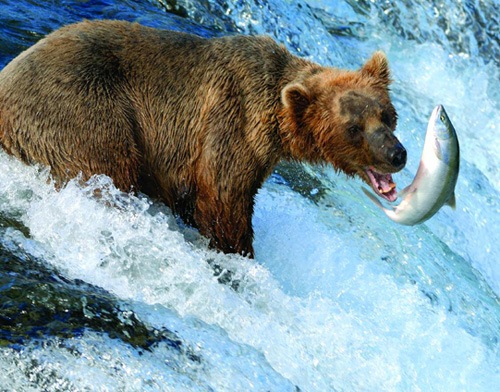
Salmon and brown bears
27.
An organism that kills and eats another for food
a)
Predator
b)
Prey
c)
Parasite
d)
Plant
28.
An organism that is killed and eaten by another organism
a)
Predator
b)
Prey
c)
Parasite
d)
Host
29.

Organism that makes its own food

a)

consumer

b)

producer

c)

decomposer

d)

predator

30.

Overlapping food chains

a)

food cycle

b)

food network

c)

food system

d)

food web

31.

Consumer that eats only other animals

a)

omnivore

b)

frugivore

c)

carnivore

d)

herbivore

32.

Consumer that eats only plants

a)

omnivore

b)

insectivore

c)

carnivore

d)

herbivore

33.

If a disease strikes the snakes the rabbits will

a)

increase

b)

decrease

c)

not be affected

34.

If a disease strikes the snakes the hawks will

a)

increase

b)

decrease

c)

not be affected

35.

If the number of prey decreases, what happens to the population of their predators?

a)

Increases

b)

Decreases

c)

Stays the same

36.
An organism that needs to eat other organisms to obtain energy is known as a:
a)
Autotroph
b)
Producer
c)
Consumer
d)
Mutualist
37.
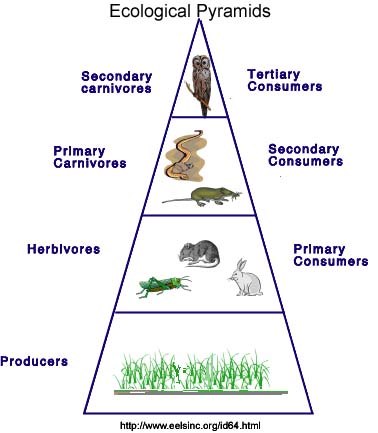
An energy pyramid represents what?
a)
How much sunlight is available for the ecosystem to use. 
b)
How much energy a particular organism needs. 
c)
How much energy is needed to build a pyramid. 
d)
The amount of energy available to the next 'feeder' in a food web.
38.
The largest group of organisms found in a food web would be:
a)
Primary Consumers
b)
Producers
c)
Decomposers
d)
Tertiary Consumers
39.
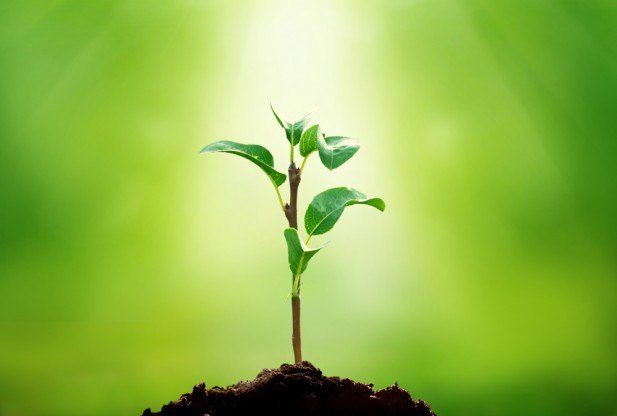
The image provided is an example of a:
a)
Producer
b)
Heterotroph
c)
Consumer
d)
Decomposer
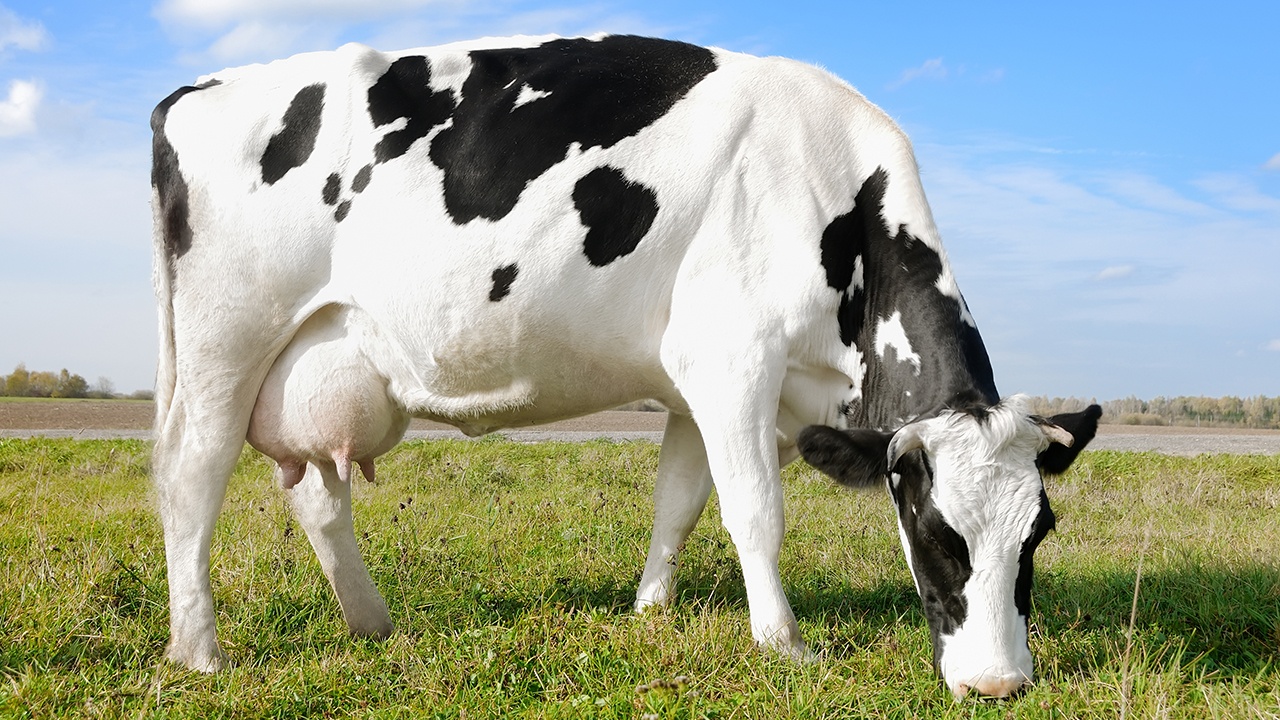
40.
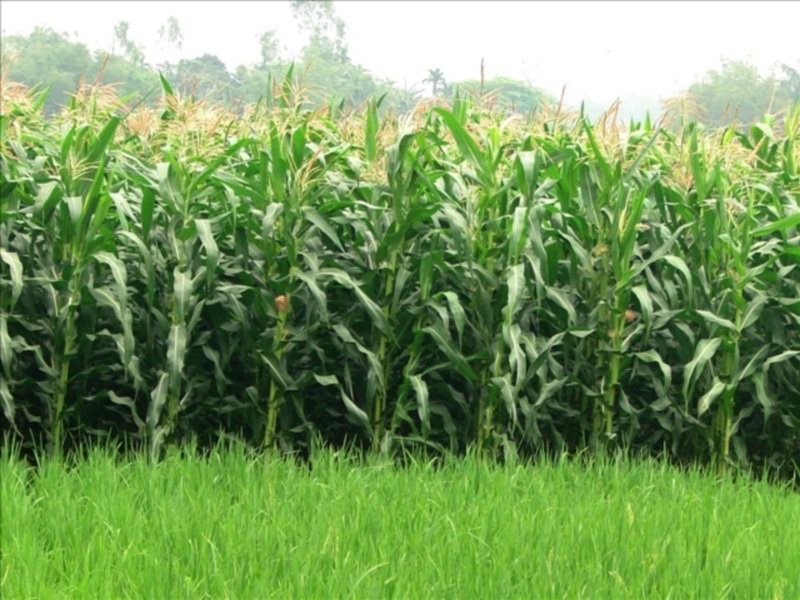
The image provided is an example of a(n):
a)
Autotroph
b)
Carnivore
c)
Herbivore
d)
Decomposer
41.
Which is a producer?
a)
deer
b)
tall grass
c)
lion
d)
worm
42.

An animal that eats both plants and animals

a)

carnivore

b)

omnivore

c)

herbivore

d)

producer

43.

What type of organism is at the beginning of every food chain?

a)

predator

b)

carnivore

c)

producer

d)

herbivore

44.

This diagram shows how energy flows through an eco-system. What is the first source of energy in this pyramid?

a)

sharks and large birds

b)

algae, plankton and seagrass

c)

herbivorous fish, crustaceans and sea urchins

d)

seals and carnivorous fish

45.
Which one is NOT an example of a decomposer?
a)
mushroom
b)
leaves
c)
mold
d)
worm
46.
How does building, constructing roads, cutting down trees, and pollution affect a habitat?
a)
increases the size of a habitat
b)
increases animal population
c)
increases food supply
d)
destroys a habitat
47.
What will an animal do if their habitat changes?
a)
they will adapt
b)
none will adapt and they will all die
c)
some will adapt, some will leave, and others will die
48.
The place where an organisms lives
a)
Home
b)
Habitat
c)
Community
d)
Population
49.
Cactus. Is it a.....
a)
Producer
b)
Consumer
c)
Decomposer
50.
Examples of a producer
a)
frog
b)
algae
c)
worm
d)
mouse
51.

An __________ is a community made up of living and nonliving things in their natural environment.

a)

organism

b)

animal

c)

ecosystem

d)

habitat

52.

____________ do not grow, need food, or reproduce.

a)

Living things

b)

Organisms

c)

Ecosystems

d)

Nonliving things

53.

_________ grow, change, produce waste, reproduce, and die.

a)

Rocks

b)

Water

c)

Living things

d)

Stars

54.

Living things depending on non living things to meet their own needs for survival is called...

a)

caring

b)

sharing

c)

interaction

d)

interdependency

55.
If a disease destroying barley plants in a field swept through an ecosystem, what would happen to the barley eating bird population in the the field ?
a)
The bird population would stay the same
b)
The bird population would increase fast
c)
The bird population would decrease