
 Worksheets
*The Civil War
Total questions: 28
Worksheet time: 28mins

a conflict between groups in the same country
war of worlds
international war
civil war
world war

To break away from a group (to separate)
to be neutral
to put together
to secede
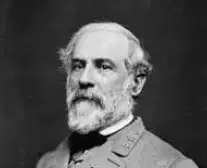
Confederate general that defeated Union troops at Fredericksburg
Robert E. Lee
Abraham Lincoln
John Brown
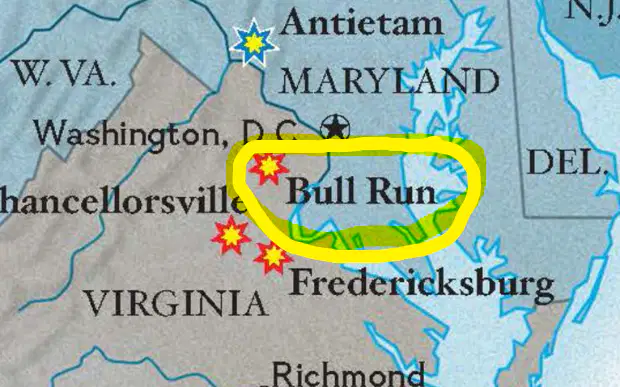
Where was the first land battle in Virginia during the Civil War?
Merrimack vs. Monitor
Battle of Fredericksburg
French and Indian war
Battle of Bull Run (Manassas)

An abolitionist who tried to start a slave rebellion by attacking an armory at Harpers Ferry, VA.
loyalists
Robert E. Lee
King George
John Brown

President during the Civil War who issued the Emancipation Proclamation which freed slaves.
George Washington
Thomas Jefferson
Nat Turner
Abraham Lincoln
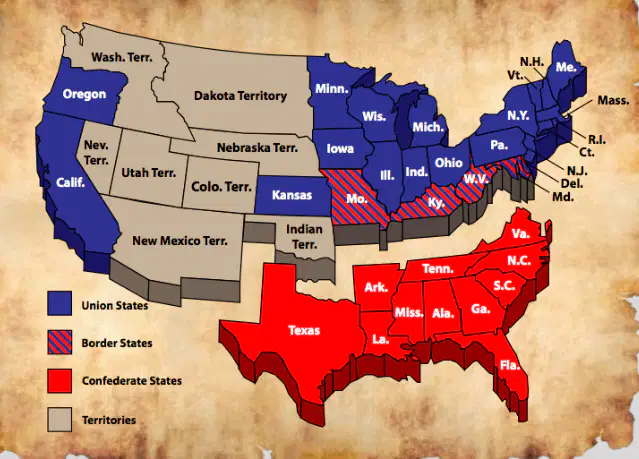
Which states supported enslaving African Americans?
territories
union states
border states
confederate states
Which states were against enslaving African Americans?
territories
union states
border states
confederate states
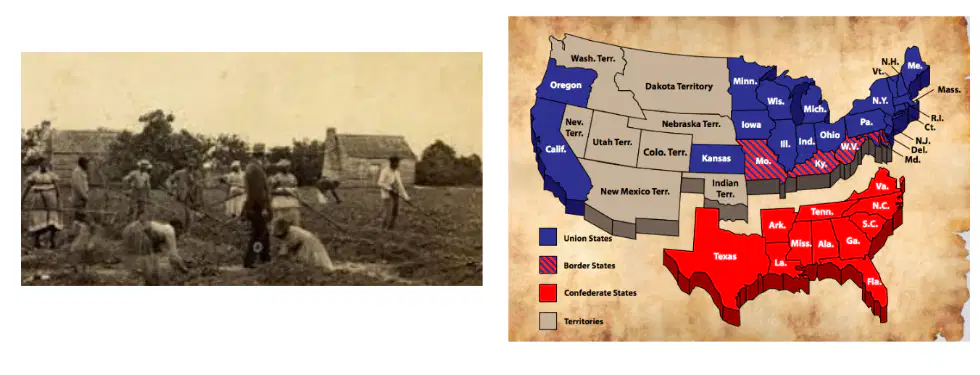
Which states had an agricultural (farming) economy?
territories
union states
border states
confederate states
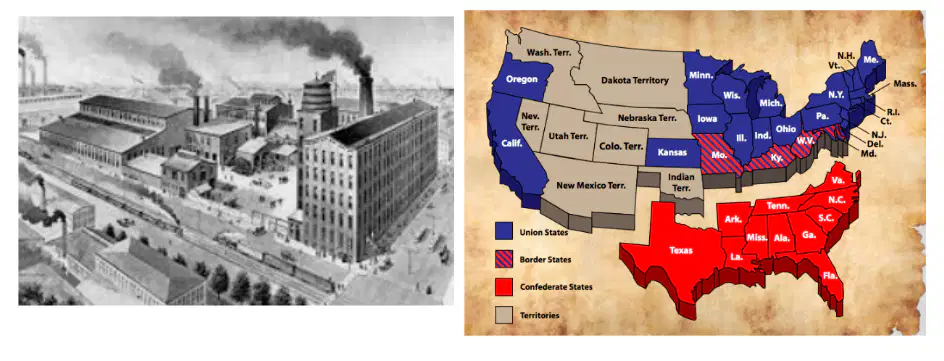
Which states had an industrial (factories) economy?
territories
union states
border states
confederate states
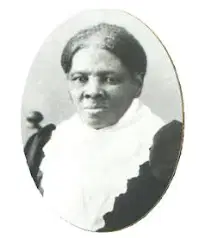
She was a conductor on the Underground Railroad.
Nannie Burroughs
Harriet Tubman
Martha Washington
Rosa Parks
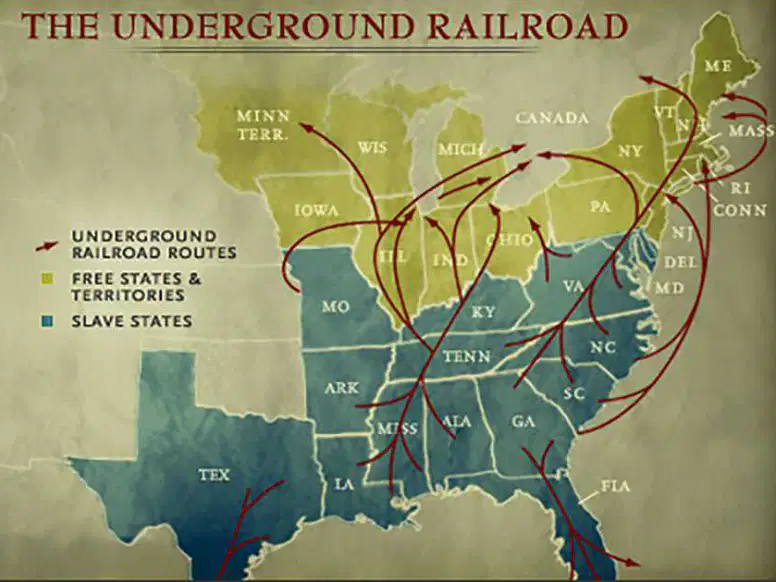
A train that took the escaped enslaved back to their owners
A path that was made as part of the Fugitive Slave Act.
A system of secret routes, that runaway slaves took to find freedom.
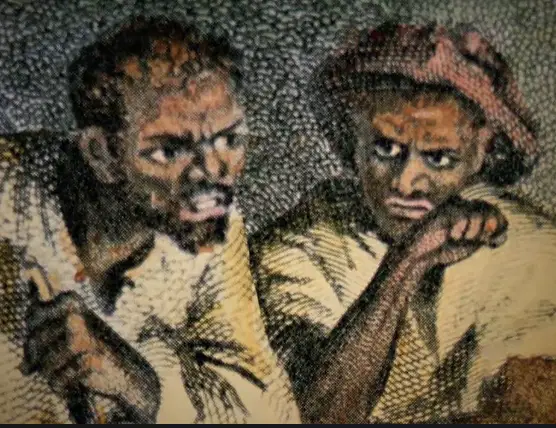
An enslaved man who led a revolt against plantation owners in 1831?
Harriet Tubman
John Brown
Nat Turner
William Lloyd Garrison
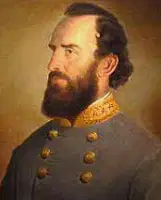
General Thomas “Stonewall” Jackson refused to have his soldiers back down against Union attacks. He got the nickname "Stonewall" because...
he could use different weapons
he was angry
he stood strong during battle
he surrendered during battle
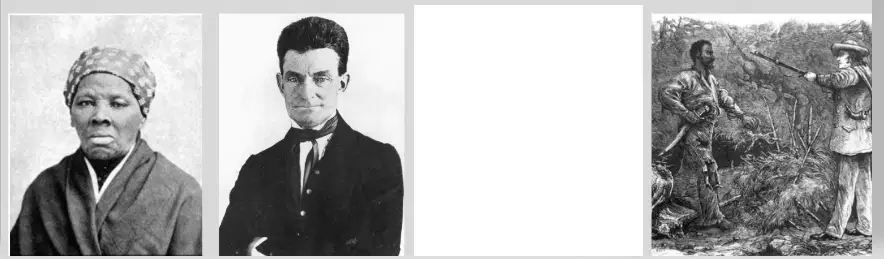
An abolitionist was a person who......
supported slavery
opposed (were against) slavery
neutral about slavery
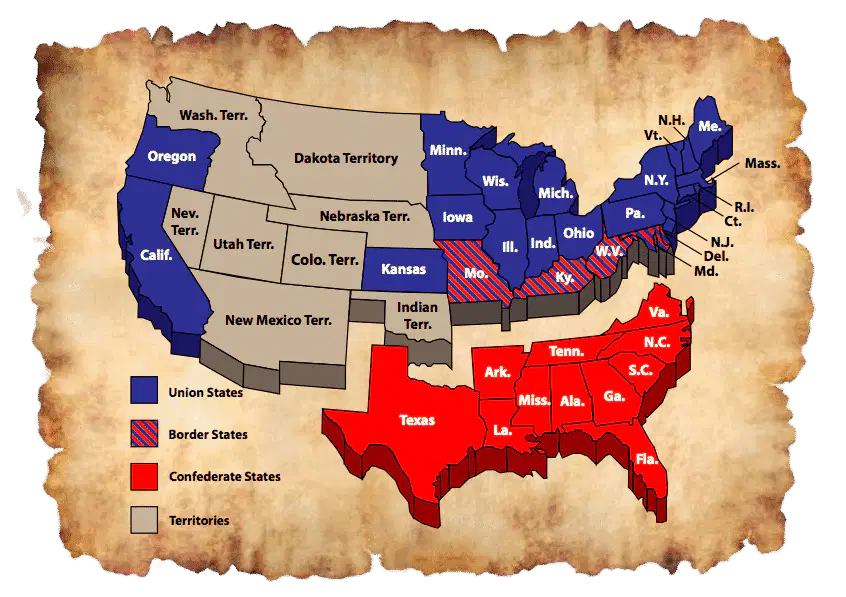
After Abraham Lincoln was elected some southern states
supported his presidency
wanted to become territories
seceded from the Union
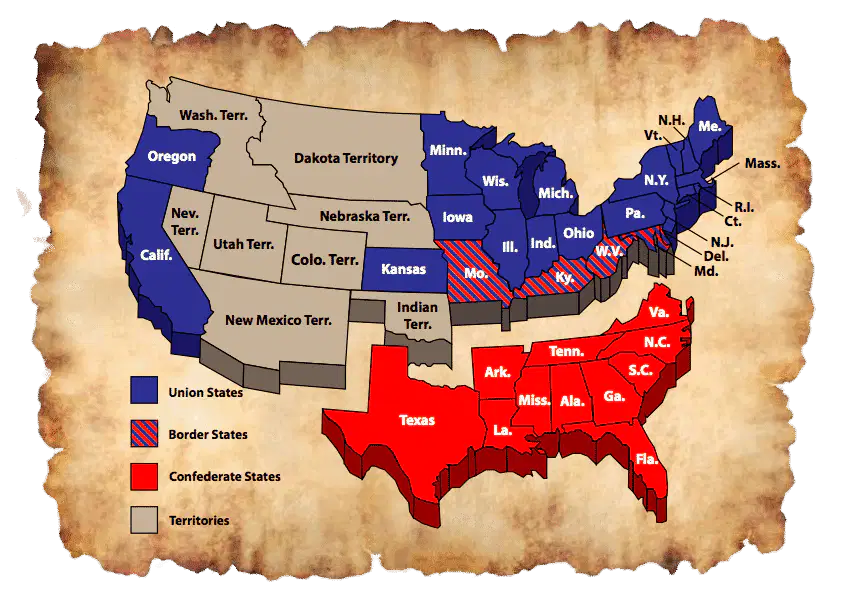
Who won the Civil War?
The South (Confederate)
the Territories
The Border States
The North (Union)
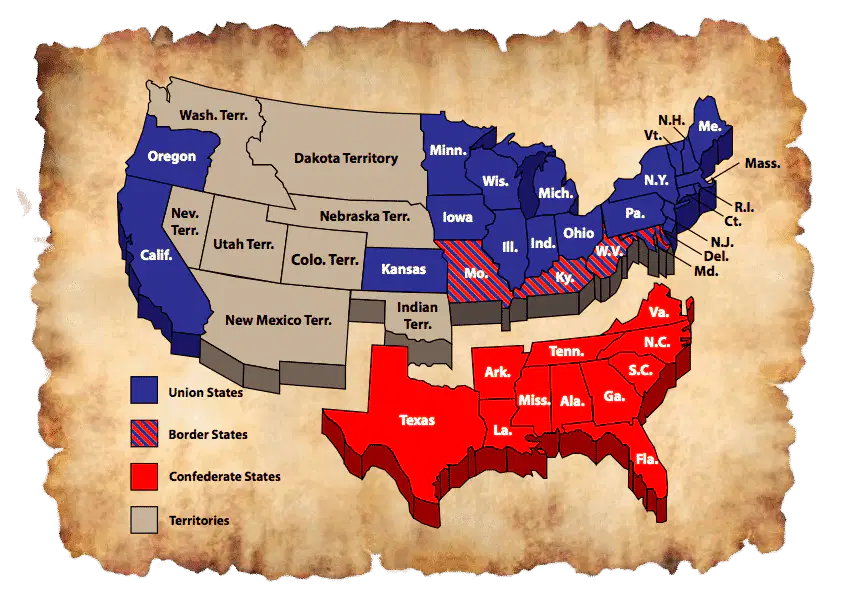
Slavery was not popular in the Union/Northern states - Why?
The North had mostly factories and small businesses
northern farms were too small
People in the North paid farm workers
It was really cold
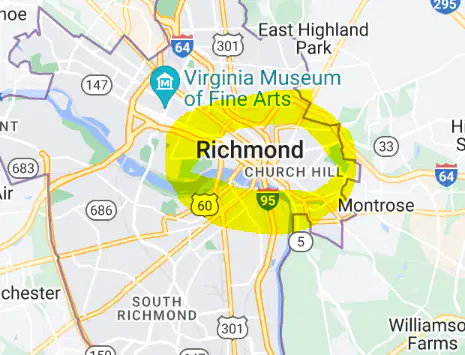
Where was the capital of the Confederate States?
Jamestown, VA
Boston, Massachusetts
Fort Sumter, South Carolina
Richmond, Virginia
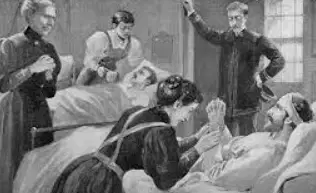
Clara Barton was a ____________ during the Civil War.
commander
soldier
nurse
spy
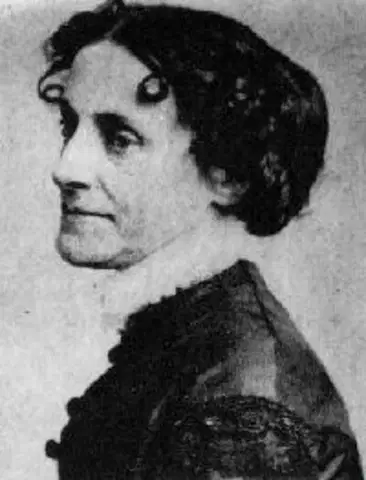
Elizabeth Van Lew was an abolitionist in Virginia and a ________ for the Union Army.
soldier
spy
nurse
merchant
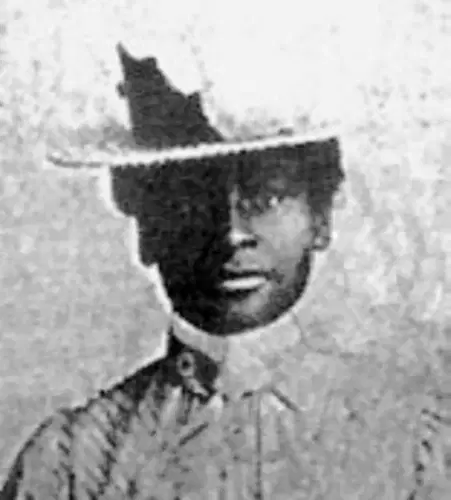
Mary Bowser was an _________ ___________ Union spy.
Native American
British Loyalist
African American
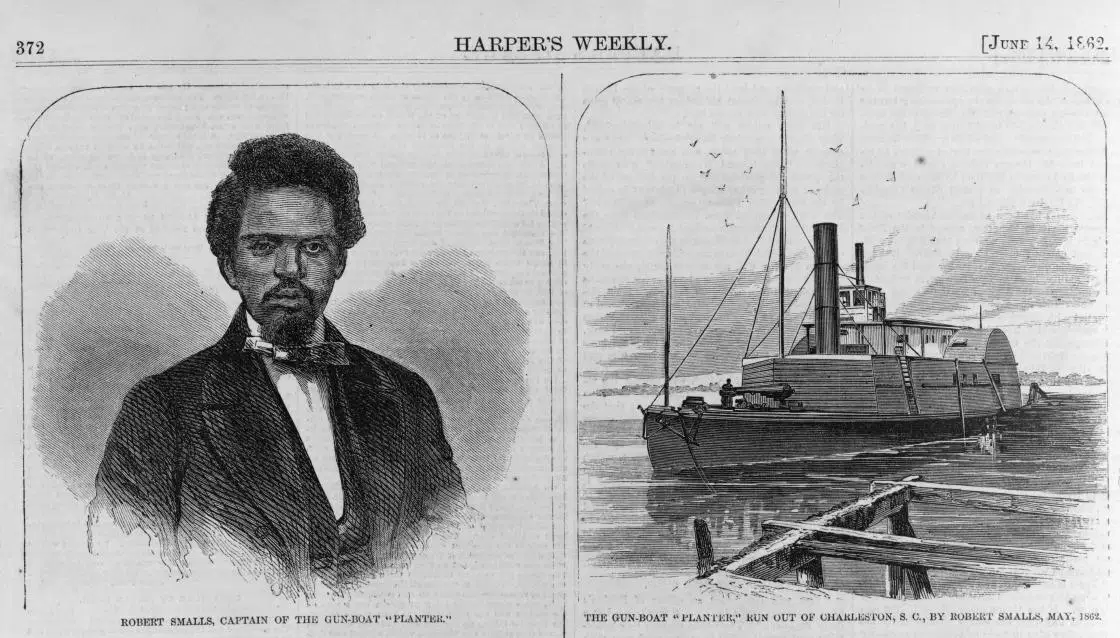
Robert Smalls was an African American _______ and a captain in the Union Navy.
sailor
spy
pilot
lawyer

The Monitor vs. The Merrimack was a battle that ended in a
loss for the Union Ship
victory for the Union ship
victory for the Confederate ship
draw (no one won)
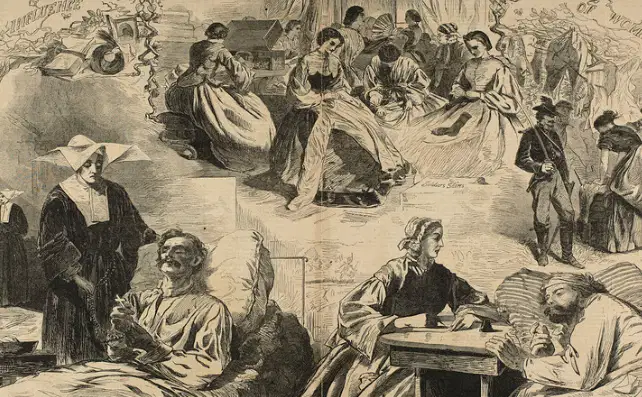
During the Civil War, women ________
took on more responsibilities
were recruited as soldiers
were neutral (didn't take sides)
protested
Many white Virginians. ___________ .
were neutral and didn't take sides
supported the Union (North)
supported the Confederacy (South)
moved to a border state
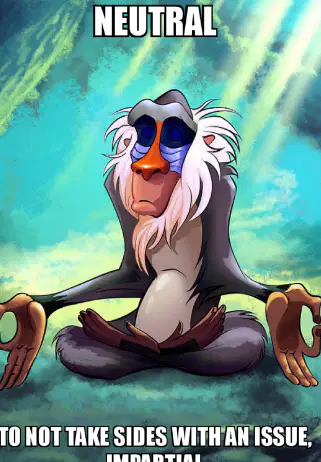
During the Civil War, Native Americans/American Indians were ________.
living in border states
supporting the Confederacy (South)
supporting the Union (North)
neutral - they didn't take sides
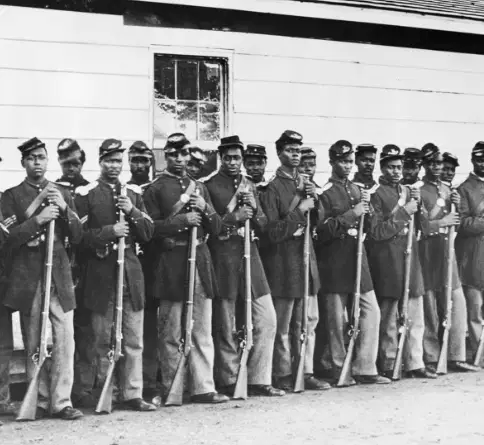
During the Civil war, many enslaved African Americans wanted freedom so they _____________
remained neutral.
fought for the Confederates
refused to fight
fought for the Union

