
 Worksheets
Engage week 9 revision
Total questions: 25
Worksheet time: 14mins
Proteins are made up of...
Amino Acids
Nucleotides
Monosaccharides
Fatty acids/glycerol
What is not a property of lipids?
Stores carbon for energy
Hydrophobic
Hydrophilic
Made up of carbons and hydrogens
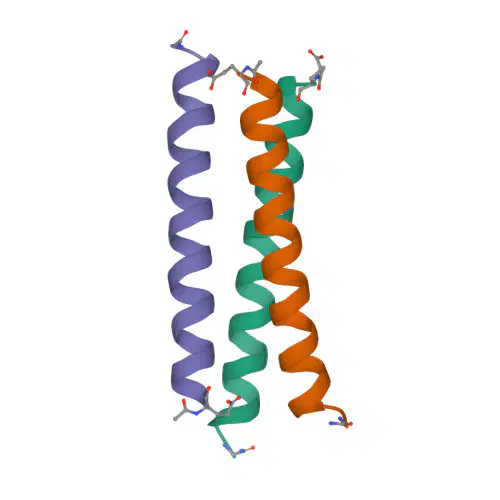
Structures such as alpha helices and beta pleated sheets are a part of the ______ structure of a protein
Primary
Secondary
Tertiary
Quaternary
PCR stands for...
Proteinase Chain Reaction
Polymerase Copying Rapidly
Polymer Copy Reaction
Polymerase Chain Reaction
What don't you need for PCR?
DNA/RNA template and Primers
Enzyme and co-factors
Free-floating DNA bases (dNTPs)
SDS-PAGE
Using the mean, standard deviation, median, and interquartile range is a type of ______ statistics?
Demographic
Descriptive
Diverging
Documentitive
Which two of these are independent variables?
How many hours studied
Number of patients used in the study
Dose of coffee administered
Test scores
Transcription is the process where information in _____ is copied into _____?
mRNA, DNA
DNA, mRNA
DNA, Protein
mRNA, Protein
Translation is the process where _____ is converted to _____.
mRNA, DNA
pre-mRNA, mRNA
mRNA, protein
DNA, mRNA
Select correct one
Genetic code is only present in rats.
4 bases are used in different combinations to make codons.
Genetic code is adequately punctuated.
Uracil is not a part of mRNA.
Unlike DNA, RNA contains the sugar
Deoxyribose.
Fructose.
Glucose.
Ribose.
During transcription, what enzyme unzips the DNA?
RNA Polymerase
DNA Polymerase
Transcriptase
Helicase
Which is the adapter molecule that brings amino acids to the ribosomes?
mRNA
tRNA
rRNA
DNA
RNA polymerase binds to the DNA at what region?
Terminator
Enhancer
Promoter
Ribosome
When the Rho protein 'bumps' into RNA polymerase, and the mRNA is released from the transcription bubble, this is called ____ termination.
Rho-dependent
Rho-independent
Pre-mRNA processing includes....
Poly-A tail
5' capping
Intron splicing
All of the above
In eukaryotes, which RNA polymerase is used to make pre-mRNA?
RNA polymerase I
RNA polymerase II
RNA polymerase III
All of the above
Which of these is not a way of regulating gene expression
Epigenetic modifications
The amount of protein inside the cell
Transcription factor availability
RNA stability
Which two of these are epigenetic modifications?
DNA methylation
DNA mutations
DNA coding sequence
Histone modifications
The start codon, Methionine, is associated with what codon?
UAA
AUG
UAG
UGA
Which of these is not a stop codon?
UAG
UGA
UAA
AUG
B cells mature in the _____ and T cells mature in the _____?
blood, thymus
bone marrow, thyroid
bone marrow, thymus
blood, thyroid
What is not a type of T cell?
Helper
Cytotoxic
Dendritic
Regulatory
Getting antibodies through breast milk is a type of _____ immunity
Adaptive
Passive
Active
Secondary
Regulatory T cells....
Signal to T and B cells that there is a pathogen
Migrate to tissues to kill the pathogen
Turn off T cells once the infection has passed
Produce antibodies

