
NEW
Font size
 Worksheets
Electromagnetic Waves
Total questions: 15
Worksheet time: 8mins
A wave that can travel through empty space and through matter is called an _____.
electromagnetic wave
radiant wave
radio wave
heat wave
True or false? Warm objects emit radiation, but cool objects do not.
True
False
Energy carried by an electromagnetic wave is called _______.
potential energy
kinetic energy
radiant energy
gamma energy
True or false? Electromagnetic waves transfer energy from one place to another, even through empty space.
True
False
Waves that have a higher _______, have a higher energy.
frequency
wavelength
amplitude
magnetism
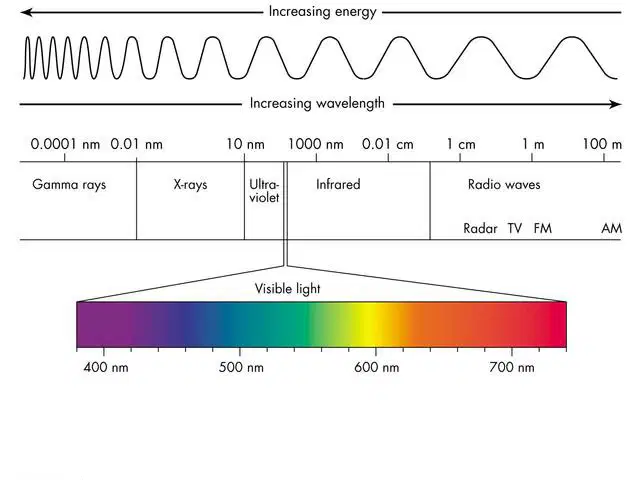
The entire range of electromagnetic waves with different frequencies and wavelengths is called ____________.
the water cycle
electric wave cycle
electromagnetic spectrum
ultraviolet cycle
A low-frequency, low-energy electromagnetic wave that has a wavelength longer than about 30 cm.
radio wave
microwave
infrared wave
gamma rays
A _________ is a high-energy electromagnetic wave with a shorter wavelength and higher frequency than all other types of electromagnetic waves.
radio waves
infrared waves
ultraviolet waves
gamma rays
Which electromagnetic waves have the highest energy?
gamma rays
light waves
radio waves
x-rays
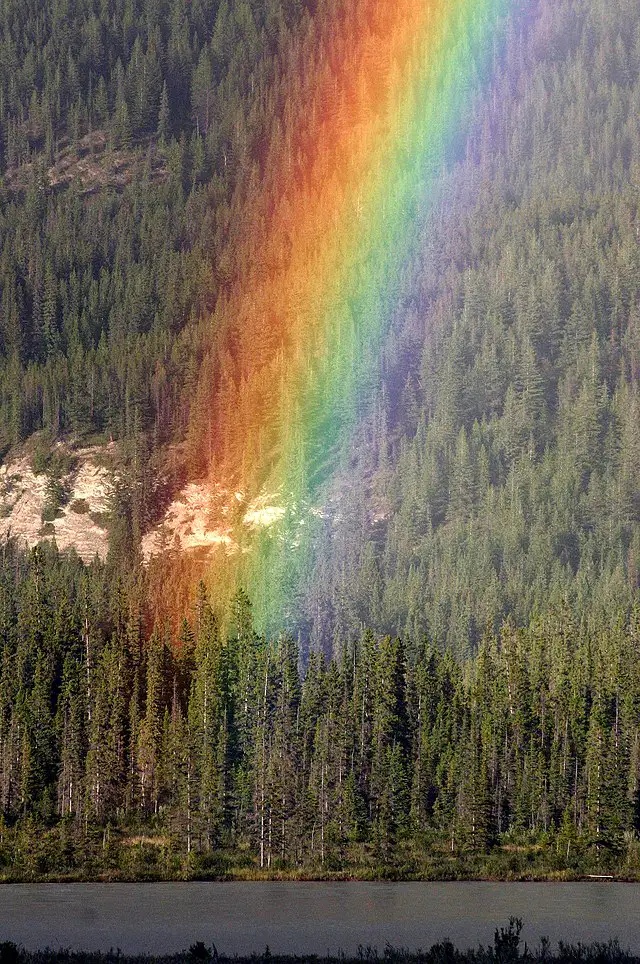
True or false? Light represents only a small portion of the total electromagnetic spectrum.
True
False
________ is the use of electromagnetic waves to send information in all directions.
Carrier wave
Broadcasting
X-ray
Amplitude
A change in the amplitude of a carrier wave is called _____.
frequency modulation (FM)
amplitude modulation (AM)
broadcasting
reception
A change in the frequency of a carrier wave.
amplitude modulation (AM)
frequency modulation (FM)
carrier wave
transmission
What does GPS stand for?
Geographical Place System
Graphic Photo System
Global Positioning System
Geology Passage System
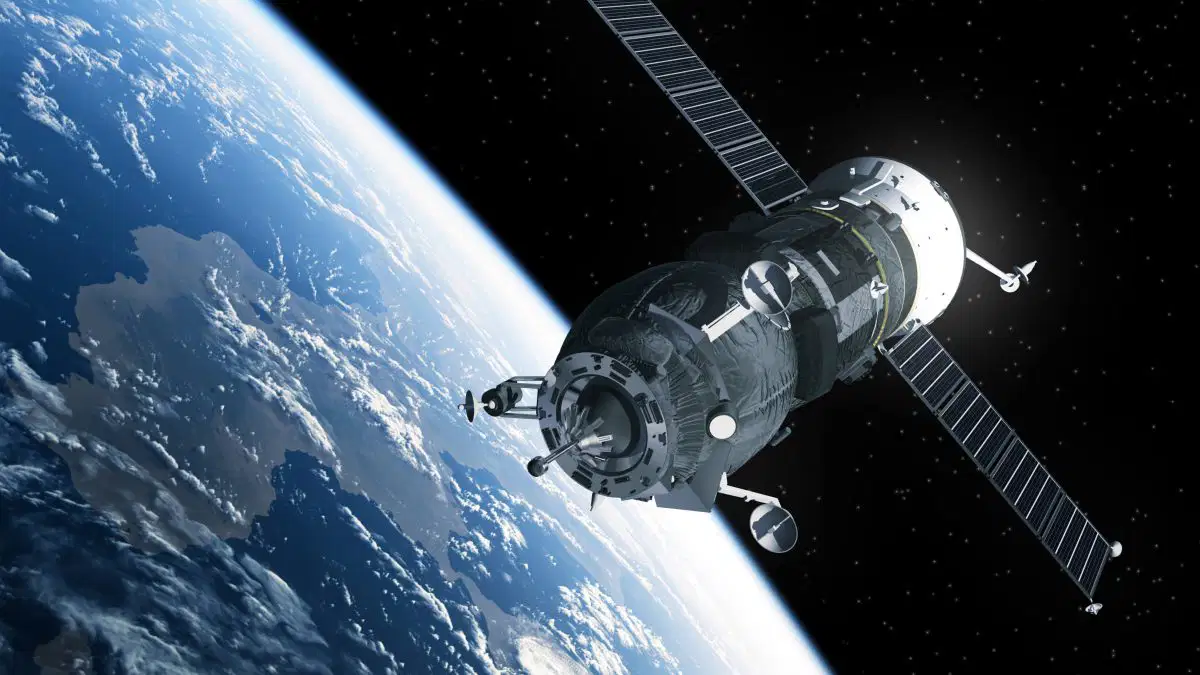
Satellites send and receive __________ to communicate information over long distances.
x-rays
gamma rays
radio waves
microwave signals

