
 Worksheets
Y6 Science Quiz
Total questions: 20
Worksheet time: 10mins
What is the circulatory system?
The brain, spinal cord, and a complex network of nerves.
A system which includes the heart, veins, arteries and blood transporting substances around the body.
Consists of the parts of the body that work together to turn food and liquids into the building blocks and fuel that the body needs.
Your body's central framework. It consists of bones and connective tissue, including cartilage, tendons, and ligaments.
The heart is...
a muscle
a ligament
a bone
an artery
All drugs are bad for you.
True
Some are good, some are bad.
False
A frog is a...
fish
bird
amphibian
reptile
A lizard is a ...
amphibian
fish
reptile
mammal
A bat is a...
mammal
bird
reptile
amphibian
A whale is a ...
mammal
fish
amphibian
bird
Who created the Theory of Evolution?
Isaac Newton
Albert Einstein
Charles Darwin
Thomas Edison
What type of birds did Darwin study in the Galapagos islands?
eagles
seagulls
penguins
finches
Mary Anning was a famous...
astronaut
inventor
fossil hunter
engineer
which of these is NOT a light source?
a star
the sun
the moon
a light bulb
We see things because...
the light reflects off an objects and into our eyes.
our eyes send out light which reflects off objects.
the light reflects from our eyes, off an object.
We just do!
Adding more cells to a circuit will make the bulb...
brighter
stay the same
dimmer
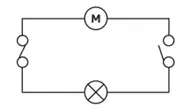
How can you make the motor work?
add another cell
close the switch
remove the bulb
charge the cell

What is this?
a motor
a cell
a squashed bulb
a buzzer

Who is this American mathematician?
Mary Anning
Katherine Johnson
Marie Curie
Mary Seacole
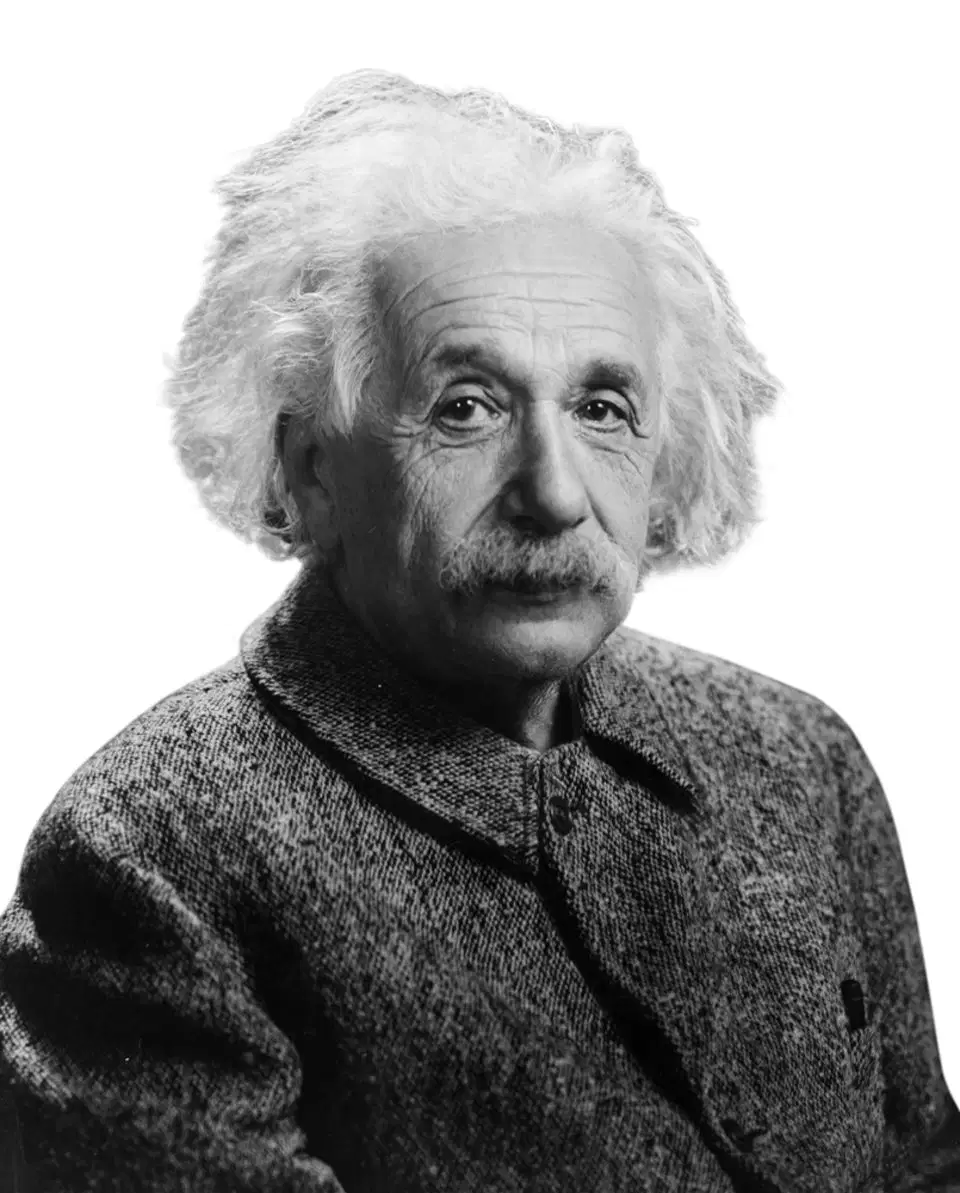
Who is this?
Arthur Einstein
Albert Einstein
Adam Einstein
Alexander Einstein
Who was the first woman to win the Nobel Prize in science?
Ada Lovelace
Florence Nightingale
Mary Anning
Marie Curie
Who was Valentina Tereshkova?
She discovered electricity.
The inventer of the Post-It note
The first female into space.
The first female to perform an autopsy.
What are the three fields of science we study at primary school?
Biology, physics and chemistry
Biology, astrophyics and zoology.
Physics, biology and archaeology.
Medicine, physics and astrology.

