Wayground logo

Free Printable Worksheets

Font size

S
M
L
XL
Worksheets

Cycles of Matter and Flow of Energy Test Review

Total questions: 40

Worksheet time: 20mins
Name
Class
Date
1.
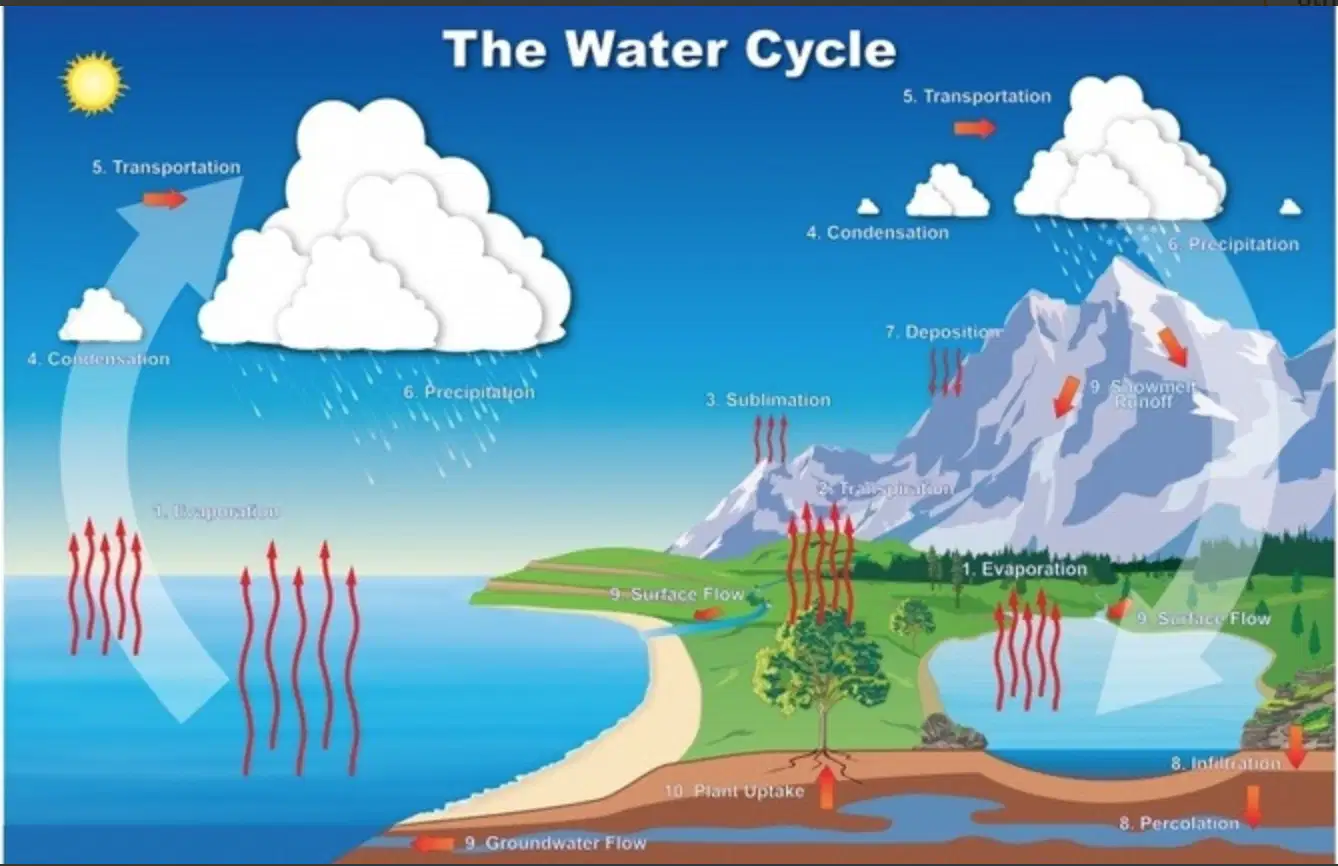
What is it called when liquid water changes into water vapor?
a)
Precipitation
b)
Evaporation
c)
Runoff
d)
Condensation
2.
What is it called when water falls from clouds to the ground?
a)
Precipitation
b)
Evaporation
c)
Runoff
d)
Condensation
3.
What is it called when water vapor changes into liquid water?
a)
Precipitation
b)
Evaporation
c)
Runoff
d)
Condensation
4.
Which of these is an example of precipitation?
a)
Snow
b)
Clouds
c)
Vapor
d)
Air
5.
What is the water cycle?
a)
when water melts
b)
the three forms of water
c)
when clouds form
d)
the movement of water from the atmosphere to Earth and back
6.
What provides the energy to make the water cycle happen?
a)
moon
b)
rivers
c)
sun
7.
Durning which stage do clouds form?
a)
evaporation
b)
condensation
c)
precipitation
8.
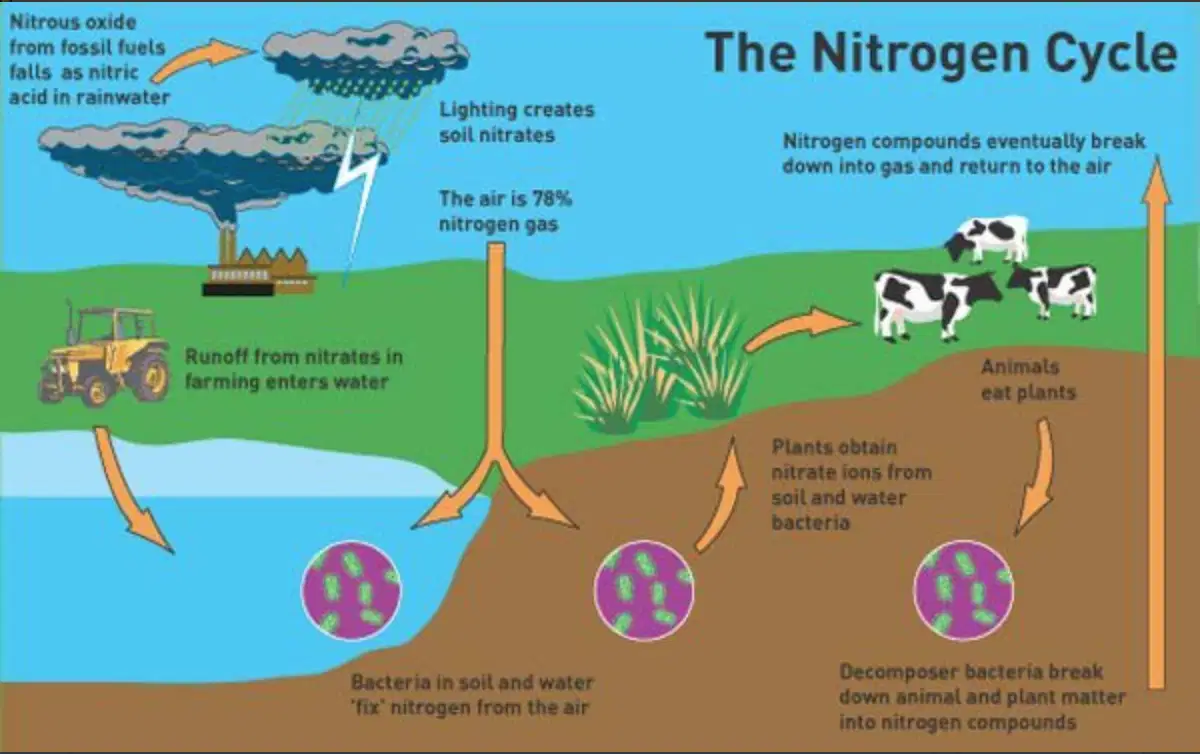
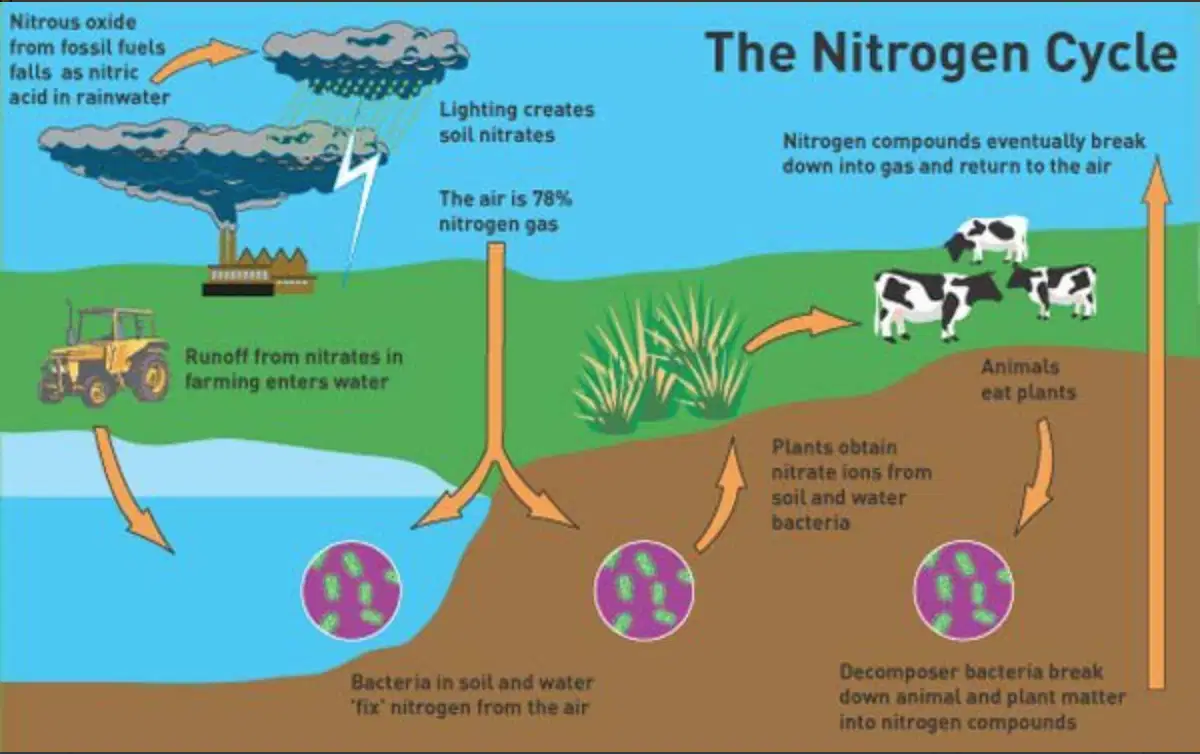
What "fixes" nitrogen so plants can use it?
a)
respiration
b)
plants get nitrogen from the air
c)
photosynthesis
d)
bacteria
9.
Where do plants get nitrogen from?
a)
the air
b)
plants
c)
animals
d)
the soil
10.
Where do animals get nitrogen from?
a)
the food they eat
b)
plants
c)
animals
d)
the soil
11.
The process in which nitrogen circulates and is recycled is called __________.
a)
the phosphorus cycle
b)
the water cycle
c)
the nitrogen cycle
d)
the carbon cycle
12.
Plants and animals need nitrogen to make _________.
a)
protein and DNA
b)
minerals
c)
carbohydrates
d)
lipids
13.
Plants and animals cannot use nitrogen directly from the air.
a)
True
b)
False
14.
Greenhouse gases ......
a)
produce oxygen
b)
make plants green
c)
decrease the temperature of the earth
d)
increase the temperature of the earth
15.
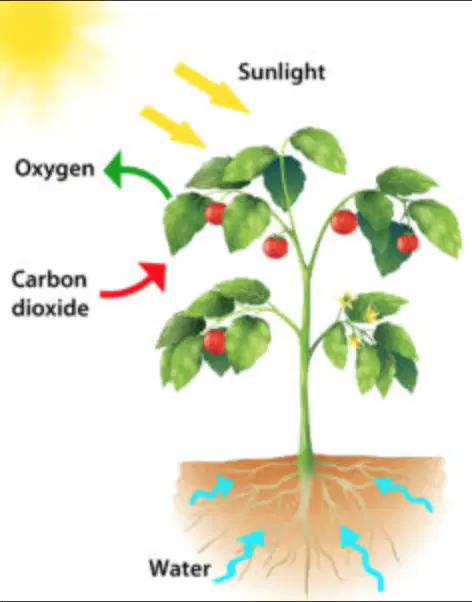
When plants do photosynthesis, what gas do they put into the atmosphere?
a)
methane
b)
oxygen
c)
nitrogen
d)
carbon dioxide
16.
All energy on earth ultimately comes from what source?
a)
the sun
b)
oxygen
c)
water
d)
consumers
17.
The arrows in a food chain or web represents what?
a)
They point to the organism that is being eaten.
b)
It shows how sunlight flows within an ecosystem.
c)
They show what direction the energy is flowing between organisms.
d)
They represent how water is transferred within a habitat.
18.
How much energy is available to be passed on to the next trophic level in an ecosystem?
a)
100%
b)
10%
c)
50%
d)
75%
19.
Which is most likely the first step in a basic food chain?
a)
The snake getting energy from eating a mouse
b)
Plants make food using sunlight
c)
The Sun emits energy
d)
The hawk obtains energy by eating the snake
20.
Which is a model of feeding relationships?
a)
protein building
b)
food map
c)
food web
d)
sugar molecules
21.
As you move upward from level to level in an energy pyramid, energy ________.
a)
decreases
b)
increases
c)
stays the same level
d)
is destroyed
22.
An organism that captures light energy from the sun to make its own food is called a(n) __________.
a)
consumer
b)
predator
c)
prey
d)
producer
23.
Which of the following might a herbivore eat?
a)
a leaf
b)
a mouse
c)
a dead cow
d)
both a leaf and a mouse
24.
Which of the following might a carnivore eat?
a)
a leaf
b)
a mouse
c)
a dead cow
d)
both a leaf and a mouse
25.
Which of the following might an omnivore eat?
a)
a leaf
b)
a mouse
c)
a dead cow
d)
both a leaf and a mouse
26.

Which organism is considered a primary consumer in a food chain?

a)

Grass

b)

Mouse

c)

Snake

d)

Hawk

27.

What process do plants use to convert sunlight into energy?

a)

Evaporation

b)

Photosynthesis

c)

Respiration

d)

Condensation

28.

Which gas is released during the process of photosynthesis?

a)

Carbon dioxide

b)

Nitrogen

c)

Methane

d)

Oxygen

29.

Which process returns water from plants to the atmosphere?

a)

Condensation

b)

Transpiration

c)

Evaporation

d)

Precipitation

30.

What role do decomposers play in a food web?

a)

They produce energy from sunlight

b)

They eat only plants

c)

They store water

d)

They break down dead organisms

31.

What is the main source of energy for most ecosystems?

a)

Soil

b)

Wind

c)

Sun

d)

Water

32.

Which organism is considered a producer in an ecosystem?

a)

Hawk

b)

Snake

c)

Mouse

d)

Grass

33.

What is the process called when plants release oxygen into the atmosphere?

a)

Condensation

b)

Respiration

c)

Transpiration

d)

Photosynthesis

34.

Which stage of the water cycle involves water moving from the ground to the atmosphere?

a)

Precipitation

b)

Evaporation

c)

Condensation

d)

Runoff

35.

Which organism is responsible for converting sunlight into chemical energy in an ecosystem?

a)

Decomposer

b)

Predator

c)

Consumer

d)

Producer

36.

What is the process called when water moves from plants into the air?

a)

Precipitation

b)

Evaporation

c)

Transpiration

d)

Condensation

37.

Which element is essential for building proteins in living organisms?

a)

Oxygen

b)

Carbon

c)

Hydrogen

d)

Nitrogen

38.

Which process in the carbon cycle involves plants absorbing carbon dioxide from the atmosphere?

a)

Respiration

b)

Photosynthesis

c)

Decomposition

d)

Transpiration

39.

What is the main function of consumers in an ecosystem?

a)

To produce energy from sunlight

b)

To break down dead organisms

c)

To store water

d)

To obtain energy by eating other organisms

40.

Which stage of the water cycle is responsible for forming clouds?

a)

Evaporation

b)

Condensation

c)

Precipitation

d)

Transpiration