
 Worksheets
Science March Review
Total questions: 37
Worksheet time: 23mins
Where is most of Earth’s freshwater located?
ocean
glaciers
rivers
lakes

Which is the oldest?
E
D
A
C

Which is an element?
Carbon monoxide
Vinegar
Salt
Oxygen
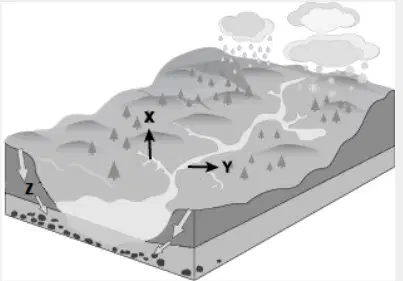
When water is heated up, the process of turning water from a liquid into vapor (gas).
condensation
evaporation
infiltration
BORON is in group 13 and has 3 valence electrons.
With what group of elements will BORON most readily bond?
Group 15
Group 2
Group 17
Group 5

Which elements have properties of both metals and nonmetals?
Tellurium 52
Magnesium 12
Helium 2
Plutonium 94
Which type of element is best for electrical wiring, and why?
Platinum (Pt) is best because it has a high conductivity.
Phosphorus (P) is best because it has a high flammability.
Calcium (Ca) is best because it has a high density.
Zirconium (Zr) is best because it has a high melting point
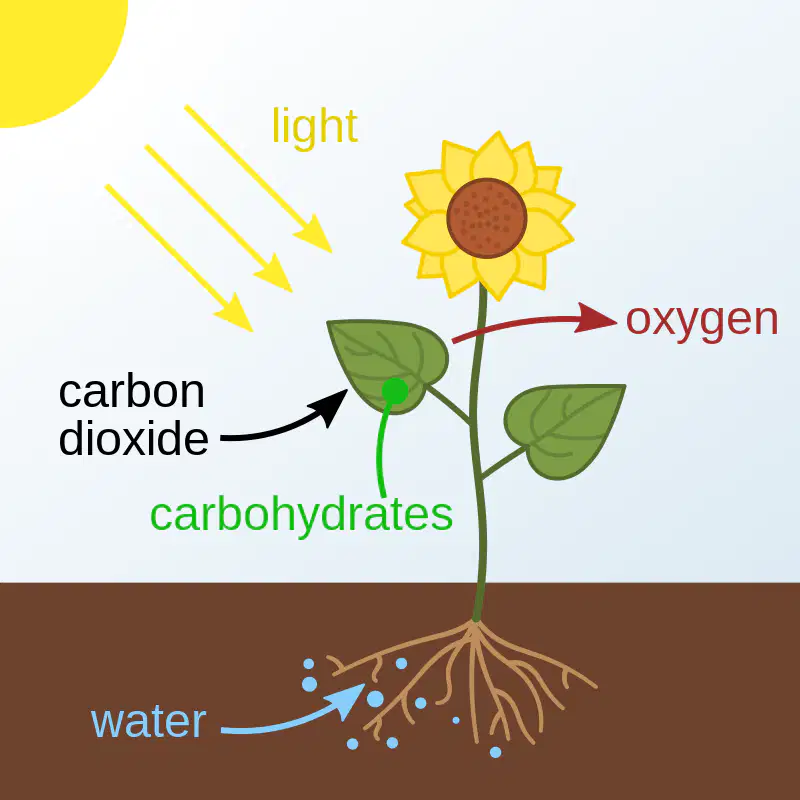
If a chemical reaction such as photosynthesis begins with 7 atoms of carbon.
How many atoms of carbon should be in the products?
4
7
8
6
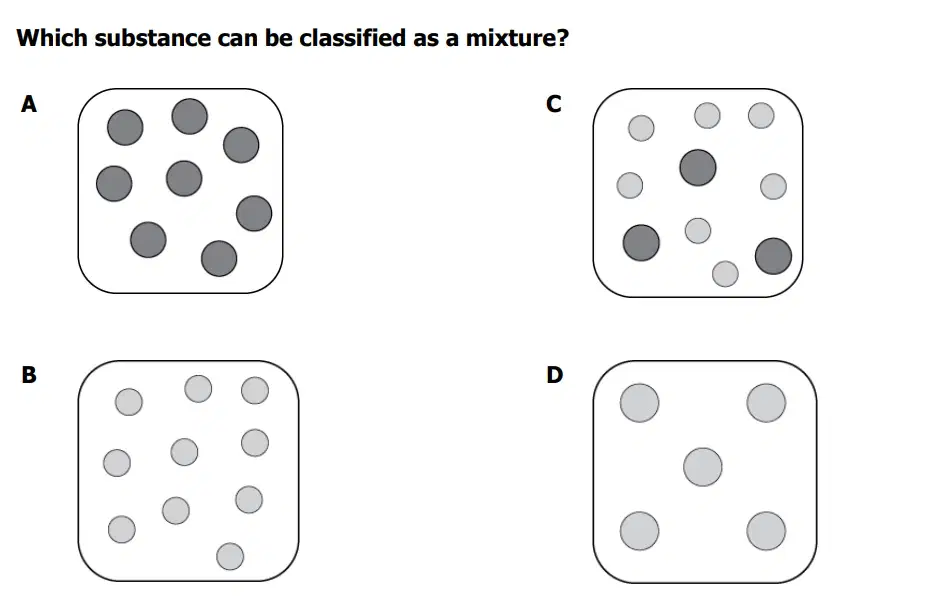
A
B
C
D

Which can be collected from ice cores to gain information
about Earth’s past climate?
pH of water from the ice
volcanic ash layers in the ice
sediments between layers of the ice
atmospheric gases trapped in the ice
Which is the youngest?
Fault, E
Intrusion, D
A
B
Approximately 70% of Earth's surface is covered in water. What percentage of this water is freshwater?
1
3
70
97
Which is a compound?
Sodium
Water
Nitrogen
Air

Biomass is a renewable fuel resource that is developed from organic materials. Grasses and landfill waste are examples of biomass.
Which statement correctly explains an impact from using large amounts of biomass as fuel?
Burning biomass as fuel increases the amount of natural areas for animal habitats in a region..
Burning biomass as fuel disturbs the water cycle by decreasing rainfall in a region
Burning biomass as fuel can lead to an increase in plant growth.
Burning biomass as fuel can decrease the use of fossil fuels.
If a chemical reaction such as photosynthesis begins with 7 atoms of carbon.
How many atoms of carbon should be in the products?
4
7
8
6
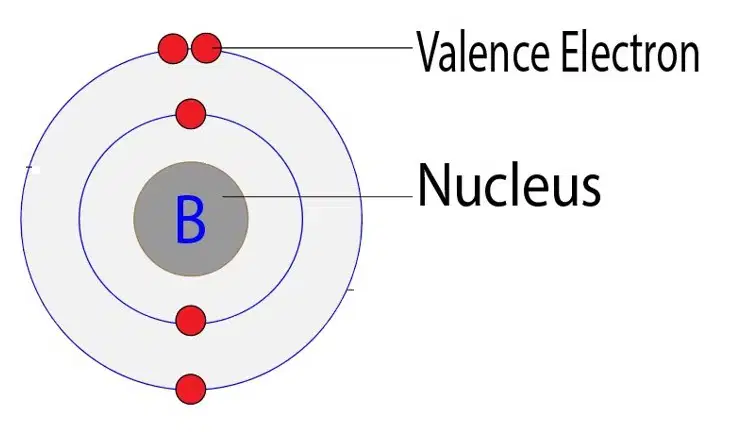
BORN has 3 valence electrons. With what group of elements will BORON most readily bond?
Group 1
Group 2
Group 17
Group 5
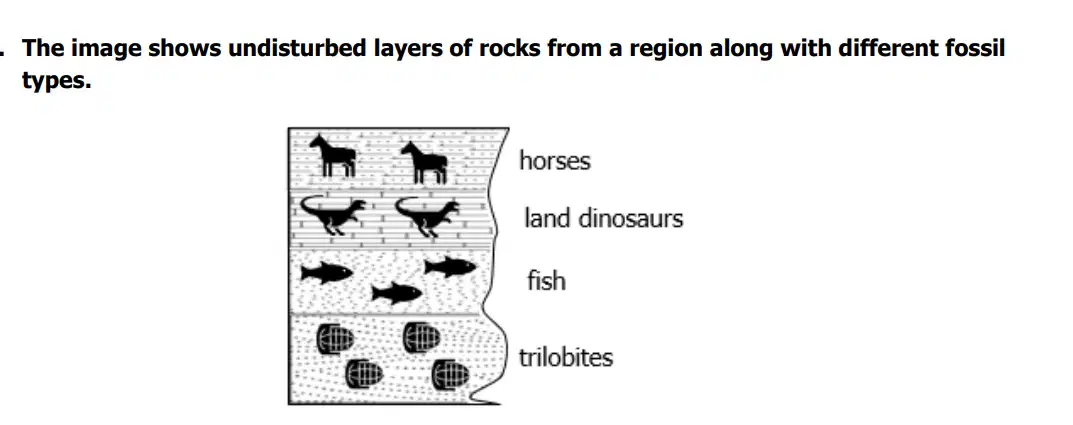
Which statement describes the geologic history of the region?
A It was always part of a terrestrial landform
It was always submerged beneath the surface of the wate
It was once part of a terrestrial landform and later was submerged underwater
It was once submerged underwater and later became part of a terrestrial landform.
What does potable mean?
Salty
Healthy
Drinkable
Nondrinkable
Which elements have properties of both metals and nonmetals?
Metals like Potassium
Transition Metals like Nickel
Nobel Gases like Argon
Metalloids like Silicon
The local spread of a disease
Pandemic
Epidemic
CDC
Epidemiologst
Which effect will these mud particles most likely have on life in the river?
mud particles will increase turbidity, making it more difficult for plants to photosynthesize
mud particles will decrease the turbidity of the water, making it easier for fish to breathe.
mud particles will increase the turbidity, making it harder for fish to find mates
Which is an element?
Iron
Water
Sugar
Air
Approximately 70% of Earth's surface is covered in water.
What percentage of this water is SALT water?
1
3
70
97
The continuous movement of water on Earth.
Aquifer
Run off
Water Cycle
Estuary

Which pair of elements has the most similar properties?
Hydrogen and Oxygen because they make water
Florine and Carbon because they're in the same period
Oxygen and Sulfur because they're in the same family
Silver and gold because they are in the middle
It is a nursery ground, pollution filter, empties into the ocean
Aquifer
Run off
Water Cycle
Estuary
Bio-luminescence is the ability to make light by a living thing.
A fish with this ability would most likely live in which layer of the ocean?
Surface
Twilight
Midnight Zone
Euphotic
What is Z ?
condensation
evaporation
infiltration
Which is the best example of a pure substance?
Carbon dioxide
Trail mix
Silver
Air

Modern rechargeable batteries require rare earth elements to build. Why are modern rechargeable batteries expensive and a concern as electric vehicles become more popular?
The batteries are made from a common nonrenewable resource. .
The batteries are made from a common renewable resource
The batteries are made from a scarce nonrenewable resource.
The batteries are made from a scarce renewable resource
What conclusion can be drawn about the water on the Earth?
Earth's water is mostly non saline and potable.
Earth's water is all potable
Earth's water is mostly saline and potable.
Earth's water is mostly saline and nonpotable.
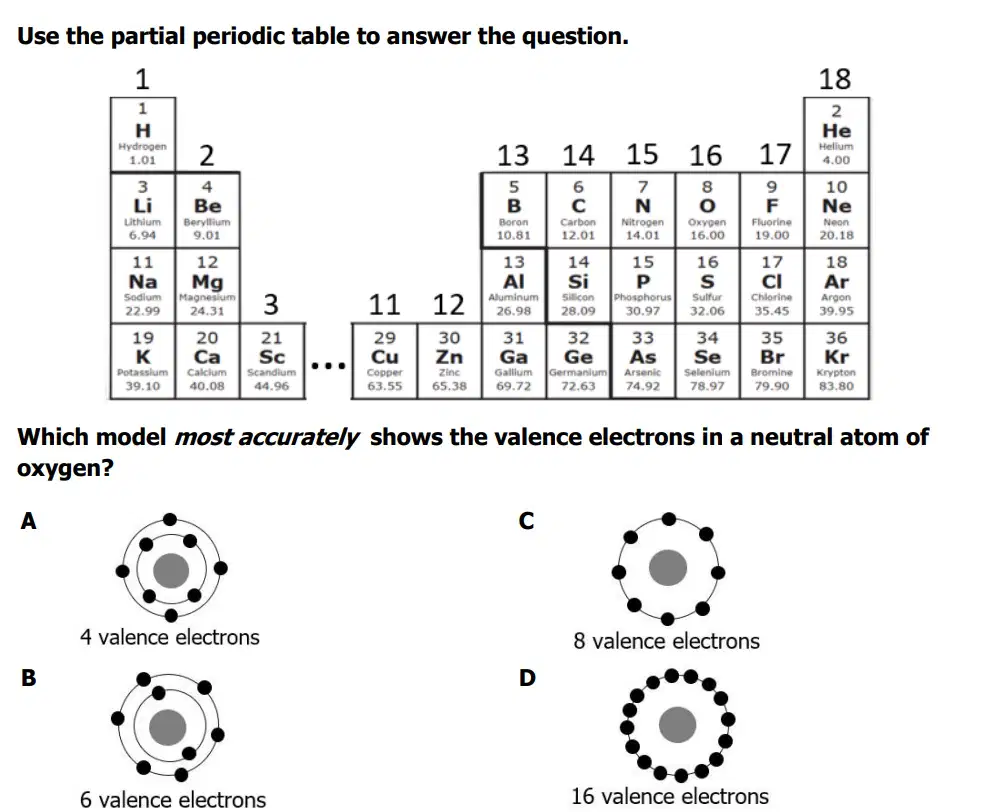
A
B
C
D
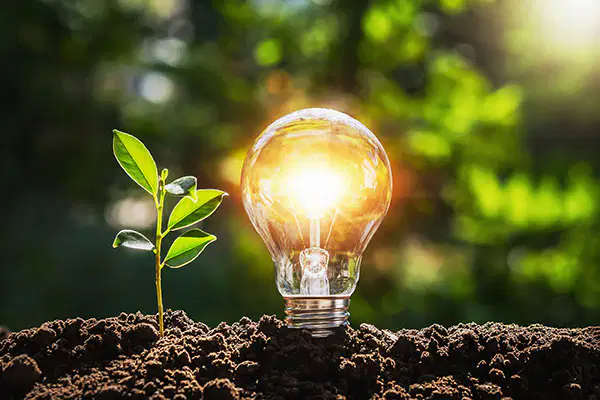
Which resources are RENEWABLE sources of energy?
coal and oil
oil and sunlight
natural gas and water
water and wind
How does an oil spill affect the ocean system?
It prevents the water cycle from occurring.
It reduces the flow of deep ocean currents.
It raises the temperature of the water’s surface.
It makes the area unsuitable for marine life
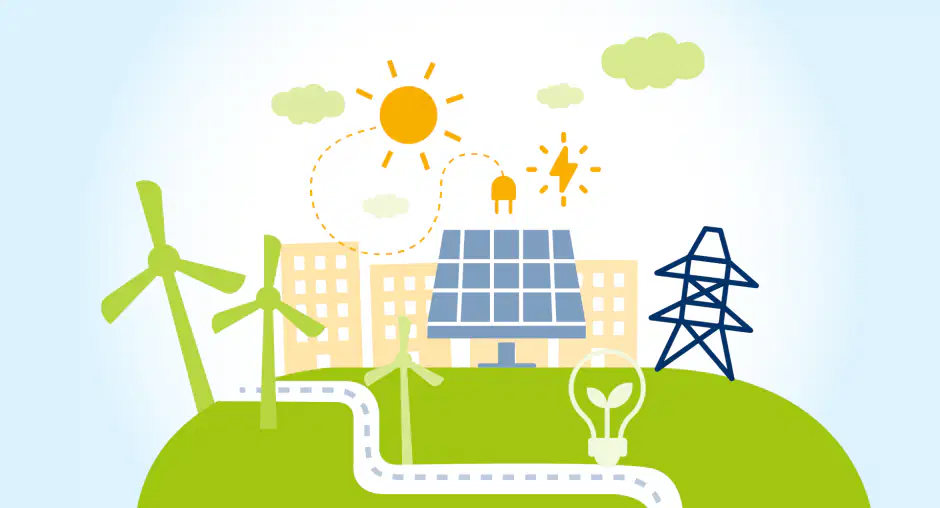
Which resources are fossil fuels and NON-renewable sources of energy?
coal and oil
oil and sunlight
sunlight and water
water and wind
A
B
C
D
A scientist who studies the spread of a disease
Pandemiologist
Doctor
CDC
Epidemiologst

