
Font size
 Worksheets
Energy Resources
Total questions: 220
Worksheet time: 5hrs 47mins


This state of matter has a constant volume, but fits the space of the container holding it.
Solid
Liquid
Gas
Plasma
This state of matter expands to fill its container.
Solid
Liquid
Gas
Plasma
This state of matter has a firm, unchanging physical structure.
Solid
Liquid
Gas
Plasma
Carbon dioxide, nitrogen, oxygen, and hydrogen are this state of matter at room temperature.
Solid
Liquid
Gas
Plasma
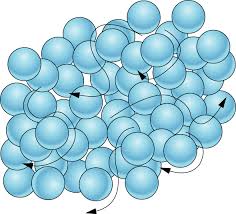
Which is not true about the liquid state of matter?
The liquid state has a definite volume and a definite shape.
The liquid state takes on the shape of its container.
The liquid state has a definite volume and an indefinite shape.
The particles in a liquid can easily move past each other.
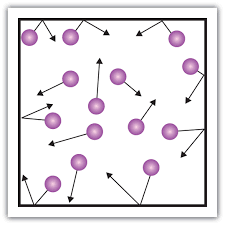
A gas typically consists of:
low energy particles that experience high attractive forces between them.
low energy particles that experience no attractive forces between them.
high energy particles that experience high attractive forces between them.
high energy particles that experience little attractive force between them
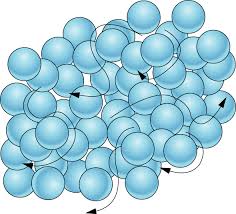
Which of the following statements is true regarding the particle structure of liquids? Particles of a liquid are:
very close together, so the liquid cannot easily change its shape.
fast-moving, so they fill the volume of their container.
relatively close together, so they cannot be easily compressed.
very far apart, so they have plenty of room to move around.
Which process could cause a material to change state from gas to liquid?
Adding heat
Adding energy
Removing particles
Removing energy
If I add heat to a solid, how will the motion of the particles be affected?
They will move slower
They will stop moving
They will move faster
They will move to a different container
Gertrude is observing liquids at a birthday party. Some are sweet, some are hot, and some are sticky. If she could look at the particles of the liquids, which statement would be true?
The particles are far apart and moving fast, with no shape.
The particles may touch but they can flow past each other.
The particles are in close contact and cannot move from their places.
The particles have no arrangement.
Herbie notices that a spill on the kitchen floor was gone the next morning. The best description of what happened to the spill is
It evaporated
It sublimated.
It boiled.
It froze.
The change of state from a solid to a liquid is called
freezing
melting
boiling
evaporating
The change of state from a liquid to a gas is called
boiling
evaporation
vaporization
sublmiation
The change of state from a solid to a gas is called
freezing
melting
boiling
sublimation
The flat part of a graph showing the temperature of a liquid as it cools over a period of time indicates that
a solid is changing to a liquid
a liquid is changing to a solid
a liquid is changing to a gas
a gas is changing to a liquid
Herbie makes a graph of the temperature of a solid as he heats it. What shape will the graph have?
A diagonal line that starts low and keeps going up the whole way.
A diagonal line that starts low, has a flat portion, then goes up again.
Which property is true of a crystalline solid?
Its particles have a regular, repeated pattern.
Its particles have no pattern.
Its particles are spread out and can flow past each other.
Its particles are so far apart, they can spread in a container.
Iodine gas particles can change directly to a solid when cooled. What is the name of this change of state?
condensation
deposition
freezing
plasma
Particles begin to move faster if they have an increase in
speed
size of particle
thermal energy
thermometer
Gertrude notices that a cup of hot chocolate is getting colder by losing thermal energy. What instrument would help her know this?
thermometer
spring scale
triple beam balance
microwave oven


Kinetic energy is...
energy carried in ultraviolet waves
energy stored in food
energy in motion
energy from splitting an atom
Which of these is not a form of energy?
heat
light
sound
mass

What is mechanical energy?
work
the sum of the kinetic and potential energy in a object
the object's mass
the amount of light an object gives off

Which of the following is an example of thermal energy?
heat
light
sound
mass

What is an example of electromagnetic energy?
heat
light
sound
mass

Electrical energy is
potential energy
sound
the movement of electric charges
nuclear energy

The potential energy stored in chemical bonds in substances is called
chemical energy.
nuclear energy.
electrical energy.
thermal energy.
__ is the kinetic energy caused by the vibration of particles in a medium.
Mechanical
Sound
Chemical
Thermal
There is a roller coaster car at the top of the hill, one at the middle of the hill, and one at the bottom of the hill. Which has the most potential energy?
The car at the bottom of the hill
The car in the middle of the hill
The car at the top of the hill
All of the cars have zero potential energy
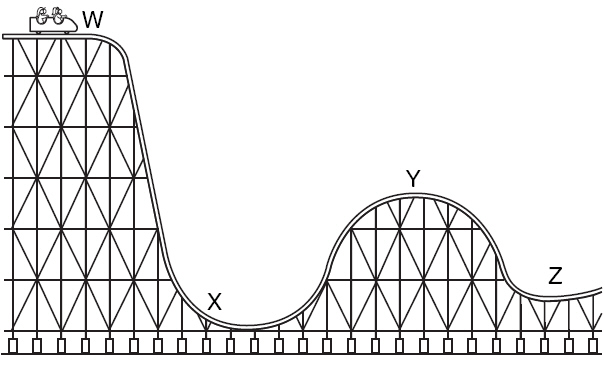
When a ball rolls down hill, its potential energy _____________ and its kinetic energy ______________.
increases, increases
increases, decreases
decreases, decreases
decreases, increases
A(n) ________ in mass results in a(n) _________ in kinetic energy.
Increase, increase
Increase, decrease
decrease, increase


What is potential energy?
energy of motion
electricity
sound
stored energy based on an object's location
Which of the following does NOT have kinetic energy?
a rolling ball
a speeding car
an object at rest on a shelf
a swinging baseball bat

_ energy increases with mass or speed.
Kinetic
Potential
_ energy is stored energy due to an object's position, condition, or composition.
Potential
Kinetic
_ energy can be made of only potential energy, only kinetic energy, or both.
Mechanical
Gravitational
_ energy is the vibration of particles.
Sound
Electrical
_ energy is stored in the chemical bonds that hold the atoms of a substance together.
Chemical
Thermal
_ energy is due to particle motion.
Thermal
Nuclear
_ energy comes from a nucleus.
Thermal
Nuclear
_ energy is due to the attraction or repulsion of electrically particles.
Nuclear
Electrical
Energy cannot be _ or destroyed, only changed into a different form.
created
transformed
Energy _ takes place when energy changes from one form into another.
transformation
conservation
What is the SI unit of energy? (SPE/2010/Q9)
Joule
Newton
Ohm
Watt
What does an object need to have kinetic energy?
Size
Height
Motion
Temperature

Select the temperature in °C
40°C
100°C
96°C
36°C
the temperature scale on which 0 is the temp at which no more energy can be removed
absolute zero
Fahrenheit scale
Kelvin scale
Celsius scale
the temperature at which no more energy can be removed from matter
temperature
convection
absolute zero
radiation


What is the thermometer measuring in?


What is the temperature?


is a measure of heat or coldness.
Thermometer
Temperature
Absolute Zero
Specific Heat
what is the normal temperature of the human body?
30°C
35°C
38°C
37°C
what temperature does water boil at?
110°C
80°C
100°C
98°C
what temperature does water freeze at?
100°C
0°C
30°C
-20°C
what happens to the liquid inside a thermometer when the heat increases?
rises up
decline
the liquid inside thermometer does not change


Look at the activity. Select the temperature it would most likely be in °C
0°C
40°C
60°C
80°C
Freezing point is...
10 degrees celsius
0 degrees celsius
-10 degrees celsius

What are the 3 types of heat transfer? (Check all that apply)
Conduction
Scattering
Greenhouse Effect
Radiation
Convection
All of Earth's energy comes from the Sun.
TRUE
FALSE
What type of heat transfer happens when two objects touch like a pot to a stove burner?
Radiation
Conduction
Convection
None of These
What type of heat transfer happens when a fluid heats up an object like boiling water for our food?
Radiation
Conduction
Convection
None of these
Heat is also known as:
Solar Energy
Radiation Energy
Wind Energy
Thermal Energy
The direct transfer of energy by electromagnetic waves; for example, the sun heating a reptile sunbathing.
Radiation
Conduction
Convection
None of these
The transfer of thermal energy from one hotter object to a cooler one is:
Convection
Conduction
Heat
Solar Energy

What type of heat transfer does this show with your hands holding the coffee mug?
Conduction
Convection
Radiation
None of these

What type of heat transfer is cooling the boy in the picture with the fan?
Conduction
Convection
Radiation
Which model is demonstrating what molecules in a liquid look like.


Conduction requires
Electricity
the electromagnetic spectrum and particles
air or water flow
direct contact

Where do we see conduction in a pot of boiling water on the stove?
The water heats up by touching the hot, metal pot.
The steam from the hot water rises out of the pot.
The heat from the fire can be felt on all sides.

The handle of a metal spoon warms up when it is placed in a hot bowl of soup because of ________.
convection
conduction
radiation

You get sunburned due to __________ from the sun.
conduction
convection
radiation

The heat from a lamp allows a lizard to remain warm. This is an example of which type of heat transfer?
radiation
conduction
convection

Near the ceiling of a room the air is warmer. The warm air rises because of ________.
conduction
convection
radiation
Which model is demonstrating what molecules in a solid look like.
Which of the following describes Convection?
The transfer of heat through liquids and gases
The transfer of heat through electromagnetic waves (rays)
The transfer of heat between two objects in direct contact with one another
Which of the following describes Conduction?
The transfer of heat through liquids and gases
The transfer of heat through electromagnetic waves (rays)
The transfer of heat between two objects in direct contact with one another

Hot air inflating a balloon is an example of __________.
Radiation
Conduction
Convection
Objection

What type of energy transformation occurs, when a hawk eats a mouse and then uses the energy from the mouse to fly?
mechanical energy to chemical energy
thermal energy to mechanical energy
chemical energy to mechanical energy
mechanical energy to thermal energy
Which object shows an energy transformation from electrical to mechanical?


When a car burns gasoline it creates hot air to move the pistons in the engine, which causes the car to move. What energy transformation occur from the fuel to the movement of a car?
thermal energy to mechanical energy
thermal energy to chemical energy to mechanical energy
chemical energy to thermal energy to mechanical energy
chemical energy to electrical energy
A solar power plant converts _____________ to ____________.
Electrical energy to solar energy
radiant energy to electrical energy
chemical energy to electrical energy
mechanical energy to thermal energy


What sort of energy transformation is this?
Chemical to Thermal
Thermal to chemical
Kinetic to potential
Open to closed

What is the energy transformation that occurs in an electric pencil sharpener?
mechanical energy to electrical energy
electrical energy to mechanical energy
radiant energy to sound energy
chemical energy to mechanical energy

What kind of energy is being shown in the picture?
Light
Gravitational
Potential
Kinetic

As the ball is dropped, the potential energy decreases while the kinetic energy increases however the amount of energy stays the same.
True
False

How does energy transfer as the ball is bouncing?
Kinetic, Potential, Potential, Kinetic
Potential, Potential, Kinetic, Kinetic
Kinetic, Kinetic, Potential, Potential
Potential, Kinetic, Kinetic, Potential

Before fruit falls from a tree, how does energy flow?
Potential - Kinetic - Sound
Light - Kinetic - Heat
Potential - Sound - Heat
Solar - Kinetic - Heat

Which position has the highest potential energy?
1
2
4
6
A hair dryer goes through three energy transformations. What are they?
electrical
thermal
mechanical
mechanical
thermal
electrical
mechanical
electrical
thermal
thermal
electrical
mechanical


In a power station, what causes the turbine to turn?
Heat
Gas
Air
Steam
Why are coal, oil, and natural gas classified as nonrenewable resources?
They are limitless
They exist in many places on Earth.
They are originally from once-living things.
They take millions of years to form.
One benefit of geothermal energy is that ________________________________.
a plant can be built ANYWHERE
it doesn't cost a lot of money to build
it can provide power 24 hours a day
it harms ecosystems where it's built

Why is solar energy considered renewable energy?
It's cheaper than fossil fuels
The sun's energy would not run out for billions of years
Solar energy recharges batteries
All of them

Which of these is NOT a disadvantage of a nuclear power plant?
It's waste can destroy habitats and ecosystems.
It costs a lot of money to build.
It produces radioactive waste.
It produces large amounts of energy.

Which energy source is considered renewable?
Coal
Petroleum
Natural gas
Hydropower

Which is NOT a benefit of wind energy?
low or no emissions
requires small or reduced land use
low operational and maintenance costs
renewable source of power

What statement about solar energy is true?
requires a small amount of space
it is not considered expensive to setup or maintian
there are no harmful metals or gases used during manufacturing of solar panels
solar energy can be intermittent (not consistent)
Which method of energy can be affected by drought?
Wind
Hydropower
Biofuels
Nuclear

Which of the following sources of energy generates emissions during use?
Natural gas
Hydropower
Nuclear
Wind

Which is true about nuclear power?
Not considered a renewable fuel source
High greenhouse gas emmisions
Requires fossil fuels during energy generation
Uranium is easy to mine and transport

Coal is NOT ________________.
abundant
generate greenhouse gasses
expensive
destructive to natural habitats

Which is a renewable source of energy?
Uranium
Coal
Waves
Oil

Which energy source provides most of the energy produced in the United States?
Solar
Petroleum
Nuclear
Hydroelectric power

A resource that can be replaced or replenished in less time than it takes to draw the supply down is called:
coal
renewable
nuclear
non-renewable
Which is NOT a type of fossil fuel?
Coal
Oil
Wood
Natural Gas
How are fossil fuels formed?
They are made in factories
Dead plants and animals died millions of years ago and were buried under heat and pressure
Dead plants were buried under heat and pressure
Dead animals were buried under heat and pressure
How old are fossil fuels?
Millions of years old
A few decades old
Hundreds of years old
They are new
Fossil fuels need a saturated environment (to be under water), in order to form. Why?
Water is life
You have to stay hydrated
The water dissolves them
The water creates pressure
What do fossil fuels need to form?
High pressure and low heat
High pressure and high heat
Low pressure and low heat
Low pressure and high heat
Which fossil fuel is formed only from dead plants in swamps?
Rubber
Petroleum
Coal
Natural Gas

What could this environment form if the area was buried for a long time?
Coal
Delta
Island
Natural Gas/ Oil
Why are fossil fuels nonrenewable resources?
They cannot be replaced within a short period of time.
They are natural resources.
They formed a long time ago.
They can be replaced easily.
A resource that can be replaced in nature at about the same rate as it is used is a(n)
Renewable resource
Nonrenewable resources
Fossil fuels
Sedimentary

Coal is a __________ energy resource.
Renewable
Non-renewable

What do fossil fuels need to form?
High pressure and low heat
High pressure and high heat
Low pressure and low heat
Low pressure and high heat
What could this environment form if the area was buried for a long time?
Coal
Delta
Island
Natural Gas/ Oil
a solid fossil fuel that forms underground millions of years ago from dead plant material by the heat underground and pressure of the layers above it.
coal
fossils
sedimentary rock
non-renewable
a liquid fossil fuel formed from marine(sea) organisms that were buried and over time heat and pressure from underground turned them into a fuel.
fossil
oil
natural gas
sedimentary rock
a gas fossil fuel that formed from marine(sea) organisms that were buried and over time heat and pressure from underground turned them into a fuel.
abundant
coal
natural gas
conserve

What is biomass?
Anything that is or once was alive
A fossil fuel
a nonrenewable resource
A oil we find underground

What are the three main fuels for Biomass?
wood, water, fruit
wood,corn, acohol
beans, corn, alchohol
wood, alchohol, crops
Is Biomass
Nonrenewable
renewable
Geothermal resources include:
volcanoes
hot dry rocks
hot springs
hot pots
What is it called when you generate electricity with a dam and water?
Geothermal Energy
Hydroelectric Energy
Solar Energy
What is it called when humans generate electricity by using the heat of the Earth?
Geothermal Energy
Hydroelectric Energy
Solar Energy
Which of the following is one of the disadvantages of geothermal energy?
Geothermal energy doesn't work everywhere since you need a volcano nearby.
Geothermal energy does not work if there are no rivers or moving water nearby.
Geothermal energy only works on windy days.
What is one disadvantage of hydroelectric energy?
It doesn't work everywhere since you need a volcano nearby.
It does not work if there are no rivers or moving water nearby.
It only works on windy days.
What is one advantage of geothermal energy from the options below?
Geothermal energy works everywhere on Earth.
Geothermal energy relies on the power of the sun.
Geothermal energy makes no pollution.
How do geothermal power stations work?
Cold water is heated up and the water power turbines under the water and turns it into electricity.
The hot water from inside the earth meets cold air and produces condensation which powers the turbines and turns it into electricity.
Cold water is pumped down and the cold water meets the hot water from inside the earth to produce steam to power turbines then creating electricity.

This form of electrical energy generating is called
Hydroelectric
Geothermal
Wind
What is the advantage of a geothermal power plant?
A. renewable resources
B. high temperature is required
C. can cause surface instability
D. suited only in particular region

What do dry steam, flash steam, and binary cycle geothermal plants have in
common that they used to generate electricity?
A. Solar turbines
B. Nuclear turbines
C. Steam turbines
D. Water turbines

