wayground logo

Free Printable Worksheets

Font size

S
M
L
XL
Worksheets

1st Semester Science Review

Total questions: 221

Worksheet time: 2hrs 14mins

Name
Class
Date
1.

Series of natural processes by which rocks are slowly

changed from one kind of a rock to another.

a)

igneous rock

b)

metamorphic rock

c)

sedimentary rock

d)

rock cycle

2.

Rock particles carried and deposited by water, wind & ice.

a)

sedimentary rock

b)

sediment

c)

metamorphic rock

d)

igneous rock

3.

Rock particles carried and deposited by water, wind & ice.

a)

texture

b)

metamorphic rock

c)

sediment

d)

minerals

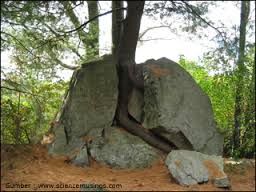
4.

Rock formed when existing rock is changed by heat &

pressure.

a)

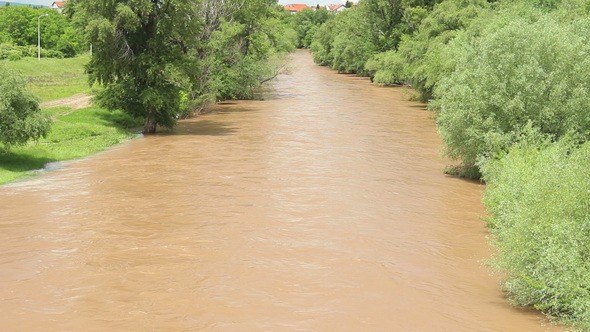
sedimentary rock

b)

texture

c)

metamorphic rock

d)

intrusive rock

5.

Magma that reaches earth’s surface.

a)

sediment

b)

lava

c)

igneous rock

d)

minerals

6.

All rocks are made up of one or more.

a)

sediments

b)

minerals

c)

metals

d)

magma

7.

Type of rock that can form on earth's surface as well as underground.

a)

sedimentary rock

b)

metamorphic rock

c)

igneous rock

d)

rock cycle

8.

Sedimentary rock made up of dissolved minerals or the remains of living things.

a)

nonclastic rock

b)

intrusive rock

c)

foliated rock

d)

texture

9.

Texture of metamorphic rock that has mineral crystals arranged in bands.

a)

clastic

b)

texture

c)

foliated

d)

nonclastic

10.

What processes change sedimentary rock into metamorphic rock?

a)

cooling and hardening

b)

weathering and erosion

c)

heat and pressure

d)

compacting and cementing

11.

Which of the following is a characteristic of all minerals?

a)

Crystalline structure

b)

Fills the shape of its container

c)

Usually organic

d)

Random chemical composition

12.

Which of the following is NOT a way to identify a mineral?

a)

Streak

b)

Denisty

c)

Luster

d)

Crumble

13.

What is fracture?

a)

Ability to reflect light

b)

A break in parallel planes

c)

Uneven break

14.

Igneous rocks are formed from geysers in the Earth's crust.

a)

True

b)

False

15.

Two types of igneous rocks are:

a)

Interior and exterior

b)

Intrusive and extrusive

c)

Inside and outside

d)

Enter and exit

16.

Lava is found...

a)

after a volcano erupts.

b)

on the inside of a volcano.

c)

both inside and outside a volcano.

17.

The process for sedimentary rocks DO NOT include:

a)

Cementation

b)

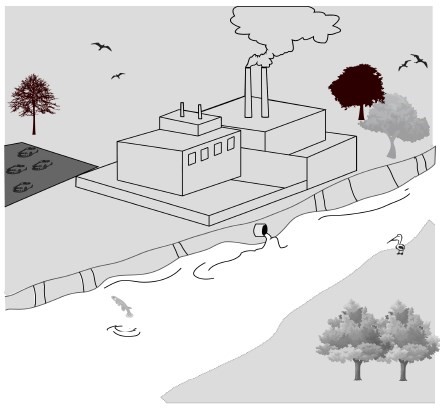
Cooling

c)

Deposition

d)

Erosion

18.

Which is a type of sedimentary rock:

a)

inorganic

b)

intrusive

c)

clastic

d)

mineral

19.

Fossils are a form of:

a)

mineral

b)

igneous rock

c)

sedimentary rock

20.
Means that a mineral cannot come from something that was once living.
a)
Inorganic
b)
Organic
c)
Naturally Occurring
d)
Not Living
21.
This is measured on  the Mohs Scale.
a)
Cleavage
b)
Density
c)
Hardness
d)
Luster
22.
The _________ of a mineral is a physical property that is easy to observe.
a)
Chemical Composition
b)
Color
c)
Hardness
d)
Streak
23.
_______ is found by rubbing the mineral against an unglazed tile called a plate.
a)
Cleavage
b)
Color
c)
Luster
d)
Streak
24.
This is how a mineral reflects light.
a)
Cleavage
b)
Density
c)
Hardness
d)
Luster
25.
_______ is a property that describes a mineral  that splits evenly along flat surfaces.
a)
Cleavage
b)
Fracture
c)
Inorganic
d)
Organic
26.
The three major rock groups are:
a)
Inorganic, Metamorphic, and  Sedimentary
b)
Inorganic, Metamorphosis, and Sediment
c)
Igneous, Metamorphic, and Sediment
d)
Igneous, Metamorphic, and Sedimentary
27.
This rock  is formed from molten rock (magma/lava) that has cooled.
a)
Igneous
b)
Inorganic
c)
Metamorphic
d)
Sedimentary
28.
This rock is formed by extreme heat and/or pressure that alters the chemical composition into a new form of rock.
a)
Inorganic
b)
Igneous
c)
Metamorphic
d)
Sedimentary
29.
This rock is formed by erosion (continuously broken down into small fragments) and  then is compressed and  cemented together.
a)
Inorganic
b)
Igneous
c)
Metamorphic
d)
Sedimentary
30.
When identifying minerals, _______ can be tested by scratching the surface with different materials such as your fingernail or a coin.
a)
Cleavage
b)
Density
c)
Hardness
d)
Streak
31.

Which of the following is a characteristic of all minerals?

a)

Crystalline structure

b)

Fills the shape of its container

c)

Usually organic

d)

Random chemical composition

32.

Which of the following is NOT a way to identify a mineral?

a)

Streak

b)

Denisty

c)

Luster

d)

Crumble

33.

What is fracture?

a)

Ability to reflect light

b)

A break in parallel planes

c)

Uneven break

34.

Igneous rocks are formed from geysers in the Earth's crust.

a)

True

b)

False

35.

Two types of igneous rocks are:

a)

Interior and exterior

b)

Intrusive and extrusive

c)

Inside and outside

d)

Enter and exit

36.

Lava is found...

a)

after a volcano erupts.

b)

on the inside of a volcano.

c)

both inside and outside a volcano.

37.

The process for sedimentary rocks DO NOT include:

a)

Cementation

b)

Cooling

c)

Deposition

d)

Erosion

38.

Which is a type of sedimentary rock:

a)

inorganic

b)

intrusive

c)

clastic

d)

mineral

39.

Fossils are a form of:

a)

mineral

b)

igneous rock

c)

sedimentary rock

40.

Fossils require ideal conditions.

a)

True

b)

False

41.
The process by which water, ice, wind or gravity moves weathered rock and soil from one place to another.
a)
weathering
b)
erosion
c)
deposition
d)
dumptruck
42.
This type of weathering occurs when rock is physically broken down into smaller pieces of rock.
a)
mechanical weathering
b)
chemical weathering
c)
erosion weathering
d)
deposition
43.
This type of weathering occurs when rocks weaken then break down due to chemical changes in the composition of the rock.
a)
mechanical weathering
b)
chemical weathering
c)
erosion weathering
d)
deposition
44.
These rocks were made smooth by wind blowing smaller rock particles across their surface.  This is an example of:
a)
ice wedging
b)
chemical weathering
c)
acid rain
d)
abrasion
45.
These rocks were broken apart from the continuous freeze/thaw of water in the cracks of the rocks. This is an example of:
a)
ice wedging
b)
acid rain
c)
permeability
d)
abrasion
46.
How is mechanical weathering different from chemical weathering?
a)
Chemical weathering happens over much shorter time frame than mechanical weathering.
b)
Chemical weathering changes the chemical composition of rocks; mechanical weathering does not.
c)
Chemical weathering occurs only in tropical climates; mechanical weathering occurs only in cool climates.
d)
Chemical weathering occurs only in the mountains; mechanical weathering occurs only on flat land.
47.
Which of these is an example of erosion?
a)
Light shining onto a mountain.
b)
Rain breaking down rocks on a mountain into smaller pieces. 
c)
Wind blowing away sediment to a new place on the mountain.
d)
All of the above.
48.
Layers of sediment forming at the bottom of the ocean floor is an example of
a)
Weathering
b)
Erosion
c)
Deposition
d)
Awesome Science
49.
Muddy water being carried away by a fast-moving river is an example of
a)
Weathering
b)
Erosion
c)
Deposition 
d)
A nice place to swim
50.
How do plants weather rocks?
a)
During photosynthesis
b)
When roots grow into cracks of rocks and expand the rock breaks.
c)
When the plant moves water from the roots to the leaves, the rock breaks.
d)
Plants don't weather rocks.
51.
Which is NOT a type of mass movement?
a)
landslide
b)
slump
c)
mudflow
d)
windstorm
52.
The diagrams shows a rock with water trapped in the cracks during the day and at night. 

Which statement best explains why this process results in weathering?
a)
frozen water acts as a solute
b)
water expands when it freezes
c)
the mass of water increases when it freezes
d)
frozen water dissolves most types of rock
53.
_________________happens when gravity moves sediment downhill.
a)
Weathering only
b)
Mass movement
c)
Erosion only
d)
Gravity
54.
Rocks along a riverbed that are smoothed from continuously moving water and sediment rubbing against them is an example of:
a)
mechanical weathering
b)
chemical weathering
55.
Deposited material at the end of a river is called?
a)
landform
b)
delta
c)
canyon
56.
Which of the following is NOT a slow change to Earth's surface?
a)
Weathering
b)
Erosion
c)
Deposition
d)
Landslides
57.
Deposits of sediment that run along the shore are...
a)
Waves
b)
Springs
c)
Beaches
d)
Hard to clean up
58.

Breaking down of rock into sediments

a)

erosion

b)

weathering

c)

deposition

d)

oxidation

59.

Breakdown of rock into smaller pieces by physical changes

a)

physical weathering

b)

chemical weathering

c)

erosion

d)

deposition

60.

Break down of rock by chemical reactions

a)

physical weathering

b)

chemical weathering

c)

erosion

d)

deposition

61.

Movement of sediments from one place to another

a)

weathering

b)

erosion

c)

deposition

d)

oxidation

62.

Dropping of sediments

a)

physical weathering

b)

chemical weathering

c)

erosion

d)

deposition

63.

When water seeps into cracks in rocks, freezes, and expands to break it into sediments

a)

abrasion

b)

ice wedging

c)

oxidation

d)

chemical weathering

64.

Breaking down & wearing away of rock material by the physical action of other rocks

a)

ice wedging

b)

oxidation

c)

lahar

d)

abrasion

65.

Process by which other chemicals combine with oxygen

a)

erosion

b)

oxidation

c)

deposition

d)

mudflow

66.

Fan shaped pattern of material deposited by a stream

a)

delta

b)

marsh

c)

dune

d)

loess

67.

A sheltered, wet, plant-filled area

a)

dune

b)

mudflow

c)

creep

d)

marsh

68.

Mound of wind-deposited sand

a)

loess

b)

lahar

c)

dune

d)

creep

69.

Extremely slow movement of material down a slope

a)

creep

b)

lahar

c)

mudflow

d)

dune

70.

A ___________ island is long, narrow, and usually forms parallel to the shoreline.

a)

lahar

b)

beach

c)

dune

d)

barrier

71.

An area of the shoreline made of material deposited by waves and currents.

a)

barrier island

b)

dune

c)

beach

d)

marsh

72.

Loose mixture of small rock fragments, organic matter, water, and air that can support the growth of vegetation.

a)

soil

b)

loess

c)

dune

d)

beach

73.

Vertical section of soil that shows all the different layers of soil

a)

soil profile

b)

soil horizon

c)

mudflow

d)

creep

74.

A soil _____________ is the individual layer in the soil profile that has different physical properties.

a)

profile

b)

horizon

c)

layer

d)

marsh

75.

The shifting of any material down a slope.

a)

loess

b)

dune

c)

mass movement

d)

mudflow

76.

What is this a picture of?

a)

lahar

b)

rock fall

c)

mudflow

d)

creep

77.

Loess is a thick deposit of windblown, fine-grained ________.

a)

rocks

b)

ash

c)

sediment

d)

water

78.

What is this a picture of?

a)

mudflow

b)

rock fall

c)

marsh

d)

barrier island

79.

A lahar is a mudflow of ________________ origin.

a)

rock

b)

sand

c)

volcanic

d)

earthquake

80.

The extremely show movement of material down a slope.

a)

lahar

b)

mudflow

c)

rockfall

d)

creep

81.

When wind blows sand and silt against exposed rock, eventually wearing away the rock’s surface, this is an example of...?

a)

oxidation

b)

abrasion

c)

chemical weathering

d)

erosion

82.

Why is water a strong agent of chemical weathering?

a)

Water has the highest specific heat of all common earth materials.

b)

Water dissolves many of the minerals that make up rocks.

c)

Water cools the surroundings when it evaporates.

d)

Water has a density of about one gram per cubic centimeter.

83.

How do lichens slowly break down a rock?

a)

By ice wedging

b)

By chemical weathering

c)

By abrasion

d)

By mechanical weathering

84.

The model represents equal masses of two identical rock samples. Sample 1 is one large block, while sample 2 was cut into four smaller blocks of equal size. If in the same environmental conditions, which sample would weather faster? why?

a)

Sample 2 will weather faster than sample 1 because the hardness of sample 1 is greater than that of sample 2.

b)

Sample 1 will weather faster than sample 2 because the surface area of sample 1 is greater than that of sample 2.

c)

Sample 1 will weather faster than sample 2 because the hardness of sample 1 is greater than that of sample 2.

d)

Sample 2 will weather faster than sample 1 because the surface area of sample 2 is greater than that of sample 1.

85.

When looking at a river, you noticed small rocks in the water colliding with larger rocks, causing small pieces to break off and travel downstream. When the rock pieces broke down into smaller pieces of sediment, this is an example of...?

a)

Mechanical weathering because the water is wearing away the rock through erosion.

b)

Chemical weathering because the water is dissolving the rock minerals through the process of erosion.

c)

Chemical weathering because the water is dissolving the rock minerals through the process of abrasion.

d)

Mechanical weathering because the water is wearing away the rock through abrasion.

86.

Which form of weathering causes a statue's face to be dissolved over time?

a)

lichens

b)

acid in groundwater

c)

acid rain

d)

oxidation

87.

Which is the most important process needed to form a delta?

a)

Weathering

b)

Erosion

c)

Deposition

d)

Abrasion

88.

Which of the following best describes the composition of soil Horizon "O"

a)

Solid rock not weathered.

b)

Mixture of dead plants and animals, live roots, and organisms.

c)

Mineral rich layer with lots of weathered sediments.

d)

Mixture of water, air, weathered sediments, and minerals.

89.

Students in an Earth Science class were presented with the four models below. In what order should the students place the models to demonstrate the correct sequence of landforms created by wave action?

a)

A, B, C, D

b)

D, B, C, A

c)

B, C, D, A

d)

C, D, B, A

90.

The model represents a stream flowing in the direction indicated by the arrows. Which letters represent the locations where erosion occurs?

a)

A and D

b)

B and D

c)

A and C

d)

B and C

91.

What is the difference between mechanical and chemical weathering?

a)

Mechanical weathering involves breaking down the rocks while chemical weathering involves moving the rocks.

b)

Mechanical weathering involves moving the rocks while chemical weathering involves breaking down the rocks.

c)

Mechanical weathering involves changing the composition of the rocks while chemical weathering involves changing the size or shape of the rocks.

d)

Mechanical weathering involves changing the size or shape of the rocks while chemical weathering involves changing the composition of the rocks.

92.

What agent of weathering has dissolved the names/dates?

a)

Mechanical weathering caused by oxidation.

b)

Chemical weathering caused by oxidation.

c)

Mechanical weathering caused by acid rain.

d)

Chemical weathering caused by acid rain.

93.

If your tools get rusty, what agent of weathering has caused rust to form on your tools?

a)

Mechanical weathering caused by oxidation.

b)

Chemical weathering caused by oxidation.

c)

Mechanical weathering caused by carbonation.

d)

Chemical weathering caused by carbonation.

94.

Which natural process is occurring on the hillside as shown in the diagram?

a)

Lichens are breaking down the trunk of the tree.

b)

Wind is depositing sediments on the side of the hill.

c)

The force of gravity is pulling the tree trunk down the hillside.

d)

Water is dissolving the minerals in the rock.

95.

Which best describes the composition of the soil?

a)

Soil is only composed of clay, silt, and sand.

b)

Soil is only composed of humus, plants, and worms.

c)

Soil is only composed of decomposed, organic material.

d)

Soil is composed of weathered rock and decomposed, organic material.

96.

Which force of erosion acts alone to produce landslides, avalanches, and mudslides?

a)

gravity

b)

running water

c)

wind

d)

wave action

97.
What causes tectonic plates to move along the Earth's surface?
a)
wind
b)
ocean currents
c)
convection in the mantle
d)
expansion of the Earth
98.
What type of boundary occurs when two plates move away from each other?
a)
transform
b)
subduction
c)
convergent
d)
divergent
99.
What forms at a divergent boundary between two oceanic plates?
a)
rift valley
b)
mountain
c)
mid-ocean ridge
d)
trench
100.
Which type of crust is more dense?
a)
oceanic
b)
continental
c)
divergent
d)
pizza
101.
What type of boundary occurs when two plates move toward each other?
a)
convergent
b)
divergent
c)
transform
d)
lateral
102.
What forms at a convergent boundary between a continental plate and an oceanic plate?
a)
volcanoes
b)
rift valleys
c)
faults
d)
mid-ocean ridges
103.
A rift valley occurs at a ____________ boundary.
a)
divergent
b)
convergent
c)
transform
d)
horizontal
104.
What is the process in which hot molten rock rises, then cools and sinks back to the core?
a)
plate tectonics
b)
continental drift
c)
convection
d)
divergence
105.
A trench forms at a _________ boundary.
a)
convergent
b)
divergent
c)
transform
d)
vertical
106.
Mountains form at a ___________ boundary.
a)
transform
b)
divergent
c)
convergent
d)
subduction
107.
What type of boundary occurs when two plates slide past each other?
a)
divergent
b)
transform
c)
lateral
d)
convergent
108.
A fault forms at a _________ boundary.
a)
transform
b)
divergent
c)
horizontal
d)
convergent
109.
What type of boundary is shown at A?
a)
transform
b)
convergent
c)
divergent
d)
subduction
110.
What is happening at point B?
a)
subduction
b)
a divergent boundary
c)
convection
d)
an earthquake
111.
What is the process in which two plates move toward each other but one sinks under the other?
a)
subduction
b)
convection
c)
divergence
d)
transformation
112.

Tectonic plates move quickly.

a)

true

b)

false

113.

What is the lithosphere?

a)

another name for Earth's crust

b)

the crust and uppermost part of the mantle

c)

another name for Earth's mantle

d)

the solid part of the mantle

114.

There are ____ major tectonic plates.

a)

1

b)

5

c)

7

d)

10

115.

convergent boundary

a)
b)

where two plates are moving toward each other

c)
d)
116.

Divergent boundary

a)

where two plates are moving away from each other

b)

may result in seafloor spreading

c)
d)

where two plates slide past each other

117.

What type of plate boundary has plates that are sliding past each other?

a)

convergent

b)

divergent

c)

transform

118.

Large pieces of the lithosphere are broken into ___.

a)

the mantle

b)

the asthenosphere

c)

tectonic plates

d)

magma

119.

Earth's huge supercontinent that existed millions of years ago.

a)

Pangea

b)

Nazca

c)
120.

What happens at a subduction zone?

a)

two plates slide past each other

b)

one plate is pulled down under another one

c)

two plates move apart

121.

How much do tectonic plates move in a year?

a)

less than 1 inch

b)

about 1-2 feet

c)

1-6 inches

d)

no one is really sure

122.

The lithosphere floats on top of the asthenosphere.

a)

true

b)

false

123.

What plate do we live on?

a)

North American

b)

Pacific

c)

Australian

d)

South American

124.

Plate tectonics explains the cause of ___.

a)

volcanoes

b)

earthquakes

c)

trenches

d)

all of these

125.

The San Andreas fault in California is a --- boundary.

a)

convergent

b)

divergent

c)

transform

126.

The mid Atlantic ridge is a ___ boundary.

a)

convergent

b)

divergent

c)

transform

127.

A ____ boundary is very active. It can have mountains, experience earthquakes, and have volcanoes.

a)

convergent

b)

divergent

c)

transform

128.

Seafloor spreading is caused by ____.

a)

volcanoes

b)

earthquakes

c)

convection currents in the mantle

d)

magic

129.

The movement of the ____ plate causes 90% of the earthquakes in the world.

a)

North American

b)

African

c)

Pacific

d)

African

130.

Who is the German scientist who proposed the idea of continental drift?

a)

Mrs. Pescay

b)

Alfred Wegner

c)

Albert Einstein

d)

Mrs. Nastasi

131.

Earthquakes can cause ___.

a)

mountains to form

b)

tsunamis

c)

hurricanes

d)

none of these

132.
A plate boundary where two plates move away from each other is called
a)
Divergent Boundary
b)
Convergent Boundary
c)
Transform Boundary
d)
Subduction
133.
Scientists hypothesize that a super continent existed 200 million years ago.  This continent is called
a)
America
b)
Super Earth
c)
Pangea
d)
Eurasia
134.
A Plate Boundary where two plates move toward each other is called
a)
Convergent Boundary
b)
Divergent Boundary
c)
Transform Boundary
d)
Subduction
135.
What is the difference between the lithosphere and asthenosphere that makes up the mantle?
a)
The lithosphere is ismade of dense solid meal whle the asthenosphere is made of liquid molten metal
b)
The lithosphere is a mixture of gasses while the asthenosphere is made of solid rock
c)
The lithosphere is molten rock that moves while the asthenosphere is ridid and thin
d)
The lithosphere is made of solid rock while the asthenosphere is more flexible hot rock that moves.
136.
Convergent Plate Movement can create
a)
Rifts
b)
Mountains
c)
Ocean Ridges
d)
Radiation
137.
A Plate Boundary where two plates move toward each other is called
a)
Convergent Boundary
b)
Divergent Boundary
c)
Transform Boundary
d)
Subduction
138.
_______________ Currents within the mantle cause the earth's plates to move and shift s molten material rises and falls due to density and gravity
a)
Convection
b)
Radiation
c)
Conduction
d)
Wind
139.
Divergent Plate movement can create
a)
Convection Currents
b)
Conduction
c)
Mountains
d)
Rifts and ocean ridges
140.
When pressure builds between two tectonic plates, it can suddenly release causing a (an) ______________________
a)
Earthquake
b)
Volcano
c)
Convection Current
d)
Gravitational Pull
141.
The movement of metals within the earth's outer core cause a ____________________________ that is detectable on the earth's surface using a compass
a)
Gravitational Pull
b)
Volcanic Eruption
c)
Magnetic field
d)
Convection Current
142.

Earth's plates meet at ____________.

a)

plate tectonics

b)

plate boundaries

c)

continental drift

d)

oceans

143.

Breaks in the crust called __________ form where plates meet.

a)

mountains

b)

rift valleys

c)

faults

d)

trenches

144.

Plates slide past each other at _________________ boundaries.

a)

divergent

b)

convergent

c)

transform

d)

universal

145.

Which theory describes the motion of the force driving Earth's Plates?

a)

continental drift

b)

plate tectonics

c)

first law of motion

d)

third law of motion

146.

What is the motion of Earth's plates like?

a)

fast and in stages

b)

slow and in stages

c)

fast and constant

d)

slow and constant

147.
The image illustrates what type of boundary?
a)
Divergent
b)
Convergent
c)
Transform
d)
Emergent
148.
The image illustrates what type of boundary?
a)
Divergent
b)
Convergent
c)
Transform
d)
Emergent
149.
The image illustrates what type of boundary?
a)
Divergent
b)
Convergent
c)
Transform
d)
Emergent
150.
As you approach the center of the earth what happens to the temperature, pressure , and density.
a)
They all increase
b)
They all decrease
c)
They remain the same
d)
They disappear
151.
Which layer is molten nickel and iron?
a)
Crust
b)
Mantle
c)
Outer core
d)
Inner core
152.
Which layer is solid nickel and iron?
a)
Crust
b)
Mantle
c)
Outer core
d)
Inner core
153.
Which layer is the thinnest?
a)
Crust
b)
Mantle
c)
Outer core
d)
Inner core
154.
Which layer is contains the convection currents?
a)
Asthenosphere
b)
Lithosphere
c)
Mesosphere
155.
Which layer includes the crust and the upper mantle?
a)
Asthenosphere
b)
Lithosphere
c)
Mesosphere
156.
What is the correct order from the center of the earth to the surface of the earth?
a)
Crust, Mantle, Inner core , Outer core
b)
Crust, Mantle, Outer core , Inner core
c)
Inner core, Outer core, mantle, crust
d)
Outer core , Inner core, Mantle, Crust
157.
Volcanoes found away from plate boundaries, such as Hawaii, are known as 
a)
hot spots
b)
calderas
c)
trenches
d)
mid-ocean ridges
158.
Scientists rejected the Theory of Continental Drift at first because
a)
they couldn't understand his theory
b)
Pangaea happened so long ago
c)
Alfred Wegener was a meteorologist
d)
convection currents were unknown
159.
The best example to demonstrate convection currents is a(n)
a)
alka seltzer tablet in water
b)
wind blowing 
c)
lava lamp
d)
electric oven
160.
What takes place because of sea-floor spreading?
a)
Crust is recycled.
b)
Crust is created.
c)
The ocean is evaporated.
d)
The sea floor remains unchanged.
161.
A normal fault occurs because of 
a)
tension
b)
compression
c)
shearing
162.
A reverse fault occurs because of 
a)
tension
b)
compression
c)
shearing
163.
A strike-slip fault occurs because of 
a)
tension
b)
compression
c)
shearing
164.
What is a common occurrence along plate boundaries?
a)
Earthquakes
b)
Polarities
c)
Stable land masses
d)
Transpiration
165.
The focus of an earthquake is 
a)
above the epicenter
b)
the epicenter
c)
below the epicenter
d)
next to the epicenter
166.
The San Andreas fault is an example of a
a)
normal fault
b)
reverse fault
c)
strike-slip fault
d)
plate boundary
167.

What cause the depletion of natural resources?

a)

Natural resources kept under the ground

b)

Natural resources can not be used directly

c)

Human population grows

d)

Human did not use them

168.

How can we conserve water and energy?

a)

Take public transportation

b)

Clean up the environment

c)

Plant new trees

d)

Wash clothes full load in washing machines

169.

What can we do to reduce air pollution?

a)

Ban vehicles

b)

Use public transportation

c)

Measure air pollution

d)

Trap the air pollution

170.
Any valuable material of geologic origin that can be extracted from the earth
a)
fossil resources
b)
carbon resources
c)
natural resources
d)
renewable resources
171.
Which of the following means of transportation uses a renewable resource for its energy source?
a)
solar powered car
b)
coal powered steam train
c)
natural gas car
d)
gasoline truck
172.
Which is a renewable Resource
a)
Coal
b)
Gasoline
c)
Ore
d)
Crops
173.
If the factory in this diagram was NOT practicing good environmental conservation, what effect would be produced?
a)
air and water pollution
b)
good fishing for recreation
c)
plentiful animals in the river
d)
purified drinking water
174.

Atlanta often has smog warnings during the summer. The city cautions citizens against being outside too long when smog levels are high. How can the city of Atlanta reduce smog levels?

a)

by increasing the use of fossil fuels

b)

by decreasing the use of solar power

c)

by decreasing the number of individual cars and increasing the number of buses

d)

by increasing the number of individual cars and decreasing the number of buses

175.

Which location could use solar power for electricity?

a)

desert with high heat and lots of sun

b)

tropical rainforest with high heat and lots of trees

c)

mountains with lots of trees and high winds

d)

grassland with few trees and a large river

176.
___________ is the protection, preservation, management, or restoration of natural resources.
a)
Conservation
b)
Fossil fuels
c)
Coal
d)
Renewable resources
177.

Occurs when trees are clear cut for human uses

a)

extinction

b)

deforestation

c)

desertification

178.

Which BEST explains what scientists are referring to when they use the term conservation?

a)

nonliving parts of the environment

b)

living organisms in the environment

c)

health of the living organisms in the environment

d)

protection, management, and renewal of resources

179.
1)  Name the fossil fuels.
a)
Coal, Oil, Natural Gas
b)
Coal, Petroleum, Nuclear
c)
Petroleum, Natural Gas, Nuclear
d)
Nuclear, Coal, Wind
180.
1)  What other non-renewable energy source is not a fossil fuel?
a)
Wind
b)
Uranium
c)
Water
d)
Geothermal
181.
1)  Why are NR resources called nonrenewable?
a)
They can be replaced almost as fast they are used.
b)
They take much longer to replace than to use.
c)
They are very expensive in startup cost
d)
They originate from the sun
182.
1)  What do we call natural resources that we can replace as we use them?
a)
Nonrenewable resources
b)
Renewable resources
183.
1)  Which fossil fuel is the cleanest to burn?
a)
Coal
b)
Petroleum/Oil
c)
Nuclear
d)
Natural Gas
184.
1)  Name one advantage of using solar energy.
a)
It is inexpensive to begin using
b)
It will be around for millions of years
c)
It can be used on cloudy days
d)
It can be used day and night
185.
1)  Which of these would cause cars to use less energy? 
a)
Bigger and more metal
b)
Going faster speeds
c)
Running on electricity
d)
Using only unleaded gasoline
186.
1)  What is the source of almost all energy on earth?
a)
Sun
b)
Earth
c)
Air
d)
Water
187.
1)  Name two energy sources that do NOT come from the sun.
a)
Wind and water
b)
Biomass and geothermal
c)
Coal and oil
d)
Nuclear and geothermal
188.
1)  What is the source of the most products from any fuel?  Examples are wax, crayons, tires, plastics…
a)
Coal
b)
Petroleum/Oil
c)
Natural Gas
d)
Hydro
189.
1)  Which of these did NOT come from once living organisms?
a)
Plastics
b)
Ethanol
c)
Car tires
d)
Uranium
190.
What word to we use for “taking care of natural resources and not wasting them?”
a)
Reservation
b)
Conservation
c)
Observation
d)
Chlorination
191.
1)  What energy source comes from earth’s heat deep inside?
a)
Hydro
b)
Solar
c)
Geothermal
d)
Biomass
192.
1)  Layer of material that slows heat transfer is called what?
a)
Insulation
b)
Percolation
c)
Barrier
d)
Thermostat
193.
1)  The following conserves energy.
Using compact fluorescent light bulbs
a)
True
b)
False
194.
1)  The following conserves energy.
Leaving lights on when you leave the room
a)
True
b)
False
195.
1)  The following conserves energy.
Carpooling
a)
True
b)
False
196.
1)  The following conserves energy.
Reducing insulation in your home
a)
True
b)
False
197.
1)  The following conserves energy.
Timing your errands to avoid driving @ rush hr
a)
True
b)
False
198.
Which energy resources are the most polluting?
a)
Coal and oil
b)
Oil and nuclear
c)
Natural gas and nuclear
d)
Oil and natural gas
199.
Name the 5 renewable resources.
a)
wind, solar, hydro, biomass, geothermal
b)
wind, oil, hydro, biomass, geothermal
c)
wind, solar, hydro, uranium, geothermal
d)
wind, solar, coal, biomass, geothermal
200.
Which greenhouse gas effects our global climate the most?
a)
Oxygen
b)
Hydrogen
c)
Carbon Dioxide
d)
Helium
201.
1)  Name two biomass fuels.
a)
Crops and wood
b)
Crops and plastics
c)
Crops and man-made products
d)
Crops and fertilizers
202.
Which of the following is true about coal?
a)
It is renewable because it is deep inside Earth.
b)
It is renewable because it can easily be replaced as it is used.
c)
It is nonrenewable because it cannot be replaced as fast as people use it.
d)
It is nonrenewable because it fuels many power plants that make electricity.
203.
a)
85.7%
b)
7.5%
c)
44.9%
d)
14.3%
204.
Which of the following resources is collected by the panels on the roof of his home?
a)
air
b)
water
c)
wind
d)
sunlight
205.
 Which of the following are renewable sources of energy?
a)
coal and natural gas
b)
oil and electricity
c)
sunlight and petroleum
d)
wind and water
206.
What is the source of energy that causes the blades of a turbine to move?
a)
coal
b)
wind
c)
water
d)
sunlight
207.
Which of the following is NOT a way that people can be harmful to the environment?
a)
burning coal for energy
b)
clearing land for homes
c)
making products from wood
d)
planting trees in a forest
208.
Which of the following is a major cause of air pollution?
a)
burning fossil fuels
b)
dumping waste in landfills
c)
using wind and solar energy
d)
releasing waste into streams
209.

Choose an example of how nonrenewable resources can be used up.

a)

Mining for coal and using it to heat homes

b)

Rainwater collecting in a barrel

c)

Sun rays being changed into solar energy

d)

Planting plants to create more oxygen

210.

Using a plastic soda bottle after it is melted down to make jacket stuffing, is an example of ___.

a)

reduce

b)

reuse

c)

recycle

211.

Giving your clothes that you wore when you were two to your baby sister is an example of _____.

a)

reduce

b)

reuse

c)

recycle

212.

Turning off running water while I brush my teeth, many students taking the bus to school instead of going to school in a car, and using paper bags instead of plastic are all examples of _____.

a)

reduce

b)

reuse

c)

recycle

213.

Resources that we obtain from nature are known as:

a)

Man-made resources

b)

Natural resources

c)

God gift

d)

Forest resources

214.

What type of power plant uses scraps from farming and waste products to generate electricity?

a)

Hydroelectric Power Plant

b)

Geothermal Power Plant

c)

Biomass Power Plant

d)

Nuclear Power Plant

215.

Hydroelectric dams and their technology are expensive to build. Is this a pro or con?

a)

Pro

b)

Con

216.
Which of these methods uses the least amount of fossil fuels? 
a)
Taking public transportation
b)
Carpooling
c)
Biking
d)
Driving a motorcycle
217.

What is conservation?

a)

Saving natural resources.

b)

Watching television throughout the day.

c)

Using natural and human resources.

d)

Leaving the watering running.

218.
Which one is an example of recycling


a)
Reusing a paper bag for lunch. 
b)
 Using less water to take a bath. 
c)
Making new glass bottles from old ones.
d)
Using plastic cups instead of paper cups. 
219.
What is one way a person can help to conserve or save energy?


a)
Drive a big car with no passengers.
b)
Cut off lights when they exit a room.
c)
Brush teeth with hot water.
d)
Ride a bicycle to school.
220.

2. The graph below shows how a town named Douglasville gets its electricity. What is one thing you can conclude based on the graph?

a)

a. Douglasville gets its coal from anther state.

b)

b. Douglasville depends mostly on water for electricity.

c)

c. Douglasville uses only nonrenewable resources for electricity.

d)

d. Douglasville uses renewable and nonreneable resources forr electricity.

221.

6. Which one of these is a renewable resources?

a)

a. Picture A

b)

b. Picture B

c)

c. Picture C

d)

d. Picture D