wayground logo

Free Printable Worksheets

Font size

S
M
L
XL
Worksheets

HS2 2020 3.01 respiratory

Total questions: 64

Worksheet time: 44mins

Name
Class
Date
1.
What muscles are used in breathing in and breathing out?
a)
diaphragm and intercostals
b)
diaphragm and lungs
c)
lungs and ribs
d)
lungs and diaphragm
2.
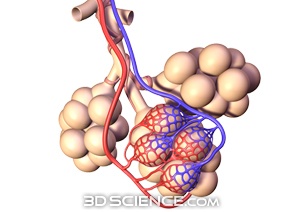
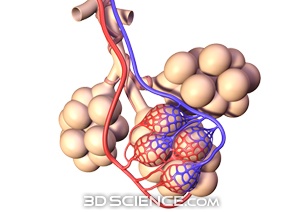
What is the role of the alveoli?
a)
to remove air
b)
allow air to travel to the alvelous
c)
gaseous exchange and diffusion
3.

Which of the following is a collapsed lung

a)

Cystic fibrosis

b)

Emphysema

c)

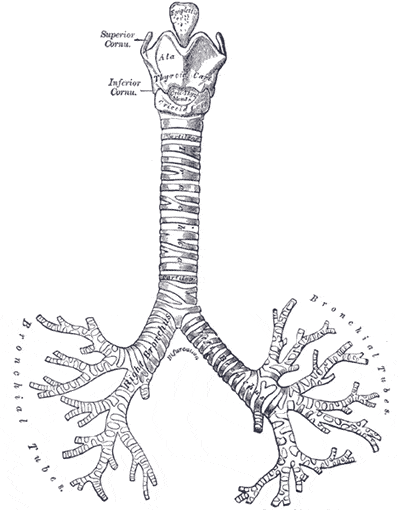
Cyanosis

d)

COPD

e)

Pneumothorax

4.
Given the following structures:
1. larynx
2. nasal cavity
3. pharynx
4. trachea
Which of the following is the correct order that air would flow during inhalation. 
a)
1,2,3,4
b)
2,3,1,4
c)
2,1,3,4
d)
4,2,3,1 
5.
What is the primary function of mucus and cilia in the nostrils?
a)
Sound production
b)
Filtration
c)
Temperature Control
d)
Respiration
6.
Where are the sinuses located?
a)
In the front lobe of the brain
b)
In the skull surrounding the nasal cavity
c)
Inside the nares
d)
Under the cheek bones
7.
What structure is a passageway for both food and air?
a)
Pharynx
b)
Bronchus
c)
Trachea
d)
Larynx
8.
If your epiglottis were to suddenly stop working, what activity could be life threatening?
a)
Breathin
b)
Walking
c)
Coughing
d)
Eating
9.
The nostrils, larynx, and trachea are all made primarily of:
a)
Cartilage
b)
Bone
c)
Muscle
d)
Tendons
10.
What structure connects the larynx to the bronchi?
a)

Pleura

b)

Oropharynx

c)

Trachea

d)

Bronchioles

11.
Where in the respiratory tract does the exchange of oxygen and carbon dioxide take place?
a)
Larynx
b)
Bronchi
c)
Trachea
d)
Alveoli
12.
Your lungs are divided into lobes. How many lobes do you have?
a)
Two
b)
Three
c)
Four 
d)
Five
13.
In the process of breathing, during what stage does the movement of the diaphragm enlarge the thoracic cavity?
a)
Internal respiration
b)
External respiration
c)
Inspiration
d)
Experation
14.
If a person could not produce surfactant, his/her:
a)
Alveoli would collapse
b)
Bronchi would collapse
c)
Vocal chords could not vibrate
d)
Epiglottis would close
15.
What respiratory disorders are highly contagious?
a)
Laryngitis and pleurisy
b)
Influenza and URI
c)
Sinusitis and epistaxis
d)
Emphysema and asthma
16.
Mr. Arnot is a heavy smoker with a chronic cough, bluish tint to his skin, and a barrel chest. He MOST LIKELY suffers from:
a)
Emphysema
b)
Epistaxis
c)
Tuberculosis
d)
Pleurisy
17.
Sarah has a chest x-ray that shows she has tubercles in her lungs. What does that mean?
a)
She had tuberculosis in the past but has recovered.
b)
She has a dormant form of tuberculosis that could become active if her resistance is lower.
c)
She has an active case of tuberculosis and is being treated with antibiotics.
d)
She has a history of an infection that is similar to tuberculosis and therefore is immune to TB.
18.
What diagnostic test provides physicians with a direct look at the lining of the respiratory tract?
a)
CPAP
b)
Bronchoscopy
c)
Pulmonary function tests
d)
Chest x-ray
19.
When you breathe, your lungs take in ___ and remove ___. 
a)
air/oxygen
b)
oxygen/carbon dioxide 
c)
carbon dioxide/waste 
d)
waste/air 
20.
The air sacs that are covered with capillaries where gas exchange takes place
a)
bronchi
b)
lungs
c)
oxygen
d)
alveoli
21.

Flap of tissue that covers the opening to the windpipe during swallowing

a)

Pharynx

b)

Trachea

c)

Epiglottis

22.
What is the main function of the respiratory system?
a)
to provide oxygen and remove carbon dioxide from the body
b)
to bring oxygen to the body
c)
to break down food and absorb nutrients
d)
to remove oxygen from the body and deliver carbon dioxide
23.
Which body function is made possible by the fibrous bands stretched across the larynx?
a)
swallowing
b)
breathing
c)
diffusion
d)
speech
24.
A chamber behind the nose and mouth that leads to the trachea
a)
pharynx
b)
trachea
c)
epiglottis
d)
larynx
25.

What is the site of gas exchange?

a)

alveoli

b)

nose

c)

lung

d)

bronchi

26.

The only externally visible part of the respiratory system

a)

Eyes

b)

Nose

c)

Pharynx

d)

Larynx

27.

The division of the trachea forms

a)

nose

b)

main bronchi

c)

lungs

d)

alveoli

28.

The opening between vocal cords

a)

glottis

b)

epiglottis

29.

Which part of the Respiratory System plays a major role in speech?

a)

nose

b)

pharynx

c)

larynx

d)

trachea

30.

What is A pointing to

a)

mouth

b)

pharynx

c)

nasal passageway

d)

larynx

31.

What is B pointing to

a)

larynx

b)

pharynx

c)

epiglottis

d)

pleura

32.

What is C pointing to?

a)

Larynx

b)

Pharynx

c)

esophagus

d)

trachea

33.

What is D pointing to?

a)

esophagus

b)

trachea

c)

bronchus

d)

alveoli

34.

What is G pointing to?

a)

bronchioles

b)

bronchus

c)

alveoli

d)

pleura

35.

What is H pointing to?

a)

alveoli

b)

bronchioles

c)

bronchus

d)

pleura

36.

What is F pointing to?

a)

diaphragm

b)

pleura

c)

alveoli

d)

bronchioles

37.

What is E pointing to?

a)

trachea

b)

alveoli

c)

bronchioles

d)

bronchial tube or bronchus

38.

What is I pointing to?

a)

Bronchioles

b)

alveoli

c)

diaphragm

d)

pleura

39.
The two main branches from the trachea (one to each lung)
a)
bronchi
b)
alveoli
c)
capillaries
d)
bronchioles
40.
What does the Larynx hold ?
a)
The larynx holds the whole sub system 
b)
The larynx is part of the plant cells. 
c)
The larynx holds the vocal chords. 
d)
The larynx is part of animal tissues. 
41.
What is the respiratory system?
a)
The body's system of nerves.
b)
The body's breathing system
c)
The body's food-processing system
d)
The body's blood-transporting system
42.
Air enters the body and to the lungs...
a)
through the mouth and the nose
b)
through the esophagus and gullet
c)
through the windpipe and the pores
d)
through the nose and the nervous system
43.
What is another name for the windpipe?
a)
Lungs
b)
Larynx
c)
Trachea
d)
Esophagus
44.
Which organ is made up of air-carrying tubes and tiny sacs?  
a)
The brain
b)
The lungs
c)
The stomach
d)
The diaphragm
45.
The lower respiratory tract includes?
a)
alveoli, squamous, epithelial cells, and pharynx
b)
 capillaries, alveoli, nose, pharynx
c)
oropharynx, bronchioles, lungs
d)
trachea, bronchi, bronchioles, lungs, alveoli
46.
What is the main bone structure that protects the lungs
a)
Vertebrae
b)
Rib cage
c)
Skull
d)
Pelvis
47.
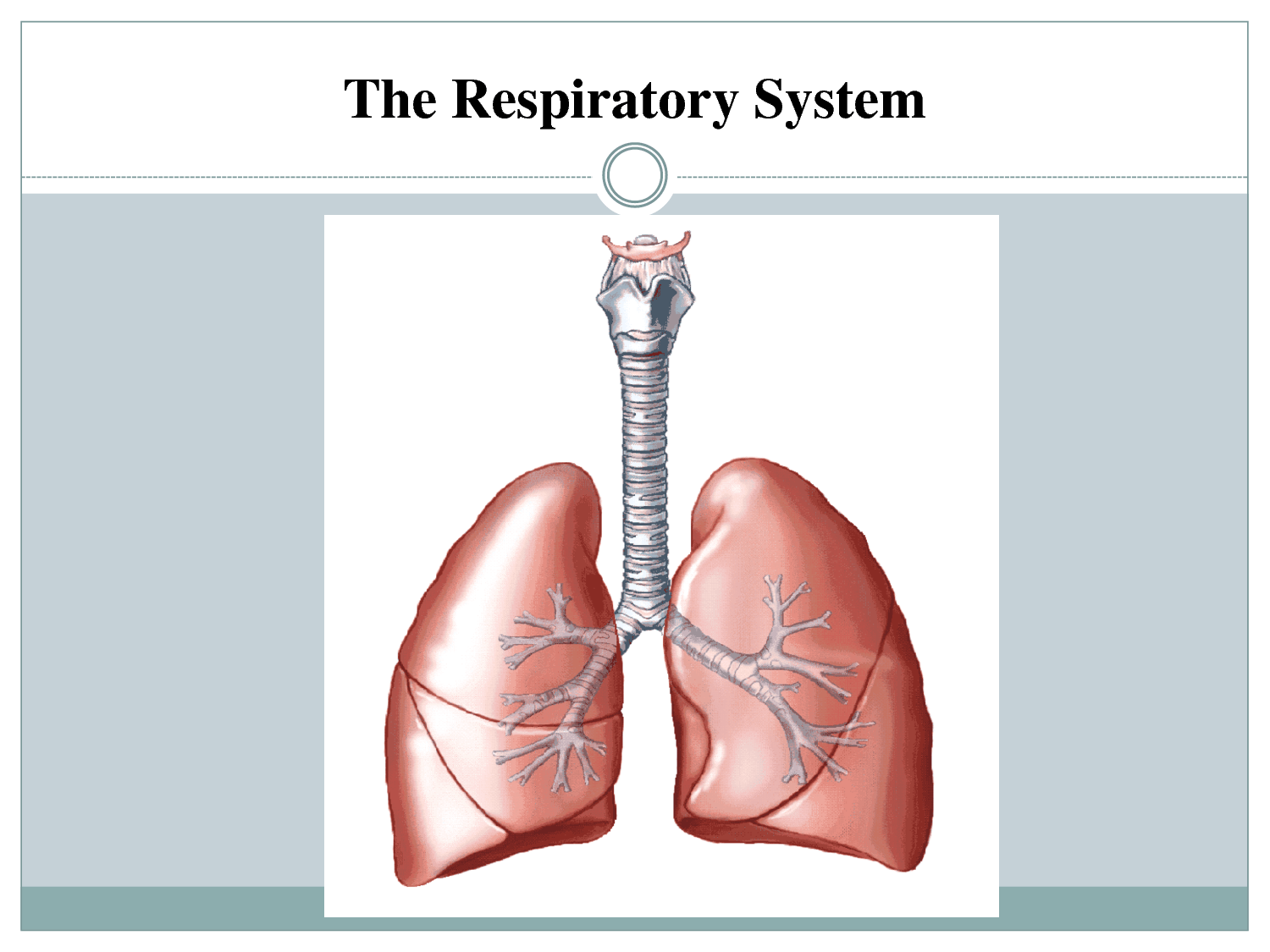
Name the organ label # 6. 
a)
alveoli 
b)
bronchi 
c)
trachea 
d)
lungs 
48.
The two main branches from the trachea (one to each lung)
a)
bronchi
b)
alveoli
c)
capillaries
d)
bronchioles
49.
Which blood cells carry carbon dioxide to the lungs to get rid of it?
a)
White Blood Cells
b)
Red Blood Cells
c)
Blue Blood Cells
d)
Yellow Blood Cells
50.
Which blood cells carry the oxygen to the rest of the body?
a)
Red Blood Cells
b)
White Blood Cells
c)
Blue Blood Cells
d)
Yellow Blood Cells
51.
Tube that carries oxygen from the mouth to the Bronchi. (#5)
a)
Bronchioles
b)
Alveoli
c)
Esophagus
d)
Trachea
52.
The Bronchi branch out into many different smaller tubes which take oxygen to the alveoli. What are these tiny tubes called?
a)
Trachea
b)
Larynx
c)
Pharynx
d)
Bronchioles
53.
What are the lungs getting rid of when you exhale?
a)
Air
b)
Oxygen
c)
Carbon Dioxide
d)
Nitrogen
54.

Where are your vocal cords located (Also known as the "voice box"?

a)

Nose

b)

Lungs

c)

Larynx

d)

Alveoli

55.

What is the passageway for both food and air in the back of your throat?

a)

Pharynx

b)

Larynx

c)

Trachea

d)

Bronchi

56.
an inflammation in the bronchial tubes that causes a person to have a nagging cough
a)
bronchitis
b)
emphysema
c)
pneumonia
d)
cystic fibrous
57.
A disorder of the lungs called ____ causes the bronchi to become restricted (get smaller) so air can't get to the lungs.
a)
asthma 
b)
cold
c)
influenza 
d)
bronchitis 
58.
What does the cilia do in the respiratory syestem ?
a)
The cilia carries food and air through the respiratory system. 
b)
The cilia is known to be part of a cell. 
c)
Cilia filters particles that enter the nose. 
d)
Cilia contains the vocal chords. 
59.
How is carbon dioxide released from the body? 
a)
When we exhale
b)
When we urinate
c)
When we sweat
d)
When we inhale
60.
The beginning of the respiratory system that warms and moistens the air.
a)
trachea
b)
nose
c)
bronchi
d)
diaphragm
61.
spasm of the diaphragm
a)
cough
b)
sneeze
c)
hiccup
d)
yawn
62.
Inflammation of the voice box
a)
laryngitis
b)
pharyngitis 
c)
bronchitis
d)
sinusitis
63.

The passageway that is shared by both the digestive and respiratory system to move food and air is the...

a)

larynx

b)

pharynx

c)

trachea

d)

nose

64.
Which system works closely with the respiratory system?
a)
skeletal system
b)
circulatory system
c)
excretory system
d)
digestive system