
 Worksheets
Error types and error reduction
Total questions: 15
Worksheet time: 5mins

A student measures a doorway using a 15cm ruler but doesn't notice that the scale is shorter than the ruler.
Is this:
a mistake
a problem of definition
a random error
a systematic error

How could this error be reduced?
(more than one answer)
Take multiple measurements
Deduct the discrepancy for each time the ruler was used
Use a ruler which starts at the zero marker
Copy the answer from another student

Students measure the height of a doorway. Looking up, they disagree about the final measurement.
Is this:
a mistake
a problem of definition
a random error
a systematic error
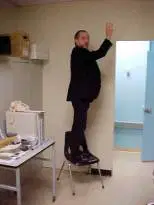
How can the problem of parallax be lessened?
take multiple measurements
close one eye
stand on a chair and look directly at the ruler
jump and look
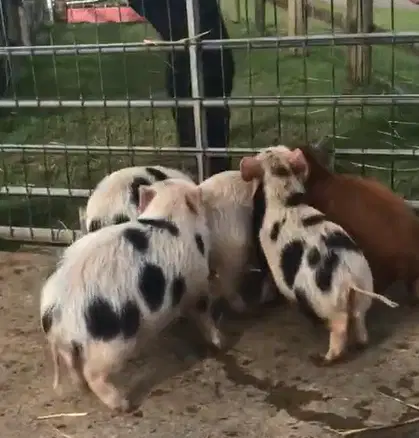
Some students time the winning piglet in a piglet race but are unsure when the race starts and ends.
Is this:
a mistake
a problem of definition
a random error
a systematic error
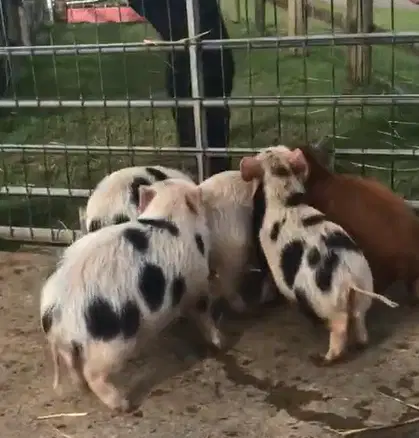
How can this problem be solved?
(more than one answer)
Agree the point at which the race starts and finishes
Take multiple measurements
Rerun the race using lasers at the start and end of the race
ask the piglet

Students timing a race with their mobile phones give a range of times.
Is this:
a mistake
a problem of definition
a random error
a systematic error

How can this problem be lessened?
Take multiple measurements
Everybody copies one student's answers
Rerun the race until the piglets get it right
Ask the winning piglet

A student records a reading of 42.86 as 24.86.
Is this:
a mistake
a problem of definition
a random error
a systematic error

What can be done about this problem?
nothing
discount this 'outlier'
stop this student taking part in experiments
make the student run in the next piglet race
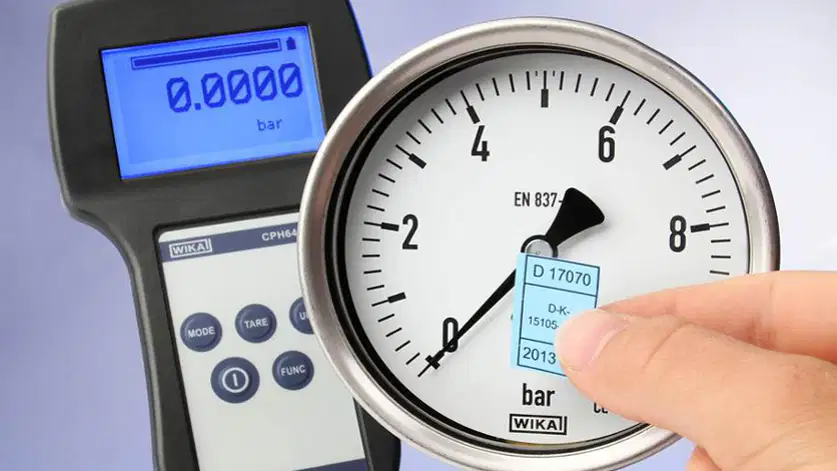
In measurement, 'calibrate' means:
The size of something
A type of measuring instrument
To check the accuracy o an instrument
the range of results

In measurement, 'tolerance' means:
Poor measurement standards
A type of systematic error
Accepting other people's behaviour
An acceptable range of size

In measurement, 'finely graduated' means:
very small divisions of a scale
doing very well at university
another word for 'tolerance'
a small margin of error

A guess and an estimate:
mean the same thing
are both types of error
are different (an estimate is based on evidence)
are different (a guess is a mistake)
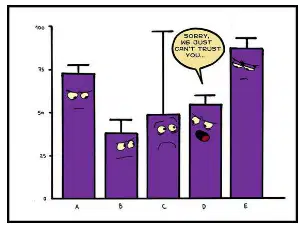
In measurement, 'margin of error' are characterised by:
(more than one answer)
being given at a 95% confidence level
being rounded to one significant feature
requiring a statistically significant sample
two standard deviations (σ) from the mean

