
Font size
 Worksheets
Immunity review
Total questions: 25
Worksheet time: 25mins
What is the primary function of your immune system?
to create organelles
to protect your body from pathogens
to aid in blood circulation
to protect your bones and muscles
First line mechanical defenses include
skin-external barriers
hair & cilia
mucus
internal membranes
all of the above
Match the following type of defense to its example:
Mechanical barrier
skin
Chemical barrier
enzymes
Microbiological barrier
flora of beneficial bacteria
Select 3 ways that your digestive system works to protect you from pathogens that have entered your body on food?
by using stomach acids to neutralize the pathogen
causing you to vomit
causing you to have diarrhea
causing you to burp
Which part of the body where all blood cells are made?
(a)
Bacteria can harm your body and cause disease by...
destroying cells and capturing toxins
damaging tissue and releasing toxins
damaging organs and ingesting cells
causing fungus and viruses to grow
Most bacterial diseases can be treated with _______________.
antibiotics
carcinogens
pathogens
microbes

Bacteria are smaller than viruses.
TRUE
FALSE

What type of disease pattern spreads rapidly over countries and continents?
Outbreak
Pandemic
Epidemic
Endemic

A living cell that a virus infects is called a ________ cell.
mast
host
cast
partner

A toxin or other foreign substance which creates an immune response and the production of antibodies
Antigen
Pathogen
Antibody
Immunity
Which of the following cells make antibodies?
T lymphocytes
( T Cells )
Phagocytes
B lymphocytes
( B Cells )
Pathogens
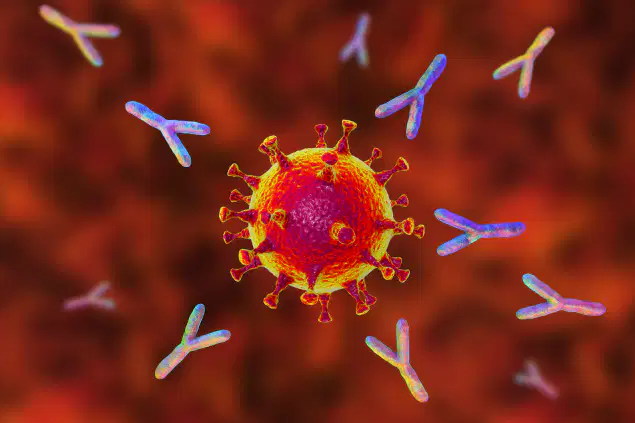
What is the best definition of antibodies?
antibiotics that help you when you are sick
organs that create pathogens
pathogens that enter the bloodstream
proteins that attach to foreign antigens and make them useless
Any virus, bacteria, fungi, or parasite that can cause a disease in a living thing is called a
cancer.
pathogen.
gene.
toxin.
An infectious disease from an animal passed to a human that causes illness is a genetic disease.
True
False
Which part of the body where all blood cells are made?
(a)
Most bacterial diseases can be treated with _______________.
antibiotics
carcinogens
pathogens
microbes
A major function of the lymphatic system is to drain body fluids and return them to the bloodstream.
true
false
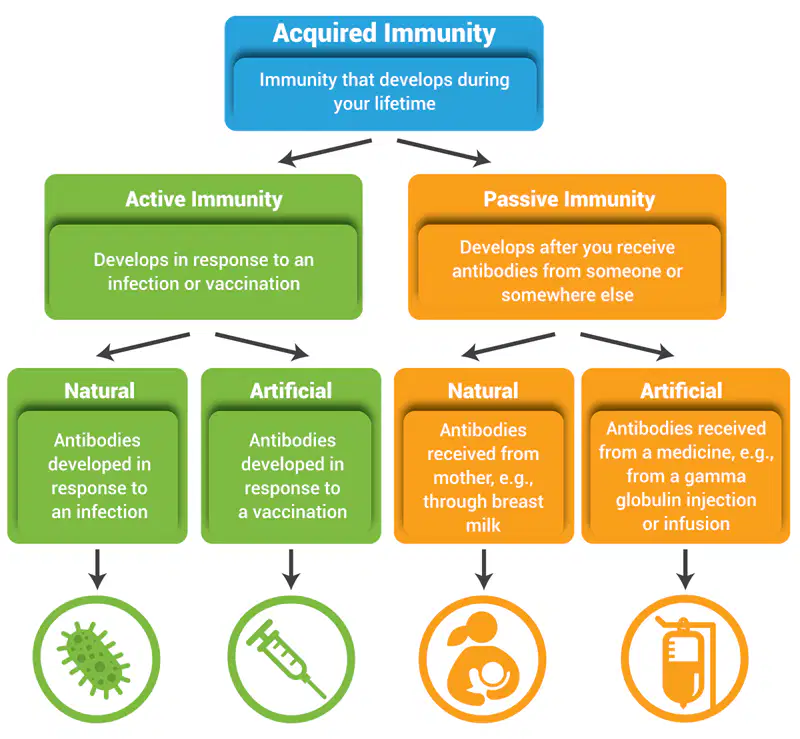
Which type of Immunity is developed from an individual's own immune system. (hint: Use the image to help you!)
active immunity
adaptive immunity
passive immunity
innate response
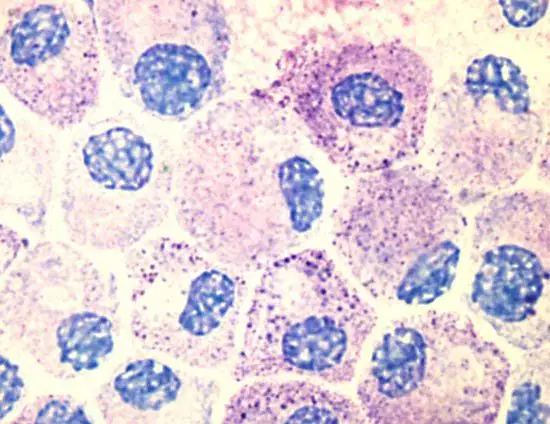
Mast cells detect injury to nearby cells and release ______, initiating an inflammatory response.
histamine
memory T-cells
antigens
leukocytes
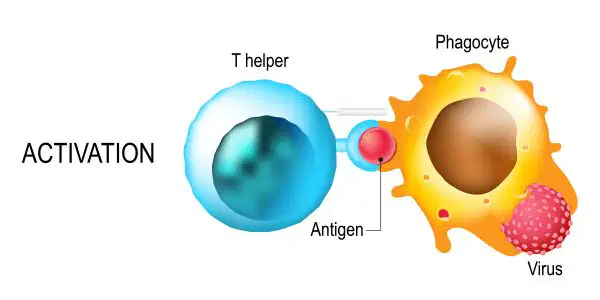
The main job of helper-T cells is to
alert other immune cells that there is a problem
replicate new immune cells
eliminate foreign pathogens
remember details on antigens for future encounters
Label the following blood cells in the image.
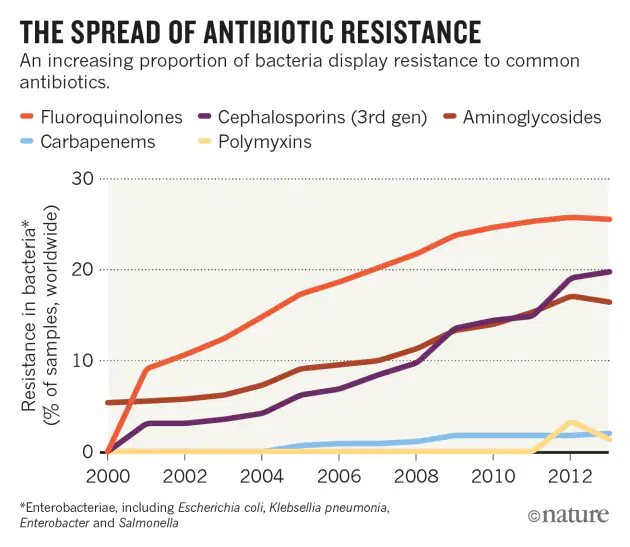
Why should a patient take ALL of their antibiotics prescribed by their doctors?
None of the bacteria in their system will die off unless they take all of the medicine
Some resistant bacteria may grow rapidly if they do not
The bacteria will change into virus and the medicine will not work/

What type of blood is shown here?
A positive
A negative
B positive
B negative
Which of the following transmits HIV?
Sneezing or coughing
Bite of infected mosquito
Using public restrooms or swimming pools
Blood transfusion

