
 Worksheets
SCIENCE Vocab Review
Total questions: 41
Worksheet time: 25mins
Which planet is the furthest from the sun?
Mars
Venus
Neptune
Jupiter
floating or sinking when compared to water.
Volume
Solution
Mixture
Relative Density

If you poured 3 liquids that do not mix how could you tell which one is the most dense?
The liquid on top.
The liquid at the bottom.
The liquid in the middle.
If you poured 3 liquids that do not mix how could you tell which one is less dense?
The liquid on top.
The liquid at the bottom.
The liquid in the middle.
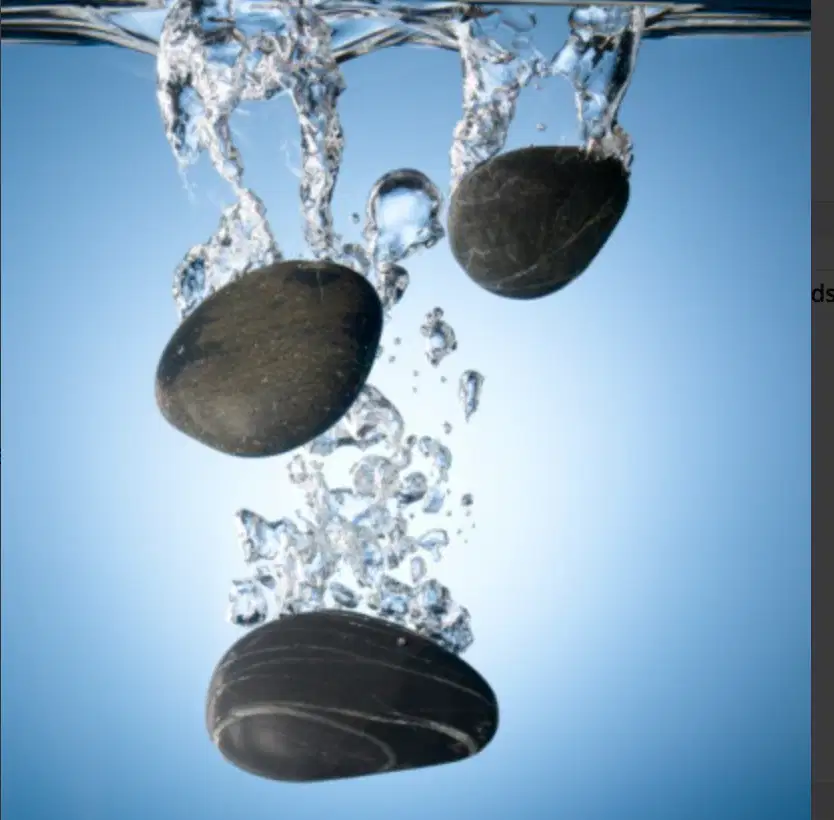
Rocks sink because they are
the same density as water
more dense than water
less dense than water
because they are round

The boat is (a) dense than water.
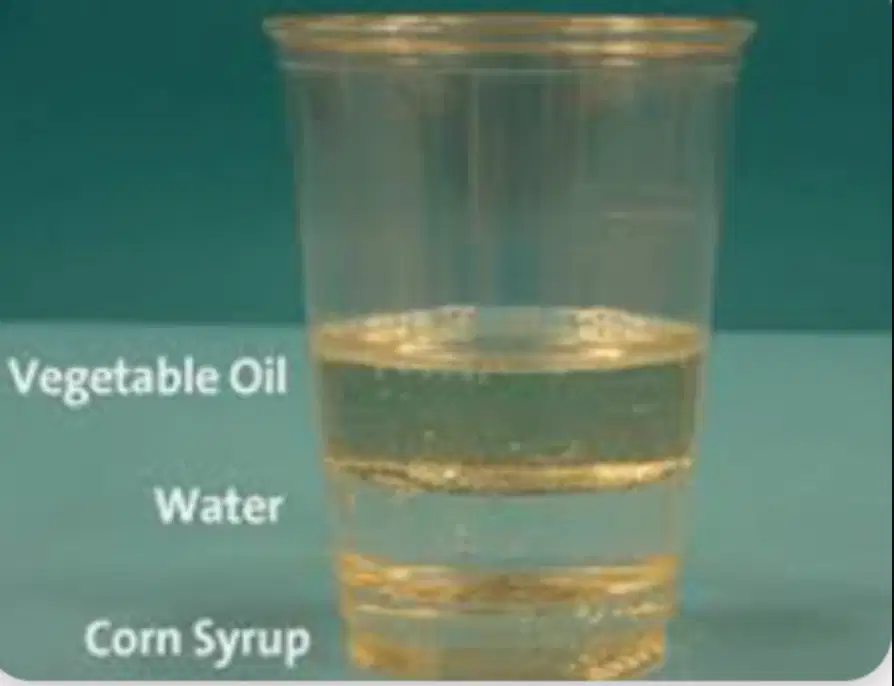
Which is less dense than water?
vegetable oil
corn syrup
I am creating a circuit. I have wires, a buzzer, and a switch. What else do I need to complete my circuit?
more wires
a light bulb
a power source
another switch
Light travels in a (a) line.
matter that light travels through
medium
the bending of light as it moves through one medium into another
refraction
the bouncing back of light rays from a surface
reflection

Reflection or refraction?
reflection
refraction

Reflection or refraction?
reflection
refraction
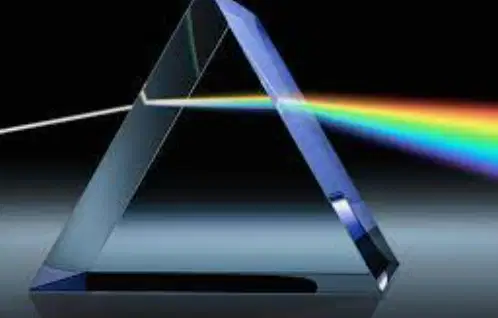
Reflection or refraction?
reflection
refraction

Reflection or Refraction?
Reflection
Refraction

Reflection or Refraction?
Reflection
Refraction
Which image best represents the rotation of Earth?
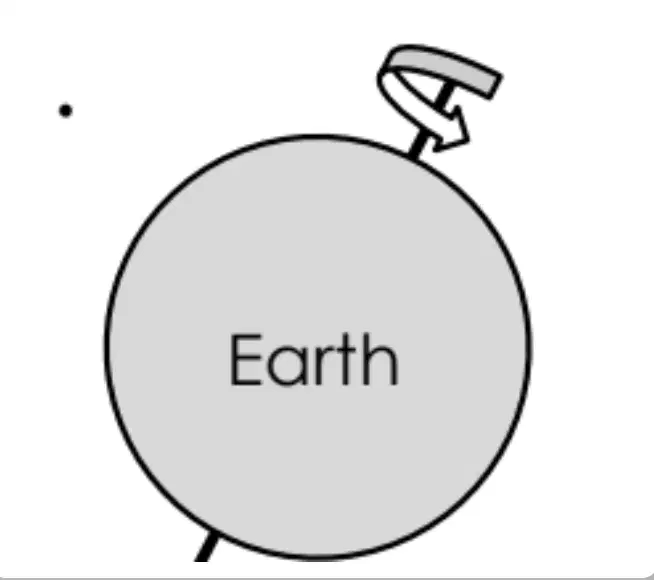
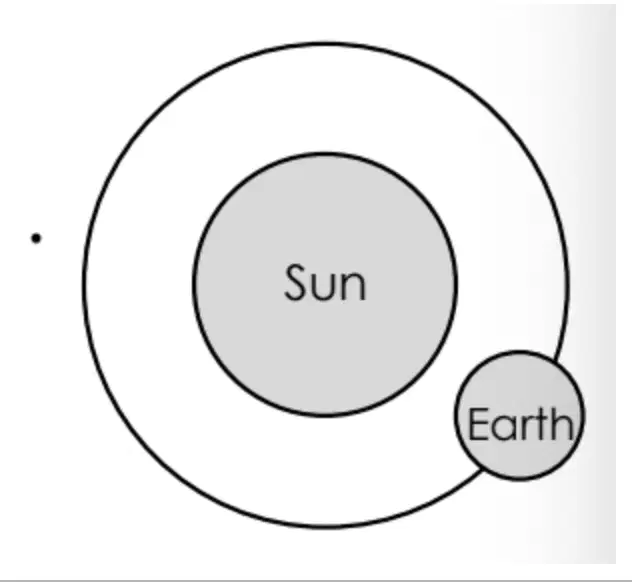
Earth's (a) creates day and night.
A great conductor of energy is:
wood
plastic
metal
cloth
All of the following are conductors except _______.
metal spoon
wire
iron nail
plastic spoon
An object that doesn't conduct thermal or electrical energy well is known as:
conductor
insulator
An object that conducts thermal or electrical energy well is known as:
conductor
insulator
natural resources that are used up at a rate faster than they can be replaced
Conservation
Fossil Fuels
Nonrenewable Resources
Renewable Resources
natural resources that are constantly being recycled
Conservation
Fossil Fuels
Nonrenewable Resources
Renewable Resources
Which of the following are considered renewable resources? Choose two that apply.
Oil
Water
Plants
Coal
Which of the following are considered nonrenewable resources? Choose two that apply.
Oil
Water
Plants
Coal

F
G
H
J
the process of changing from a gas to a liquid
condensation
evaporation
precipitation
the process of changing from a liquid to a gas
condensation
evaporation
precipitation
water that falls to the Earth’s surface as rain, snow, sleet, or hail
condensation
evaporation
precipitation
a force that acts in an opposite direction to movement
Friction
Gravity
Force
Magnetism
a force that pulls objects toward each other
Friction
Gravity
Force
Magnetism
a force that pushes or pulls a magnetic material across a distance
Friction
Gravity
Force
Magnetism
an organism that makes its own food (e.g., plants)
population
Thrive
Producer
Perish
an organism that eats other organisms (plants and / or animals) for food
consumer
community
prey
predator
an organism that gets energy by feeding on dead materials and waste
Food Chain
Decomposer
ecosystem
perish

Which is the producer in this food web?
The lion
The tiget
The green plant
The Snake

Some examples of how plants change are listed below. Which of the examples describes plants responding to nonliving components of their ecosystem?
Example 1 only
Example 2 only
Examples 1 and 3 only
Examples 1, 2, and 3
Which of these describes a living organism that uses a nonliving component of its ecosystem to survive?
A hermit crab inside a shell
A bird nesting in a tree hollow
Rabbits consuming grass
A tree producing acorns
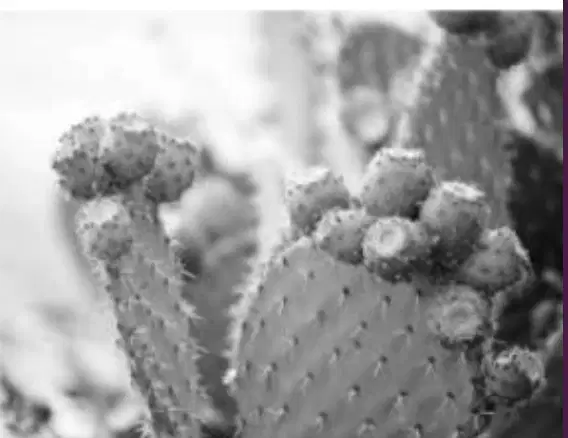
A prickly pear cactus takes in carbon dioxide. Which of the following was described?
Two organisms interacting
An organism interacting with a nonliving component of its ecosystem
Two organism competing for space
a producer helping another producer
When a substance dissolves in water, it
Doesn't do anything
Disappears
spreads out evenly
What happens when sugar is put into water and stirred?
The mass of the sugar decreases.
The sugar disappears and no longer exists.
The sugar is evenly distributed in the water
The crystals of sugar have entered the atmosphere.

