
 Worksheets
Chapter 20 and 19.1
Total questions: 21
Worksheet time: 12mins
The different shapes that the moon seems to have.
revolutions
phases
rotations
As the moon's shape appears to get smaller, we say that the moon is _.
waning
waxing
When the moon appears to be getting larger
wax
wane
new
The cycle of the moon lasts for ____
27.3 days
27.32 days
about 31 days

True or False: The moon produces its own light.
True
False

Which phase of the moon is shown in the picture?
New
Cresent
Quarter
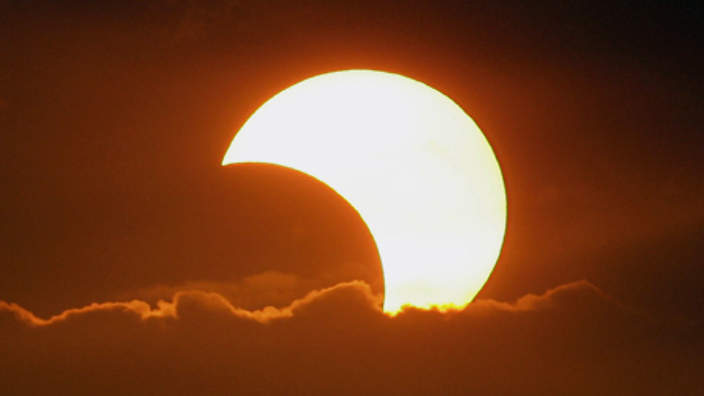
This image is an example of
Lunar Eclipse
Full Moon
New Moon
Solar Eclipse
Why do we not have a solar and lunar eclipse every 28 days?
There is one every 28 days
The earth´s orbit is at an angle
The moon is gradually escaping Earth´s gravity
The orbit of the moon is at an angle

What type of eclipse happens at night?
solar eclipse
lunar eclipse

Is this alignment for a solar or a lunar eclipse?
Solar
Lunar
- a complete blocking of the sun. occurs when you are standing in the moon's umbra.
Phases
Umbra
Lunar Eclipse
Total solar eclipse
The _________________ is the lighter shadows during an eclipse.
Thing
Umbra
Penumbra
shadow
An equinox occurs during which seasons?
summer
spring
fall
winter
True or False: The Earth’s axis remains pointed in the same direction at all times as the Earth revolves around the Sun.
True
False
Select the correct order of waves on the EMS from low to high energy
Radio, Micro, Infrared, Visible, Ultraviolet, X-ray, Gamma
Gamma, X-ray, Ultraviolet, Visible, Infrared, Micro, Radio
Radio Micro, Infrared, invisible, Ultraviolet, X-ray, Gamma
Micro, Radio, Visible, Infrared, Ultraviolet, X-ray, Gamma
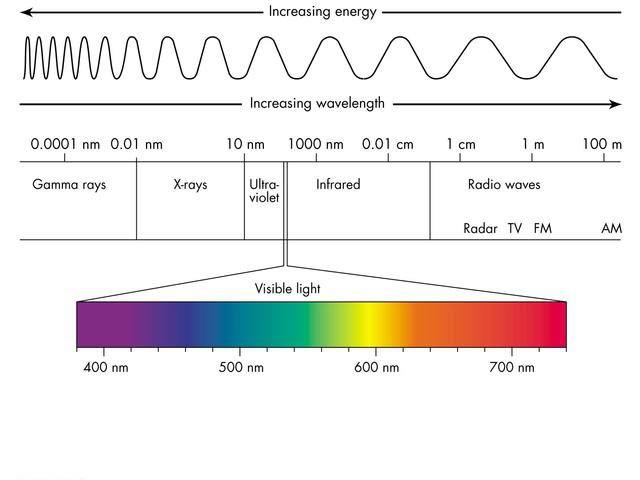
What is the correct order of the visible light spectrum?
Red, yellow, orange, blue, violet, indigo
Violet, purple, indigo, blue, green, yellow, orange
Green, yellow, blue, indigo, red, orange,
Red, orange, yellow, green, blue, indigo, violet

What does the Hubble take pictures of?
plants and animals
planets, stars and galaxies
famous people
me
ultraviolet waes
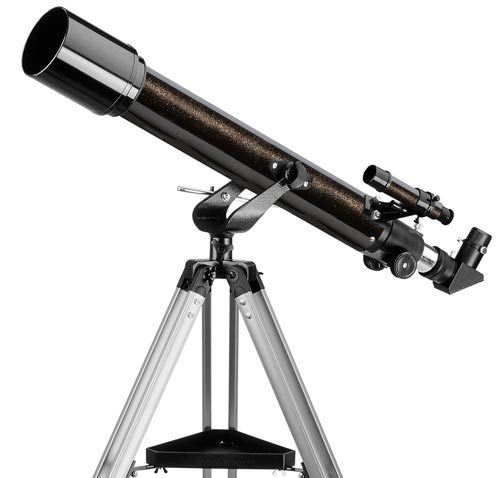
A refracting telescope uses _______ to focus light.
Lenses
Mirrors
Lasers
Water
Refracting telescopes with __________ have the best resolution.
more powerful eyepieces
larger mirrors
longer tubes
larger objectives

Identify "D" in the diagram:
Crater
Rays
Maria
Highlands
What is the best song ever
duck song
Dumb Ways to Die
old mcdonald had a farm
Twinkle twinkle little star

