
NEW
Font size
 Worksheets
Muscles that move the pectoral girdle
Total questions: 17
Worksheet time: 23mins
What is the action of the trapezius?
Elevate and depress the mandible
Stabilize and move the scapula
Raise and lower legs
Lateral flexion of the head
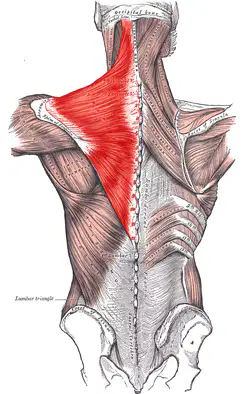
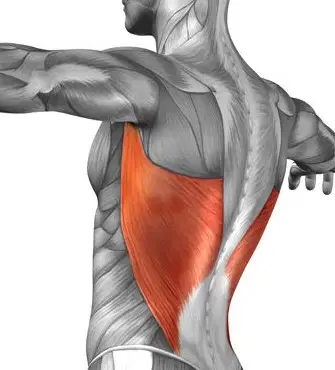
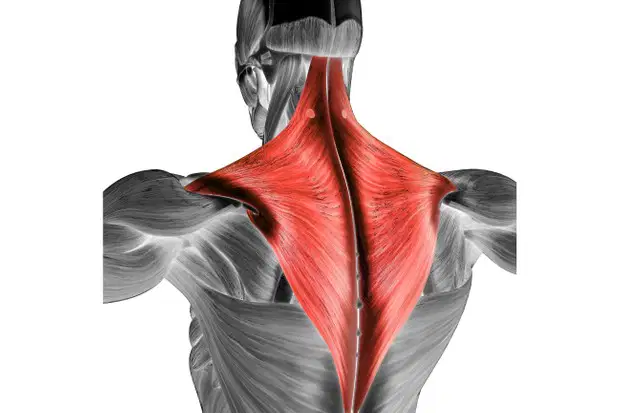
Identify the trapezius in the following pictures


Identify the origin and insertion of the Trapezius muscle
Origin: Thoracic vertebrae & 5th metacarpal
Insertion: Ribs & Clavicle
Origin: Temporal bone of skull & Ribs
Insertion: Spinous process of 5th vertebrae & Ulna
Origin: Occipital bone of skull & Thoracic spinous Process
Insertion: Spine and acromion process of scapula
Origin: Frontal bone of skull & Pollex
Insertion: Thoracic Vertebrae & 5th Metacarpal
Identify the action of the Rhomboid Major and Minor:
Helps to bend knees
Helps to stabilize and sway hips
Helps to raise, depress, and rotate foot
Helps to elevate, stabilize, and rotate scapula
Identify the Rhomboid Major


Identify the Rhomboid minor:


Identify the origin and insertion of the Rhomboid Major
Origin: T2-T5 spinous processes
Insertion: Medial Border of Scapula
Origin: L1-L5 spinous processes
Insertion: Acromion process of scapula
Origin: True ribs
Insertion: Styloid process of ulna
Origin: Frontal bone of skull
Insertion: Trochlear notch of ulna
Identify the origin and insertion of the Rhomboid Minor
Origin: L5 vertebrae
Insertion: Olecranon process
Origin: Temporal bone of skull
Insertion: Mandibular foramen
Origin: c7 an t1 vertebrae
Insertion: Medial Border of Scapula
Origin: Mental Foramen
Insertion: Lateral border of scapula
Action of the Levator Scapulae
Elevate the ulna
Elevate the scapula
Elevate the fibula
Elevate the mandible
Origin and Insertion of the Levator Scapulae
Origin: True Ribs
Insertion: Acromion process of scapula
Origin: Mental foramen & Frontal bone of skull
Insertion: Intervertebral disks
Origin: Spinous process of L1-L5
Insertion: Medial side of posterior scapular border
Origin: Transverse process of C1, C2, C3, and C4
Insertion: Posterior side of medial scapular border
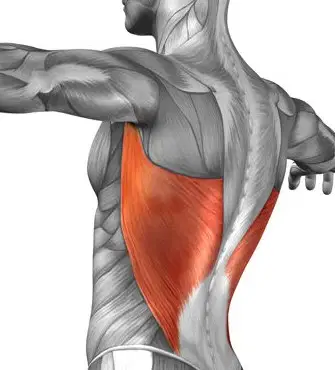
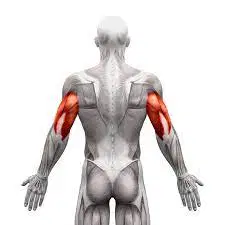
Identify the Levator Scapulae:

Action of the serratus anterior
Allows for circumduction of the scapula
Retracts the scapula behind the thorax
Pulls the scapula forward around the thorax
Allows for ball and socket shoulder joint to connect to scapula
Identify the serratus anterior
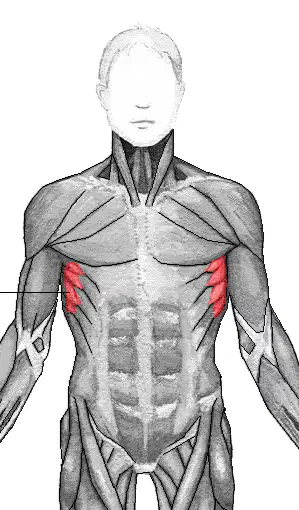
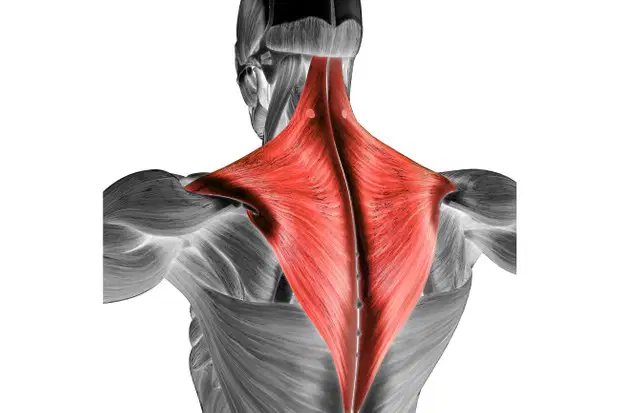
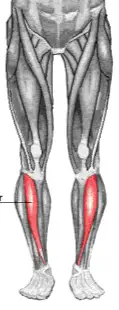
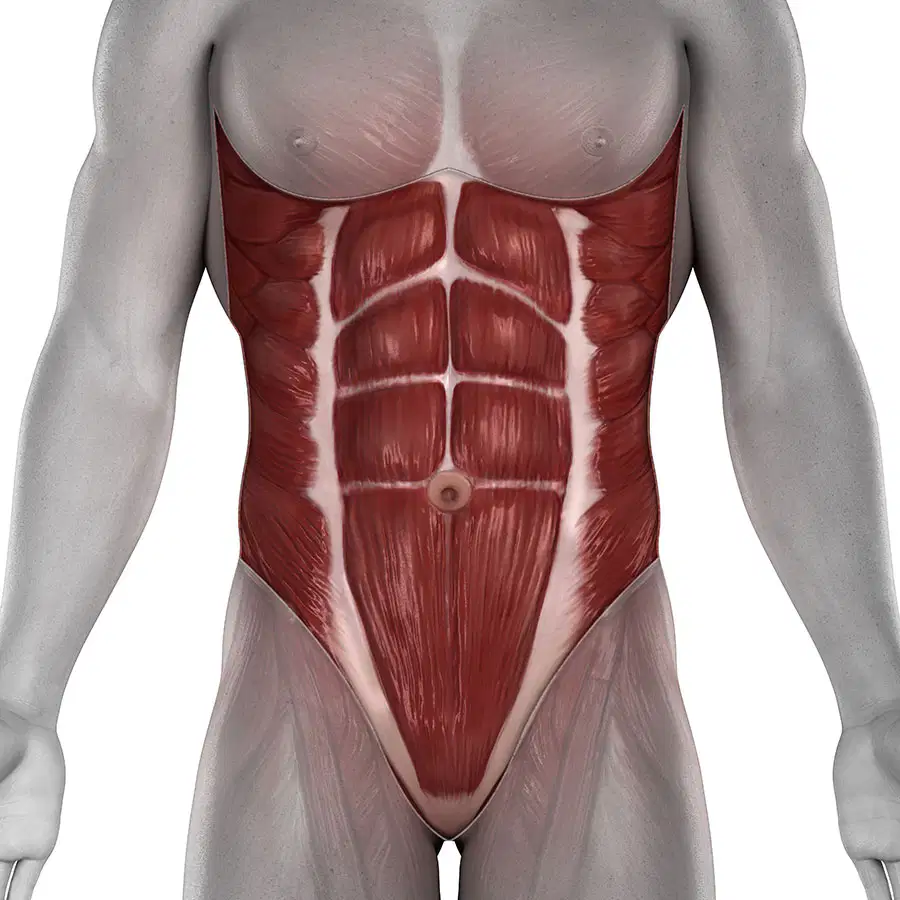
Identify the origin and insertion of the serratus anterior
Origin: False Ribs
Insertion: Frontal bone of skull
Origin: Thoracic vertebrae
Insertion: Acromion process of scapula
Origin: Ribs 1-9
Insertion: Medial border of scapula
Origin: Xiphoid process of sternum
Insertion: Olecranon process
Identify the action of the pectoralis minor
Allows for stabilization, depression, abduction, protraction, and rotation of mandible
Allows for stabilization, depression, abduction, protraction, and rotation of ulna
Allows for stabilization, depression, abduction, protraction, and rotation of ribs
Allows for stabilization, depression, abduction, protraction, and rotation of scapula
Identify the pectoralis minor:
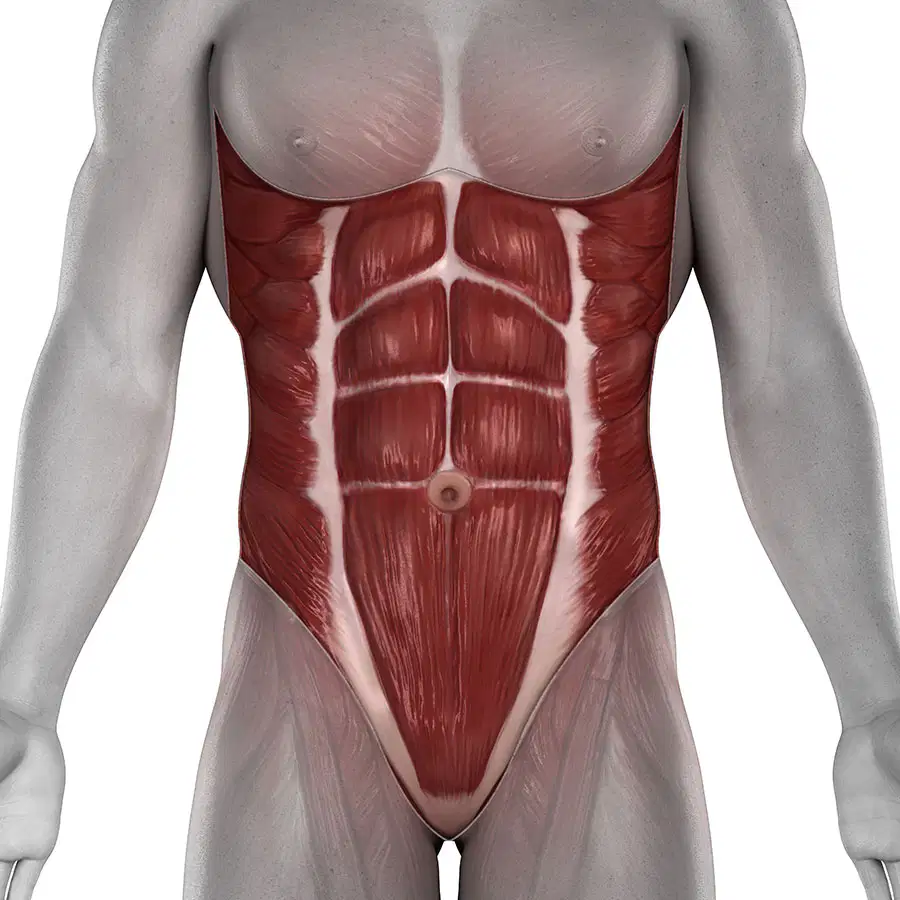
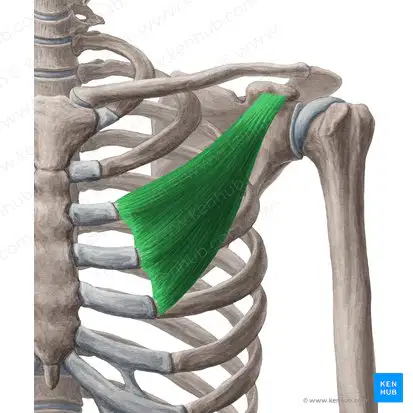
Identify the origin and insertion of the pectoralis minor
Origin: Intervertebral disks
Insertion: False Ribs
Origin: Costal cartilage of rib 3-5
Insertion: Coracoid process and medial border of scapula
Origin: Body of sternum
Insertion: L1-L5
Origin: Mental foramen
Insertion: Olecranon process and Frontal bone of skull

