
NEW
Font size
 Worksheets
Immune and Brain Review
Total questions: 20
Worksheet time: 10mins
Example of 1st line of defense mechanism.
Skin
Fever
Antibodies
Inflammation
Sweat and skin secretions contain a mixture of molecules that kills or limits the growth of many types of microbes. This control of microbes is an example of which of the following?
a nonspecific defense against infection
an enzyme-catalyzed biochemical reaction.
a feedback loop to maintain homeostasis.
a specific immune response to infection by microbes.
How is the use of a vaccine stimulate the immune system to act against a specific pathogen, useful in maintaining homeostasis ?
The body can now digest the weakened microbes and use them as food.
The vaccine provides more stress to the immune system and the more the immune system is challenged, the better it performs.
The body will produce antigen specific antibodies in order to respond quickly to the particular pathogen.
Once the body produces antibodies to combat one type of virus, it can combat any other virus that invades the body.

Which label is the parietal lobe?
A
B
C
D

What is label E?
Cerebrum
Cerebellum
Frontal Lobe
Occipital Lobe

Identify label A.
Frontal Lobe
Temporal Lobe
Occipital Lobe
Parietal Lobe
Identify as specific or non specific immune response: Fever
Specific
Non specific
Identify as specific or non specific immune response: Antibodies
Specific
Non specific
Identify as specific or non specific immune response: B cells
Specific
Non specific
This is used to treat bacterial infections.
Vaccines
Antibiotics
Antimicrobials
Antifungals
This is used to prevent infections
Vaccines
Antibiotics
Antimicrobials
Antifungals

What conclusion can be reached based on the graph below about treatment of the disease gonorrhea with the antibiotic penicillin?
The success rate increased.
The number of antibiotics increased.
The number of cases of the disease decreased.
The failure of penicillin to treat the disease increased.

See Image for question.
increased blood volume
decreased blood volume
increased blood pressure
decreased blood pressure
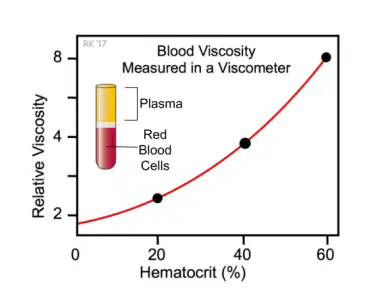
A hematocrit test measures the percent of red blood cells in your blood, and this measurement is then used to determine blood viscosity. The normal hematocrit range for humans is between 35.5 and 48.6. The following graph demonstrates the relationship between hematocrit levels and blood viscosity.
A patient recently had a hematocrit test with a result of 20 percent. Using the graph, identify which of the following would best describe how the patient's blood flow will be affected?
The patient's blood has a lower viscosity, leading to lower blood flow.
The patient's blood has a lower viscosity, leading to higher blood flow.
The patient's blood has a higher viscosity, leading to lower blood flow.
The patient's blood has a higher viscosity, leading to higher blood flow.
An individual suffers an injury leading to a drop in blood volume. Which of the following will occur as a result?
a decrease in heart rate
an increase in blood viscosity
a decrease in blood pressure
an increase in vessel resistance
Regular exercise helps remove buildup of plaque on artery walls by increasing blood flow through arteries. Which of the following describes a long term effect of regular exercise on the cardiovascular system?
Decreased blood pressure due to reduced resistance.
High blood volume caused by the widening of the artery.
Increased blood pressure due to prolonged high blood flow.
Increased risk for diseases caused by reduced blood pressure.

What ia label "E"?
Pons
Medulla oblongata
Occipital lobe
Brain stem

What is label 1?
Frontal lobe
Parietal lobe
Occipital lobe
Temporal Lobe
Vaccines protect you from pathogens by artificially producing an acquired immune response after you receive an injection. The antigens in the vaccine cause your immune system to produce memory cells which can recognize and fight the pathogen if you are exposed to it again. Despite this fact, why is it necessary to get flu shots every year?
Memory cells are weakened over time and stop functioning.
Viruses mutate quickly so the body does not recognize the new strain.
Vaccines contain live viruses that lie dormant in the body waiting to attack.
Vaccines protect against bacterial infections.
A college student from another country transfers to an American college. He has a cough that he doesn't realize is caused by tuberculosis. He is treated with antibiotics, but they are ineffective because he has a strain of the bacterium that is antibiotic resistant. Which of the following is a good scientific reason to be concerned about public safety?
If the disease spreads, the hospital could run short of antibiotics while trying to treat the disease.
The patient is more likely to spread the disease because the bacteria are resistant to antibiotics.
The hospital will not be able to treat the disease if it spreads because the bacteria are resistant to antibiotics.
An outbreak is more likely to happen because the antibiotic resistant form of the disease will enable other strains of tuberculosis to spread more easily.

