
NEW
Font size
 Worksheets
Pressure, Density & Buoyancy
Total questions: 40
Worksheet time: 10hrs 0mins
A life jacket is made to have________.
positive buoyancy
neutral buoyancy
negative buoyancy
variable buoyancy
If a fluid is not contained, the particles will move from ____________until equilibrium is reached.
diffusion
high to low concentration
low to high concentration
lower to higher depths
In fluids, the particles that make up the substance exert pressure:
upwards
in all directions
downwards
horizontally
A _________is the SI unit to measure pressure.
Newton
PSI
Pascal
g/ml
Fluid gases can be displaced like liquids.
True
False
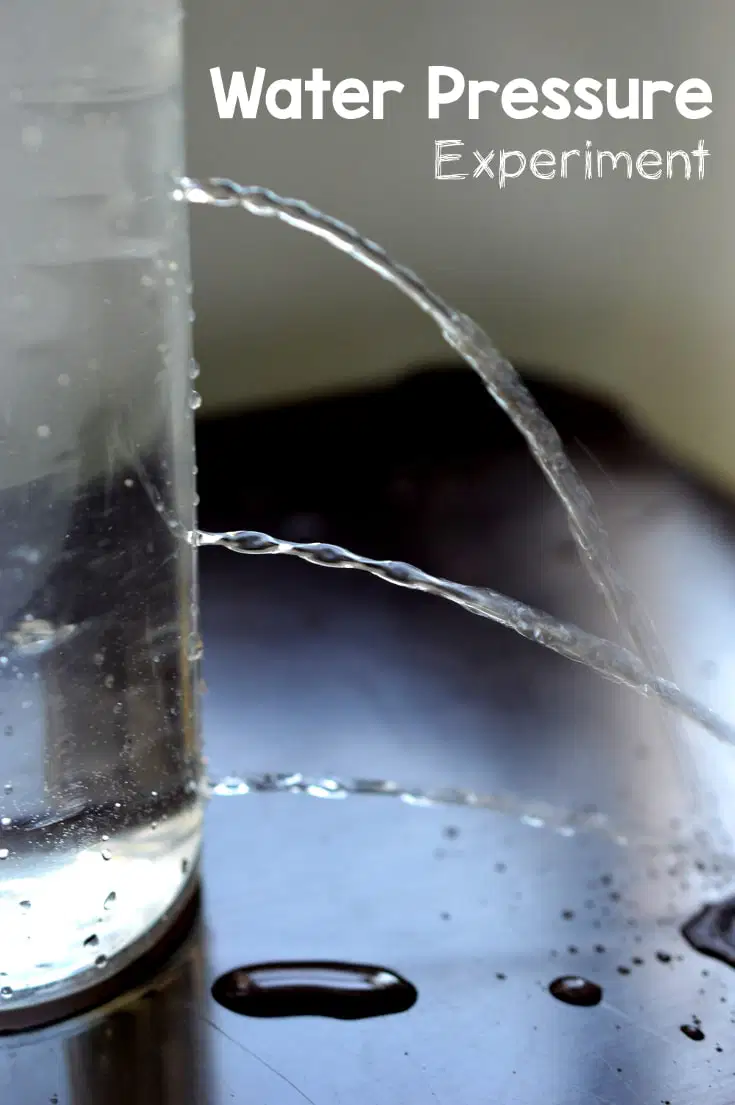
Which of the following factors affect the pressure at the bottom of a container of liquid?
depth of the liquid
width of the container
temperature of liquid
type of container
The term fluids generally applies to:
solid and liquid
liquid and gas
solid and plasma
water only
What do we call the the amount of force exerted on a certain area?
fluid force
pressure
buoyant force
normal force
In a density column, is the substance with the highest density on the bottom or the top?
Bottom
Top

Which object has the highest density in this picture?
A
B
C
Which of the following is the correct units for density?
ml/g
Newtons (N)
cm3
g/cm3
Does 1cup or 6cups of Coke have a higher density?
1 cup
6 cups
They have the same density

You calculated the density of an unknown substance to be 7.8g/cm3. According to the chart, which of the substances doe you most likely have?
Zinc
Copper
Tin
Iron

Which of the following substances would float in water?
gold
rubber
water
cork

30.0 ml
15.0 ml
25.0 ml
20.0 ml
An upward force exerted by fluids on an object.
An downward force exerted by fluids on an object.
An upward force exerted by an object on a fluid.
A downward force exerted by an object on a fluid.
How does an object's density affect the buoyant force acting on it?
The more dense the object, the greater the buoyant force
The less dense the object, the greater the buoyant force
Density of the object has no effect on buoyant force
When the weight of a submerged object is ________________ than the buoyant force, the object will float.
greater
less
the same
When the weight of a submerged object is ________________ than the buoyant force, the object will sink.
greater
less
the same

According to the table: what would a block of gold do in gasoline?
Sink
Float
remain in place
According to the table: what would a block of platinum do in gold?
Sink
Float
remain in place
When atoms start to move slower, get closer together and become more dense, what has happened to the temperature?
The temperature has gone up.
The temperature has gone down.
There was no change in the temperature.
Which tool can we use to find the mass of an object?
Balance
Beaker
Graduated Cylinder
Ruler
When the weight of an object is less than the buoyant force, the object will ...
Sink
Float
Expand
Shrink

True or false... "mass" is the same thing as "weight"?
True
False
10 N
60 N
40 N
20 N

The buoyant force acting on an object equals the volume of the fluid displaced by the object.
The buoyant force acting on an object equals the weight of the fluid displaced by the object.
The buoyant force acting on an object will always be equal.
Because sea water is more dense than fresh water it will provide
less buoyant force
more buoyant force
equal buoyant force
The three states of buoyancy are
positive, neutral, negative
negative, normal, positive
positive, normal, neutral
Solids are always more dense than fluids.
True
False

The hot air in the balloon floats above the cool air in the room because it is...
More dense
Less dense
Lighter
Heavier

