Wayground logo

Free Printable Worksheets

Font size

S
M
L
XL
Worksheets

Symbiosis

Total questions: 20

Worksheet time: 3600secs

Name
Class
Date
1.
Cattle egrets forage (feed) in fields among cattle. The egret gets easy access to flying insects stirred up by the cattle, and the cattle don't care if they are there or not.
a)
mutualism
b)
commensalism
c)
competition
d)
parasitism
2.
A relationship between two organisms in which one organism benefits and the other is unharmed...
a)
Mutualism 
b)
Competition
c)
Parasitsm 
d)
Commensalism 
3.

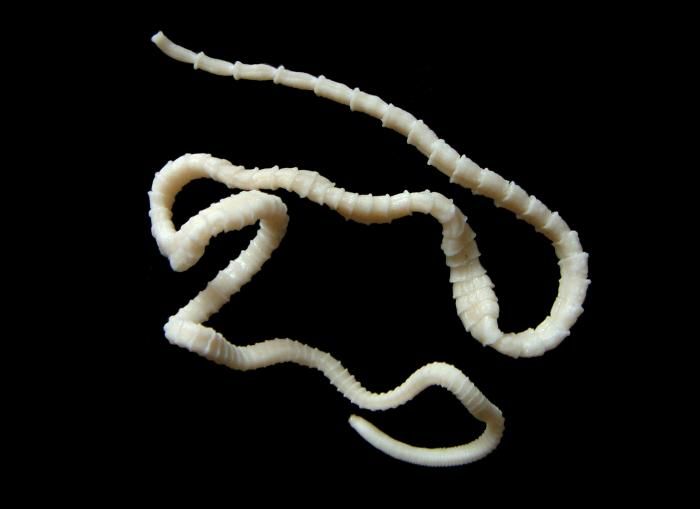
A tapeworm lives in the intestine of a cat absorbing nutrients through its skin. A tapeworm and a cat have this type of relationship.

a)

mutualism

b)

parasitism

c)

commensalism

d)

competition

4.
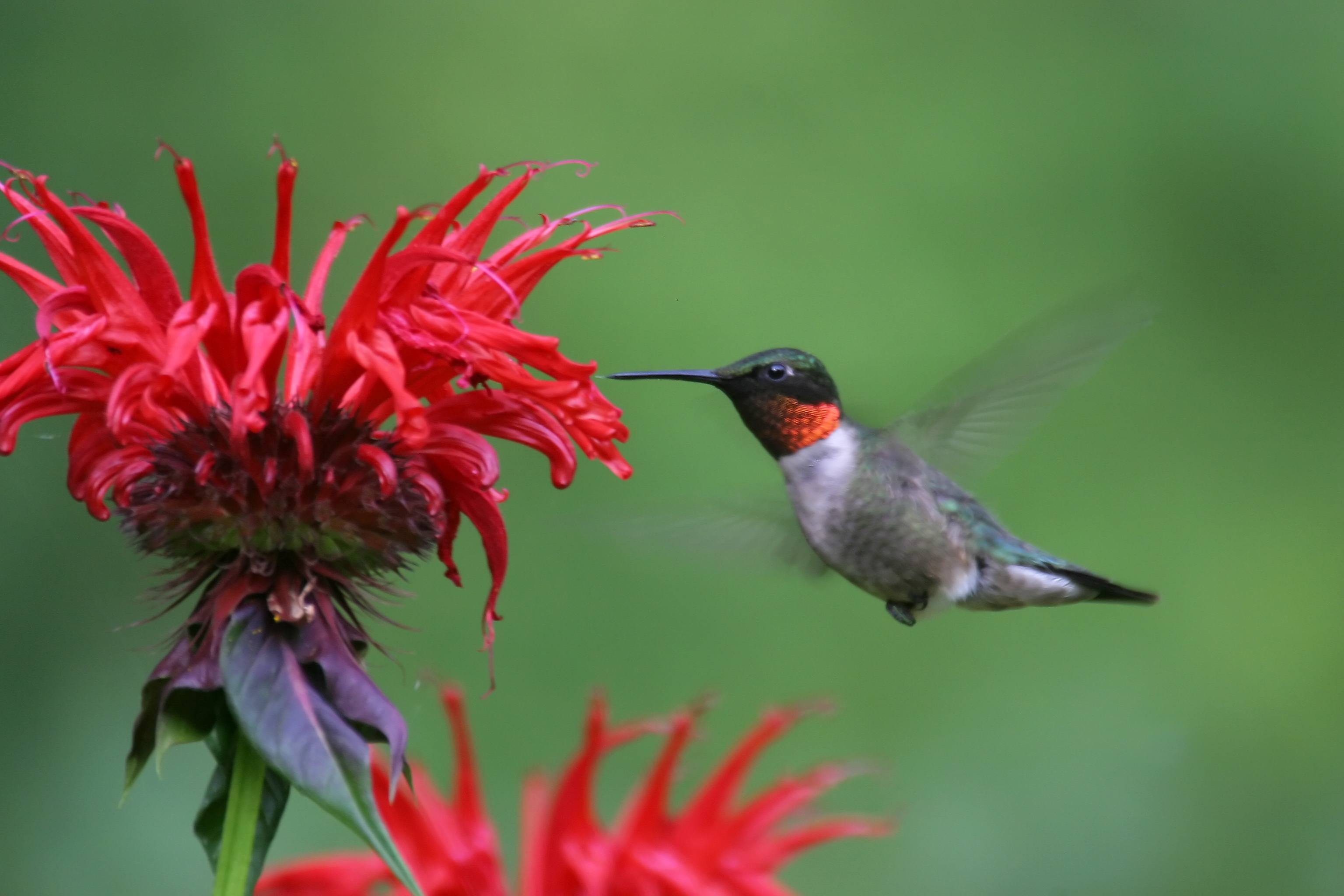
What type of symbiosis?  Hummingbirds feed on nectar from flowers.  The flowers are pollinated by hummingbirds as they move from flower to flower.
a)
commensalism
b)
mutualism
c)
parasitism
d)
predation
5.
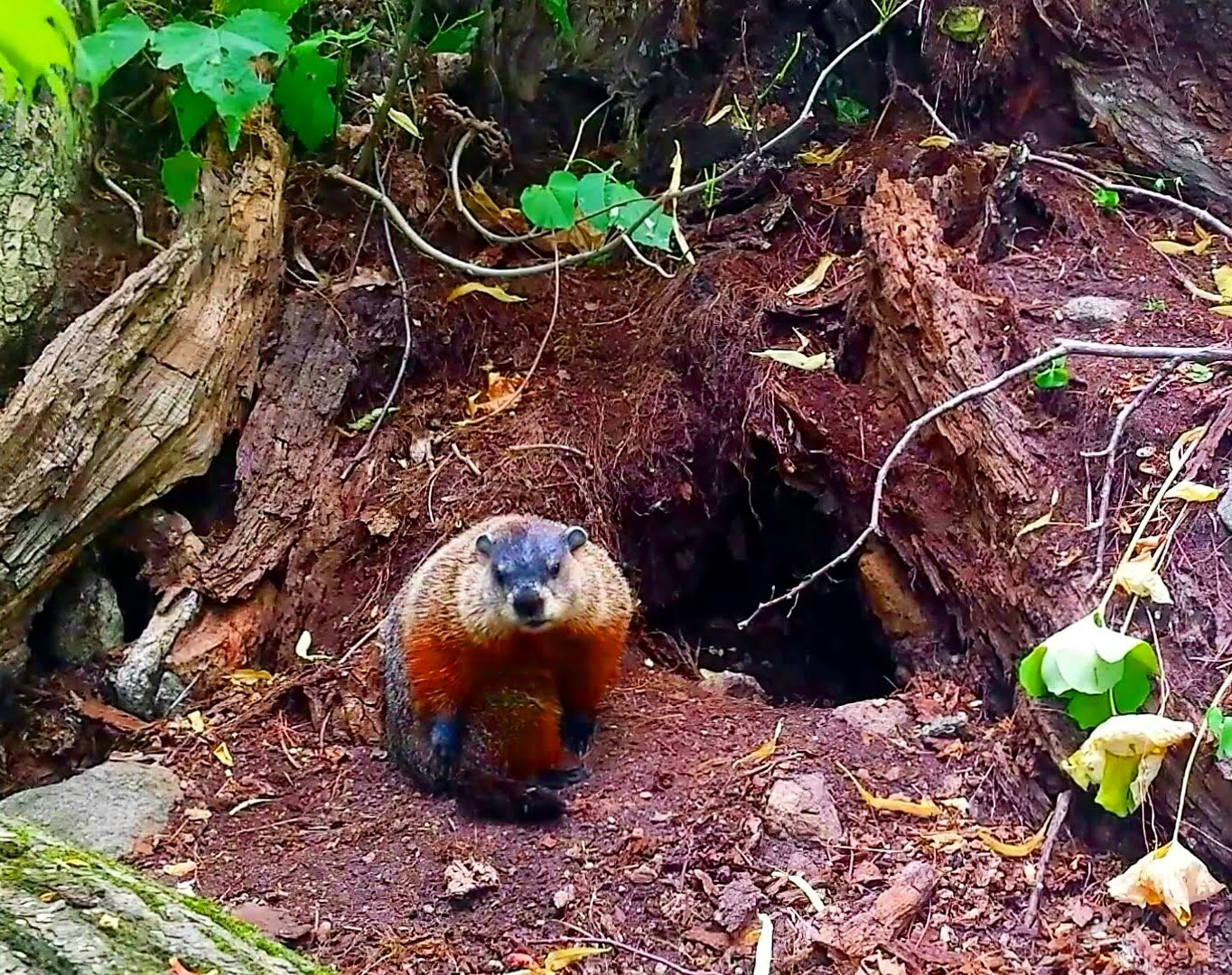
What type of symbiosis?  Skunks often live in burrows that have been dug and abandoned by woodchucks.  
a)
commensalism
b)
mutualism
c)
parasitism
d)
predation
6.
A relationship between two organisms in which both organisms benefit. 
a)
Mutualism 
b)
Competition
c)
Parasitsm 
d)
Commensalism 
7.
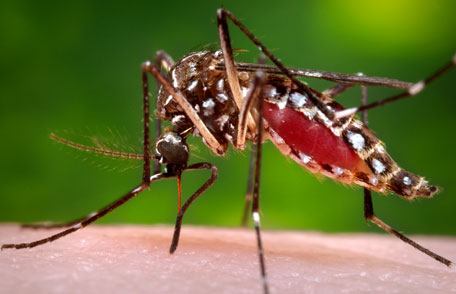
When a mosquito bites you, you are the __________ and the mosquito is the  ____________.
a)
host, hostess
b)
parasite, host
c)
host, parasite
d)
prey, predator
8.

Clown fish live among anemones, acting as a lure for the sea anemone's prey. The clown fish get protection and shelter from the anemone. This is an example of which type of symbiosis?

a)

Commensalism

b)

Mutualism

c)

Parasitism

9.

A bee and a flower work together to benefit each other. This is an example of a ______. The bee helps the flower by pollinating it and the flower helps the bee by providing it with nectar.

a)

commensalistic relationship

b)

parasitic relationship

c)

mutualistic relationship

10.
A bird makes a nest in a tree.  The bird gets a house, but the tree is unharmed.
a)
Commensalism
b)
Mutualism
c)
Parasitism
11.
Barnacles create home sites by attaching themselves to whales. This relationship neither harms nor benefits the whales. 
a)
parasitism
b)
commensalism
c)
mutualism
12.
Yucca flowers are pollinated by yucca moths. The moths lay their eggs in the flowers where the larvae hatch and eat some of the developing seeds. Both species benefit. 
a)
parasitism
b)
commensalism
c)
mutualism
13.
 The stork uses it saw-like bill to cut up the dead animals it eats. As a result, the dead animal carcass is accessible to some bees for food and egg laying. The relationship neither harms nor benefits the stork.
a)
parasitism
b)
commensalism
c)
mutualism
14.
A tick is a parasite to a horse. Which statement best describes the relationship between the tick and the horse? 
a)
a.  The tick helps the horse get food. 
b)
a.  The tick harms the horse by feeding on its blood. 
c)
a.  The horse harms the tick by feeding on its blood. 
d)
The tick does not affect the horse. 
15.
 Mrs. Bush’s cat has fleas. A flea is a parasite that gets its energy from Dante’s blood. How are the flea and the cat affected in this relationship? 
a)
Both organisms are helped.
b)
Both organisms are not affected.
c)
One organism is helped and one organism is not effected.
d)
One organism is helped and another organism is harmed. 
16.
Mistletoe extracts water and nutrients from a spruce tree. The spruce tree is harmed. 
a)
parasitism
b)
commensalism
c)
mutualism
17.
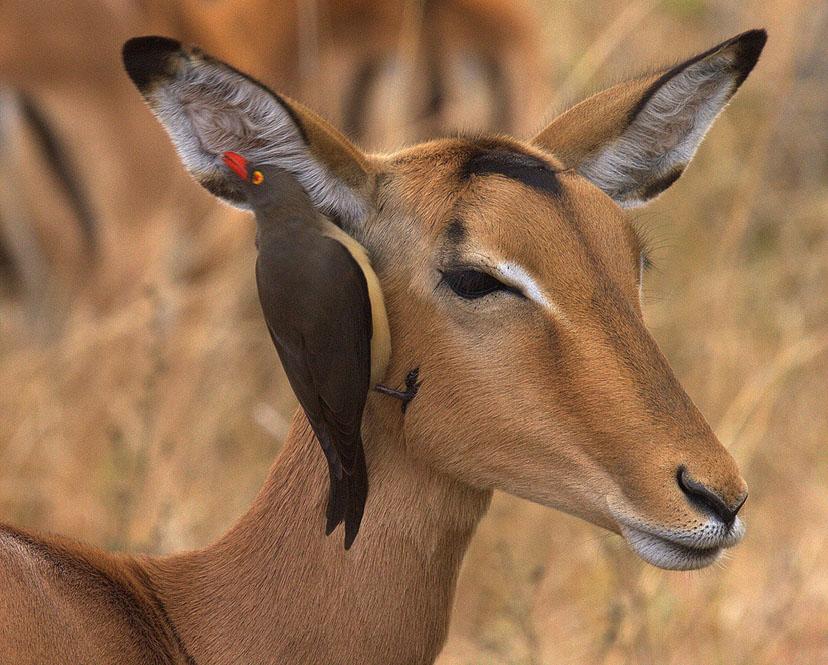
Red-billed oxpeckers are birds that often feed on parasites that infest impala.  This is an example of _______.
a)
commensalism
b)
mutualism
c)
neutralism
d)
competition
18.

Mockingbirds will push the eggs out of a blue bird's nest and use the nest for it's own babies illustrating...

a)

commensalism

b)

parasitism

c)

mutualism

d)

predation

19.

Lichens are close associations of fungi and algae. The fungi hold the water supply and the algae perform photosynthesis to manufacture carbohydrates for both organisms.

a)

mutualism

b)

commensalism

c)

parasitism

20.

In the jungles of South America lives a thorn tree call an acacia. A species of ant eats secretions of the acacia, drinks its sap, and raises its young in the hollow thorns. The ants also keep competing vines from growing near the acacia tree and they help repel any insects that would damage the acacia tree.

a)

mutualism

b)

commensalism

c)

parasitism