
 Worksheets
Units 8 & 9 SCA Review
Total questions: 28
Worksheet time: 18mins
Which region in Africa encompasses the Zambezi River, the Kalahari Desert, the island of Madagascar, and the country of Mozambique?
North Africa
East Africa
South Africa
West Africa

Which factors most contributed to the events described in the excerpt?
domestication of plants and animals.
climate change and irrigation projects.
increased use of fertilizers and insecticides.
industrial development and chemical weathering.
Over 400 species of orchids, pygmy hippos and tree frogs call Tropical Africa home for all of the same reasons EXCEPT
climate
geography
population
geology
The Human Development Index refers to the ranking of nations done by the United Nations. Many countries within Africa are listed at a "Low Human Development" score. What are the possible reasons for this low ranking?
gender equality, life expectancy, and geographical location.
a decent standard of living, life expectancy, and education.
education, social reform, and gender equality.
literacy rate, death rate, and geographical location.

When comparing the 2020 Kenya Population Pyramid and the 2020 United States of America Population Pyramid, which conclusion below is best supported?
Both Kenya and the United States encountered similar rates of birth to age 4.
Kenya has a higher life expectancy for females ages 25 to 29 than the United States.
Kenya's population of 80 to 84 year old males is higher than the United States' population of 80 to 84 year old males.
The largest age group in each country is under five years of age.
What is a difference in the decisions made for subsistence farming versus commercial farming in Africa?
Subsistence farming tries to plant crops that will be sellable to neighbors.
Commerical farming is designed to satisfy the family first, then neighbors.
Commercial farming tries to satisfy orders already placed for products.
Subsistence farming is planned and designed to satisfy a family’s needs.
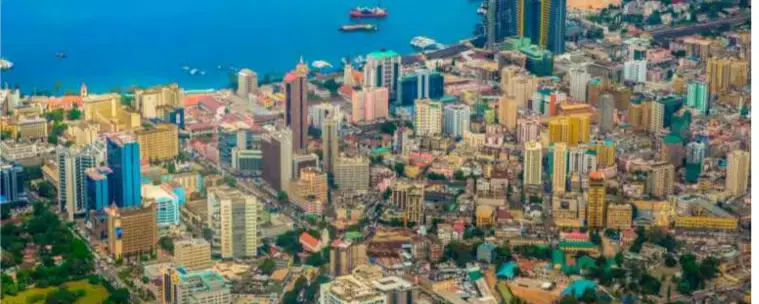
With a gross domestic product of $1.14 trillion, Nigeria holds the position of the richest country in Africa as of January, 2022, according to World Population Review. The sizeable gross domestic product (GDP) of Nigeria is mainly driven by:
its abundance of crude oil.
its diverse cultures.
its history of human rights.
its decreased level of corruption in the government.
How have increased population levels of Africa negatively affected the physical geography of Africa?
Growing demand for food has led to an expansion of commercial farms.
Farming techniques have accelerated desertification of grasslands.
Urban development has resulted in expanded recycling of consumer products.
Grazing by migrating livestock has slowed the rate of soil erosion.
"We are all aware that despite achievements and progress made, African women face major challenges and obstacles,” says Dr. Farkhonda Hassan, chair of the UN Economic Commission for Africa’s Committee on Women and Development. For example, she says, "the primary development policies in many countries, known as poverty reduction strategies, still do not take into account differences in income and power between men and women, hampering efforts to finance programs that reduce inequality". - United Nations: African Women Battle for Equality, July, 2005 (accessed January, 2022.)
Based on the excerpt above, the majority of African women are still DENIED
access to subsistence farming.
access to poor health care.
public transportation.
education and employment opportunities equal to men.
Many of the problems between cultural groups in Africa today can be attributed to
different animist religions in conflict with each other.
interference from the United Nations in political affairs.
arbitrary borders drawn by European colonial powers.
infighting over the large oil reserves of the region.
The human landscape in South Asia is greatly influenced by ___________ and a strong connection to the ________ environment.
diversity, physical
native people, physical
diversity, human
native people, human
rain totals : floods
tremor history: ____________
faults
earthquakes
volcanoes
weather
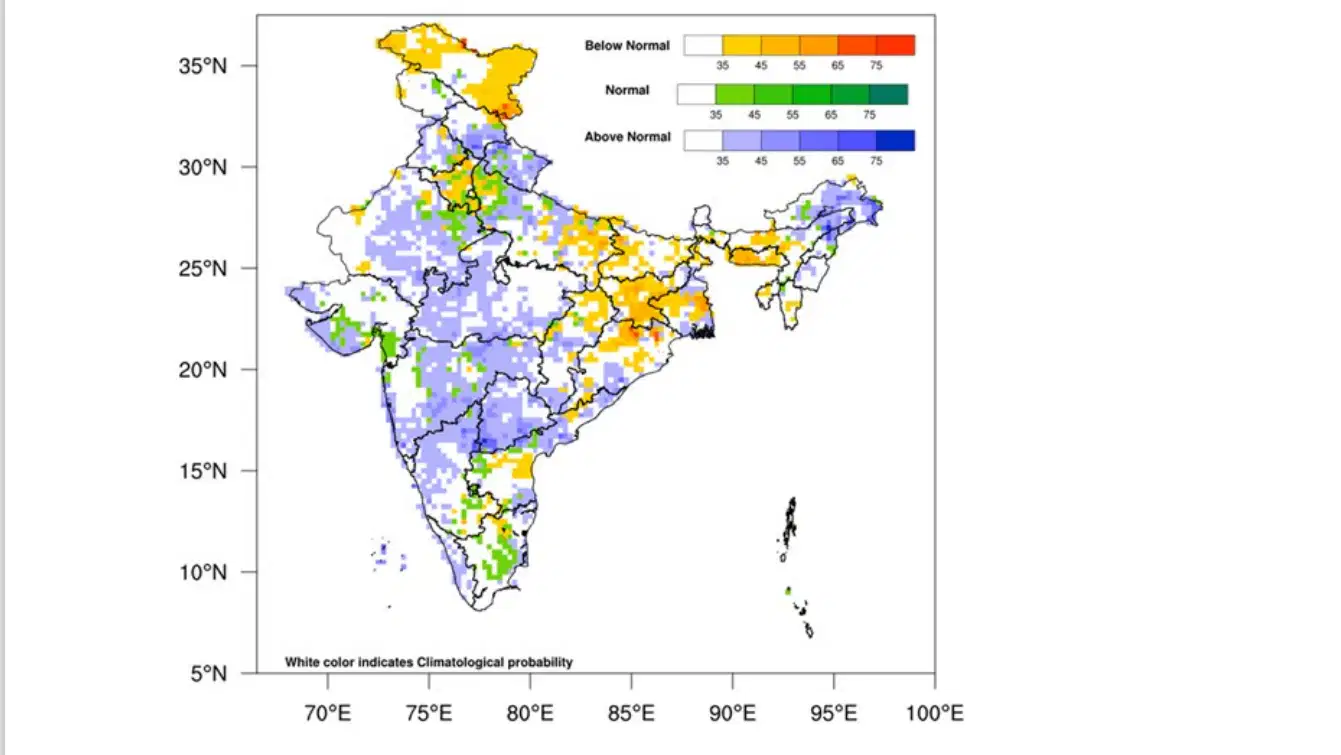
Which city in India receives the most rainfall annually?
New Delhi
Leh
Mawsynram
Shimla

South Asia has six main climate zones. The __________ zone has the coldest climate.
Polar
Highland
Tropical
Desert
The Himalayan Mountains formed as a result of what type of plate boundary between the Eurasian plate and the Indian plate?
a zone boundary
a divergent boundary
a transform boundary
a convergent boundary
Which of the following profiles matches Southwest Asia?
Sheiks, Muslims, and high gross domestic product
Sheiks, Buddhist, and low gross domestic product
Democracies, Christian, and low gross domestic product
Dictatorships, Buddhist, and high gross domestic product
How does the Ganges River define the character of India?
It provides drinking and irrigation water.
People look to the river for miracles.
The river is part of Indian's folklore and mythology.
A, B, and C

What conclusion can you make about the information provided in the population graph above?
Africa is expected to have declining populations by 2010.
Latin American populations are expected to sky rocket by 2050.
Asia is expecting to have a large population growth by 2050.
The population of South America and Oceania will both decline by 2100.

According to the graph above, over the decades the population of India has
stabilized
doubled
tripled
quadrupled
Due to a high population growth rate in India, all of the following have become concerns except __________.
water pollution
deforestation
soil erosion
terrace farming
The use of terrace farming by the Incas and Southeast Asian cultures is an example of which of the following?
Modifying the surrounding geography.
Destruction of the environment.
Social change through acculturation.
Economic improvement through trade.

How do people in South Asia adapt to their environment?
Many people in South Asia adapt to their environment by weakening the ecosystem.
Many people in South Asia adapt to their environment by using drought, flood and salt-resistant crop varieties.
Many people in South Asia adapt to their environment by overpopulation within the major cities.
Many people in South Asia adapt to their environment by moving to lower ground.
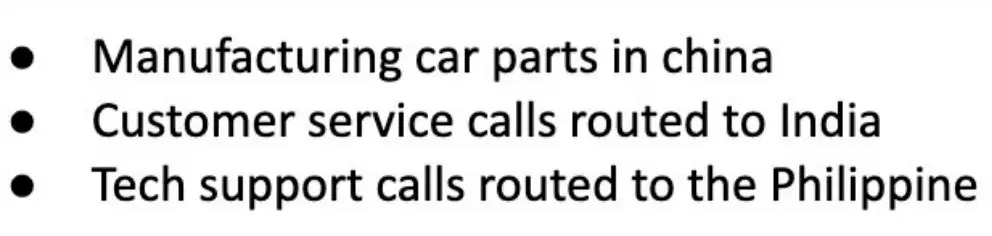
All of the characteristics listed above are examples of ___________.
trading
marketing
outsourcing
investing
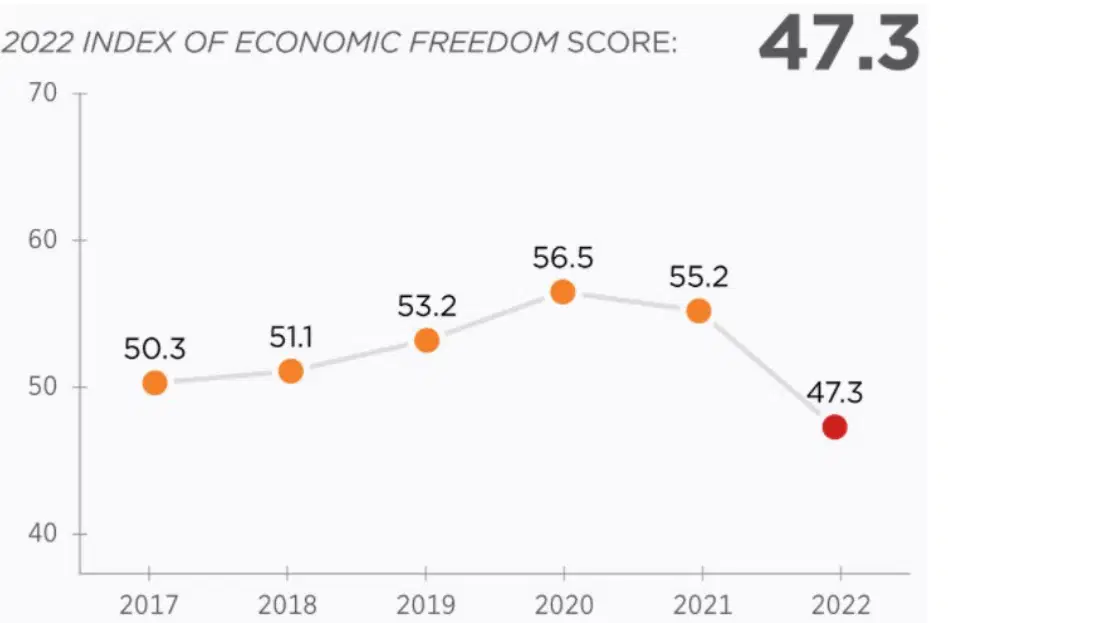
How is the Maldives’ economy directly affected by climate change?
The Maldives's economy is interconnected with political changes.
The Maldives's economy is threatened by high levels of unemployment
The Maldives's economy is improving as higher tides increase fish stocks.
The Maldives's economy is heavily-dependent on the tourist industry.
What is the name of the border between India and Afghanistan?
India - Nepal
McMahon Line
Palk Strait
Durand Line
Why has the conflict between India and Pakistan over Kashmir become such a concern?
The primary reason for the conflict between India and Pakistan is due to how valuable Kashmir is in terms of geography and resources.
The primary reason for the conflict between India and Pakistan is due to how valuable Kashmir is in terms of religion.
The primary reason for the conflict between India and Pakistan is due to how valuable Kashmir is in terms of its airports.
The primary reason for the conflict between India and Pakistan is due to how valuable Kashmir is in terms of its weather.
Which region has Buddhism as its main religion?
South Asia
Southeast Asia
Southwest Asia
Eurasia
Which of the following is an effect of terrorism in India?
Terrorist attacks in India have strengthened the banking system.
Terrorist attacks in India have had a minimal effect on the infrastructure.
Terrorist attacks in India have resulted in damages to the infrastructure.
Terrorist attacks in India have resulted more confidence in the government.

