
 Worksheets
6A Population Distribution and Density in South Asia
Total questions: 61
Worksheet time: 43mins
the pattern or spread of people in a given area
census
death rate
population distribution
demographics

Sparely populated areas have ____ people living in it, while densely populated areas have ____.
many; few
few; few
few; many
many; many
Which is [likely to be] more densely populated?
temperate climate (where we live)
polar climate (Antarctica)
What is another name for a city?
rural area
urban area
suburban area
Which of the following is NOT a challenge to a growing population?
Overcrowding
Housing shortages
Overuse of resources
Increased food supplies
Sparsely populated areas such as the country side
Urban areas
Rural areas
Suburbs
Urbanization


True or False: Most people in the world live along coast lines
True
False
What do the summer monsoons bring into South Asia?
Moist, warm air that brings in lots of rain
Large Tsunamis
Cold, dry air that causes droughts
Cold, dry air that brings in snow
Which of the following industries benefits from the large populations of South Asian countries?
Manufacturing
Automotive
Pharmaceutical
Agricultural

amount of land for agriculture
amount of clean water
number of people who are unemployed
all of the above
amount of air pollution in society
Why are human populations distributed the way they are?
soils
vegetation
climate types
the availability of resources
all of the above
There are factors that determine where people choose to live. Which one is NOT a factor?
Weather & Climate
Geographic Location
Access to Shopping Malls
Access to Natural Resources

What are Geographic Factors?
When people change the environment to meet their needs.
How landscapes and climate effect where people live.
When people change their behavior to adjust to the environment.
Math equations that help you build your house to resist bad weather.
What are the reasons that a country might be densly populated?
There are deserts.
There is a water source, like a river or ocean.
There are natural resources available.
The climate in moderate/mild.
Why have many people migrated to live near large cities?
Large cities have access to ships so that people can travel.
Large cities are located on rivers
Large cities are safer places to live than in the country
Large cities have more jobs and the things people need
Which picture depicts an urban area?
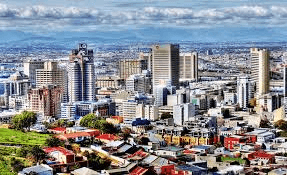
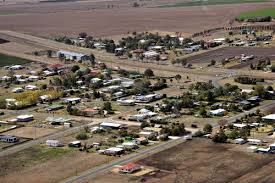
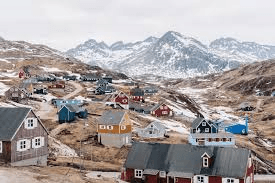
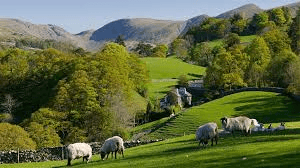
What human factors affect population distribution?
climate
standard of life
Safety
all of the above
How do physical factors affect population distribution?
limit the location that people can settle
they make people have to work harder
depends on the people's culture
they can never settle
a physical characteristic is ...
mountain
city
farm
all of the above

Which factor best explains the growth in urban populations?(WG.7C)
Less pollution
Climate change
Economic opportunities
Higher birth rates

Climate, landforms, and vegetation are types of ________ features.
physical
human
absolute
technological

Population, economic activity, and land use are types of _______ features.
technological
physical
human
absolute

What type of feature is this?
Human Feature
Physical Feature

What type of feature is this?
Human Feature
Physical Feature
These regions have the mildest temperatures due to not being the furthest away from direct sunlight and due to not receiving direct sunlight. This is where majority of the world's population lives.
Temperate
Prime Meridian
International Date line
Location
Which physical feature usually has the highest population density?


Effort to use modern techniques in science to increase food production in poor countries
Green revolution
jute
Cottage industry
Outsourcing
What is the main river in India?
Ganges
Indus
Brahmaputra
What is the main mountain range in South Asia?
Deccan Plateau
Ganges
HImalayas

Formerly known as East Pakistan, what nation is highlighted on the map?
Nepal
Bangladesh
Maldives
Pakistan

What nation is highlighted on the map?
Bhutan
Nepal
India
Pakistan

What nation is highlighted on the map?
India
Nepal
Maldives
Pakistan
How are India’s waters both polluted and losing water?
Industrial waste pours into rivers and Acid rain
Human waste pours into rivers and shrinking glaciers in the Himalayas
Poisoned wells and organic plant food
Runoff from farm fertilizers and monsoons

How do monsoons affect the climate in South Asia in the summer?
Winds from the Thar Desert make it hot and dry
Winds from the Himalayas bring cool breezes
Winds from the Indian Ocean and Arabian Sea bring heavy rain
Winds from the Himalayas cause drought.

India went through a ___________Revolution but now practices ___________ agriculture.
Industrial /sustainable
Green/ sustainable
Green/ fixed
Industrial/ fixed
Which of the following agricultural inputs were the most recent technological innovations employed in less developed countries during the Green Revolution?
Metal plows and harvesting equipment
Irrigated farm fields
Seed hybrids and animal breeds
Chemical fertilizers and pesticides
Terracing in highland terrain

1. What is the Green Revolution?
a large increase in crop production in developing countries achieved by the use of fertilizers.
a large decrease in crop production in developing countries achieved by the use of fertilizers.
Biotechnology production.
I don’t even know.

2. What problem did The Green Revolution attempt to solve?
They didn’t solve anything.
The problem the green revolution attempted to solve was biotechnology.
The problem the green revolution attempted to solve was hunger.
The problem the green revolution attempted to solve was world peace.

3. Was The Green Revolution successful? (THERES TWO ANSWERS, PICK TWO)
No, because the chemicals harmed the environment.
Yes, the green revolution was successful, BUT some disagreed due to the impact on the environment.
Yes, the green revolution was successful, feeding millions by helping the poorest countries.
No, because the problem wasn't solved.

4. According to the GRAPH, did India's GRAIN production increase or decrease?
YES India's GRAIN production increased.
NO India's GRAIN production decreased.
NEITHER India's GRAIN production increased or decreased.
In Green Revolution the traditional farming techniques were replaced by ______________________ and the farming became more scientific.
Seeds
Machinery
Carts
Old methods
Few people live on the Tibetan Plateau due to its climate. Which are true about the Tibetan Plateau's climate? (a) (b)
Name three reasons why the areas around rivers are so heavily populated. (a) (b) (c)
Why are many minority groups found along China's borders?
Minority groups such as the Tibetans and the Uighurs stay near the border in order to easily escape China's harsh dictatorship.
Minority groups such as the Tibetans and the Uighurs cannot afford to live in eastern China.
Chinese emperors made laws designed to keep minority groups in their homelands, forbidding them to move to eastern China.
Chinese emperors conquered new lands, coming to control people who often kept many of their own customs and stayed near their traditional homelands.
What significant event happened to Tibet in 1950?
Tibet conquered India
Mongolia occupied Tibet
The current Buddha was found
China invaded Tibet

Who is the political and religious leader of Tibet expelled from his country in 1959?
13th Dalai Lama
15th Dalai Lama
12th Dalai Lama
14th Dalai Lama
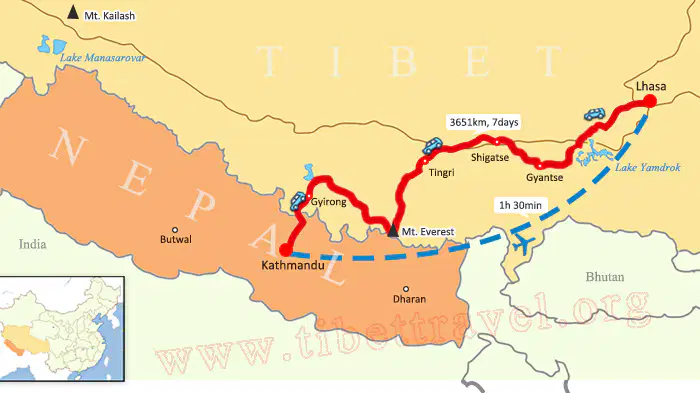
Tibetans migrating to India across the Himalayan Mountains in order to practice Buddhism freely is an example of ____________ factors that affect population settlements.
human
physical
technological
crazy

