
 Worksheets
Types of Precipitation & Weather
Total questions: 32
Worksheet time: 16mins
Name
Class
Date
1.
What three characteristics classify clouds?
a)
Shape
b)
Width
c)
Height
d)
Rain Capacity
e)
Color
2.
Which clouds are whispy, and look like feathers? They are often the whitest cloud in the sky.
a)
Cumulus
b)
Cumulonimbus
c)
Cirrus
d)
Stratus
3.
Which clouds have flat bases, and are fluffy and white in appearance?
a)
Cumulus
b)
Cumulonimbus
c)
Cirrus
d)
Stratus
4.
Which clouds have flat bases, and are fluffy and white in appearance?
a)
Cumulus
b)
Cumulonimbus
c)
Cirrus
d)
Stratus
5.
These clouds are flat at the base, and also fluffy, but gray in color.
a)
Cumulus
b)
Cumulonimbus
c)
Cirrus
d)
Stratus
6.
Which clouds form because of convection currents (warm air being lifter, and eventually cooling allowing the water vapor to condense to form a cloud)
a)
Cumulus
b)
Cirrus
c)
Stratus
7.
These clouds form from dry air high in Earth’s atmosphere where it is colder. As you go further into the atmosphere there is also less water vapor, so the small amount of water vapor there is gets turned into ice crystals.
a)
Cumulus
b)
Cirrus
c)
Stratus
d)
Cumulonimbus
8.
These clouds form in calm, stable conditions when gentle breezes raise cool, moist air over colder land or ocean surfaces.
a)
Cumulus
b)
Cirrus
c)
Stratus
d)
Cumulonimbus
9.
These clouds form in calm, stable conditions when gentle breezes raise cool, moist air over colder land or ocean surfaces.
a)
Cumulus
b)
Cirrus
c)
Stratus
d)
Cumulonimbus
10.
Which clouds occur at high altitudes?
a)
Cirrus
b)
Stratus
c)
Cumulus
11.
Which clouds occur at low altitudes, and can cause fog?
a)
Cirrus
b)
Stratus
c)
Cumulus
12.
Which clouds occur at medium altitudes?
a)
Cirrus
b)
Stratus
c)
Cumulus
13.
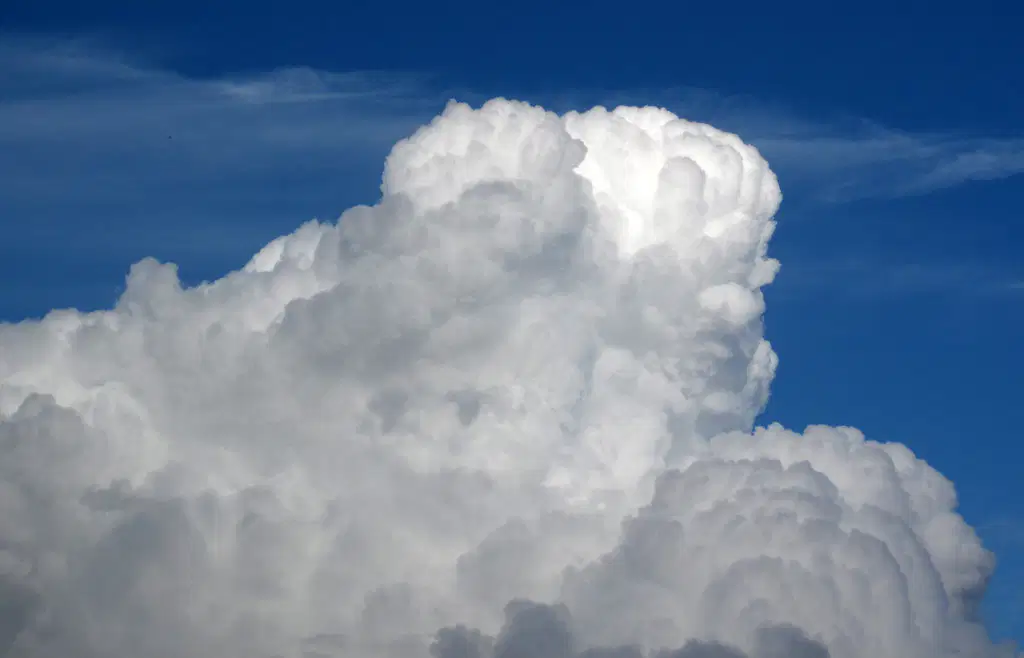
What type of cloud is this?
a)
Cirrus
b)
Stratus
c)
Cumulus
14.
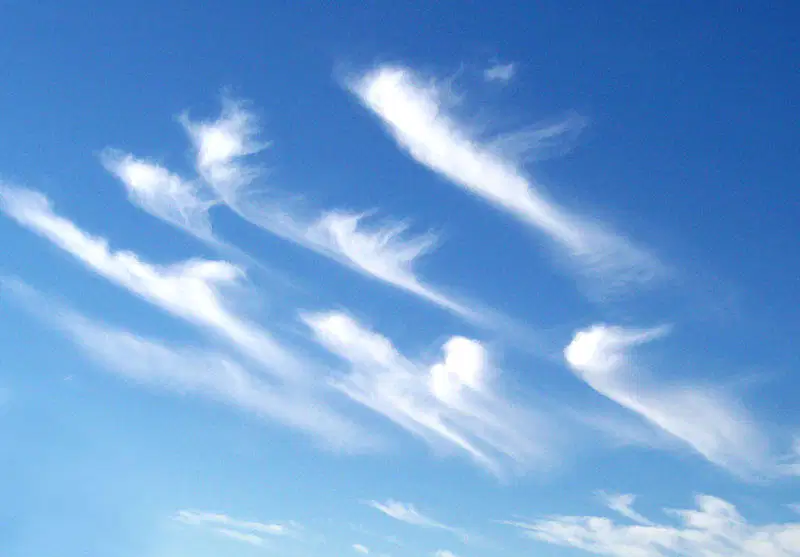
What type of cloud is this?
a)
Cirrus
b)
Stratus
c)
Cumulus
15.
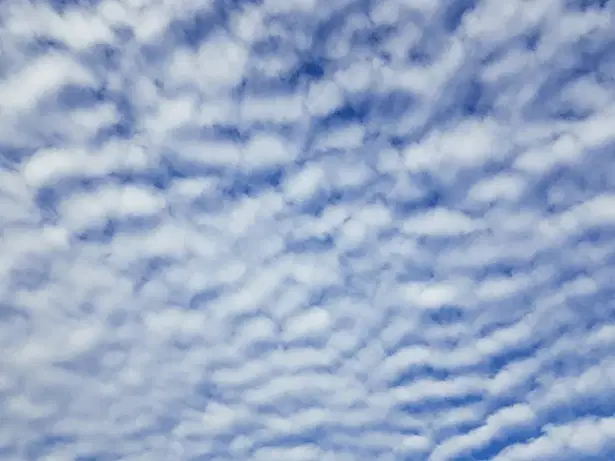
What type of cloud is this?
a)
Cirrus
b)
Stratus
c)
Cumulus
16.
What type of cloud indicates a thunderstorm?
a)
Cumulus
b)
Cumulonimbus
c)
Cirrus
d)
Stratus
17.
These clouds often form before of a warm front, where the air masses meet at high levels, indicating fair weather or a change in weather. These clouds produce precipitation but it never reaches the ground.
a)
Cumulus
b)
Cumulonimbus
c)
Cirrus
d)
Stratus
18.
These clouds have little to no rainfall, and are associated with fair weather. However, if it is thick enough, it can produce light precipitation.
a)
Cumulus
b)
Cumulonimbus
c)
Cirrus
d)
Stratus
19.
What is a large body of air with the same temperature, pressure, and humidity
a)
Air pressure
b)
Warm front
c)
Air mass
d)
Cold front
20.
When a storm occurs ___________ air is overtaken by _____________ air.
a)
Warm, Cold
b)
Cold, Warm
c)
Calm, Unstable
d)
Unstable, Calm
21.
This type of extreme weather occurs because of convection currents, and is strongest in warm tropical water.
a)
Flooding
b)
Hurricane
c)
Tornado
d)
Drought
e)
Earthquake
22.
This type of extreme weather occurs occurs when prolonged rain falls over several days, when intense rain falls over a short period of time
a)
Flooding
b)
Hurricane
c)
Tornado
d)
Drought
e)
Earthquake
23.
This type of extreme weather is caused by low precipitation over an extended period of time
a)
Flooding
b)
Hurricane
c)
Tornado
d)
Drought
e)
Earthquake
24.
This type of extreme weather is caused by warm, humid rotating columns of air near the ground with cooler dry air on top mixed with a change in wind speed or wind direction.
a)
Flooding
b)
Hurricane
c)
Tornado
d)
Drought
e)
Earthquake
25.
This type of extreme weather is caused when tectonic plates shift releasing energy that can create seismic waves.
a)
Flooding
b)
Hurricane
c)
Tornado
d)
Drought
e)
Earthquake
26.
Earthquakes are measured by a ___________________?
a)
Barometer
b)
Secchi disc
c)
Seismograph
d)
Meter stick
27.
Select the type of precipitation being described.
Develops when growing cloud droplets become too heavy to remain in the cloud and as a result, fall toward the surface
a)
Rain
b)
Freezing Rain
c)
Sleet
d)
Snow
e)
Hail
28.
Select the type of precipitation being described.
Formed when updrafts carry raindrops upwards into extremely cold areas of the atmosphere, and these raindrops freeze.
a)
Rain
b)
Freezing Rain
c)
Sleet
d)
Snow
e)
Hail
29.
Select the type of precipitation being described.
Formed when updrafts carry raindrops upwards into extremely cold areas of the atmosphere, and these raindrops freeze.
a)
Rain
b)
Freezing Rain
c)
Sleet
d)
Snow
e)
Hail
30.
Select the type of precipitation being described.
Begins as snow hits warm air to turn to rain then falls through cold air next causing the surface to freeze.
a)
Rain
b)
Freezing Rain
c)
Sleet
d)
Snow
e)
Hail
31.
Select the type of precipitation being described.
_______________ can melt and turn into rain if it travels through warmer temperatures.
a)
Rain
b)
Freezing Rain
c)
Sleet
d)
Snow
e)
Hail
32.
Select the type of precipitation being described.
Rain is falling rain that cools below 0°C, but does not turn to ice in the air
a)
Rain
b)
Freezing Rain
c)
Sleet
d)
Snow
e)
Hail
100 %

