
Font size
 Worksheets
Evolution Quiz
Total questions: 13
Worksheet time: 9mins
Match the following pictures with the words they represent

Analogous Structure

Homologous Structure

Adaptation

Artificial selection

Natural selection
Vocab check:
The theory that organisms have slowly changed over time...
fossil record
relative dating
evolution
adaptation
Eyes that can see in the dark is a(an) _______ inherited by nocturnal animals.
adaptation
acquired trait
learned ability

The pelvic bone of whales is not needed for movement within the water. This is an example of a(n) ______________ structure.
vestigial
analogous
homologous

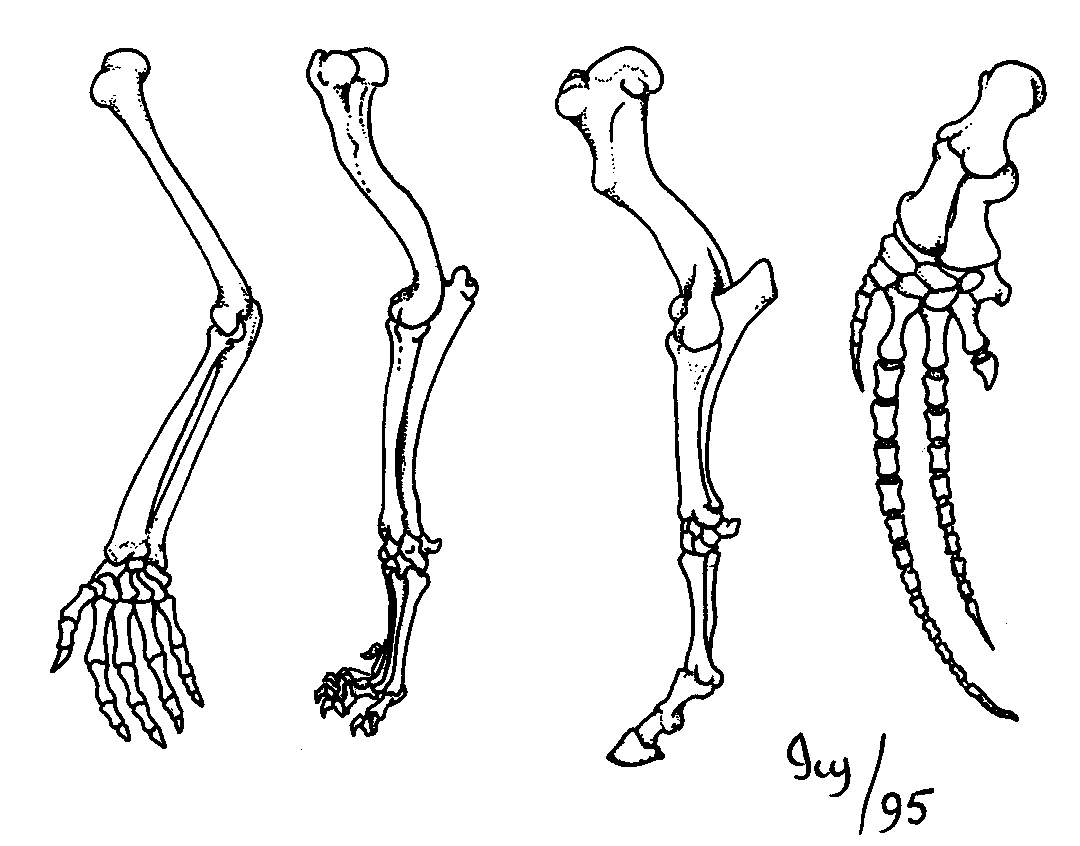
The forelimbs of mammals have similar anatomy because these groups descended from a recent common ancestor. Their bone structure is an example of a(n) ______________ structure.
vestigial
analogous
homologous

Many different groups of organisms have wings, even though they do not share a recent common ancestor. This is because they evolved in environments with similar selective pressures. Wings are an example of a(n) ______________ structure.
vestigial
analogous
homologous
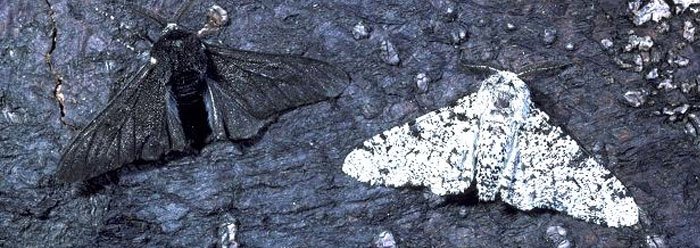


Who was the Scientist most famous for his study of natural selection and evolution?
Theodor Schwann
Robert Hooke
Charles Darwin
Rudolf Virchow
A remains or traces left over of an organism from the past is called a _______.
Ancestor
Skeleton
Fossil
Imprints

If scientists find fossils of a type of mosquito on the bottom layer and find fossils of beetles towards the top layer, what can scientists infer?
Mosquitos ate the beetles
Mosquitos are older fossils than beetles
Beetles are older fossils than mosquitos
Both mosquitos and Beetles must have lived at the same time.

