
 Worksheets
life's classification (grin)
Total questions: 25
Worksheet time: 22mins
Which of the following choices are the 6 characteristics of living things?
cells,
organized,
grows,
responds to stimuli,
intelligence, reproduces
cells,
organized,
highly complex, responds to stimuli, requires energy, reproduces
cells
organized
grows
responds to stimuli
reproduces
requires energy
cells
disorganized
grows
responds to stimuli
reproduces
requires energy
Which of the following is a characteristic of asexual reproduction?
takes a long time
requires a partner
produces variety
no competing for mates

Homo Sapiens is the ________________ for human beings?
Common Name
Scientific Name
Taxonomy
Domains

The binomial nomenclature (scientific name) of an organism consists of which of the following levels of its taxonomy?
Species
Order
Domain
Genus
Phylum
The name denoting the species of the leopard frog, Rana pipiens, is
leopard
frog.
Rana.
pipiens.

Identify Bird D with the use of the dichotomous key.
Black Skimmer
Baird's Sparrow
Bald Eagle
Osprey

What characteristics do all of these animals have in common?
Vertebrate
Lungs
Endothermic
Mammal

What structure separates Perches from Salamanders?
Jaws
Lungs
Claws/Nails
Fur
The taxonomic level that would include the MOST number of species
class
kingdom
phylum
genus
Which level comes before Family?
phylum
class
genus
order
the science of grouping and naming organisms
taxonomy
classification
dichotomous key
phylum
How many classification levels are there?
9
8
7
6
Binomial nomenclature is made up of a species
Family & Order
Phylum & Class
Kingdom & Species
Genus & Species
Which is NOT a rule for determining if two creatures are the same species?
They must have similar features
They must live in the same habitat
They must be able to reproduce with eachother
Their offspring must be able to reproduce
What type of reproduction am I describing?
Takes time, have to find a mate, produces genetic variety
asexual
sexual

Bacteria reproduce by dividing in half....this is a form of?
asexual reproduction
sexual reproduction

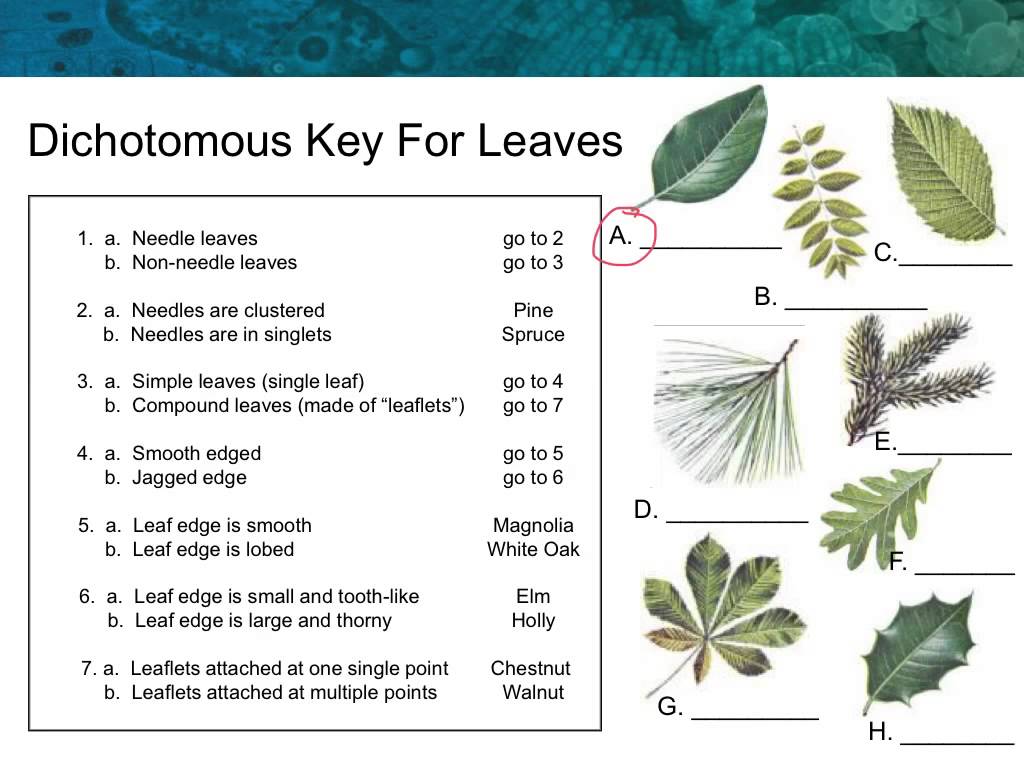
Leaf Q (1ST LEAF)
Eastern white pine
balsam poplar
sweet gum
ginko


arachnids and insects?


