
 Worksheets
Unit 15/16 Pretest/Review
Total questions: 37
Worksheet time: 26mins
The process by which the body takes in and uses food.
Nutrition
Calories
Body Mass Index
Appetite
Substances in food that provide nourishment essential for growth and the maintenance of life are called nutrients. What are the 6 nutrients?
Carbohydrates, Meats, Minerals, Water, Protein, and Dairy
Fruits, Milk, Vitamins, Water, Pork, and Vitamins
Carbohydrates, Fats, Water, Protein, Minerals and Vitamins
Carbohydrates, Fats, Minerals, Cheese, Protein, and Vegetables
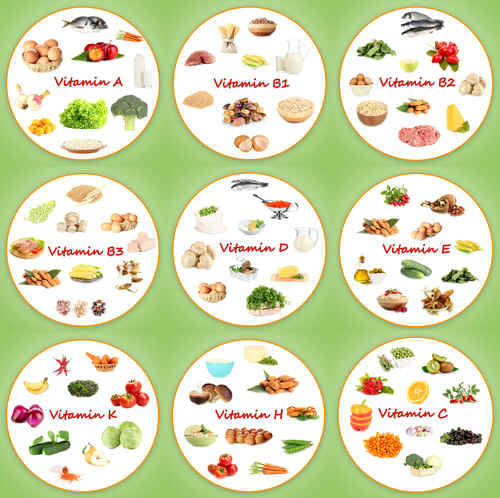
Which nutrient helps control body functions such as digestion, metabolism, and wound healing?
Vitamins
Minerals
Water
Vegetables
Which nutrient carries/transports other nutrients and oxygen throughout the body? It also makes up about 75% of your body
Dairy
Minerals
Protein
Water
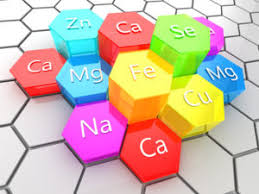
Which nutrient are substances that the body CANNOT manufacture, but are needed for forming healthy bones and teeth and regulating many vital body processes?
Protein
Minerals
Water
Vitamins
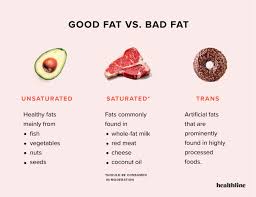
Which one of these is considered the "good fats" that we get from foods?
Unsaturated Fat
Trans Fat
Saturated
Carbs
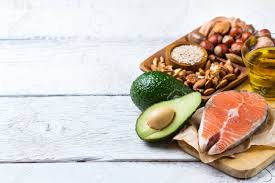
Fish, nuts, oils and avocado are healthy sources of....
Fiber
Protein
Minerals
Fat
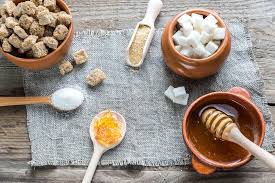
Sugars are...
cholesterol
complex carbohydrates
amino acids
simple carbohydrates and quick energy

Which Vitamin is the only one our bodies can make?
A
D
B12
Calcium
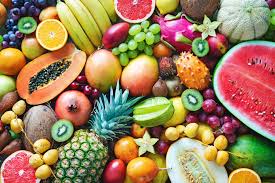
What food group is most responsible for providing water?
Meats
Fruits
Grains
Dairy products
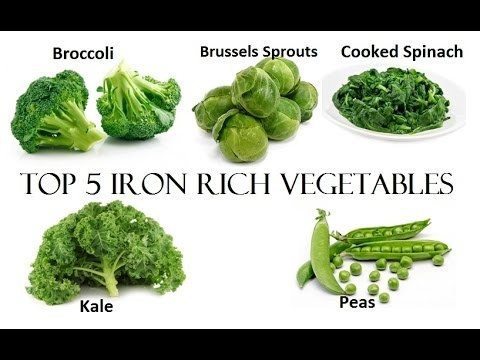
The best way to fill your diet with Iron is by eating
Red meat
Leafy green vegetables
Thick skinned fruit
Brown rice
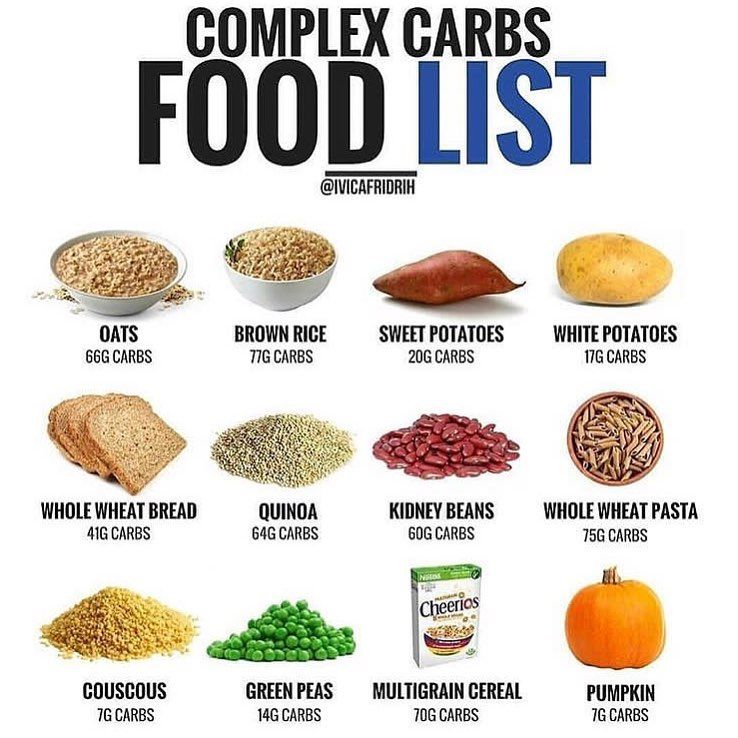
Examples of complex carbohydrates include:
Soda, energy drinks, juice
Whole wheat bread, vegetables, rice
Lean chicken, fish, peanut butter
Simple carbohydrates like sugar
Which of these nutrients can you get from eating whole fruit that is not usually found in juice?
Vitamins
Minerals
Fiber
Sugar
Potassium is a nutrient that many Americans don’t get enough of. Which of the following is a good fruit source of this mineral known to help regulate blood pressure?
Dried Apricots
Bananas
Orange Juice
All of the above
Eating a diet rich in fruits and vegetables as part of an overall healthy diet may protect against certain types of cancer.
True
False
Fiber found in fruit is associated with which of the following health outcomes?
Strengthening bones
Making new blood cells
Building muscle
Maintaining proper bowl function
Fruits are sources of which of the following?
Folate
Vitamin D
Calcium
Protein
What is the primary function of PROTEINS
Growth and repair of body tissues
Allows each cell in the body to do its work - as important as air
Stored Energy
Triggers chemical reactions
What is the primary function of Water
Triggers Chemical reactions
Provides immediate energy
Stores energy
Allows each cell in the body to do its work
What is the primary function of minerals?
Stored energy
Triggers chemical reactions
Helps with various processes necessary for growth and maintenance of life
Improved eye sight
What is the primary functions of fats?
Store energy and protect organs
Hair and nail growth
Growth and repair of body tissues
Improves life span and maintenance of life
What is the primary function of Vitamins?
Growth and repair of body tissue
Improve sleep
Increase weight and BMI
Trigger Chemical reactions
What is the primary function of Carbohydrates?
Triggers chemical reactions
Provide long extended amounts of stored energy
Provide immediate (first few minutes) of energy
Allow cells in the body to do their work
Calcium is a mineral and can be found in...
Fruits & Vegetables
Sugary treats
Sodas
Dairy
An example of a food filled with carbohydrates is...
Eggs
Bread
Cheese
Poultry
What is the name of the indigestible carbohydrate that helps move waste through the digestive system
Vitamins
Minerals
Water
Fiber
Which vitamin is NOT found in fruits
vitamin A
vitamin C
vitamin D
vitamin K
What are fruits and vegetables high in that fight against some cancers and heart disease?
sugars
carbohydrates
antioxidants
What can you do when you need fruit to ripen quickly?
Put it in the refrigerator
Keep them at room temperature
Place them all around your refrigerator
Keep them in a paper sack
Which form of fruit is the cheapest to purchase?
Fresh
Frozen
Canned
Dried

